Category: Uncategorized

  • Best Lose Weight Clinics Fat Loss Weight Management Doctors Centers Near Me Seattle Washington WA

    Best Lose Weight Clinics Fat Loss Weight Management Doctors Centers Near Me Seattle Washington WA

    Looking for ways to manage your weight in Seattle, Washington? It can feel like a lot to figure out on your own. There are several places and professionals in the area that can help you on your journey to a healthier you. From clinics focused on surgery to those offering medical guidance, finding the right fit is key. This guide points you toward some of the Weight Loss Clinics Seattle has to offer.

    Key Takeaways

    • The Center for Weight Management offers a range of services, including nutrition advice and bariatric surgery, to create a personalized health plan.

    • Weight loss surgery can be a long-term solution for severe obesity, often improving related health issues like diabetes and high blood pressure.

    • Virginia Mason Franciscan Health’s bariatric clinics are recognized for high patient volumes, robotic surgery expertise, and minimally invasive techniques for faster recovery.

    • Medical weight loss provides a non-surgical path using lifestyle coaching, nutrition, and sometimes medication for those not ready for surgery.

    • Patient stories from places like Swedish Weight Loss highlight that while surgery is a tool, successful long-term results depend on lifestyle changes.

    1. Center For Weight Management

    Starting a weight loss journey can feel like a big step, and finding the right place to guide you is key. A Center for Weight Management is designed to be that supportive environment. They bring together a team of professionals who understand that losing weight isn’t just about diet and exercise; it’s about a whole lifestyle change.

    These centers often provide a range of services tailored to your individual needs. This can include:

    • Personalized nutrition counseling: Working with dietitians to create meal plans that fit your life and preferences.

    • Behavioral support: Helping you understand and change habits that might be holding you back.

    • Medical supervision: Regular check-ins with doctors or nurse practitioners to monitor your progress and health.

    • Activity guidance: Suggestions for incorporating physical activity in a way that’s safe and effective for you.

    The goal is to create a sustainable plan that works for your body and your life. It’s about more than just the number on the scale; it’s about improving your overall health and well-being for the long run. If you’re looking for a structured approach with professional guidance, a dedicated center is a great place to start. You can find many options, including those reviewed on platforms like Yelp, to help you make an informed choice about your path to a healthier you. For example, the Franciscan Center for Weight Management at St. Michael in Silverdale has received attention for its patient-focused approach.

    2. Center For Weight Loss Surgery

    When diet and exercise just aren’t cutting it anymore, a center for weight loss surgery might be your next step. These places focus on helping people who are dealing with more significant weight challenges, often those with health issues linked to obesity. It’s not just about the surgery itself; it’s about a whole program designed to help you succeed long-term.

    Think of it as a partnership. The medical team works with you to figure out the best approach, which could include different types of bariatric procedures. They’re equipped to handle various surgeries like sleeve gastrectomy, gastric bypass, and even revision surgeries if needed. The goal is to find the right fit for your specific situation.

    Here’s what you might expect:

    • Initial Assessment: A thorough review of your health history and weight concerns.

    • Personalized Plan: Tailoring the treatment, whether it’s surgical or involves other methods.

    • Surgical Options: Discussing the pros and cons of different bariatric procedures.

    • Post-Surgery Support: Ongoing care, including nutritional guidance and follow-ups.

    Weight loss surgery can be a powerful tool for improving health conditions associated with obesity, such as diabetes, sleep apnea, and heart disease. It’s a big decision, and these centers are there to guide you through it. They often have teams of surgeons and support staff who specialize in this field, aiming to help you achieve a healthier life. If you’re considering options like liposuction procedures in Seattle, a weight loss surgery center can also discuss related cosmetic procedures that might follow significant weight loss.

    3. Virginia Mason Franciscan Health Bariatric Clinics

    When you’re looking into options for significant weight loss, Virginia Mason Franciscan Health’s Bariatric Clinics are a name that comes up a lot in the Seattle area. They’re part of a larger health system, which means they have a lot of resources behind them. They treat over a thousand patients annually, making them a high-volume center with a lot of experience.

    One thing that stands out is their focus on minimally invasive surgery. This usually means smaller incisions, which can lead to a quicker recovery and less discomfort compared to older methods. They’ve got surgeons who have been doing this for a long time, with some even having extra training specifically in weight loss surgery or dealing with digestive issues.

    It’s also good to know that their hospitals are accredited by a national program (MBSAQIP). This accreditation means they meet certain standards for patient safety, how skilled the staff is, how many surgeries they do, and how they follow up with patients after treatment. That’s a pretty important seal of approval.

    They also seem to understand that getting started can be a hurdle. They offer ways to connect virtually, like online assessments and consultations. This can make it easier to get advice without having to travel, especially if you’re just exploring your options. Plus, they have support systems in place, like nutrition counseling and support groups, both online and in person, to help you stick with your goals long-term.

    The care team here aims to support you throughout your entire weight loss journey, not just during the surgery itself. They provide ongoing education and resources to help you maintain your results.

    Here’s a quick look at what they emphasize:

    • High Patient Volume: Treating over 1,000 patients yearly.

    • Minimally Invasive Techniques: Focusing on smaller incisions for faster recovery.

    • Experienced Team: Surgeons with extensive training and decades of experience.

    • National Accreditation: Hospitals recognized for safety, expertise, and quality care.

    • Accessible Care: Offering virtual options for consultations and support.

    • Ongoing Support: Providing resources for long-term success after treatment.

    4. Medical Weight Loss

    Sometimes, diet and exercise just don’t cut it, and you’re not quite ready for surgery. That’s where medical weight loss comes in. It’s a way to get professional help to shed pounds without going under the knife. Think of it as a guided journey with a team of experts – doctors, nurses, and dietitians – all working with you to create a plan that’s just for you.

    These programs often include a mix of things to help you succeed. You might get personalized nutrition advice, lifestyle coaching to build healthier habits, and sometimes even medication to help manage your appetite or metabolism. Some centers also offer endoscopic treatments, which are less invasive procedures that can aid in weight loss.

    The goal is to find a sustainable path to a healthier weight. It’s not just about losing pounds quickly; it’s about making changes that stick.

    Here’s a look at what a medical weight loss program might involve:

    • Individualized Assessment: A thorough review of your health history, lifestyle, and weight loss goals.

    • Personalized Plan: Tailored recommendations for diet, exercise, and behavioral changes.

    • Medical Supervision: Regular check-ins with healthcare professionals to monitor progress and adjust the plan.

    • Support Systems: Access to resources like counseling, support groups, and educational materials.

    Medical weight loss focuses on creating a supportive environment where individuals can learn to manage their weight effectively through a combination of professional guidance and personalized strategies, aiming for long-term health improvements.

    It’s a solid option for many people looking for a structured and medically supervised approach to weight management.

    5. Weight Loss Surgery

    Weight loss surgery, also known as bariatric surgery, is a significant step for many people struggling with obesity. It’s not a magic bullet, mind you. Think of it more as a powerful tool that, when combined with serious lifestyle changes, can really turn things around. Many patients find that after surgery, they can finally tackle health issues like diabetes, high blood pressure, and sleep apnea that felt impossible to manage before.

    There are several types of procedures available, and the best one for you really depends on your individual situation. Some common ones include:

    • Gastric Sleeve: This procedure removes a large portion of the stomach, leaving a smaller, banana-shaped pouch. It helps you feel full with less food.

    • Gastric Bypass (Roux-en-Y): This involves creating a small stomach pouch and then connecting it directly to the small intestine, bypassing a section of the stomach and the first part of the small intestine. This reduces the amount of food you can eat and also affects how your body absorbs nutrients.

    • Adjustable Gastric Band: A band is placed around the upper part of the stomach to create a smaller pouch. This band can be adjusted over time.

    It’s really important to understand that surgery is just the beginning. You have to commit to a new way of eating and living. If you don’t make those changes, the weight can come back. But for those who are ready for that commitment, the results can be life-changing, opening up possibilities for activity and travel that might have seemed out of reach before.

    The decision to pursue weight loss surgery is deeply personal and often comes after trying other methods without lasting success. It’s a commitment to a healthier future, but one that requires ongoing dedication to new habits and a supportive medical team.

    6. Jennifer Swedish Weight Loss Patient

    Jennifer Swedish, weight loss patient, smiling confidently.

    Jennifer’s journey with weight loss is a good example of how sometimes life throws you curveballs, and you have to put things on hold. She first thought about weight loss surgery back in her twenties, but her insurance didn’t cover it then. So, she put that idea aside and just kept going. Over the years, though, her health started to show the strain. She dealt with acid reflux, high blood pressure, and prediabetes, even getting close to developing Type 2 diabetes.

    Things changed when she started working at Providence Health. Her new insurance plan actually covered weight loss surgery, and she decided to go for a Roux-en-Y gastric bypass. This decision opened up a whole new world for her. She mentioned being able to do things she never imagined, like going for walks, hitting the gym, and traveling. She’s already taken some road trips and is looking forward to flying now that she can fit comfortably in airplane seats. It sounds like she feels a real sense of freedom to just enjoy life more fully.

    Here’s a look at some of the health issues Jennifer faced before her surgery:

    • Acid reflux

    • Hypertension

    • Prediabetes

    It really highlights how weight loss surgery can be more than just a number on the scale; it can be about reclaiming your health and your ability to experience life.

    Making the choice for weight loss surgery is a big step, and it’s not just a quick fix. It’s a commitment to a new way of living. While it can be incredibly life-changing, it does require sticking with new habits. If you don’t make those changes, the weight can come back. But for those who commit, the results can be truly amazing.

    7. Amy Swedish Weight Loss Patient

    Amy’s journey is a powerful reminder that sometimes, the path to better health isn’t a straight line. Before she considered weight loss surgery, Amy had already faced the challenge of losing a significant amount of weight – around 100 pounds – not once, but three times. Each time, the weight eventually came back. She admits there were moments she felt like giving up, thinking she’d just have to accept being overweight.

    But it wasn’t just about the number on the scale for Amy. A hip injury brought on chronic pain, making it hard to move and leading to a period of depression. This was a wake-up call. She realized that if she didn’t make a change, her life would become more limited, her health would decline, and she’d be stuck. It felt like hitting rock bottom, and she knew she needed professional help to move forward.

    Making the decision for surgery wasn’t about giving up on herself, but about finding a way to regain mobility and improve her overall well-being when other methods hadn’t worked long-term.

    Amy’s story highlights that weight loss surgery can be a turning point, especially when combined with a commitment to lifestyle changes. It’s not a magic bullet, but for many, it’s a tool that helps them reclaim their lives and achieve goals they thought were out of reach.

    8. Bariatric Doctors

    Finding the right bariatric doctor is a big step on your weight loss journey. These medical professionals specialize in treating obesity and helping patients achieve significant, lasting weight loss. They often work with a team to create personalized plans that might include diet, exercise, medication, or surgery.

    A good bariatric doctor will look at your overall health, not just your weight. They consider any existing conditions like diabetes, high blood pressure, or sleep apnea and how they might be affected by weight loss. It’s not just about the number on the scale; it’s about improving your health and quality of life.

    Here’s what you can generally expect when working with a bariatric doctor:

    • Initial Assessment: A thorough review of your medical history, lifestyle, and previous weight loss attempts.

    • Personalized Plan Development: Creating a tailored strategy that fits your specific needs and goals.

    • Ongoing Support and Monitoring: Regular check-ins to track progress, make adjustments, and provide encouragement.

    • Coordination of Care: Working with other specialists like dietitians, surgeons, and therapists as needed.

    Many bariatric doctors in the Seattle area are part of larger health systems, which means they have access to a wide range of resources and specialists. This can be really helpful if you need different types of care. For example, some doctors focus more on medical weight management, while others are surgeons who perform procedures like gastric bypass or sleeve gastrectomy. It’s important to find a doctor whose approach aligns with what you’re looking for. You can find specialists like Michelle Rappaport, MD, right here in Seattle for bariatric medicine.

    Choosing a bariatric doctor is a partnership. You’ll want someone you feel comfortable talking to openly about your struggles and successes. They should be knowledgeable, compassionate, and dedicated to helping you reach your health goals.

    When you’re looking for a bariatric doctor, consider their experience, the types of treatments they offer, and the support systems they have in place. Many clinics now offer virtual consultations, making it easier to get started from the comfort of your own home.

    9. Bariatric Surgeons

    Bariatric surgeon in operating room with medical instruments.

    When you’re looking into weight loss surgery, finding the right bariatric surgeon is a big deal. These are the folks who perform the procedures, and their skill really matters for your recovery and long-term success. Think of them as your guides through a major health change.

    Many surgeons in the Seattle area have years of experience. Some even have extra training specifically in weight loss surgery, which is pretty reassuring. They often use methods that involve smaller cuts, which usually means less pain and a quicker return to your daily life. It’s not just about the surgery itself, though. A good surgical team will also be there to support you before and after the operation.

    Here’s what you might expect when working with a bariatric surgical team:

    • Initial Consultation: Discussing your health history and whether surgery is the right path for you.

    • Pre-operative Preparation: Getting ready for the surgery, which might include dietary changes or medical tests.

    • The Procedure: The actual surgery, performed with advanced techniques.

    • Post-operative Care: Follow-up appointments and guidance to help you adjust to your new lifestyle.

    Choosing a surgeon often involves looking at their experience, the types of surgeries they perform, and the overall support system they provide. It’s about finding someone you trust to help you reach your health goals.

    10. Puget Sound Weight Management Centers

    Thinking about losing weight and not sure where to start? The Puget Sound region has several centers focused on helping people manage their weight. These places often bring together different kinds of help, from talking with dietitians to exploring medical options or even surgery.

    They aim to create a personalized plan just for you. It’s not a one-size-fits-all deal. They look at your specific situation, health history, and what you want to achieve.

    Here’s a general idea of what you might find:

    • Nutrition Counseling: Getting advice on what to eat and how to plan meals.

    • Lifestyle Coaching: Tips on exercise, sleep, and stress management.

    • Medical Support: This could include weight loss medications or other non-surgical treatments.

    • Surgical Options: For some, bariatric surgery might be the most effective long-term solution.

    • Ongoing Support: Regular check-ins and support groups to help you stay on track.

    Many of these centers are part of larger health systems, which means they have access to a wide range of medical professionals and resources. This can be really helpful if you have other health issues that need attention alongside your weight management goals.

    It’s important to find a place that feels right for you. Look for centers with experienced teams who can guide you through the process, whether you’re looking for simple lifestyle changes or more involved medical interventions. The journey to a healthier weight is personal, and having the right support makes a big difference.

    Ready to Take the Next Step?

    So, if you’re in Seattle or the surrounding areas and looking for help with weight management, remember there are options. Whether you’re considering medical weight loss with a team of doctors and dietitians, or thinking about surgery, these centers are there to support you. It’s a big decision, for sure, and it’s about more than just the number on the scale. It’s about feeling better, moving more, and living a healthier life. Take some time to look into what each clinic near you offers, and find the path that feels right for you. Your journey to a healthier you can start today.

    Frequently Asked Questions

    What is a weight management center?

    A weight management center is a place with experts who help people lose weight and live healthier lives. They offer different services like advice on what to eat and even surgeries if needed, creating a plan just for you.

    Is weight loss surgery the only way to treat severe obesity?

    For very serious obesity, weight loss surgery is often seen as the best long-term solution. While diet and exercise are important, they might not be enough on their own for some people. Surgery can also help with health problems caused by obesity, like diabetes or heart issues.

    What are the benefits of minimally invasive weight loss surgery?

    Minimally invasive surgery uses smaller cuts compared to older methods. This usually means less pain and a quicker recovery time for patients, helping them get back to their daily lives sooner.

    What kind of support can I expect at a weight loss center?

    You can expect a lot of support! Teams often include doctors, nurses, and dietitians who provide guidance before, during, and after your treatment. They might offer classes, healthy eating tips, and support groups to help you succeed long-term.

    What is medical weight loss?

    Medical weight loss is a way to lose weight without surgery. It’s for people who have tried diet and exercise but still need help. Doctors and other health pros create personal plans that might include lifestyle changes, medicine, or other treatments.

    Can weight loss surgery change my life?

    Yes, weight loss surgery can be a life-changing tool. It’s not a magic fix, though. It requires a commitment to changing your habits and lifestyle. But for many, it opens the door to a healthier, more active, and fulfilling life.

  • Best Lose Weight Clinics Fat Loss Weight Management Doctors Centers Near Me Denver Colorado CO

    Best Lose Weight Clinics Fat Loss Weight Management Doctors Centers Near Me Denver Colorado CO

    Looking for help with weight loss in Denver, Colorado? It can feel like a lot to figure out on your own. There are many clinics and doctors that offer different ways to help you reach your weight goals. Whether you’re thinking about working with a doctor, trying new medications, or just need some guidance on eating better, there are options available right here in the Denver area. This guide breaks down some of the services and places you can check out to start your weight management journey.

    Key Takeaways

    • Weight management is often integrated into primary care, offering a supportive and familiar setting for long-term success.

    • Various nutrition plans are available, from keto and plant-based to specific plans for post-bariatric surgery, with an emphasis on finding what works long-term.

    • Physician-directed weight loss programs include medical expertise, medication options, and behavioral support.

    • Weight loss surgery, or bariatric surgery, is an option for those with a higher BMI when other methods haven’t been effective.

    • Specialized centers like CU Anschutz Health and Wellness Center and Denver Health Bariatric Surgery Center offer targeted programs and services.

    Physician Directed Weight Loss

    When you’re looking to lose weight, especially if you’ve tried other methods without lasting success, a physician-directed approach can make a big difference. This isn’t just about a diet plan; it’s a whole strategy guided by medical professionals. They look at your overall health, any underlying conditions, and your personal history to create a plan that’s actually tailored to you. This means getting support that understands the complexities of weight management.

    Physician-directed programs often involve a team, which might include doctors, nurses, and dietitians. They can help you understand why weight loss might be challenging for your body and offer solutions that go beyond just telling you to eat less. This can include:

    • Reviewing your medical history and current health status.

    • Ordering necessary lab work to identify any imbalances.

    • Developing a personalized nutrition and exercise plan.

    • Prescribing medications if they are deemed appropriate and safe for you.

    These programs focus on sustainable changes rather than quick fixes. They aim to help you lose weight gradually and keep it off long-term by addressing the root causes of weight gain. It’s about building healthier habits that fit into your life. For example, some programs use GLP-1 medications as part of a broader strategy, combining them with regular check-ins and support.

    The goal is to create a supportive environment where you feel understood and equipped to make lasting changes. It’s a partnership between you and your healthcare team, working together towards your health objectives.

    This kind of medical supervision is key because it ensures that your weight loss journey is safe and effective, taking into account your unique physiology and lifestyle.

    Weight Loss Medications

    When lifestyle changes alone aren’t enough, weight loss medications can be a helpful tool. These prescriptions are designed to support your journey by addressing some of the biological factors that make losing weight difficult. They can work in a few different ways, like helping to curb your appetite, boosting your metabolism, or even preventing your body from absorbing as much fat. It’s important to remember that these medications are most effective when used alongside a healthy diet and regular exercise.

    Medications can be a part of your weight loss plan at various stages. For some, they might be the primary approach, used with lifestyle adjustments to achieve goals without surgery. For others, they can be a stepping stone to qualify for bariatric surgery, or even used after surgery to help maintain progress or overcome plateaus. It’s not an either/or situation; often, a combination of approaches yields the best results. Your doctor can help you figure out what’s right for you, potentially prescribing options like phentermine, semaglutide (like Wegovy or Ozempic), or others such as Contrave or Qsymia. Dr. Oberg, for instance, integrates advanced medications like semaglutide into personalized weight loss programs in Denver.

    Here are some common ways these medications work:

    • Appetite Suppression: Helping you feel fuller for longer, reducing overall calorie intake.

    • Metabolism Boost: Increasing the rate at which your body burns calories.

    • Fat Absorption Inhibition: Reducing the amount of dietary fat your body absorbs.

    Discussing weight loss medications with your primary care provider is a key step. They can assess your individual health needs and determine if a prescription is appropriate for you. This conversation is part of a broader medical management strategy that might also involve adjusting other medications you’re taking.

    These medications are not a magic bullet, but they can be a significant aid when combined with a comprehensive plan. They offer another avenue for individuals seeking effective weight management solutions, especially when other methods haven’t produced the desired outcomes. Finding the right medical support is vital for success.

    Weight Management In Primary Care

    When you think about managing your weight, your primary care doctor might not be the first person that comes to mind. But honestly, they can be a really solid starting point. Your regular doctor knows your health history, any other conditions you might have, and can help you figure out a weight management plan that fits you specifically. It’s not just about a number on the scale; it’s about improving your overall health.

    They’ll likely start by talking about the basics: diet and exercise. This isn’t about some fad diet, but more about making sustainable changes. Think about eating more nutrient-dense foods – lots of fruits, veggies, and whole grains. They can also help you identify foods that might be tripping you up, like too much sugar or processed stuff. Regular physical activity is also a big piece of the puzzle, and they can help you find activities you actually enjoy and can stick with.

    Here’s a general idea of what a primary care approach might look like:

    • Initial Assessment: Your doctor will review your health, discuss your weight goals, and identify any underlying issues that might be making weight management harder.

    • Personalized Plan: Based on your assessment, they’ll help create a plan focusing on diet, exercise, and behavioral changes.

    • Monitoring and Adjustments: Regular check-ins are key. Your doctor will track your progress, offer support, and adjust the plan as needed.

    • Medication Options: If lifestyle changes aren’t enough, your doctor can discuss prescription weight-loss medications as a potential tool.

    Sometimes, just having someone in your corner who understands your health picture can make all the difference. Your primary care provider can be that consistent support system, helping you navigate the ups and downs of weight management over the long haul.

    Nutrition And Diet

    When it comes to losing weight and keeping it off, what you eat plays a huge role. It’s not just about cutting calories; it’s about making smart choices that fuel your body and keep you feeling satisfied. Finding an eating plan that fits your life is key to long-term success.

    Many people struggle because they pick diets that are too restrictive or don’t align with their preferences. We help you explore different approaches, whether it’s a low-carb plan, a balanced healthy eating strategy, or something else entirely. The goal is to find a sustainable way of eating that you can stick with.

    Here are some common eating plans we can help you with:

    • Keto/Low-Carb Meal Replacement Programs

    • Balanced Healthy Eating Plan

    • Plant-Based Health Eating Plan

    • Pre and Post Bariatric Surgery Eating Plans

    We also support other popular methods like Paleo or Weight Watchers. It’s important to remember that there’s no single ‘best’ diet for everyone. What works depends on your individual needs, your body, and your lifestyle.

    Understanding your relationship with food is also part of the picture. Sometimes, emotional eating or stress can get in the way of healthy habits. Addressing these behaviors alongside your diet is often necessary for lasting change.

    We focus on nutrient-dense foods like fruits, vegetables, and whole grains. Learning to avoid unhealthy fats and trigger foods is also a big part of the process. It’s about building a healthy relationship with food for the long haul, not just a quick fix.

    Behavioral Health

    Sometimes, losing weight isn’t just about what you eat or how much you move. Our thoughts, feelings, and habits play a huge role, and that’s where behavioral health comes in. It looks at the mental and emotional side of weight management.

    Think about stress eating, or feeling down and reaching for comfort food. These are common patterns that can make weight loss tough. Behavioral health services help you understand these connections and develop new ways to cope.

    Here are some areas behavioral health can help with:

    • Stress Management: Learning techniques to handle daily pressures without turning to food.

    • Anxiety and Depression: Addressing mood issues that can impact eating habits and motivation.

    • Overeating: Identifying triggers and developing strategies to manage urges.

    • Life Transitions: Navigating big changes like career shifts, relationship changes, or retirement, which can affect your relationship with food.

    • Mindfulness: Practicing being present with your thoughts and feelings, which can reduce impulsive eating.

    Behavioral health focuses on building sustainable habits for long-term success. It’s about creating a healthier relationship with yourself and food, not just focusing on the number on the scale. Many programs integrate behavioral strategies into their weight loss plans, recognizing that lasting change happens from the inside out. For instance, some interventions combine sleep health with weight management, acknowledging how interconnected these aspects are. This study involves a 6-month group-based behavioral weight loss intervention.

    Understanding and addressing the psychological factors behind eating behaviors is a key part of a successful weight management journey. It’s about equipping you with the tools to manage emotional eating and build resilience.

    Body Composition & Metabolism

    People exercising and eating healthy food for weight loss.

    Understanding your body composition and metabolism is a big piece of the weight loss puzzle. It’s not just about the number on the scale; it’s about what that number actually represents. We’re talking about the ratio of fat to lean mass in your body, and how efficiently your body burns calories.

    Think of metabolism as your body’s engine. Some people naturally have a faster engine, burning more calories at rest, while others have a slower one. This can be influenced by a bunch of things, including genetics, age, and muscle mass. More muscle means a faster metabolism, which is why building lean tissue is often a focus in weight management.

    Here’s a quick look at what makes up your body:

    • Fat Mass: This includes essential body fat (needed for basic functions) and stored fat.

    • Lean Body Mass: This is everything else – muscle, bone, organs, and water.

    Your body composition significantly impacts your overall health and how your body responds to diet and exercise.

    Several factors can affect your metabolic rate:

    • Basal Metabolic Rate (BMR): The calories your body burns just to stay alive (breathing, circulation, etc.).

    • Thermic Effect of Food (TEF): Calories burned digesting and absorbing food.

    • Activity Level: Calories burned through exercise and daily movement.

    Understanding these components helps create a more personalized and effective weight loss strategy, moving beyond simple calorie counting to a more holistic approach.

    Weight Loss Surgery

    Weight loss surgery, often called bariatric surgery, is a significant step for individuals who haven’t found success with other methods and typically have a BMI of 40 or higher, or a BMI of 35 with serious health issues. It’s not a quick fix, but rather a tool that, when combined with lifestyle changes, can lead to substantial and lasting weight reduction. The goal is to improve overall health by addressing obesity-related conditions.

    This procedure can be life-changing, but it requires a serious commitment to follow-up care and lifestyle adjustments.

    Here’s a look at what’s involved:

    • Types of Procedures: Common surgeries include gastric bypass, sleeve gastrectomy, and adjustable gastric banding. Each works differently to limit food intake or alter digestion.

    • Pre-Surgery Preparation: Before surgery, you’ll undergo thorough medical evaluations and often participate in nutritional and psychological counseling. This helps ensure you’re physically and mentally ready.

    • Post-Surgery Lifestyle: After surgery, a strict diet and exercise plan is essential. You’ll need regular check-ups to monitor your progress and health. Medications might also be prescribed to help manage weight or other conditions.

    It’s important to remember that surgery is often most effective when used alongside other weight management strategies, like dietary changes and exercise. Sometimes, medications are used before surgery to help patients qualify or after surgery to maintain results. Discussing all options with your doctor is key to finding the best path for you. For those looking into body contouring after significant weight loss, procedures like those offered by Plastic Surgical Associates can address excess skin and improve appearance.

    Exercise Counseling

    Getting your body moving is a big part of losing weight and keeping it off. But where do you even start? That’s where exercise counseling comes in. It’s not just about telling you to hit the gym; it’s about figuring out what works for you.

    Think of it like this: your doctor or a specialist will look at how well you move, how strong you are, and what kind of activities you might enjoy. They can help you get comfortable with things like high-intensity interval training (HIIT) or just finding ways to get your heart rate up safely. The goal is to build a plan that fits your life and that you can actually stick with long-term. It’s about making exercise a normal part of your routine, not a chore.

    Here’s what you might expect:

    • Movement Assessment: Checking your ability to do everyday movements and identifying any limitations.

    • Strength Building: Learning exercises to increase your muscle strength.

    • Cardiovascular Health: Exploring ways to safely increase your heart rate, like through HIIT or other activities.

    • Personalized Plan: Developing a sustainable exercise routine tailored to your preferences and fitness level.

    Sometimes, even if you have health issues that make moving difficult, there are still ways to incorporate exercise. It’s all about finding the right approach for your specific situation. Many of these sessions can be covered by insurance, which is a nice bonus. Finding the right fitness plan is key to long-term weight management.

    It’s important to remember that exercise is a tool, not the only answer. It works best when combined with other healthy habits, like good nutrition and behavioral changes. The aim is to create a balanced lifestyle that supports your weight loss goals and overall well-being.

    Medical Management

    When you’re trying to manage your weight, it’s not just about diet and exercise. Sometimes, your body needs a little extra help, and that’s where medical management comes in. This approach involves working with healthcare professionals to adjust or prescribe medications that can support your weight loss journey.

    It’s about using the right tools to help your body work with you, not against you. This can mean several things:

    • Medication Review: Your doctor will look at any current medications you’re taking. Some drugs can actually cause weight gain as a side effect, so adjusting these might be the first step. They might also help you reduce or stop medications that are no longer needed.

    • Prescription Weight Loss Medications: For some individuals, specific medications can be very effective. These are designed to help curb appetite, boost metabolism, or reduce fat absorption. Examples include medications like phentermine, Saxenda, Wegovy, or Contrave, among others. The choice of medication depends on your individual health profile and needs.

    • Monitoring and Adjustment: Medical management isn’t a one-time fix. It involves ongoing check-ins to see how you’re responding to any treatments, making sure they’re safe and effective, and adjusting the plan as your body changes.

    Think of it like managing any other chronic health condition. Just as you might take medication for high blood pressure or diabetes, weight management can also benefit from medical oversight and targeted treatments.

    The goal of medical management in weight loss is to create a supportive environment where your body’s natural processes are better aligned with your weight loss goals. It’s a personalized strategy that combines medical expertise with your own efforts to achieve sustainable results.

    Behavior Change

    Making lasting changes to your habits is a huge part of successfully managing your weight. It’s not just about what you eat or how much you move; it’s about understanding the ‘why’ behind your actions and building new patterns that stick. This often involves looking at things like emotional eating, how you prepare your meals, keeping track of what you eat, and even navigating dining out.

    Think about it: if you’re stressed, do you reach for comfort food? If you’re bored, does a snack suddenly seem appealing? These are common behaviors that can derail even the best-laid diet plans. The good news is, these are all things that can be worked on and changed.

    Here are some common areas where behavior change makes a big difference:

    • Mindful Eating: Paying attention to your hunger and fullness cues, and savoring your food.

    • Meal Planning & Prep: Setting aside time to plan meals and prepare ingredients can prevent impulsive, less healthy choices.

    • Stress Management Techniques: Finding healthy ways to cope with stress that don’t involve food.

    • Identifying Triggers: Recognizing situations, emotions, or people that lead to unhealthy eating habits.

    • Building a Support System: Connecting with others who understand your journey can provide motivation and accountability.

    Changing ingrained behaviors takes time and practice. It’s about making small, consistent adjustments rather than trying to overhaul everything at once. Be patient with yourself and celebrate the small wins along the way. This process is just as important as the diet or exercise plan itself.

    CU Anschutz Health and Wellness Center

    The CU Anschutz Health and Wellness Center is a place that really focuses on helping people manage their weight through a variety of approaches. They’re part of an academic medical center, which means they’re involved in research and try to use what they learn to help patients. It’s not just about losing weight, but about improving overall health.

    They offer several services that could be helpful. For example, they have physician-directed weight loss programs. This means doctors are involved, and they can help with things like prescribing weight loss medications if that’s appropriate for you. They also look at nutrition and physical activity as key parts of the plan. It’s good to know that many of these services are covered by insurance, with self-pay options available too.

    Beyond the medical side, they also have behavioral health services. This is important because sometimes emotional eating or stress can play a big role in weight. They can help with stress management, anxiety, and even relationship concerns that might be affecting your eating habits. They even offer workshops on stress eating.

    If you’re curious about how your body works, they can measure your resting metabolic rate. This gives you a direct look at your individual metabolism. They also have ongoing group support programs, like “Weight Loss 4 Life,” which can be great for staying motivated.

    It’s worth noting that while they have a lot to offer, they aren’t accepting new registered dietitian appointments right now. It’s a good idea to check back if that’s something you’re interested in.

    Here’s where you can find them:

    • Location: 12348 E. Montview Boulevard, Aurora, CO 80045 (2nd Floor)

    • Phone: 303-724-9030

    • Hours: Monday – Friday, 8:00 AM – 5:00 PM

    • Parking: Free patient parking is available on the north side of the Monte Vista parking lot.

    They work with other centers too, like Occupational Health, the Marcus Institute for Brain Health, CU Plastic Surgery, and the DAWN Clinic, showing a pretty connected approach to health.

    Denver Health Bariatric Surgery Center

    If you’re in Denver and considering weight loss surgery, the Denver Health Bariatric Surgery Center is a place to look into. They focus on helping people who need more significant weight loss interventions. It’s not just about the surgery itself; they aim to provide a full support system around it. This means they look at your overall health and what might be the best path forward for you.

    They offer different surgical options, and the team works to make sure you understand what each involves. It’s a big decision, and they seem to want to guide you through it. For those who might not qualify for surgery initially, or perhaps prefer a different route, they also mention how medications can play a role, either before, after, or even alongside surgical procedures. It’s about finding what works best for your individual situation.

    When you go to a place like this, they’ll likely want to assess your health thoroughly. This often includes looking at your body mass index (BMI) and any other health issues you might have that are related to weight. They want to make sure the surgery is safe and effective for you.

    The center emphasizes a team approach, working with you to achieve your weight loss goals. They understand that weight management is a journey and that different people need different kinds of support.

    Costs can be a factor, and it’s good to know what to expect. For example, a laparoscopic sleeve gastrectomy might be around $11,337, while a laparoscopic Roux-en-Y gastric bypass could be closer to $15,920, though additional costs can come up. It’s always best to discuss the specifics with them directly to get a clear picture of the total cost.

    They generally work with patients aged 16 to 65. If you’re interested, you’ll usually need a referral from your provider to get started with their bariatric nutrition and surgery team.

    Occupational Health Clinic

    When you’re focused on managing your weight, sometimes the workplace can be a big part of the picture. That’s where an Occupational Health Clinic comes in. These clinics are all about making sure your work environment is safe and healthy for everyone. They often provide services that can indirectly help with weight management, like offering vaccines and bloodwork, and giving advice on staying healthy.

    They focus on promoting a safe and healthy work environment for all employees. This can include things like ergonomic assessments to prevent injuries that might limit your ability to exercise, or even programs designed to reduce stress, which is a common trigger for unhealthy eating habits. Sometimes, they might offer resources or connect you with services that can help you manage your weight as part of overall employee wellness.

    Here are some common services you might find:

    • Vaccinations and screenings

    • Workplace safety consultations

    • Health education and promotion

    • Referrals for specialized care

    While not always directly a weight loss clinic, an occupational health setting can be a supportive place to address health concerns that impact your weight, especially if your job involves physical demands or high stress levels. They are a good starting point for understanding how your work life affects your health.

    Marcus Institute For Brain Health

    The Marcus Institute for Brain Health (MIBH) is a specialized center focused on helping individuals who have experienced mild to moderate traumatic brain injuries, including concussions. They also support retired athletes and military Veterans dealing with related psychological health changes. Their approach combines advanced research with dedicated patient care.

    MIBH offers a unique setting where scientific discovery meets practical treatment. They work to understand the complexities of brain injuries and their impact on mental well-being. This means they’re not just treating symptoms; they’re looking at the whole picture.

    Here’s a bit more about what they focus on:

    • Traumatic Brain Injury (TBI): This includes concussions and other head injuries that might not seem severe at first but can have lasting effects.

    • Psychological Health: They address issues like anxiety, depression, and mood changes that can arise after a brain injury.

    • Veteran and Athlete Support: They have specific programs tailored for military Veterans of all discharge statuses and retired athletes who often face similar challenges.

    The institute believes that by staying at the forefront of research, they can offer the most effective and up-to-date care. This academic foundation helps them translate new findings into real-world benefits for their patients.

    CU Plastic Surgery

    When considering weight management, the role of plastic surgery might not be the first thing that comes to mind, but it’s an important piece of the puzzle for many. CU Plastic Surgery, part of the larger health system, focuses on the art and science of reconstructive and cosmetic procedures. While not a direct weight loss clinic, they work with individuals who have undergone significant weight loss and are looking to address excess skin or body contouring. Their approach combines advanced techniques with a commitment to patient care.

    For those who have achieved substantial weight reduction through diet, exercise, or bariatric surgery, the resulting loose skin can be a source of discomfort or self-consciousness. CU Plastic Surgery offers solutions to help reshape the body and improve overall appearance and confidence after major weight changes. This can include procedures like:

    • Abdominoplasty (tummy tuck)

    • Brachioplasty (arm lift)

    • Thigh lift

    • Breast lift

    • Body contouring after massive weight loss

    They are dedicated to advancing the field through research and education, aiming to provide the best possible outcomes for their patients. If you’ve reached your weight loss goals but are dealing with the physical aftermath, consulting with a plastic surgeon can be a valuable next step in your journey.

    DAWN Clinic

    The DAWN Clinic is a patient-centered health service focused on meeting the needs of Aurora’s diverse and underserved population. While not exclusively a weight loss center, their approach to care can be beneficial for individuals seeking to manage their weight as part of a broader health strategy. They emphasize providing respectful treatment regardless of a person’s size or shape, which is a great starting point for anyone feeling judged elsewhere.

    Their services are designed to address various health needs, and they work with patients to find solutions that fit their specific circumstances. If you’re looking for a clinic that prioritizes your well-being and offers support in a non-judgmental environment, DAWN Clinic might be a good place to connect with.

    The clinic’s commitment to serving a diverse community means they are likely equipped to handle a range of health concerns, making them a potential resource for integrated care.

    While they don’t list specific weight loss programs, their patient-centered model suggests they can help individuals identify and address underlying factors contributing to weight challenges. It’s worth reaching out to them directly to understand how their services might align with your personal weight management goals.

    PATHWEIGH

    PATHWEIGH isn’t your typical weight loss program; it’s more of a structured approach to care focused on shedding extra pounds and tackling health issues linked to weight. Think of it as a way to get personalized support right within your regular doctor’s office. This program is designed to be flexible and adapt as your needs change, all within the familiar setting of your primary care provider’s office. The idea is that having a long-term relationship with your doctor makes it easier to stick with your goals.

    The main goal of PATHWEIGH is to help patients lose significantly more weight compared to other methods and address over 200 health problems associated with excess weight. It’s currently available at UCHealth primary care clinics in Colorado and Wyoming. If you’re interested, reaching out to your local clinic is the best way to find out more or to book an appointment focused on weight management.

    Here’s what makes PATHWEIGH different:

    • Integrated Care: Weight management is woven into your existing primary care, making it convenient and consistent.

    • Individualized Plans: Care is tailored to your specific needs, preferences, and what works best for your lifestyle.

    • Focus on Health Outcomes: Beyond just weight loss, the program aims to reduce weight-related medical complications.

    • Long-Term Relationship: Building on the trust with your primary care provider is key to sustained success.

    PATHWEIGH emphasizes that success in weight management often comes from consistent, supportive care integrated into your everyday health routine, rather than a standalone, temporary fix.

    Keto/ Low-Carb Meal Replacement Programs

    When you’re looking to shed some pounds, you might come across a lot of different approaches. One that’s gained a lot of attention is the keto or low-carb meal replacement program. The basic idea here is to significantly cut down on carbohydrates, forcing your body to burn fat for energy instead. This often involves using specially formulated shakes, bars, or pre-packaged meals as a substitute for some or all of your regular meals.

    These programs can be effective for quick initial weight loss, but they require careful planning to ensure you’re getting all the nutrients you need. It’s not just about cutting carbs; it’s about replacing those meals with something that provides protein, healthy fats, and essential vitamins and minerals. Without proper guidance, you might miss out on important nutrients or find it hard to stick with long-term.

    Here’s a general idea of how these programs often work:

    • Meal Structure: Typically, you’ll replace 1-3 meals a day with a meal replacement product. The remaining meals are low in carbohydrates and focus on lean proteins and non-starchy vegetables.

    • Carbohydrate Limits: Daily carb intake is usually kept very low, often under 50 grams, to encourage ketosis.

    • Nutrient Focus: Products are designed to be nutrient-dense, providing a concentrated source of vitamins and minerals.

    • Hydration: Drinking plenty of water is always important, especially when increasing protein and fat intake.

    It’s really important to talk to a doctor or a registered dietitian before starting any restrictive diet like this. They can help you figure out if it’s the right fit for your body and health goals. For instance, if you’re looking for personalized advice on weight management, a physician-led clinic can offer tailored plans for your needs.

    While the initial results can be motivating, the real challenge often lies in transitioning away from meal replacements to a sustainable, whole-foods diet. Without a plan for this transition, many people find the weight creeps back on once they stop using the products.

    Balanced Healthy Eating Plan

    Creating a balanced healthy eating plan is more than just picking foods; it’s about building sustainable habits that support your overall well-being. This approach focuses on nutrient-dense foods that provide energy and essential vitamins and minerals without excessive calories. Think lots of colorful vegetables, fruits, lean proteins, and whole grains. The goal is to feel satisfied and energized, not deprived.

    Consistency is key when it comes to making dietary changes stick. It’s easy to get discouraged if you slip up, but a balanced plan allows for flexibility. Instead of aiming for perfection, focus on making healthier choices most of the time. This means understanding your hunger cues and learning to distinguish between physical hunger and emotional eating.

    Here’s a look at what a balanced approach might involve:

    • Prioritize Whole Foods: Base your meals around unprocessed or minimally processed foods. This includes fresh produce, legumes, nuts, seeds, and whole grains.

    • Lean Protein Sources: Include options like chicken, fish, beans, lentils, and tofu to help you feel full and support muscle health.

    • Healthy Fats: Incorporate sources like avocados, olive oil, and nuts, which are important for hormone production and nutrient absorption.

    • Mindful Eating: Pay attention to your food, savor each bite, and recognize when you’re full. This can help prevent overeating.

    A balanced diet isn’t about restriction; it’s about nourishment. It’s about fueling your body with the nutrients it needs to function optimally, which in turn can positively impact your mood, energy levels, and long-term health. Finding meals that are both healthy and enjoyable is a big part of the process.

    When you’re looking for convenient and healthy options, services like MVN Meal Prep can be a great resource. They offer a variety of pre-prepared meals that fit into a balanced eating strategy, taking some of the guesswork out of meal planning and preparation.

    Binge Eating Healthy Eating Plan

    Dealing with binge eating can be really tough, and it often goes hand-in-hand with weight management. It’s not just about willpower; it’s usually about deeper emotional stuff. A healthy eating plan for binge eating isn’t about strict rules or deprivation. Instead, it focuses on creating a stable, predictable eating pattern that helps reduce the urge to binge.

    The goal is to get you eating regular, balanced meals and snacks throughout the day. This helps keep your blood sugar steady and prevents extreme hunger, which can often trigger a binge. It’s about nourishing your body consistently, not punishing it.

    Here’s what a plan might look like:

    • Scheduled Meals and Snacks: Aim for three balanced meals and one to two planned snacks each day. This structure is key to preventing the cycle of restriction and overeating.

    • Balanced Macronutrients: Each meal should include a source of protein, healthy fats, and complex carbohydrates. This combination helps you feel full and satisfied for longer.

    • Mindful Eating Practices: Pay attention to your hunger and fullness cues. Try to eat without distractions, savoring your food. This helps you reconnect with your body’s signals.

    • Identify Triggers: Work on recognizing what situations, emotions, or thoughts lead to binge urges. Once you know your triggers, you can develop strategies to cope with them.

    • Non-Food Coping Mechanisms: Have a list of activities ready for when you feel an urge to binge. This could be calling a friend, going for a walk, journaling, or engaging in a hobby.

    It’s important to remember that this is a journey, and there will be ups and downs. The focus is on progress, not perfection. Working with a therapist or counselor who specializes in eating disorders can be incredibly helpful in addressing the underlying emotional aspects of binge eating.

    This approach is less about a specific diet and more about building a healthier relationship with food and your body. It’s about finding a sustainable way to eat that supports both your physical and emotional well-being.

    Plant-Based Health Eating Plan

    Fresh fruits and vegetables arranged attractively.

    Thinking about going plant-based for weight loss? It’s a pretty popular choice these days, and for good reason. This way of eating focuses on foods that come from plants – think fruits, veggies, grains, nuts, and seeds. It can be a really effective way to manage your weight because these foods are often lower in calories and packed with fiber, which helps you feel full.

    When you’re aiming for weight loss with a plant-based diet, it’s not just about cutting out meat. It’s about building meals around nutrient-dense plant foods. You’ll want to pay attention to getting enough protein from sources like beans, lentils, tofu, and tempeh. Making sure you get all your vitamins and minerals is important too, so variety is key.

    Here’s a quick look at what a plant-based approach might involve:

    • Focus on Whole Foods: Prioritize unprocessed fruits, vegetables, whole grains (like quinoa, oats, brown rice), legumes (beans, lentils, peas), nuts, and seeds.

    • Smart Protein Choices: Incorporate plant-based protein sources at each meal to help with satiety and muscle maintenance.

    • Healthy Fats: Include sources like avocados, nuts, seeds, and olive oil in moderation.

    • Mindful Carbohydrates: Choose complex carbohydrates from whole grains and starchy vegetables over refined options.

    It’s easy to think plant-based means just salads, but it’s so much more. You can create hearty, satisfying meals that are also great for weight management. Think lentil stews, veggie stir-fries with brown rice, or black bean burgers on whole-wheat buns.

    Sometimes, people worry about getting enough of certain nutrients, like B12, iron, or omega-3s, when they go plant-based. That’s where working with a professional can really help. They can guide you on how to get everything your body needs and make sure your eating plan is balanced for your weight loss goals.

    Pre And Post Bariatric Surgery Eating Plans

    Getting ready for bariatric surgery, or figuring out what to eat after, can feel like a whole new world. It’s not just about cutting calories; it’s about giving your body the right fuel at the right time. The right nutrition makes a big difference in how well the surgery works and how quickly you recover.

    Before surgery, the focus is often on making your body a bit healthier for the procedure. This might mean eating smaller portions and choosing foods that are easier to digest. The goal is to reduce the amount of fat around your organs, which can make the surgery itself safer and easier for the surgeon.

    After surgery, your stomach is much smaller, so your eating habits have to change completely. You’ll start with liquids, then move to pureed foods, then soft foods, and finally, regular food, but in very small amounts. It’s all about letting your digestive system heal and adjust.

    Here’s a general idea of how the eating plan progresses:

    • Phase 1 (First few days): Clear liquids only. Think broth, sugar-free gelatin, and water.

    • Phase 2 (Next few weeks): Full liquids. This includes things like protein shakes, milk, and smooth soups.

    • Phase 3 (Following weeks): Pureed foods. Foods blended until smooth, like mashed beans or pureed chicken.

    • Phase 4 (Ongoing): Soft foods. Foods that are easy to chew and swallow, such as scrambled eggs, fish, or soft vegetables.

    • Phase 5 (Long-term): Regular diet, but with small portions. Focus on lean protein, fruits, vegetables, and whole grains, while avoiding sugary drinks and high-fat foods.

    It’s really important to get enough protein during all phases. This helps your body heal and keeps you from losing muscle mass. You’ll also want to drink plenty of water throughout the day, but not during meals, as that can make you feel too full too quickly.

    Working with a dietitian or nutritionist who specializes in bariatric care is super helpful. They can create a personalized plan that fits your specific surgery type and your body’s needs. They’ll guide you through each stage, helping you understand portion sizes, what foods to pick, and how to handle any challenges that come up. It’s a journey, and having that support makes a world of difference.

    Remember, this is a big change, and it takes time to get used to. Be patient with yourself, listen to your body, and stick to the plan your medical team gives you. It’s all part of getting healthier and feeling better long-term.

    Paleo

    The Paleo diet, often called the “caveman diet,” is based on the idea of eating foods presumed to have been available to early humans during the Paleolithic era. This typically means focusing on lean meats, fish, fruits, vegetables, nuts, and seeds, while cutting out grains, legumes, dairy products, refined sugar, and processed foods.

    The core principle is to eat whole, unprocessed foods that our bodies are supposedly better equipped to handle. It’s not just about what you eat, but also about how you eat – emphasizing nutrient density and avoiding things that can cause inflammation or digestive issues for some people.

    Here’s a general breakdown of what’s usually included and excluded:

    • Allowed Foods:

      • Lean meats (grass-fed is often preferred)

      • Fish and seafood

      • Fruits and vegetables (non-starchy ones are often emphasized)

      • Nuts and seeds (in moderation)

      • Healthy fats like olive oil, coconut oil, and avocado

    • Foods to Avoid:

      • Grains (wheat, rice, corn, oats, etc.)

      • Legumes (beans, lentils, peanuts)

      • Dairy products

      • Refined sugar and artificial sweeteners

      • Processed foods and vegetable oils

    While it can be effective for weight loss and improving certain health markers for some individuals, it’s a pretty restrictive approach. Sticking to it long-term can be a challenge, especially with social eating and finding compliant options when dining out. It’s always a good idea to chat with a healthcare provider or a registered dietitian before making such a significant dietary shift, just to make sure it fits your personal health needs and goals.

    Weight Watchers

    Weight Watchers, now known as WW, is a really popular program that’s been around for ages. It’s not exactly a medical clinic, but a lot of people find it super helpful for losing weight and keeping it off. The basic idea is that you track what you eat using a points system. Everything you eat or drink gets a point value, and you have a daily and weekly budget for those points. It’s all about making smarter food choices within a set framework.

    WW offers different plans, but they all focus on building healthier habits. They encourage you to eat more fruits, veggies, and lean proteins, which are generally lower in points. It’s not about cutting out entire food groups, which is why many people feel like they can stick with it long-term. Plus, they have a big community aspect, both online and in meetings, where people share tips and support each other. That accountability can make a huge difference.

    Here’s a general idea of how it works:

    • Track Your Food: Use their app or a journal to log everything you eat and drink. Each food has a specific point value.

    • Stay Within Your Points Budget: You’ll have a daily allowance of points, plus a few extra for the week. This helps you manage your intake.

    • Focus on Healthy Foods: Many healthy foods, like non-starchy vegetables and lean proteins, have zero or low point values, making them great choices.

    • Attend Meetings or Connect Online: Get support, share successes, and learn from others in the WW community.

    While WW isn’t a doctor-led program, many people use it alongside advice from their healthcare providers. It’s a structured way to approach eating that can lead to real results for many individuals looking for a manageable path to weight loss.

    Stress Management

    Life throws a lot at us, and sometimes, that stress can really mess with our weight. It’s not just about grabbing a snack when you’re feeling overwhelmed; chronic stress can actually change how your body stores fat and can make it harder to stick to healthy habits. Learning to manage stress is a big piece of the weight loss puzzle.

    When we’re stressed, our bodies release cortisol, a hormone that can increase appetite and cravings, especially for sugary or fatty foods. Over time, this can lead to weight gain, particularly around the midsection. Plus, when you’re stressed, you’re less likely to have the energy or motivation to exercise or prepare healthy meals. It becomes a cycle that’s tough to break.

    Here are a few ways to start tackling stress:

    • Mindfulness and Deep Breathing: Taking just a few minutes each day to focus on your breath can calm your nervous system. There are tons of apps and guided meditations available that can help you get started.

    • Regular Physical Activity: Exercise is a fantastic stress reliever. Even a brisk walk can make a difference. Find something you enjoy so you’ll stick with it.

    • Adequate Sleep: Not getting enough sleep can make stress worse and impact your food choices. Aim for 7-9 hours of quality sleep each night.

    • Hobbies and Relaxation: Make time for activities that you find enjoyable and relaxing, whether it’s reading, listening to music, spending time in nature, or connecting with friends.

    It’s important to find what works for you. What helps one person might not help another. The key is to be proactive and build stress-reducing activities into your routine, not just when you’re feeling overwhelmed.

    Sometimes, stress is tied to bigger issues like anxiety or depression, and that’s where professional help can be really beneficial. Therapists can provide tools and strategies to cope with stress more effectively, which can have a positive ripple effect on your weight management journey.

    Finding Your Path to a Healthier You

    So, you’ve looked into some of the options for weight management right here in the Denver area. It’s clear there are many ways to approach losing weight and getting healthier, whether it’s through doctor-led programs, nutritional guidance, or even considering surgery. Remember, it’s not just about the number on the scale, but about feeling better and improving your overall health. Don’t be afraid to reach out to these local centers and talk to the professionals. They’re there to help you figure out what works best for your body and your life, and to support you every step of the way. Taking that first step is often the hardest part, but finding the right clinic and the right plan can make all the difference.

    Frequently Asked Questions

    What is physician-directed weight loss?

    This means a doctor guides your weight loss journey. They can help you understand why losing weight is tough for you and create a plan that includes things like special medicines, changing what you eat, and learning new habits. It’s a safe way to lose weight with expert help.

    Can my regular doctor help me lose weight?

    Yes! Many doctors in primary care can help you manage your weight. They can work with you to create a personal plan, offer support, and connect you with other services if needed. It’s all about making weight loss a part of your overall health care.

    What kinds of eating plans do weight loss centers offer?

    Weight loss centers offer many different ways to eat. Some focus on low-carb or keto diets, while others suggest balanced meals, plant-based foods, or plans for people who have had weight loss surgery. They help you find an eating style that fits your life and health needs.

    Are weight loss medications safe and effective?

    When prescribed and monitored by a doctor, weight loss medications can be a helpful tool. They can help control your appetite or boost your metabolism. These medicines are often used along with diet and exercise changes for the best results.

    How does behavioral health fit into weight loss?

    Behavioral health is super important! It focuses on your thoughts and feelings that might affect your eating habits, like stress or emotional eating. Learning ways to manage stress and change habits can make a big difference in reaching and keeping off weight.

    What is bariatric surgery and when is it recommended?

    Bariatric surgery, or weight loss surgery, is an option for people who have a lot of weight to lose and haven’t had success with other methods. It involves procedures that change your stomach or intestines to help you eat less and absorb fewer calories. Doctors usually suggest it for those with a BMI of 40 or higher, or 35 or higher with serious health issues.

  • Best Lose Weight Clinics Fat Loss Weight Management Doctors Centers Near Me Oklahoma City OK

    Best Lose Weight Clinics Fat Loss Weight Management Doctors Centers Near Me Oklahoma City OK

    Looking for ways to shed some extra pounds in Oklahoma City, OK? It can be tough to figure out where to start, right? You’ve probably tried a few things already that didn’t quite stick. The good news is, there are places right here in town that can help. From clinics with specific programs to doctors and specialists, finding the right support for your weight loss journey is possible. Let’s check out some of the options available for Weight Loss Clinics Oklahoma City.

    Key Takeaways

    • Okey Weight Management Clinic offers custom plans, including treatments like Semaglutide injections and laser liposuction, with Dr. Okey Nwokolo leading the team.

    • OU Health provides a comprehensive approach with a multidisciplinary team, including dietitians and behavioral health specialists, for weight loss and metabolic services.

    • Mercy Clinic Weight and Wellness focuses on both surgical and non-surgical weight loss options, aiming for successful, low-risk outcomes tailored to individual needs.

    • Bariatric surgery is an option for individuals with a BMI of 30 or higher when lifestyle changes haven’t been enough, addressing obesity and related health issues.

    • Specialists like dietitians and behavioral health experts play a role in creating sustainable weight management plans alongside medical professionals.

    Okey Weight Management Clinic

    If you’ve tried different diets and exercise plans without seeing the results you want, Okey Weight Management Clinic might be the place to check out. They focus on creating personalized plans to help people in the Oklahoma City area reach their weight goals. It’s not just about losing weight, but about getting healthier overall.

    The clinic offers a mix of medical and aesthetic treatments. They work with Dr. Okey Nwokolo, who is a board-certified pediatrician with a background in family medicine. This means they can handle a range of needs, from general health to specific weight management concerns. They use modern techniques and technology to help patients achieve their desired outcomes.

    Here’s a look at some of the services they provide:

    • Customized weight loss programs

    • Semaglutide injections for weight management

    • Laser liposuction

    • Massage chair therapy

    • RF skin tightening

    The team at Okey Weight Management Clinic is dedicated to patient-centered care. They aim to understand your unique situation and create a plan that fits your life, rather than a one-size-fits-all approach. They’re excited to help people in Oklahoma City on their journey to a healthier weight.

    OU Health Weight Loss & Metabolic Services

    Woman's weight loss transformation, before and after, in a red outfit.

    When you’re looking to manage your weight or deal with metabolic issues, OU Health in Oklahoma City has a dedicated team ready to help. They understand that losing weight isn’t just about looking different; it’s about feeling better and improving your overall health. This clinic brings together various specialists to create a plan that’s just for you.

    They offer a range of approaches, from lifestyle and diet changes to medication and, when needed, surgical options like bariatric surgery. It’s a whole-team effort, including dietitians, behavioral health specialists, and internal medicine providers, all working together. They focus on helping you not just lose weight, but also maintain a healthy lifestyle long-term. This means addressing how your body changes and what nutritional needs you might have during your weight loss journey.

    Excess weight can lead to a lot of health problems, like high blood pressure, diabetes, heart issues, and even sleep apnea. OU Health’s metabolic services aim to tackle these issues head-on. If your BMI is 30 or higher and other methods haven’t worked, they can discuss if you’re a candidate for weight-loss surgery.

    Here’s a look at what they focus on:

    • Personalized weight management plans

    • Support for lifestyle and diet adjustments

    • Guidance on metabolic approaches

    • Coordination with surgical teams if necessary

    The goal at OU Health is to provide you with the support and tools needed to achieve your health objectives and improve your quality of life through effective weight management and metabolic care.

    Mercy Clinic Weight and Wellness

    Mercy Clinic Weight and Wellness is a place that helps folks in Oklahoma City tackle their weight goals. They get that losing weight isn’t a one-size-fits-all thing, so they look at what works best for you. Whether that means surgery or maybe trying out some non-surgical routes like medication or just changing up your diet, they’ve got options.

    They’re all about making sure you feel comfortable and understood. The team there works with you to figure out a plan that fits your life and what you want to achieve. It’s not just about the number on the scale, but about helping you live a more active and happier life. They offer a range of treatments, and their goal is to help you succeed with a low chance of problems.

    It’s important to remember that taking steps towards a healthier weight is a journey. Mercy Clinic Weight and Wellness aims to be there with you, offering support and guidance along the way, no matter where you’re starting from.

    Here’s a look at what they might consider:

    • Surgical Options: For some, surgery might be the right path. This can involve procedures to change the size of your stomach or how your body absorbs nutrients.

    • Non-Surgical Approaches: This could include prescription medications to help manage appetite and cravings, alongside personalized diet plans.

    • Lifestyle Adjustments: They also focus on helping you make sustainable changes to your eating habits and daily routines.

    They really want to help you reach your personal goals for a more fulfilling life.

    Bariatric Surgery

    When other weight loss methods haven’t quite cut it, bariatric surgery might be an option to consider. It’s a set of procedures designed to help people lose weight by making changes to their digestive system. Think of it as a tool to help your body absorb fewer calories or feel full sooner.

    There are a couple of main ways these surgeries work:

    • Restrictive procedures: These limit how much food your stomach can hold. It’s like giving your stomach a smaller capacity, so you feel satisfied with less food.

    • Malabsorptive procedures: These change how your intestines absorb nutrients and calories from the food you eat.

    It’s important to know that bariatric surgery isn’t a quick fix, but rather a significant step in a long-term health journey. It often works best when combined with changes to diet and lifestyle. Your doctor will talk with you about whether this type of surgery is a good fit for your specific health situation and weight loss goals. They’ll look at things like your body mass index (BMI) and any health issues you might have.

    Bariatric surgery can lead to significant weight loss and can help improve or even resolve health problems linked to obesity, such as type 2 diabetes, high blood pressure, and sleep apnea. It’s a big decision, and a medical team will guide you through the process, from deciding if it’s right for you to recovery and long-term follow-up.

    Semaglutide Injections

    Lately, there’s been a lot of talk about semaglutide injections for weight loss, and for good reason. These medications, originally developed for type 2 diabetes, have shown some pretty impressive results when it comes to helping people shed pounds. They work by mimicking a hormone called GLP-1, which helps regulate appetite and slow down digestion. This means you tend to feel fuller for longer, which can make it easier to eat less without feeling constantly deprived.

    It’s important to remember that semaglutide isn’t a magic bullet. It’s a tool that works best when combined with lifestyle changes like a healthier diet and regular physical activity. Think of it as a helpful assistant on your weight loss journey, not the entire solution.

    Here’s a general idea of how it might work for you:

    • Consultation: You’ll talk with a healthcare provider to see if semaglutide is a good fit for your health history and weight loss goals.

    • Prescription and Dosing: If approved, you’ll get a prescription and instructions on how to administer the injection, usually once a week.

    • Monitoring: Regular check-ins with your doctor are key to track your progress and manage any potential side effects.

    • Lifestyle Adjustments: You’ll likely be encouraged to make changes to your eating habits and activity levels to maximize results.

    While many people find success with semaglutide, it’s not for everyone. Some common side effects can include nausea, vomiting, or diarrhea, though these often lessen over time. It’s also not typically recommended for individuals with certain medical conditions.

    Deciding to use a medication like semaglutide is a personal choice that should be made in partnership with a qualified healthcare professional. They can help you understand the potential benefits and risks specific to your situation and guide you toward the safest and most effective path for your weight management goals.

    Dr. Okey Nwokolo

    Dr. Okey Nwokolo is a board-certified pediatrician who also focuses on family medicine. He’s got a background that includes work in areas like massage chair therapy and RF skin tightening, but he’s also known for using semaglutide injections for weight loss. If you’re in the Oklahoma City area and looking to reach your personal aesthetic goals, he’s someone to consider. He studied medicine at the University of Nigeria College of Medicine and aims to provide a high level of care.

    His approach often involves a combination of medical and aesthetic treatments tailored to the individual.

    Here’s a look at some of the services he’s involved with:

    • Pediatric and Family Medicine

    • Massage Chair Therapy

    • RF Skin Tightening

    • Semaglutide Injections for Weight Loss

    Dr. Nwokolo is part of a team that offers comprehensive medical, aesthetic, and weight management care. They use advanced techniques and technology to help patients achieve their weight loss objectives.

    Metabolic Services

    When you’re looking to manage your weight, it’s not just about counting calories or hitting the gym. Your body’s metabolism plays a huge role, and understanding how it works is key. Metabolic services focus on the chemical processes in your body that keep you alive and functioning, especially how your body uses energy from food.

    These services help identify and address underlying metabolic issues that might be making weight loss difficult. Sometimes, things like hormone imbalances or how your body processes sugars can be the real culprits. A good metabolic program looks at the whole picture.

    Here’s what you might find with metabolic services:

    • Hormone Testing: Checking levels of hormones like thyroid, insulin, and cortisol, which can affect weight.

    • Nutrient Assessment: Seeing if you’re getting the right vitamins and minerals your body needs to function efficiently.

    • Personalized Plans: Creating a strategy based on your unique metabolic profile, not just a generic diet.

    • Medication Management: Using specific medications, if appropriate, to help regulate metabolic processes.

    It’s important to remember that weight management is a journey, and sometimes, medical support is needed to get your body working in sync. Metabolic services offer a more scientific approach to help you reach your health goals.

    These programs often involve a team of professionals, including doctors and dietitians, who work together to figure out the best path for you. They aim to improve your overall health, not just shed pounds. It’s about making your body more efficient and healthier from the inside out.

    Weight Management Care

    When you’re looking to manage your weight, it’s not just about the number on the scale. It’s about feeling better, having more energy, and improving your overall health. Many people in Oklahoma City find that traditional diets just don’t stick, or they need a more structured approach. That’s where dedicated weight management care comes in.

    This kind of care brings together different professionals to create a plan that actually works for you. It’s not a one-size-fits-all situation. Your team might include doctors, dietitians, and even behavioral health specialists who understand the mental side of weight loss. They work with you to figure out what’s been holding you back and how to move forward.

    Here are some common areas weight management care focuses on:

    • Personalized Nutrition Plans: Tailored advice on what to eat, not just generic calorie counting.

    • Behavioral Support: Strategies to deal with emotional eating, stress, and building healthy habits.

    • Medical Supervision: Monitoring your progress, adjusting treatments, and managing any underlying health issues.
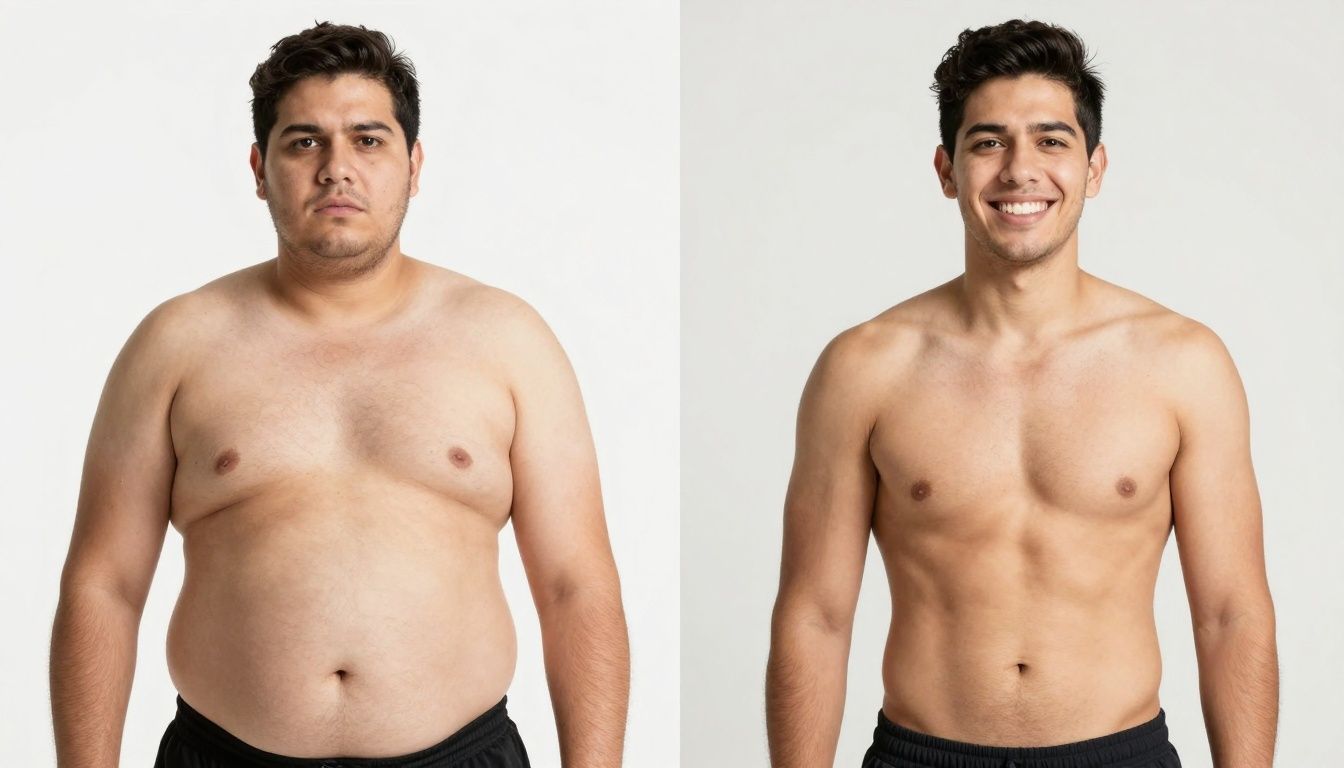
    • Activity Guidance: Finding ways to incorporate physical activity that you can stick with.

    Sometimes, managing weight involves more than just diet and exercise. It can mean looking at medications, understanding hormonal influences, or even considering surgical options. The goal is to find the right mix of strategies for your unique body and lifestyle.

    It’s about making sustainable changes. Think of it as building a healthier lifestyle, step by step, with support along the way. This holistic approach helps ensure that the weight you lose stays off and that you feel your best.

    Dietitians

    White man's weight loss transformation before and after.

    When you’re trying to lose weight, having a dietitian on your team can make a huge difference. These folks are the real deal when it comes to food and how it affects your body. They don’t just tell you to eat less; they help you figure out what to eat, how much, and when, all tailored to you.

    Think of them as your personal food detective. They look at your lifestyle, your health goals, and even your taste preferences to create a meal plan that actually works and that you can stick with. It’s not about deprivation; it’s about making smart choices that fuel your body right.

    Here’s what a dietitian can help you with:

    • Personalized Meal Plans: No more guessing games. They create a plan just for you.

    • Nutritional Education: Learn what foods do for your body and why certain choices are better.

    • Behavior Change Support: They help you build healthier habits around eating.

    • Managing Health Conditions: If you have diabetes or high blood pressure, they can help you eat to manage those too.

    Working with a dietitian is a key step in building a sustainable, healthy relationship with food. They’re there to guide you through the ups and downs, making sure you get the nutrients you need while working towards your weight loss goals. It’s a partnership focused on long-term success, not just a quick fix.

    Behavioral Health Specialists

    When you’re working on losing weight, it’s not just about what you eat or how much you move. There’s a whole mental and emotional side to it, and that’s where behavioral health specialists come in. They’re like the coaches for your mind, helping you figure out why you do the things you do around food and weight.

    These professionals can help you understand things like emotional eating, stress eating, or even just the habits you’ve built up over years. They work with you to develop strategies to cope with cravings, manage stress in healthier ways, and build a more positive relationship with your body and food. It’s about making changes that stick, not just for a week or two, but for the long haul.

    Here are some common areas behavioral health specialists can help with:

    • Identifying triggers for unhealthy eating habits.

    • Developing coping mechanisms for stress and emotional challenges.

    • Building self-esteem and a positive body image.

    • Setting realistic goals and staying motivated.

    • Addressing any underlying mental health concerns that might affect weight management.

    Working with a behavioral health specialist can really make a difference in your weight loss journey. They provide a safe space to talk about your struggles and offer tools to help you overcome mental hurdles that often get in the way of reaching your health goals. It’s a really important piece of the puzzle that sometimes gets overlooked.

    Think of them as your partners in building a stronger mindset to support your physical health goals. They’re trained to help you make lasting changes from the inside out.

    Ready to Start Your Journey?

    So, if you’re in the Oklahoma City area and feeling like you’ve tried everything to lose weight without much luck, remember there are options. Places like Okey Weight Management Clinic and OU Health have teams ready to help figure out a plan that works for you, whether that’s through diet, medication, or other medical approaches. Mercy Clinic Weight and Wellness also offers both surgical and non-surgical paths. It’s about finding the right support to reach your health goals. Don’t hesitate to reach out and see what they can do for you.

    Frequently Asked Questions

    What kind of weight loss help can I find in Oklahoma City?

    In Oklahoma City, you can find several places to help you lose weight. These include clinics like Okey Weight Management Clinic and OU Health Weight Loss & Metabolic Services. They offer different plans, from simple lifestyle changes to medical treatments and even surgery.

    What is bariatric surgery?

    Bariatric surgery is a type of operation that helps people lose weight. It usually works by making your stomach smaller or changing how your body takes in food and calories. It’s often an option for people who are very overweight and haven’t had success with other methods.

    What are semaglutide injections?

    Semaglutide injections are a type of medicine that can help with weight loss. They work by affecting your appetite and how your body uses sugar. Some clinics, like Okey Weight Management Clinic, offer these injections as part of a weight loss plan.

    Who is Dr. Okey Nwokolo?

    Dr. Okey Nwokolo is a doctor who specializes in helping people manage their weight. He is the medical director at Okey Weight Management Clinic and has experience in areas like family medicine and weight loss treatments, including semaglutide injections.

    What is metabolic services?

    Metabolic services focus on how your body processes food and energy. Clinics like OU Health offer these services to help people with weight-related health issues. They look at your body’s needs and create plans that might include diet, exercise, medication, or surgery.

    What kind of professionals work at weight loss centers?

    Weight loss centers often have a team of experts. You might find doctors, dietitians who help with food choices, behavioral health specialists who help with mindset, and physical therapists who guide exercise. This team works together to create a plan just for you.

  • Best Lose Weight Clinics Fat Loss Weight Management Doctors Centers Near Me Boston Massachusetts MA

    Best Lose Weight Clinics Fat Loss Weight Management Doctors Centers Near Me Boston Massachusetts MA

    Finding the right help for weight loss can feel overwhelming. If you’re in Boston, MA, and looking for support, there are several places that focus on helping people manage their weight. These centers often bring together different kinds of medical professionals to create plans that work for you. Whether you’re considering surgery, need help with nutrition, or want a doctor’s guidance, these Weight Loss Clinics Boston can offer a path forward.

    Key Takeaways

    • Boston Specialists Lifestyle and Weight Management Clinic offers personalized plans for individuals with a BMI of 30 or higher, featuring a dedicated team including a dietitian, gastroenterologist, allergist, and pharmacist.

    • BMC Medical Weight Management provides a multidisciplinary approach for obesity, focusing on personalized plans for weight loss and improving metabolic health conditions like diabetes and hypertension.

    • Weight Loss Surgery (Bariatric Surgery) is available at Boston Medical Center, offering various surgical options to help manage weight and related health issues.

    • Medical Nutrition Therapy is a core service, focusing on customized eating plans, behavioral support, and exercise to manage diseases and promote healthy weight.

    • Brigham and Women’s Center for Weight Management and Wellness takes a holistic approach, addressing physical, mental, and emotional aspects of weight loss through surgery, endoscopy, or medically supervised plans.

    Boston Specialists Lifestyle and Weight Management Clinic

    Losing weight can feel like a really tough road, and sometimes it seems like you’re just not getting anywhere. That’s where the Boston Specialists Lifestyle and Weight Management Clinic comes in. They’re all about helping you get to a healthy weight that you can actually keep off for good.

    When you first go, they sit down with you one-on-one to really get to know your health history and what you want to achieve. Then, they put together a plan that’s just for you. It’s not a one-size-fits-all deal here. They have a team that includes a dietitian, a gastroenterologist, an allergist, and a pharmacist. This group works together to create personalized eating plans, figure out the best treatments, and manage any medications you might need.

    They focus on a multidisciplinary approach, meaning different specialists collaborate to support your journey. This team is there to help you not just with the physical side of losing weight, but also the mental and emotional parts, because let’s be honest, that’s a big piece of the puzzle too. They’ll check in regularly to see how you’re doing and are available if you have questions or need to tweak the plan.

    This program is generally for individuals with a Body Mass Index (BMI) of 30 or higher, or those with other health issues related to weight.

    Here’s a quick look at their team structure:

    • Medical Experts: Gastroenterologist, Allergist, Pharmacist

    • Nutrition Specialists: Dietitians

    • Support Staff: Clinicians focused on your overall well-being

    It’s important to remember that weight management is a marathon, not a sprint. The clinic aims to provide the tools and support needed for long-term success, helping you build sustainable habits rather than just quick fixes.

    BMC Medical Weight Management

    Dealing with weight can be tough, and sometimes you need a team to help you through it. That’s where BMC Medical Weight Management comes in. They offer a way to manage weight that looks at the whole picture, not just the number on the scale. It’s a multidisciplinary approach, meaning they bring together different kinds of experts to create a plan that’s just for you.

    This team includes doctors who specialize in obesity, nurse practitioners, dietitians, and even social workers. They work together to figure out what’s going on with your health and how to best help you reach your weight goals. They focus on evidence-based care, meaning they use methods that are proven to work. It’s all about making a personalized plan that considers your specific health needs, like diabetes or high blood pressure, and helps improve those too.

    Here’s a look at what they might include in your plan:

    • Lifestyle Adjustments: This could involve changes to your daily habits, like how you eat and move.

    • Medication Options: Sometimes, certain medications can help with weight loss when combined with other strategies.

    • Surgical Interventions: For some individuals, bariatric surgery might be an option they discuss.

    • Nutritional Guidance: Working with a dietitian to create eating plans that are both healthy and sustainable.

    They believe in a shared decision-making process. This means you’re a partner in creating your weight loss journey, not just a patient receiving instructions. Your input and preferences are important in shaping the plan.

    Getting started usually involves a referral from your primary care doctor. Once they have that, the team at BMC will work with you to set up appointments and get you on the path to better health.

    Brigham and Women’s Center for Weight Management and Wellness

    Losing weight can feel like a really tough road, right? It’s not just about eating less and moving more for everyone. The Brigham and Women’s Center for Weight Management and Wellness gets that. They know that weight is tied up with a lot of things – physical, mental, and emotional. Their whole idea is to get your mind and body working together to hit your goals.

    They offer a few different ways to help you out. You can look into surgery, endoscopy, or medically supervised weight loss plans. They’ll sit down with you and figure out what works best for your specific situation. It’s not a one-size-fits-all deal here.

    What’s cool is they don’t just help you lose the weight; they’re all about making sure you keep it off. That means ongoing help with what you eat and figuring out strategies to stick with it long-term. It’s good to know there are places like Brigham and Women’s Hospital that focus on the whole picture.

    Here’s a quick look at what they focus on:

    • Personalized Plans: Tailored to your unique needs and goals.

    • Multidisciplinary Approach: Addressing physical, mental, and emotional factors.

    • Sustained Success: Focusing on long-term weight maintenance.

    • Various Treatment Options: Including surgery, endoscopy, and medical supervision.

    They understand that everyone’s journey is different and that biology, genetics, and stress can play a big role in how easy or hard it is to lose weight. It’s refreshing to see a center that acknowledges these complexities.

    Weight Loss Surgery (Bariatric Surgery)

    When other methods haven’t quite worked out, weight loss surgery, also known as bariatric surgery, can be a really effective option for some people. It’s not a quick fix, mind you, but it can make a big difference in losing weight and improving health problems that come along with it, like diabetes or high blood pressure.

    Think of it as a tool to help you on your journey. There are different types of procedures, and the best one for you really depends on your specific situation and what your doctor recommends. It’s a big decision, for sure, and it involves more than just the surgery itself. You’ll be working with a team to get ready for it and then to make sure you keep up the healthy habits afterward.

    Here are some common types of bariatric surgery:

    • Gastric Bypass: This procedure changes your digestive system to help you absorb fewer calories.

    • Sleeve Gastrectomy: This involves removing a large part of your stomach, so you eat less.

    • Adjustable Gastric Band: A band is placed around the upper part of your stomach to limit food intake.

    It’s important to remember that surgery is just one part of the process. Success really comes down to making lasting changes to your diet and lifestyle. The medical team will guide you through this, offering support and advice to help you manage your weight long-term.

    Before you even consider surgery, you’ll have a thorough evaluation. This includes talking about your health history, understanding the risks and benefits, and getting a clear picture of what life will be like after the procedure. It’s all about making sure you’re well-prepared for this significant step toward better health.

    Medical Nutrition Therapy

    Medical Nutrition Therapy, or MNT, is a really important part of managing your weight and overall health. It’s not just about telling you what to eat; it’s a whole approach that uses nutrition to help with different health issues. Think of it as a personalized plan tailored just for you, combining specific food recommendations with support to help you make changes stick.

    This therapy involves a few key steps:

    • Nutrition Assessment: A registered dietitian will look at your current eating habits, health history, and any medical conditions you have.

    • Nutrition Diagnosis: Based on the assessment, they’ll identify specific nutrition problems that need addressing.

    • Nutrition Intervention: This is where the customized plan comes in, including dietary changes, meal ideas, and strategies for overcoming challenges.

    • Nutrition Monitoring and Evaluation: Regular check-ins help track your progress and make adjustments to the plan as needed.

    The goal is to use food as a tool for better health, not just for weight loss. It’s about understanding how what you eat affects your body and making informed choices. For example, if you have diabetes, MNT can help you manage your blood sugar through diet. If you’re dealing with digestive issues, a dietitian can help you find foods that are easier to tolerate. It’s a proactive way to manage your health, and it’s something that nutrition experts at places like BIDMC in Boston, MA, can help with, offering both inpatient and outpatient support for various conditions.

    MNT goes beyond simple diet advice. It’s a structured process designed to address specific health needs through targeted nutritional strategies and ongoing support, aiming for sustainable improvements in well-being.

    Medical Weight Management

    Man's weight loss transformation: before and after.

    When you’re looking to manage your weight effectively, medical weight management programs offer a structured and supportive approach. These programs go beyond just diet and exercise, often involving a team of healthcare professionals who understand the complexities of weight loss. They work with you to create a personalized plan that considers your unique health status and lifestyle.

    The goal is sustainable, long-term success, not just a quick fix. This means focusing on building healthy habits that you can maintain over time. It’s about improving your overall health and well-being, not just the number on the scale.

    Here’s what you might expect:

    • Initial Assessment: A thorough review of your medical history, current health conditions, and lifestyle. This helps the team understand your specific needs.

    • Personalized Plan Development: Based on the assessment, a plan is created. This could include dietary changes, exercise recommendations, behavioral strategies, and sometimes medication.

    • Ongoing Support and Monitoring: Regular check-ins with your healthcare team to track progress, make adjustments to the plan, and provide encouragement.

    These programs often address underlying health issues that can affect weight, such as diabetes, high blood pressure, or hormonal imbalances. They aim to improve these conditions alongside weight loss. If you’re struggling to lose weight on your own, a medical weight management program can provide the guidance and tools you need. Many programs offer a physician-led medical weight loss program designed to help you achieve your health goals without surgery or extreme dieting [8546].

    It’s important to remember that obesity is a complex condition, and seeking professional help is a sign of strength. A medical team can offer evidence-based strategies and compassionate care to support you on your journey.

    Malnutrition and Nutrition Support

    Sometimes, weight management isn’t just about losing extra pounds; it’s also about making sure your body is getting the right fuel, even when eating is tough. This is where malnutrition and nutrition support come in. It’s a specialized area that helps people who have trouble eating enough or absorbing the nutrients they need, often due to medical conditions or treatments.

    Our team includes skilled physicians, dietitians, and nurse practitioners who are ready to help. They look closely at patients facing challenges with eating or conditions affecting how their body takes in nutrients. This isn’t a one-size-fits-all approach; it’s about figuring out what your body needs.

    Here’s what this support might involve:

    • Assessment: A thorough check of your current nutritional status and any issues affecting your intake.

    • Personalized Plans: Creating specific eating strategies tailored to your health needs and preferences.

    • Monitoring: Regular follow-ups to track your progress and make adjustments as needed.

    • Specialized Feeding: Guidance on options like tube feeding (enteral nutrition) or intravenous feeding (TPN) when necessary.

    Dealing with malnutrition can be draining, both physically and mentally. Getting the right support means your body can heal, function better, and you can feel stronger. It’s a vital part of overall health, especially when you’re also working on weight management.

    It’s about making sure your body has the building blocks it needs to function, recover, and thrive, no matter the challenges.

    Free Virtual Patient Orientation Session

    Starting your weight management journey can feel like a big step, and we want to make sure you have all the information you need right from the beginning. That’s why we offer a free virtual patient orientation session. This isn’t just a quick overview; it’s your first real introduction to how we approach weight management here.

    During this session, one of our registered dietitians will guide you through some practical eating strategies. The goal is to help you build habits that you can actually stick with long-term, making sustainable lifestyle changes feel less like a chore and more like a natural part of your day. We focus on realistic approaches, not quick fixes.

    Here’s what you can generally expect:

    • An introduction to the clinic’s philosophy on weight management.

    • Guidance on foundational eating principles for healthier choices.

    • Information on how to prepare for your individual appointments.

    • An overview of the support systems available to you.

    This session is designed to set you up for success before you even have your one-on-one appointments. It’s a chance to ask general questions in a group setting and get a feel for the supportive environment we’ve created. After this orientation, you’ll meet with an obesity medicine specialist and a dietitian individually. They’ll look at your specific health needs, any medical issues you might have, and your personal lifestyle to create a plan that’s just for you. Think of it as building the blueprint for your personal weight management plan.

    Research Overview

    Weight loss clinic interior with natural light and comfortable seating.

    Our team is actively involved in research, looking into areas like obesity and fatty liver disease, as well as new treatments for short bowel syndrome. We often have opportunities for patients to get involved in clinical trials if they’re interested. Participating in research can provide unique insights and access to cutting-edge therapies.

    We believe that staying at the forefront of medical advancements is key to offering the best possible care. This dedication to research helps us understand complex conditions better and develop more effective strategies for weight management.

    Here are some of the areas our research focuses on:

    • Obesity and its related conditions

    • Fatty liver disease

    • Therapies for short bowel syndrome

    • Developing new approaches to patient care

    Staying informed about the latest findings allows us to adapt and improve the services we provide, ensuring our patients benefit from the most current knowledge in the field. This continuous learning is a core part of our commitment to your health journey.

    Education and Training

    For those looking to advance their careers in obesity medicine and clinical nutrition, specialized training programs are available right here in Boston. These programs focus on evidence-based practices and offer a deep dive into the multifaceted management of obesity. You’ll get hands-on experience with lifestyle therapies, learn about using medications to aid weight loss, and gain skills in assessing and managing patients before and after bariatric surgery.

    Beyond surgical and pharmacological approaches, the training also covers crucial aspects of nutrition support. This includes managing malnutrition and providing care through both enteral (tube feeding) and parenteral (IV feeding) nutrition. It’s a comprehensive year-long fellowship designed to prepare medical professionals for the complexities of weight management.

    Key areas covered in these training programs often include:

    • Obesity medicine principles

    • Clinical nutrition support techniques

    • Pharmacotherapy for weight loss

    • Pre- and post-operative bariatric surgery care

    • Management of malnutrition

    • Enteral and parenteral nutrition

    The goal of these educational initiatives is to equip healthcare providers with the knowledge and practical skills needed to offer effective, compassionate, and personalized care to individuals struggling with weight-related health issues. It’s about building a strong foundation for a career dedicated to improving patient outcomes.

    These programs are a great way to gain specialized expertise in a growing field. The focus is on preparing the next generation of specialists to tackle the challenges of obesity and related nutritional disorders.

    Ready to Start Your Weight Loss Journey?

    Losing weight can feel like a big challenge, but you don’t have to go through it alone. Boston has several clinics and doctors ready to help you create a plan that works for you. Whether you’re looking at lifestyle changes, medical support, or even surgery, there’s a team here that understands. They focus on making a plan just for you and sticking with you as you work towards your health goals. Reaching a healthy weight is possible, and finding the right support in Boston can make all the difference.

    Frequently Asked Questions

    What is a Body Mass Index (BMI) and why is it important for weight loss programs?

    BMI is a way to figure out if your weight is healthy for your height. A BMI of 30 or higher often means a person could benefit from a weight loss program. It helps doctors understand if extra weight might be causing health problems.

    What kind of specialists work at these weight loss centers?

    These centers have different kinds of experts like doctors, dietitians (nutrition experts), and pharmacists. They all work together to create a plan that’s just right for you, considering your health and what you want to achieve.

    Can I get weight loss surgery at these clinics?

    Yes, some centers offer weight loss surgery, also known as bariatric surgery. This can be a big step to help lose weight and manage health issues related to weight, and the doctors will help you find the best option for you.

    What is Medical Nutrition Therapy (MNT)?

    MNT is more than just telling you what to eat. It’s a special way of using food and nutrition to help manage health problems. It includes creating custom eating plans, offering support for changes you need to make, and sometimes suggesting exercise.

    Do I need a doctor’s referral to join a weight loss program?

    Often, yes. Most programs require a referral from your main doctor. They’ll send over your health information so the weight loss team knows your medical background and can create the best plan for you.

    Are there online or virtual options available for weight loss programs?

    Many places offer virtual meetings or classes to start. This might be a group session to learn about healthy eating habits. After that, you’ll usually meet with specialists one-on-one to create your personal plan.

  • Best Lose Weight Clinics Fat Loss Weight Management Doctors Centers Near Me Albuquerque New Mexico NM

    Best Lose Weight Clinics Fat Loss Weight Management Doctors Centers Near Me Albuquerque New Mexico NM

    Thinking about shedding some pounds in Albuquerque, New Mexico? It can feel like a big task, but there are places right here in town that can help. We’re talking about Weight Loss Clinics Albuquerque that offer different ways to get you to your goal. Whether you’re looking for a doctor’s advice, special treatments, or just some guidance on eating better and moving more, there are options available. Let’s check out what these local clinics have to offer.

    Key Takeaways

    • Weight Loss Clinics Albuquerque provide personalized plans for losing weight.

    • Medical professionals offer supervision and advanced treatments like injections and appetite suppressants.

    • Doctors and nurse midwives help with guidance, consultations, and body composition analysis.

    • Focus is on sustainable fat reduction, building muscle, and improving overall health.

    • Centers offer convenient locations, online scheduling, and serve surrounding areas.

    Comprehensive Weight Loss Clinics Albuquerque

    Finding the right weight loss clinic in Albuquerque can make all the difference when you’re trying to shed pounds and improve your health. These centers are designed to give you the support and tools you need, moving beyond generic advice to create plans that actually fit your life. It’s about more than just the number on the scale; it’s about building healthier habits that stick.

    Personalized Weight Management Programs

    Forget one-size-fits-all approaches. The best clinics in Albuquerque understand that everyone’s body and lifestyle are different. They start by getting to know you – your habits, your health history, and what you’ve tried before. Based on this, they’ll help put together a plan that feels doable. This might involve changes to what you eat, how you move, and sometimes, medical support.

    Medical Supervision for Fat Loss

    When you’re working with a clinic, you’re not alone. Medical professionals are there to guide you. This means they can keep an eye on your health as you lose weight, making sure it’s happening safely. They can also help figure out if there are any underlying health issues that might be making weight loss harder. Having this medical backup is a big deal, especially if you have other health concerns.

    Nutritional Guidance and Exercise Recommendations

    This is where the rubber meets the road. You’ll get practical advice on what to eat and how to get active. It’s not about starving yourself or running marathons if that’s not your thing. Instead, it’s about learning how to fuel your body with good food and finding ways to move that you actually enjoy. Think of it as learning a new way to live, not just a temporary diet.

    The journey to a healthier weight often involves understanding how your body works and what it needs. Clinics provide a structured environment to learn these things, making the process less overwhelming and more effective. They focus on sustainable changes rather than quick fixes.

    Here’s a look at what a typical program might involve:

    • Initial Assessment: This usually includes a review of your health history, lifestyle, and sometimes body composition analysis.

    • Customized Plan: Development of a diet and exercise strategy tailored to your specific needs and goals.

    • Ongoing Support: Regular check-ins with healthcare providers to monitor progress and make adjustments.

    • Educational Resources: Learning about nutrition, exercise, and behavioral strategies for long-term success.

    Advanced Fat Loss Treatments in Albuquerque

    Prescription Appetite Suppressants

    Sometimes, managing your weight means getting a little help to control those persistent hunger pangs and cravings. Prescription appetite suppressants can be a useful tool when used under medical supervision. These medications work by affecting certain chemicals in your brain that regulate appetite, helping you feel fuller for longer and reducing the urge to overeat. They are most effective when combined with lifestyle changes like a healthy diet and regular exercise. It’s not about a magic pill, but rather a way to make sticking to your plan more manageable, especially in the initial stages of weight loss. We can discuss if this is a suitable option for your specific needs.

    Semaglutide and Tirzepatide Injections

    Newer treatments like Semaglutide and Tirzepatide injections have gained a lot of attention for their effectiveness in weight management. These medications mimic hormones that signal fullness to your brain, significantly reducing appetite and helping you eat less. They are typically administered as a weekly injection. Many people find these injections help them overcome stubborn weight plateaus and achieve significant fat loss when integrated into a broader wellness plan. It’s important to have these administered and monitored by a healthcare professional to ensure safety and optimal results. You can find these treatments at clinics offering weight loss injections.

    Custom Formulated Amino Acid Suppressants

    Beyond traditional prescriptions, some clinics offer custom-formulated amino acid suppressants. These blends are designed to support your body’s natural processes involved in appetite control and metabolism. Amino acids are the building blocks of protein and play many roles in the body, including hormone production and energy regulation. By providing specific amino acids, these formulations aim to help reduce cravings and support fat metabolism. They can be a good option for those looking for a more natural approach to appetite management as part of their weight loss journey.

    Expert Weight Management Doctors Albuquerque

    Red-headed woman's weight loss before and after transformation.

    Consultations with Certified Nurse Midwives

    Sometimes, you might find that a Certified Nurse Midwife (CNM) is a key part of your weight management journey. These healthcare professionals bring a unique perspective, often with a strong background in women’s health, nutrition, and fitness. They can help you understand how your body works and create a plan that fits your life. For instance, Eunice Baca Pino, CNM, has years of experience and has even trained with the Obesity Medical Association. She helps people in Albuquerque set and reach their weight goals, whether it’s shedding a few pounds or a more significant amount. It’s about feeling your best, and a CNM can guide you there.

    Guidance from Medical Doctors Specializing in Obesity

    When you’re serious about losing weight, working with a doctor who specializes in obesity can make a big difference. These medical doctors understand the complexities of weight and health. They can look at your overall health picture, including any existing conditions like diabetes or high blood pressure, and adjust your treatment plan as you progress. Dr. Mark J. Holland, for example, offers medical weight loss programs in Albuquerque. They can help you figure out the best approach, which might include diet, exercise, and sometimes medication. The goal is to lose fat, not just weight, and to do it safely.

    Body Composition Analysis for Health Insights

    It’s not just about the number on the scale, you know? Body composition analysis looks at what your weight is actually made of – like muscle, fat, and water. Understanding this can give you a clearer picture of your health. When you’re trying to lose weight, you want to lose fat while keeping your muscle. Doctors and clinics in Albuquerque use this analysis to make sure your weight loss plan is working effectively and improving your overall health. It helps them tailor your program, ensuring you’re on the right track to a healthier you, not just a lighter one.

    Achieve Your Weight Goals in Albuquerque

    Albuquerque residents achieving weight goals with healthy lifestyles.

    Reaching your weight goals isn’t just about the number on the scale; it’s about building a healthier, more energetic you. It takes a solid plan and the right support to make lasting changes. We’re here to help you figure out the best way forward, focusing on sustainable strategies that fit your life.

    Strategies for Sustainable Fat Reduction

    Losing weight and keeping it off is a marathon, not a sprint. It’s about making smart choices day in and day out. This means finding a way of eating that you can stick with long-term, not just a quick fix. Think about incorporating more whole foods, like fruits, vegetables, and lean proteins, into your meals. Regular physical activity is also key, but it doesn’t have to mean hours at the gym. Finding activities you actually enjoy, whether it’s walking, dancing, or hiking in the Sandia Mountains, makes a huge difference.

    Building Muscle Mass for Metabolism

    When you’re trying to lose weight, building muscle is a secret weapon. Muscle tissue burns more calories at rest than fat tissue does. So, the more muscle you have, the more your body works for you, even when you’re just sitting around. This is where strength training comes in. It doesn’t mean you have to become a bodybuilder; simple exercises using weights, resistance bands, or even your own body weight can help. Focusing on compound movements that work multiple muscle groups at once is a great way to get the most bang for your buck.

    Improving Overall Health and Well-being

    Ultimately, the goal of any weight management plan is to improve your overall health and how you feel. Losing even a small percentage of your body weight can have significant positive effects on your health markers, like blood pressure and blood sugar levels. It can also boost your energy, improve your mood, and increase your confidence. It’s about feeling better in your own skin and having the vitality to enjoy life. If you’re ready to take the next step, consider exploring options for personalized weight management programs designed to help you reach your desired outcomes.

    Weight Loss Centers Near You in Albuquerque

    Finding the right place to help you shed those extra pounds can feel like a big task, but luckily, Albuquerque has several spots ready to help. These centers are set up to make your journey easier, whether you’re just starting out or have tried before. They understand that everyone’s body is different, so they focus on giving you personalized plans that actually fit your life.

    Convenient Clinic Locations

    It’s always a plus when you don’t have to travel too far for appointments. Many weight loss centers in Albuquerque are located in easy-to-reach areas, often with ample parking. Some even have multiple offices, like the FIT Medical Weight Loss Clinic which serves not only Albuquerque but also nearby areas like Rio Rancho and Bernalillo. This makes it simpler to fit appointments into your busy schedule without adding a long commute.

    Online Appointment Scheduling

    Forget playing phone tag. Most modern clinics now let you book your appointments right from your computer or phone. You can often see available times and pick what works best for you, 24/7. For example, FIT Medical Weight Loss Clinic mentions you can click a link to set up your appointment online. This kind of convenience really cuts down on hassle and helps you stay on track.

    Serving Surrounding Areas

    If you live just outside the main city, don’t worry. Many Albuquerque-based weight loss centers extend their services to surrounding communities. Places like Rio Rancho, Bernalillo, and even Santa Fe can access the specialized programs offered in Albuquerque. This means you don’t have to be right in the city center to get professional help with your weight management goals. It’s all about making these services accessible to more people who need them.

    Understanding Weight Loss and Health

    Health Risks Associated with Excess Weight

    Carrying extra weight isn’t just about how you look; it can really impact your health. It puts a strain on your body and can lead to a bunch of health problems down the road. Think about things like heart disease, high blood pressure, and type 2 diabetes. It can also mess with your cholesterol levels and even lead to issues like arthritis and gallbladder problems. Basically, your body is working overtime when it’s carrying too much. The good news is that even a small amount of weight loss can make a big difference.

    Benefits of Losing 5-10% Body Weight

    Losing even a modest amount of weight, like 5 to 10 percent of your total body weight, can bring about significant positive changes. You might notice improvements in your blood pressure, better blood sugar control, and healthier cholesterol numbers. It’s not about drastic changes overnight; it’s about making steady progress that benefits your body. This can lead to:

    • Reduced strain on your joints

    • Increased energy levels throughout the day

    • Improved sleep quality

    • Better overall mood and self-esteem

    Reversing Weight-Related Conditions

    Sometimes, losing weight can do more than just improve your health markers; it can actually help reverse certain conditions. For people dealing with issues like type 2 diabetes or high blood pressure, achieving a healthier weight can mean a reduced need for medication, and in some cases, the condition can be managed or even put into remission. It’s a powerful reminder of how much control we can have over our health through lifestyle changes and proper medical support. Focusing on losing fat rather than just weight is key here, as it directly addresses the underlying issues contributing to these health problems.

    When you’re looking at weight loss, it’s helpful to think beyond just the number on the scale. Body composition, which looks at your fat versus muscle mass, gives a clearer picture of your health. The goal is usually to lose excess fat while keeping your muscle. This is where professional guidance really comes in handy, helping you achieve results that are good for your body long-term.

    Ready to Take the Next Step?

    So, if you’re in Albuquerque and looking to shed some pounds or just get a better handle on your weight, there are definitely options out there. From clinics offering prescription help and injections to places focusing on nutrition and personalized plans, it seems like you can find a good fit. Remember, it’s not just about the number on the scale, but about feeling healthier overall. Taking that first step to talk to a doctor or a weight management specialist is probably the best move you can make. They can help figure out what works best for you and your body.

    Frequently Asked Questions

    What kind of weight loss programs are available in Albuquerque?

    In Albuquerque, you can find programs that offer custom plans. These often include things like special medicines to help you feel less hungry, advice on eating healthy foods, and tips for exercising. Some places even offer weekly shots to help with weight loss. The goal is to help you lose weight safely and feel better.

    Can doctors help me lose weight?

    Yes, doctors and other health experts can definitely help! They can check your body’s makeup, like how much fat and muscle you have, and create a plan just for you. They’ll guide you on what to eat and how to move your body to lose weight and get healthier. They also watch over you to make sure you’re losing weight the right way.

    Are there special medicines to help with weight loss?

    Some clinics offer prescription medicines that can help control your appetite, meaning they make you feel less hungry. There are also newer options like weekly injections, such as Semaglutide and Tirzepatide, that are designed to help you lose weight. Some places also have special vitamin shots to help with appetite control.

    Why is losing weight important for my health?

    Carrying extra weight can lead to serious health problems like heart disease, high blood pressure, and diabetes. Losing even a small amount of weight, like 5-10% of your body weight, can make a big difference in improving your health and lowering your risk for these issues. Sometimes, losing weight can even help reverse certain health conditions.

    How do I find a weight loss center near me in Albuquerque?

    You can find weight loss centers in Albuquerque by searching online for ‘weight loss clinics near me’ or ‘weight management doctors Albuquerque NM.’ Many clinics have websites where you can learn about their services and even schedule appointments online. Some centers also serve nearby towns like Rio Rancho and Bernalillo.

    What is body composition analysis and why is it useful?

    Body composition analysis looks at more than just your weight on the scale. It tells you how much of your body is fat and how much is muscle. This is important because when you lose weight, you want to lose fat, not muscle. Knowing your body composition helps doctors create a plan that helps you lose fat and build muscle, which is better for your overall health and metabolism.

  • Best Lose Weight Clinics Fat Loss Weight Management Doctors Centers Near Me Las Vegas Nevada NV

    Best Lose Weight Clinics Fat Loss Weight Management Doctors Centers Near Me Las Vegas Nevada NV

    Finding the right help for weight loss can feel like a maze, right? Especially when you’re looking around Las Vegas and Henderson, NV. There are so many options, from new medications to programs that have been around for a while. We’re going to break down some of the common approaches and what you might expect when you decide to take that step towards a healthier you. It’s not always easy, but knowing what’s out there makes a big difference.

    Key Takeaways

    • Weight loss programs often use medications like Semaglutide and Tirzepatide, which help you feel fuller and can lead to significant weight loss.

    • Medical weight loss programs are supervised by doctors and include things like injections, medication, and regular monitoring.

    • There are different program lengths, like 1-month or 2-month options, that include medication and check-ups.

    • Body sculpting options, such as SculpSure, offer non-surgical ways to reduce stubborn fat pockets.

    • Specialized programs exist for different age groups, including an Adolescent Weight Management program for younger individuals.

    1. Semaglutide And Tirzepatide Weight Loss Management

    Losing weight can feel like a constant uphill battle, right? You try different diets, hit the gym, and sometimes, the scale just doesn’t budge. That’s where newer medical treatments like Semaglutide and Tirzepatide come into play. These medications, originally developed for type 2 diabetes, have shown some pretty impressive results for weight management.

    So, how do they work? Basically, they mimic hormones that tell your brain you’re full. This means you feel satisfied with less food, and it helps slow down digestion. The result is often a significant reduction in calorie intake, leading to noticeable weight loss. It’s not magic, though; these treatments work best when you combine them with healthy eating habits and regular physical activity. Think of them as powerful tools to help you reach your goals faster.

    Here’s a quick look at what makes them stand out:

    • Appetite Control: They help you feel fuller for longer, reducing cravings.

    • Metabolic Health: Beyond weight loss, they can improve blood sugar control.

    • Sustained Results: When used consistently with lifestyle changes, they support long-term weight maintenance.

    It’s important to remember that these are prescription medications. Not everyone is a good candidate, and they do require a doctor’s supervision. Factors like your BMI, previous weight loss attempts, and overall health history are considered. If you’ve struggled with traditional methods, exploring options like Semaglutide treatments might be a good next step.

    Some people experience mild side effects, like nausea, especially when starting. Your doctor will likely adjust the dosage gradually to help minimize these. Patience is key, as results can vary. While some might see changes in a few weeks, significant effects often take a month or two. It’s all about finding what works for your body and sticking with a plan.

    Using these medications is a serious decision that should be made with a healthcare professional. They can assess your individual needs and guide you through the process safely.

    2. Medical Weight Loss Program

    A medical weight loss program is a structured approach to shedding pounds that’s overseen by healthcare professionals. It’s not just about telling you to eat less and move more; it’s a personalized plan designed around your specific health needs and body. Think of it as getting a custom-tailored suit versus buying one off the rack – much more likely to fit perfectly and achieve the desired results.

    These programs often incorporate several key components to help you reach your goals safely and effectively. The core idea is to combine medical expertise with lifestyle changes for sustainable success.

    Here’s what you might typically find in a medical weight loss program:

    • Medical Assessment: This usually starts with a thorough check-up, including blood work and possibly an EKG, to understand your current health status and identify any underlying issues that might affect your weight or the best approach for you.

    • Personalized Nutrition Plan: Forget generic diet advice. You’ll get a diet plan created just for you, considering your preferences, lifestyle, and any dietary restrictions.

    • Behavior Modification Strategies: It’s not just about food; it’s about habits. You’ll learn how to change behaviors that might be contributing to weight gain.

    • Exercise Guidance: A plan for physical activity will be developed, tailored to your fitness level and any physical limitations.

    • Medication Options: In some cases, FDA-approved medications might be prescribed to help manage appetite, boost metabolism, or address other factors. This is where things like Semaglutide or Tirzepatide come into play, but only under strict medical supervision.

    • Ongoing Monitoring: Regular check-ins with your doctor or a weight loss specialist are vital. They’ll track your progress, adjust the plan as needed, and provide support.

    Unlike commercial diet plans that might offer a one-size-fits-all solution, a medical program is built on scientific principles and tailored to your individual physiology. This makes it a much more robust and often more successful path for long-term weight management.

    These programs are particularly helpful if you have tried other methods without success or if you have health conditions like diabetes, high blood pressure, or sleep apnea that are linked to your weight. It’s about creating a healthier you, not just a lighter you. If you’re looking for a more structured and medically sound way to lose weight, exploring options at a Surgical Weight Control Center or similar facility could be a great next step.

    3. 1-Month Weight Loss Program

    Looking for a quick start on your weight loss journey? A one-month program can be a great way to kick things off. This focused approach is designed to give you a solid foundation and noticeable results in a short period. It typically includes an initial consultation with a medical professional to assess your health and set realistic goals. You’ll likely receive a prescription for weight loss medication, which could be something like Semaglutide or Tirzepatide, depending on your needs.

    Beyond the medication, expect a plan that guides your eating habits. This isn’t about drastic starvation diets; it’s more about learning to make better food choices. You might get a personalized meal plan or at least some solid advice on what to eat and what to avoid. Some programs also include injections, often referred to as ‘diet shots,’ which can help boost your metabolism or manage hunger.

    Here’s a general idea of what you might get in a 1-month program:

    • Initial Medical Consultation: A thorough check-up to make sure the program is right for you.

    • Medication Prescription: Access to FDA-approved weight loss drugs.

    • Dietary Guidance: Advice or a plan for healthier eating.

    • Supportive Injections: Such as B12 or other ‘diet shots’ to aid your progress.

    • Regular Monitoring: Weekly weigh-ins and vital sign checks to track your success.

    It’s important to remember that while a month is a good start, sustainable weight loss is a marathon, not a sprint. This program is about building momentum and learning habits that you can carry forward. You’ll work closely with your doctor to monitor your progress and make any necessary adjustments. The key is consistency and following the plan provided.

    A one-month program can provide a significant initial push, helping you see changes and feel more motivated. It’s a structured way to begin making healthier choices with medical support. Remember to discuss any concerns or side effects with your healthcare provider promptly.

    4. 2-Month Weight Loss Program

    Thinking about a two-month commitment to kickstart your weight loss journey? This program is designed to give you a solid foundation and noticeable results over an eight-week period. It typically includes two months of prescribed medication, an initial consultation and physical exam, and an EKG to make sure everything is on track. You’ll also receive your diet shots throughout this time.

    One of the great things about this program is the flexibility it offers. You can come in for weekly weigh-ins without needing a scheduled appointment. These visits are important because they allow us to monitor your vitals and track your progress closely. It’s all about keeping you supported and accountable.

    This structured approach helps build momentum and establish healthier habits.

    Here’s a general idea of what you can expect:

    • Initial Assessment: A thorough check-up to understand your health status and set realistic goals.

    • Medication & Injections: Regular access to prescribed medications and diet shots to aid your weight loss.

    • Regular Monitoring: Weekly check-ins to track weight, vitals, and discuss any challenges or successes.

    • Nutritional Guidance: Advice on making better food choices to complement your treatment.

    Committing to a two-month program can make a significant difference. It’s long enough to see real changes and start feeling more energetic, but not so long that it feels overwhelming. The consistent support and medical oversight are key to making it work for you. Remember, this is part of a larger effort to achieve real results with a personalized weight loss program in Las Vegas.

    It’s important to remember that while the medication plays a role, your lifestyle choices are just as vital. Combining this program with a balanced diet and regular physical activity will maximize your success. Think of it as a powerful tool to help you get started on the right path.

    5. SculpSure Body Sculpting Club

    SculpSure body sculpting treatment room with patient.

    Looking for a way to tackle those stubborn pockets of fat without surgery? SculpSure might be something to check out. It’s a body contouring treatment that uses laser heat to target and destroy fat cells under your skin. The neat part is that it’s non-invasive, meaning no needles or cutting, and most people don’t find it painful.

    Here’s a quick rundown of how it works:

    • Targeted Fat Cell Destruction: The laser energy penetrates the skin to reach the fat cells.

    • Natural Elimination: Your body then naturally flushes out the destroyed fat cells over time.

    • Skin Safety: The technology is designed to heat the fat cells without harming the outer layer of your skin.

    The goal is to eliminate unwanted fat cells, and each session can destroy up to 24 percent of fat cells in the treated area. It’s a pretty straightforward process, and many find it a good option for refining their shape. If you’re interested in non-surgical fat reduction, this could be a good fit. You can find more details about similar procedures at AirSculpt in Las Vegas.

    SculpSure offers a way to address localized fat deposits that are resistant to diet and exercise. It’s a popular choice for individuals seeking a less invasive approach to body contouring.

    6. Adolescent Weight Management Program

    It’s tough when kids and teens struggle with their weight. It’s not just about the physical side of things; it can really affect how they feel about themselves and their social lives. That’s why having a program specifically designed for younger people is so important.

    Our Adolescent Weight Management Program is built to help young individuals navigate the challenges of weight and health in a way that makes sense for their age. We know that what works for adults doesn’t always work for teenagers. This program focuses on building healthy habits that can last a lifetime, not just quick fixes. We work with adolescents to understand their unique needs, considering their growth, development, and the pressures they face.

    What does this program involve?

    • Personalized Nutrition Guidance: We help teens and their families create balanced eating plans that are realistic and enjoyable, focusing on foods that support growth and energy levels.

    • Activity Support: Encouraging physical activity that teens actually like doing, whether it’s sports, dancing, or just being active with friends.

    • Behavioral Support: Addressing the emotional and social aspects of weight management, helping teens build confidence and coping skills.

    • Medical Oversight: Our team includes medical professionals who can monitor progress and ensure that any changes are healthy and safe for a growing body.

    We understand that parents are looking for support too. We aim to provide a supportive environment where teens feel heard and understood. It’s about more than just the number on the scale; it’s about helping them develop a positive relationship with food and their bodies.

    We recognize that adolescence is a critical time for developing lifelong health patterns. Our approach is gentle, educational, and always puts the teen’s well-being first, working collaboratively with families to achieve sustainable health goals.

    7. Weight Loss Management In Henderson, NV

    Finding effective weight loss solutions in Henderson, Nevada, can feel like a big task, but there are dedicated medical professionals ready to help. Many people try dieting, but studies show that most of the weight lost often comes back. That’s where medical weight loss programs come in, offering a more structured and supported approach.

    These programs often use a combination of strategies tailored to your individual needs. It’s not just about a quick fix; it’s about building healthier habits for the long run. The goal is sustainable weight management, not just temporary results.

    Here’s what you might find in a Henderson weight loss management program:

    • Medical Supervision: Working with doctors and specialists who understand the science behind weight loss.

    • Medication Options: Utilizing FDA-approved medications like Semaglutide or Tirzepatide, which can help manage appetite and slow digestion, making it easier to stick to a plan.

    • Personalized Plans: Developing strategies that include diet, exercise, and behavioral changes specific to your lifestyle and health.

    • Ongoing Support: Regular check-ins to monitor progress, adjust treatments, and provide encouragement.

    It’s important to remember that weight loss is a personal journey. What works for one person might not work for another. A good program will take your unique health status and goals into account, providing guidance and support every step of the way. Don’t hesitate to ask questions and communicate openly with your healthcare provider about your experience.

    If you’re in Henderson and looking for a more structured way to manage your weight, exploring these medically supervised options could be a great next step. They offer a path toward achieving your health goals with professional guidance.

    8. Weight Loss In Las Vegas And Henderson, NV

    Finding effective weight loss solutions in the Las Vegas and Henderson areas can feel like a big task, but there are dedicated medical professionals ready to help. Many people try diets, spend money on products, and then find the weight creeps back on. It’s a common story, and it’s frustrating.

    The good news is that medical weight loss programs are changing the game. These programs often use advanced medications like Semaglutide and Tirzepatide, which are designed to help manage appetite and promote a feeling of fullness. This isn’t just about quick fixes; it’s about creating a sustainable path to a healthier weight.

    Here’s what you might find when seeking help in these areas:

    • Medically Supervised Programs: Look for clinics led by doctors, especially those specializing in obesity medicine. They can create plans tailored to your individual needs, ensuring safety and effectiveness.

    • Medication Options: Semaglutide and Tirzepatide are popular choices. They work by mimicking hormones that regulate appetite and digestion, helping you feel satisfied with less food.

    • Personalized Support: Beyond medication, these programs often include regular check-ins with healthcare providers to monitor your progress, adjust dosages if needed, and offer guidance.

    • Telemedicine Availability: For those with busy schedules or who prefer to stay home, many clinics offer remote consultations, making it easier to stay on track.

    It’s important to remember that these treatments are most effective when combined with healthy lifestyle choices, like a balanced diet and regular physical activity. The goal is not just to lose weight, but to keep it off and improve your overall health.

    The journey to weight loss is personal, and having a supportive medical team in Las Vegas or Henderson can make all the difference. They can provide the tools and guidance needed to achieve your goals.

    9. Henderson Weight Loss | Semaglutide FAQs

    Best Lose Weight Clinics Fat Loss Weight Management Doctors Centers Near Me Las Vegas Nevada NV

    Thinking about Semaglutide for weight loss in Henderson, NV? It’s a common question, and we’re here to break down some of the most frequent inquiries. Many people wonder about the initial side effects, and it’s true, some might experience things like nausea or constipation when they first start. Usually, these are mild and fade as your body gets used to the medication. Your doctor will likely start you on a low dose and slowly increase it to help manage this.

    How much weight can you expect to lose? While results vary, patients often see a loss of 5%-15% of their body weight within the first 90 days. Remember, this isn’t a magic bullet; it works best when paired with healthy eating and regular movement.

    Here are some common questions and what to expect:

    • What are the main benefits? Beyond the number on the scale, Semaglutide can help you feel fuller longer, which naturally leads to eating less. It also has positive effects on your metabolic health.

    • How long does it take to see results? You might notice changes within the first few weeks, but more significant results typically appear after one to two months. Patience is key.

    • Can I still eat what I want? While you can enjoy foods like pizza in moderation, it’s important to be mindful. High-sugar foods, in particular, can cause uncomfortable side effects and interfere with the medication’s effectiveness. Focusing on a balanced diet is crucial for long-term success.

    It’s important to remember that everyone’s journey is unique. Open communication with your healthcare provider is the best way to ensure Semaglutide is the right choice for you and that you’re getting the most out of your weight loss management plan.

    10. What Is Tirzepatide?

    So, what exactly is Tirzepatide? It’s a newer medication that’s been getting a lot of attention for its role in weight management, and it was originally developed to help manage type 2 diabetes. Think of it as a dual-action drug. It works by mimicking two natural hormones in your body: GLP-1 and GIP. These hormones play a part in regulating blood sugar and appetite.

    When you take Tirzepatide, it helps slow down how quickly your stomach empties, which makes you feel fuller for longer. This feeling of fullness, or satiety, can really help cut down on how much you eat throughout the day. It’s a pretty significant development in the world of weight loss treatments.

    Here’s a quick look at how it works:

    • Appetite Regulation: It influences the parts of your brain that control hunger.

    • Satiety: It helps you feel satisfied with smaller amounts of food.

    • Blood Sugar Control: It also aids in managing insulin secretion, which is beneficial for those with type 2 diabetes.

    Many people find that combining Tirzepatide with lifestyle changes, like a healthier diet and regular exercise, leads to the best results. It’s not a magic pill, but it can be a powerful tool when used correctly. If you’re considering it, it’s important to talk to your doctor to see if it’s the right fit for your specific health needs and goals. They can help you understand the potential benefits and any risks involved. You can find more information about how Tirzepatide aids in weight loss by understanding its effects.

    It’s important to remember that while Tirzepatide can be very effective, it’s usually prescribed as part of a broader weight management plan. This often includes dietary adjustments and increased physical activity to support long-term success.

    Ready to Take the Next Step?

    So, if you’re in Las Vegas or Henderson and feeling like you’ve tried everything to manage your weight without the results you want, it might be time to look into professional help. There are doctors and clinics right here in Nevada that focus specifically on weight loss, using medical approaches that can make a real difference. They understand that it’s not just about willpower; it’s about finding a plan that works for your body and your life. Don’t go it alone. Reaching out to one of these centers could be the key to finally achieving your health goals and feeling better overall. Give them a call or check out their websites to see what they offer.

    Frequently Asked Questions

    Do you take insurance for weight loss programs?

    Yes, we work with many insurance companies like Aetna, Hometown Health, and Friday Health. We also accept specific plans for places like MGM Resorts and the Nevada Public Employees Benefit Plan. If your insurance doesn’t cover it, we have other payment options available.

    Can I see a doctor online?

    Absolutely! We know it’s important to be flexible. You can have appointments online through Telemedicine, or you can visit us in person at our offices in Las Vegas (Summerlin & Henderson) and Reno.

    Are doctors in charge of this program?

    Yes, this program is run by doctors who specialize in obesity medicine. Our main doctor has almost 20 years of experience, so your weight loss plan will be safe, work well, and be based on science.

    Do you have weight loss help for kids or teenagers?

    Yes, we have a special program for teenagers. We know that weight can be a challenge for young people, so our specialists help teens learn about good food and healthy habits in a way that’s right for their age.

    What is Semaglutide?

    Semaglutide is a medicine that helps with weight loss. It works by making you feel fuller for longer, which means you eat less and take in fewer calories. It also helps slow down how fast your stomach empties.

    What is Tirzepatide?

    Tirzepatide is a newer medicine that was first used for type 2 diabetes. It helps manage weight by acting like two hormones that control appetite and blood sugar. It helps slow digestion and makes you feel full, leading to less food intake and weight loss.

  • Best Lose Weight Clinics Fat Loss Weight Management Doctors Centers Near Me Portland Oregon OR

    Best Lose Weight Clinics Fat Loss Weight Management Doctors Centers Near Me Portland Oregon OR

    Looking for ways to manage your weight in Portland, Oregon? It can be tough to find the right help. Many people struggle with weight loss, and it’s not always about just eating less. Sometimes, there are underlying issues that need addressing. This guide looks at some of the options available in the Portland area for those seeking professional support for weight management. We’ll explore different approaches and what makes them work for individuals.

    Key Takeaways

    • Weight Management & Obesity Medicine focuses on a science-based approach using nutrition, activity, and behavior changes to help patients achieve better health.

    • Merritt Health and Wellness offers a medically supervised weight loss program in Portland, specializing in obesity medicine and functional medicine since 2012.

    • Clinical weight loss approaches address imbalances like hormonal issues, stress, or inflammation that can make it hard to lose fat.

    • Personalized nutrition plans are key, with programs tailored to individual needs, preferences, and health history for long-term success.

    • Weight loss programs can be covered by medical insurance, and options like medically supervised diets, exercise, and sometimes medication are available.

    Weight Management & Obesity Medicine

    Dealing with extra weight can feel like a constant battle, and sometimes, it’s more than just a few pounds. Obesity medicine is a specialized field focused on helping people manage their weight in a healthy, sustainable way. It’s not just about looking a certain way; it’s about your overall health. Carrying too much body fat can lead to serious issues like heart disease and diabetes, which is why addressing it is so important.

    This approach looks at weight management from multiple angles. It combines things like nutrition, physical activity, behavior changes, and sometimes medication to create a plan that works for you. The goal is to help you not only lose weight but also improve your health and well-being.

    Here’s a look at what goes into it:

    • Medical Assessment: Doctors check for any underlying health conditions that might be making weight loss difficult, such as thyroid issues or sleep apnea.

    • Personalized Nutrition: You get a food plan made just for you, considering what you like to eat and what’s realistic for your lifestyle.

    • Activity Guidance: Advice on how to incorporate exercise that fits your abilities and preferences.

    • Behavioral Support: Help in changing how you think about food, activity, and your body.

    • Medication Options: Exploring if weight-loss medications could be a helpful tool for you.

    It’s about finding a way to manage your weight that fits your life long-term, focusing on health rather than just the number on the scale. The aim is to help you feel better, move better, and live healthier.

    Merritt Health and Wellness

    Merritt Health and Wellness (MHW) takes a different route when it comes to losing weight. They really focus on you as an individual, not just a number on a scale. Their approach is all about health and making sure the weight loss plan fits your specific needs. Forget those one-size-fits-all diets or quick fixes you see everywhere else. At MHW, you won’t find any starvation plans, weird meal replacements, or endless supplement sales. Instead, they aim for a science-backed, holistic way to get healthier.

    They understand that everyone’s journey is different. Maybe you have a medical condition, or maybe you just want to shed a few pounds. MHW works with you one-on-one, creating a plan that’s tailored just for you. This includes looking at your unique medical situation, offering nutrition advice, and sometimes using medication if it’s right for you. They also focus on changing behaviors and providing education to help you keep the weight off for good.

    The goal here isn’t just about dropping pounds; it’s about improving your overall health and well-being for the long haul. They want you to feel better, have more energy, and reduce the risks associated with excess weight.

    Here’s a look at what they emphasize:

    • Personalized Plans: Every program is designed around your individual health profile and goals.

    • Science-Based Methods: They use research and clinical experience to guide their weight management strategies.

    • Holistic Health: The focus extends beyond weight to include overall wellness and disease prevention.

    • Medically Supervised: All programs are overseen by experienced medical providers.

    Since opening in 2012, Merritt Health and Wellness has been dedicated to helping people in Portland, Oregon, achieve lasting results. They believe that by addressing the root causes of weight issues and providing consistent support, people can truly transform their health.

    Weight Loss Program

    Weight loss before and after female in pink outfit.

    Trying to shed some extra pounds can feel like a real puzzle sometimes, right? You might have tried a few things already, maybe a popular diet or two, only to find the weight creeps back on. It’s frustrating when you’re putting in the effort but not seeing the lasting results you hoped for. Our approach here is different. We focus on creating a personalized weight loss program that looks at your unique body and lifestyle.

    We start with a thorough medical evaluation. This isn’t just about stepping on a scale; we look at things like your hormone levels, body fat percentage, and metabolic rate. Understanding these details helps us figure out what might be holding you back. It’s about getting to the root of the issue, not just treating the symptoms.

    Here’s a general idea of what a program might involve:

    • Medical Assessment: We check your overall health, including heart, liver, and kidney function, plus blood sugar and cholesterol levels.

    • Body Composition Analysis: Using advanced tools, we measure your body fat, lean muscle mass, and hydration.

    • Nutritional Guidance: We help you develop a sustainable eating plan tailored to your needs and preferences.

    • Behavioral Support: We provide education and strategies to help you make lasting lifestyle changes.

    • Monitoring Progress: Regular check-ins ensure your plan is working and adjustments can be made as needed.

    We believe that successful weight loss isn’t a one-size-fits-all deal. It’s about finding a healthy balance that works for you, leading to better energy and overall well-being for the long haul. Our goal is to help you not just lose weight, but to keep it off and feel great doing it.

    Clinical Weight Loss Approaches

    When you’re trying to shed some pounds, it’s not always as simple as just eating less and moving more. Sometimes, your body is working against you because of things going on underneath the surface. Clinical weight loss approaches look at these underlying issues to help you succeed long-term.

    Think about it: if your hormones are out of whack, or if you’re dealing with a lot of stress, or if your body is inflamed, it might just hold onto fat. It’s like your body’s way of protecting itself. Even if you’re eating what you think is healthy food, if your body isn’t getting the right nutrients, it can go into ‘famine mode,’ making it harder to lose weight. It’s a frustrating cycle, and it can lead to those intense cravings for sweets or salty snacks.

    Here are some common areas clinical approaches focus on:

    • Addressing Medical Conditions: Things like low thyroid function, sleep apnea, or insulin resistance can make weight loss really tough. A clinical approach will test for these and help treat them.

    • Personalized Nutrition: Forget one-size-fits-all diets. Your plan will be made just for you, considering your food likes and dislikes, your health history, and what you can actually stick with.

    • Behavioral Support: It’s not just about food. This involves looking at your relationship with eating, understanding emotional triggers, and building healthier habits.

    • Medication Options: Sometimes, modern weight loss medications can be a helpful tool to break through stubborn barriers, and a doctor can help you figure out if they’re right for you.

    A good clinical program will also often check things like your body fat percentage, not just your weight on the scale. This helps show that you’re losing fat, even if the scale isn’t moving much, which can be super encouraging.

    Medical Weight Loss

    Doctor consulting patient about weight loss in a clinic.

    When you’re looking to shed a significant amount of weight, a medically supervised program can make a real difference. This isn’t about quick fixes or generic plans; it’s about a structured approach designed by healthcare professionals. The goal is sustainable, long-term results, not just a temporary number on the scale.

    Medical weight loss often starts with a thorough assessment. Think detailed lab tests to check your heart, liver, and kidney function, along with hormone levels and body composition. This helps pinpoint any underlying issues that might be affecting your weight. Based on this, a personalized plan is created. This plan might include:

    • Dietary adjustments: Tailored to your specific needs and health status, focusing on real, nourishing foods.

    • Behavioral changes: Addressing habits and thought patterns that contribute to weight gain.

    • Medication: In some cases, prescription medications might be used to help manage appetite or metabolism, always under strict medical guidance.

    • Exercise recommendations: Designed to be safe and effective for your current fitness level.

    It’s about understanding your body’s unique signals and working with them, not against them. Many people find that traditional diets don’t work because they don’t address these individual factors. Medical weight loss aims to correct imbalances, whether they’re hormonal, metabolic, or related to stress and inflammation.

    A key part of medical weight loss is education. You learn not just what to eat, but why, and how to make choices that support your health long-term. It’s about building a healthier relationship with food and your body, moving away from restrictive diets towards a lifestyle you can maintain.

    Personalized Nutrition Plan

    When you’re trying to lose weight, just picking up any diet book or following a generic plan often doesn’t cut it. Everyone’s body is different, and what works for one person might not work for another. That’s where a personalized nutrition plan comes in. It’s all about creating a food strategy that fits you – your body, your lifestyle, and your health goals.

    Think of it like this: your doctor or a registered dietitian will look at a bunch of things before suggesting what you should eat. They might check your blood work to see how your thyroid is doing, or if you have issues like insulin resistance. They’ll also consider any other health problems you have, like high blood pressure or diabetes. This way, the plan isn’t just about cutting calories; it’s about improving your overall health.

    Here’s what a good personalized plan might include:

    • A detailed look at your current eating habits: What do you usually eat? When? How much?

    • Assessment of your body’s needs: This could involve checking your metabolism, body fat percentage, and muscle mass.

    • Identification of potential food sensitivities: Sometimes, certain foods can cause inflammation or digestive issues that make weight loss harder.

    • Specific food recommendations: This means telling you exactly what kinds of foods to eat, how much, and how often. It’s not just about ‘eat less,’ but ‘eat this more and that less.’

    • Guidance on meal timing and preparation: Tips on how to fit healthy eating into your busy schedule.

    A truly effective nutrition plan focuses on real, whole foods. It aims to nourish your body, help manage conditions like diabetes or metabolic syndrome, and teach you sustainable eating habits for the long haul. It’s about building a healthier relationship with food, not just following a temporary diet.

    Sometimes, these plans might suggest specific dietary approaches like low-carb, high-protein, or even specialized diets if you have certain health conditions. They might also recommend supplements to help your body function better, like supporting your liver or improving digestion. The goal is to make eating healthy feel manageable and even enjoyable, leading to lasting results and better health.

    Weight Loss Covered by Medical Insurance

    Figuring out if your weight loss journey is covered by insurance can feel like a puzzle. Many people wonder if their doctor visits, special diets, or even medications will be paid for by their health plan. The good news is that medically supervised weight loss programs are often considered a healthcare service, and therefore, can be covered by insurance. However, it really depends on your specific plan and the provider you choose.

    When you’re looking into clinics, it’s smart to ask directly about insurance. Most reputable centers will work with you to figure out what your plan covers. They’ll usually bill your insurance company directly, just like they would for any other medical appointment. This means you’ll likely need to be within their network for coverage to apply. It’s always a good idea to check with your insurance provider beforehand to understand your benefits for weight management services.

    Here’s a general breakdown of what might be covered:

    • Doctor Consultations: Appointments with doctors or specialists who focus on obesity medicine are frequently covered.

    • Diagnostic Tests: Blood work, body composition analysis, and other tests used to create your personalized plan might be included.

    • Prescription Medications: Some appetite suppressants or other weight-loss medications prescribed by your doctor may be covered, depending on the drug and your plan’s formulary.

    • Behavioral Support: Counseling or coaching sessions with medical professionals can sometimes be reimbursed.

    It’s important to note that not everything related to weight loss is typically covered. For instance, things like weight loss balloons or purely cosmetic procedures usually aren’t. Also, programs that aren’t medically supervised or don’t involve a healthcare professional might not get insurance approval.

    Always ask for a clear explanation of costs upfront. Look out for clinics that are transparent about their billing and don’t have hidden fees or long-term contracts you don’t understand. Understanding your insurance coverage is a key step in making your weight loss goals achievable without unexpected financial stress.

    Obesity Medicine Surgery Options

    When lifestyle changes and medical treatments haven’t led to the desired results, surgery can be a significant step for managing obesity. These procedures are designed to help individuals achieve substantial weight loss and improve related health conditions. It’s important to remember that surgery is typically considered after other methods have been explored.

    The decision for surgical intervention is a serious one, requiring careful consideration and consultation with a specialized medical team.

    Several surgical options are available, each with its own approach and benefits:

    • Bariatric Surgery: This category includes procedures like gastric bypass and sleeve gastrectomy. They work by altering the digestive system to reduce food intake and/or nutrient absorption. These surgeries can lead to dramatic weight loss and often resolve or improve conditions like type 2 diabetes and high blood pressure.

    • Weight Loss Balloon: While not strictly surgery, this is a minimally invasive procedure where a soft balloon is placed in the stomach to promote feelings of fullness. It’s often used as a step before or after other treatments and is combined with dietary and lifestyle changes. This method is generally less invasive than traditional bariatric surgery and has a quicker recovery time.

    Choosing the right option depends on individual health status, weight loss goals, and medical history. A multidisciplinary team, including surgeons, dietitians, and psychologists, will work with you to determine the best path forward. For those seeking advanced bariatric care, OHSU Bariatric Services in Portland, Oregon, offers a comprehensive approach delivered by a multidisciplinary team.

    It’s crucial to understand that surgery is a tool, not a magic fix. Long-term success relies heavily on commitment to dietary changes, regular physical activity, and ongoing medical follow-up. The goal is not just weight loss, but a sustainable improvement in overall health and well-being.

    The Portland Clinic-Beaverton

    The Portland Clinic in Beaverton offers a weight management team that looks beyond just the number on the scale. They understand that health is more complicated than a single metric like BMI. While BMI can be a starting point, it doesn’t tell the whole story about your well-being. Your health is a complex narrative, not just a number.

    This clinic takes a more thorough approach. They combine BMI with other measurements, like waist circumference and body fat percentage. They also do a full review of your medical history. This gives them a clearer picture of your body composition and helps spot potential health risks that BMI might miss. They approach weight management from several different angles to create a plan that works for you.

    It’s important to remember that labels like ‘overweight’ or ‘obese’ describe health conditions, not who you are as a person. These terms can sometimes feel discouraging, but the clinic focuses on treating the underlying health issues.

    They recognize that factors like muscle mass can affect BMI, and that standard benchmarks might not apply equally to all ethnicities. Their goal is to provide a personalized understanding of your health. They aim to guide you toward better health with tools and support, helping you move beyond just a number and towards a healthier you. If you’re looking for a more nuanced approach to weight management, consider exploring what The Portland Clinic has to offer.

    Weight Loss Balloon Info

    Thinking about a weight loss balloon? It’s a non-surgical option that’s been around for a while, evolving to become a pretty safe procedure. Basically, a soft balloon, filled with saline, gets placed in your stomach. It takes up space, helping you feel fuller with less food. This can really help you get a handle on portion sizes.

    The idea is to give you a jump start on your weight loss journey. It’s not a magic fix, though. The balloon is usually in place for about six months, and during that time, you’ll work with a team – think doctors, dietitians, and exercise specialists. They help you create a personalized plan for eating and moving that you can stick with long-term. The goal is to teach you new habits so you can keep the weight off even after the balloon is removed.

    Here’s a quick look at what’s involved:

    • Placement: A simple procedure done under sedation, usually taking about 30 minutes. You can often go home the same day.

    • Duration: The balloon stays in your stomach for approximately six months.

    • Support: You’ll get guidance on diet and exercise throughout the program.

    • Removal: Another straightforward procedure to take the balloon out.

    While it’s generally safe, some people experience temporary nausea or vomiting right after placement. Your doctor can prescribe medication to help with that. It’s important to follow their advice closely and reach out if you have any unusual symptoms.

    Remember, the balloon is a tool to help you learn healthier habits. Success really depends on your commitment to the lifestyle changes recommended by your healthcare team.

    Ready to Take the Next Step?

    Finding the right help for weight loss in Portland, Oregon, can feel like a big task, but you don’t have to go it alone. Whether you’re looking for a doctor who specializes in obesity medicine, a personalized nutrition plan, or just some extra support to get moving, there are options available. Remember, it’s about finding a program that fits your unique needs and helps you build healthier habits for the long run. Don’t let frustration hold you back – reaching out to a local clinic or weight management center could be the first step toward feeling better and achieving your health goals.

    Frequently Asked Questions

    What is obesity medicine?

    Obesity medicine is a special area of healthcare focused on helping people who are overweight or have obesity. Doctors in this field use a science-backed plan that includes healthy eating, being active, changing habits, and sometimes medicine to help patients get healthier.

    What makes Merritt Health and Wellness different?

    Merritt Health and Wellness offers a personalized approach to weight loss. They focus on your individual health needs and use a science-based plan, not quick fixes. You won’t find fad diets or starvation plans here, just a supportive environment tailored to you.

    Can my insurance cover weight loss services?

    Yes, in many cases. If Merritt Health and Wellness is in your insurance network, your visits can be covered according to your plan. They only charge for the appointments you attend, with no hidden fees or contracts.

    Are there surgical options for weight loss?

    Surgery is usually considered a last resort. Sometimes, a weight loss balloon is used, which is a non-surgical option. A soft balloon is placed in the stomach, and it’s combined with a diet and exercise plan to help you lose weight and keep it off.

    Why is BMI not the only measure of health?

    BMI, or body mass index, is just a starting point. It doesn’t tell the whole story about your health because things like muscle mass and body fat percentage matter too. Athletes, for example, might have a high BMI but be very healthy. Doctors look at more than just BMI to understand your health.

    What are the main parts of a successful weight loss plan?

    A good plan usually includes eating healthy foods, getting regular exercise, making positive changes in your behavior and how you think about food, and sometimes using weight loss medications if they are right for you. Addressing any underlying health issues is also very important.

  • Best Lose Weight Clinics Fat Loss Weight Management Doctors Centers Near Me Nashville Tennessee TN

    Best Lose Weight Clinics Fat Loss Weight Management Doctors Centers Near Me Nashville Tennessee TN

    Trying to find the right place to help you lose weight in Nashville can feel like a lot. There are so many options out there, and figuring out which one is best for you is tough. Whether you’re looking into surgery, medication, or just need a solid plan to change your habits, getting professional help makes a big difference. This guide looks at some of the top spots in Nashville for weight loss.

    Key Takeaways

    • Nashville Weight Loss Solutions offers over 20 years of experience with both surgical and non-surgical weight loss options, including medications and coaching.

    • CFP Weight Loss Nashville focuses on personalized, evidence-based care with a holistic approach to improve overall health and build lifelong habits.

    • TriStar Centennial Medical Center Bariatric Program provides high-quality, accredited care, including noninvasive techniques and surgical options.

    • Vanderbilt Medical Weight Loss Program offers a team-based, evidence-based approach combining medical, nutritional, exercise, and psychological support.

    • Medical weight loss programs, unlike DIY diets, offer personalized plans, address root causes, and provide accountability and professional monitoring for safer, more sustainable results.

    Nashville Weight Loss Solutions

    Getting started with weight loss in Nashville can feel like a big step, and honestly, it is. But it’s a good big step! There are a bunch of places around here that can help you figure out the best way forward for you. It’s not a one-size-fits-all deal, you know? What works for your neighbor might not be the ticket for you.

    Nashville Weight Loss Solutions has been around for over 20 years, helping folks out. They offer a mix of things, from surgery options like gastric bypass and sleeve gastrectomy to medications that can help manage your appetite or metabolism. They also focus on coaching, nutrition, and education, which is pretty important for making changes stick. It’s all about finding what fits your life and your body.

    Here’s a quick look at some of the paths they help with:

    • Surgical Options: Procedures such as gastric sleeve, gastric bypass, and duodenal switch are available for those who qualify.

    • Medication Options: They can discuss various FDA-approved weight loss medications.

    • Support and Education: This includes things like webinars, support groups, and personalized coaching.

    It’s really about getting a plan that’s made just for you. Trying to do it all alone can be tough, and having a team that understands your journey makes a huge difference. They help you focus on losing fat, not muscle, and make sure you’re getting the right nutrients.

    If you’re looking for a place that offers a wide range of treatments, from medical advice to surgical procedures, it’s worth checking out what places like Nashville Weight Loss Solutions have to offer. They aim to help you not just lose weight, but to build healthier habits for the long run.

    CFP Weight Loss Nashville

    CFP Weight Loss Nashville is all about making sure your weight loss journey is safe and actually works long-term. They really focus on making sure you’re losing fat, not muscle, and that you’re getting all the nutrients you need. It’s not just about the number on the scale, but about your overall health, like boosting your energy and potentially helping with things like heart disease or diabetes.

    They understand that just losing weight isn’t enough; you need to keep it off. That’s why they help you build habits that stick, like figuring out how to eat healthy most of the time but still enjoy treats now and then, finding exercise you actually like, and learning how to handle stress without reaching for food.

    Think of it this way:

    • Personalized Plans: They create a plan just for you, not a one-size-fits-all approach.

    • Medical Supervision: Doctors are involved, keeping an eye on your health and progress.

    • Lifestyle Education: You learn the skills to maintain your weight loss for good.

    • Holistic Health Focus: They look at your energy levels, mental well-being, and chronic conditions.

    CFP Weight Loss Nashville aims to help you not just lose weight, but to feel better overall and build a healthier lifestyle that lasts. They’ve been doing this for a while, helping lots of people see real changes.

    TriStar Centennial Medical Center Bariatric Program

    When you’re looking into serious weight management options, the TriStar Centennial Medical Center Bariatric Program is a place many people in Nashville turn to. They’re known for their work in bariatric surgery and have been recognized as a Center of Excellence by the American Society for Metabolic and Bariatric Surgery. That’s a pretty big deal, showing they meet high standards for this kind of care.

    This program offers a range of services, whether you’re considering surgery or looking for non-surgical ways to manage your weight. They focus on helping you find the right path for your individual needs. If surgery is something your doctor suggests, they’ll go over all the different types available, like sleeve gastrectomy or gastric bypass, and help you figure out which one might be best. They also look at things like your BMI to see if you’re a good candidate.

    For those who might not need or want surgery, the program also provides other options. This could include things like counseling and changes to your daily habits. The goal is to support you in making lasting changes for a healthier life.

    Here are some of the things they might discuss with you:

    • Sleeve gastrectomy

    • Gastric bypass

    • Duodenal switch surgery

    • Gastric revision surgery

    They also have a weight loss center that’s an extension of the main hospital program, so you get that same quality of care. It’s all about helping you reach a healthier weight and improving your overall well-being. If you’re curious about what they offer, reaching out to them is a good first step to learn more about their bariatric services.

    Vanderbilt Medical Weight Loss Program

    When you’re looking for a structured way to manage your weight, the Vanderbilt Medical Weight Loss Program is a place to consider. They focus on a team approach, bringing together different kinds of experts to help you figure out a plan that works for you. It’s not just about a diet; it’s about looking at your health from a few different angles.

    This program aims to create a personalized plan that often includes medical guidance, advice on what to eat, and how to get moving. They also touch on the mental side of things, which is pretty important when you’re trying to make big changes. The idea is to help you reach your weight goals and feel better overall.

    Here’s a general idea of what you might find:

    • Medical Supervision: Doctors and nurses are involved to make sure your plan is safe and effective for your specific health needs.

    • Nutritional Guidance: You’ll likely get advice on eating habits and meal planning.

    • Behavioral Support: Help with the psychological aspects of weight management, like stress eating or motivation.

    • Exercise Recommendations: Tailored suggestions for physical activity.

    The program emphasizes building habits that can last, moving beyond just temporary fixes. It’s about creating a healthier lifestyle that you can maintain long-term, which is key to avoiding that frustrating cycle of losing and regaining weight.

    They work to make sure you’re losing weight in a healthy way, focusing on fat loss while keeping your muscles and meeting your body’s nutritional needs. It’s a more involved process than just trying to figure it out on your own, with professionals keeping an eye on your progress.

    Weight Loss Surgery Options

    Weight loss clinic interior with natural light.

    When other methods haven’t quite hit the mark, weight loss surgery can be a really effective tool for significant and lasting change. It’s not a quick fix, mind you, but a serious medical procedure designed for people who have struggled with obesity for a while and have health issues related to it.

    There are a few main types of surgeries folks consider:

    • Sleeve Gastrectomy: This is where a large part of the stomach is removed, leaving a smaller, banana-shaped pouch. It helps you feel full faster and reduces the amount of food you can eat.

    • Gastric Bypass (Roux-en-Y): This procedure creates a small stomach pouch and then connects it directly to the small intestine, bypassing a section of the stomach and the first part of the small intestine. This means less food is consumed, and fewer calories and nutrients are absorbed.

    • Duodenal Switch: This is a more complex surgery that involves two parts. First, a sleeve gastrectomy is performed, and then the small intestine is re-routed. It’s highly effective for weight loss and improving obesity-related conditions but has a higher risk of complications.

    • SADI-S (Single Anastomosis Duodeno-Ileal Bypass with Sleeve Gastrectomy): This is a variation of the duodenal switch, often considered less complex.

    Choosing the right surgery depends on a lot of factors, including your overall health, BMI, and specific weight loss goals. Your doctor will go over all these details with you. It’s a big decision, and they’ll make sure you understand what each procedure involves, the potential risks, and what recovery looks like. It’s definitely a journey that requires commitment before and after the operation.

    Nonsurgical Weight Management

    When surgery isn’t the right path, or if you’re looking for alternatives, there are plenty of effective nonsurgical ways to manage your weight. These methods often focus on changing habits and using medical support to help you reach your goals. It’s not just about eating less; it’s about learning how your body works and what makes you tick.

    Many people find success with programs that combine dietary changes, increased physical activity, and behavioral counseling. Sometimes, medication can also play a role in helping to control appetite or boost metabolism. These approaches are designed to be sustainable, meaning they help you build habits you can keep up long-term, rather than just a quick fix.

    Here are some common nonsurgical strategies:

    • Behavioral Modification: This involves identifying and changing habits that contribute to weight gain, like emotional eating or late-night snacking. You’ll learn coping mechanisms and strategies for healthier choices.

    • Nutritional Counseling: Working with a dietitian or nutritionist to create a balanced eating plan that fits your lifestyle and preferences. This isn’t about deprivation; it’s about smart, healthy eating.

    • Exercise Programs: Developing a fitness routine that you enjoy and can stick with, tailored to your current fitness level and goals.

    • Medication: Certain prescription drugs can aid in weight loss by suppressing appetite or increasing metabolism. These are typically used in conjunction with lifestyle changes and under medical supervision.

    The key to successful nonsurgical weight management is a personalized approach. What works for one person might not work for another, so working with healthcare professionals to find the right combination of strategies is really important. They can help you understand your body’s unique needs and create a plan that’s both effective and realistic for your life.

    For those who have had previous bariatric surgery and are experiencing weight regain, there are even non-surgical endoscopic options available, like the Endura Revision procedure, which can help tune things up without more invasive surgery. It’s all about finding the best fit for your individual journey without further invasive surgery.

    Weight Loss Medications

    When diet and exercise alone aren’t cutting it, prescription weight loss medications can be a helpful tool. These aren’t magic pills, though; they work best when combined with a solid plan for eating better and moving more. Think of them as a boost to help you get over a hump or reach a goal you’re struggling to hit on your own.

    There are several types of medications available, and they work in different ways. Some help you feel fuller, so you eat less. Others might affect how your body absorbs or stores fat, or even influence brain signals related to hunger and satisfaction. It’s really about finding what fits your specific needs and health profile.

    Here’s a quick look at some common approaches:

    • Appetite Suppressants: These medications can help reduce hunger and cravings, making it easier to stick to a reduced-calorie diet. Phentermine is a well-known example.

    • Fat Blockers: These work by preventing your body from absorbing some of the fat you eat.

    • Metabolic Influencers: Some drugs can influence your metabolism or how your body uses energy.

    • Combination Therapies: Certain medications combine different active ingredients to tackle weight loss from multiple angles, like Qsymia or Contrave.

    It’s super important to remember that these medications are only available through a doctor’s prescription. They aren’t for everyone, and a healthcare provider needs to assess if they’re safe and appropriate for you, considering your medical history and any other conditions you might have. They’ll also monitor your progress to make sure the medication is working and that you’re not experiencing any concerning side effects. For instance, medications like Wegovy, Mounjaro, Ozempic, and Zepbound are increasingly used for weight management, but they require careful medical supervision.

    Using weight loss medications under the guidance of a medical professional is key. They can help you understand the potential benefits and risks, and integrate them safely into your overall weight management strategy. This approach ensures you’re not just trying to lose weight, but doing so in a way that supports your long-term health and well-being.

    Working with a doctor means you get a personalized approach. They can help you figure out which medication, if any, might be the best fit for you. They’ll also guide you on how to use it effectively alongside lifestyle changes. This medical supervision is what sets these options apart from over-the-counter diet aids, which often lack scientific backing and can even be risky. If you’re considering prescription options, discussing them with your Nashville weight loss solutions provider is the first step.

    Bariatric Clinic Services

    Bariatric clinics around Nashville roll out a whole toolkit for folks chasing long-term weight loss, and it isn’t all just surgery. Most clinics go far beyond scalpels and hospital gowns—they build a plan specific to your needs, mixing medical science with support and day-to-day advice.

    Here’s what you can expect at a typical bariatric clinic:

    • Initial medical assessment and counseling session, where you and your doctor set realistic goals.

    • Options for surgical procedures like sleeve gastrectomy, gastric bypass, or duodenal switch, but only if these match your health profile and BMI.

    • Non-surgical treatments, such as medication management and nutrition consultations for those not interested in surgery.

    • Ongoing coaching—think check-ins, group sessions, and nutrition education to help reinforce healthy habits.

    • Support with insurance paperwork and understanding which treatments are covered.

    If you like things laid out in black and white, here’s a quick way clinics might help you decide between surgical and non-surgical routes:

    Service Type

    Who Qualifies

    Typical Approach

    Surgical

    BMI ≥ 35, medical clearance

    Surgery (various procedures)

    Non-surgical

    BMI 27–34, no surgery needed

    Medication, nutrition, behavior plans

    When you’re thinking about weight loss, the REAL work starts after your procedure or treatment option is picked. That’s when the ongoing support at these clinics makes the biggest difference—they’re ready to steer you back on course even if you slip up along the way.

    You won’t be doing it alone. Most clinics in Nashville build in as much follow-up and accountability as you need, which, honestly, makes it a whole lot more manageable than trying to figure out what works on your own.

    Personalized Weight Loss Plans

    Forget those one-size-fits-all diet books. When you’re looking to lose weight, especially near Nashville, a plan that’s made just for you makes all the difference. It’s about figuring out what works for your body and your life.

    Think about it: everyone’s body is different. What works for your friend might not work for you. A personalized plan looks at things like your health history, your daily routine, and even your stress levels. It’s not just about cutting calories; it’s about making changes that you can actually stick with.

    Here’s what goes into a plan tailored for you:

    • Health Assessment: Doctors will check things like your metabolism, hormones, and any existing conditions. This helps them understand any roadblocks you might face.

    • Lifestyle Review: They’ll talk about your work schedule, how much you sleep, and your activity levels. This helps create a plan that fits into your real life, not just a fantasy one.

    • Goal Setting: Together, you’ll set realistic goals. This could be losing a certain amount of weight, improving energy, or managing a health condition.

    • Nutritional Guidance: You’ll get advice on what to eat, and importantly, how to eat it, based on your specific needs. This might include specific meal ideas or strategies for eating out.

    A truly personalized plan doesn’t just focus on the number on the scale. It aims to improve your overall health, boost your energy, and help you feel better day-to-day. It’s a partnership to help you build healthier habits that last.

    Sometimes, these plans might include medication to help manage things like appetite or cravings. For example, you might get a prescription for GLP-1 medication injections, which can be administered in-studio, picked up, or shipped directly to your home.

    It’s a more effective way to approach weight loss because it’s built around you, not a generic idea of what weight loss should look like. This makes it much more likely you’ll see results and keep them off.

    Medical Weight Management Programs

    Best Lose Weight Clinics Fat Loss Weight Management Doctors Centers Near Me Nashville Tennessee TN

    When you’re trying to shed pounds, going it alone with a diet you found online or heard about from a friend can be tough. It often doesn’t account for what’s really going on with your body. That’s where medical weight management programs come in. These programs are designed to be more than just a diet plan; they’re a structured approach that looks at your overall health.

    These programs focus on creating a personalized plan that addresses the unique reasons behind your weight gain. Instead of a one-size-fits-all approach, medical teams start with a thorough evaluation. This might involve blood tests to check hormone levels or metabolic function, and discussions about your lifestyle, stress, and any existing health conditions. They want to understand your specific situation.

    Here’s what you can typically expect:

    • Personalized Plans: Based on your evaluation, a plan is created just for you. This could include specific dietary guidelines, exercise recommendations, and even behavioral strategies.

    • Professional Monitoring: You’ll have regular check-ins with doctors, nurses, or dietitians. They track your progress, making sure you’re losing fat safely and meeting your nutritional needs.

    • Addressing Root Causes: These programs aim to figure out why you’ve struggled with weight. This could involve looking at things like thyroid issues, stress hormones, or even medications you’re taking.

    • Support and Accountability: You’re not alone. You get ongoing support from a team, which can make a big difference when motivation dips.

    Medical weight management programs are built on science and tailored to your individual health needs. They aim for sustainable results by tackling the underlying causes of weight gain and providing continuous support, making them a more effective route for many people compared to generic diets.

    Ready to Start Your Journey?

    So, if you’re in Nashville and looking to finally get a handle on your weight, remember there are options out there. From surgical procedures to medication and personalized coaching, places like Nashville Weight Loss Solutions and Vanderbilt’s program are ready to help. It’s not just about shedding pounds; it’s about finding a sustainable way to a healthier you. Don’t go it alone – these professionals are here to guide you every step of the way. Taking that first step, like booking a consultation, can make all the difference.

    Frequently Asked Questions

    What kind of weight loss services are available in Nashville?

    Nashville offers a variety of weight loss services, including surgical options like gastric bypass and sleeve gastrectomy, as well as non-surgical methods such as counseling, behavior changes, and weight loss medications. Many centers also provide personalized plans and medical supervision.

    How do I know if I’m a candidate for weight loss surgery?

    Your doctor will look at a few things to see if surgery is right for you. This usually includes your body mass index (BMI) and other general requirements for bariatric surgery. They’ll discuss all your options with you.

    What’s the difference between surgical and non-surgical weight loss?

    Surgical weight loss involves procedures like gastric bypass or sleeve gastrectomy to change how your stomach or intestines work. Non-surgical methods focus more on lifestyle changes, like diet and exercise counseling, and sometimes involve medication or devices like gastric balloons.

    Why is a medical weight loss program better than a diet I find online?

    Medical programs offer personalized plans based on your unique health and body, with professional guidance and support. They address the root causes of weight gain and focus on long-term, healthy lifestyle changes, unlike many online diets that can be generic or even unsafe.

    What kind of support can I expect from a weight loss center?

    You can expect regular check-ins with medical experts, counseling to help you stay motivated, and educational resources about healthy eating and living. The goal is to provide ongoing support and accountability to help you succeed.

    Can weight loss programs help with health problems like diabetes or high blood pressure?

    Yes, many medical weight loss programs focus on improving overall health. Losing weight can often help manage or even improve conditions like type 2 diabetes, high blood pressure, and other chronic health issues, leading to a healthier life.

  • Best Lose Weight Clinics Fat Loss Weight Management Doctors Centers Near Me Milwaukee Wisconsin WI

    Best Lose Weight Clinics Fat Loss Weight Management Doctors Centers Near Me Milwaukee Wisconsin WI

    Looking for ways to shed some extra pounds in Milwaukee? It can be tough to figure out where to start, right? There are a bunch of places around that can help you out. From clinics that offer medical help to programs focused on your overall well-being, Milwaukee has options. We’ll take a quick look at some of the places and services available if you’re trying to reach your weight loss goals.

    Key Takeaways

    • Milwaukee Medical Weight Loss & MediSpa offers personalized weight loss programs, including HCG diets and prescription medication options, alongside aesthetic services like laser hair removal.

    • The Bucks Health and Wellness Program, sponsored by the Milwaukee Bucks Foundation, focuses on providing holistic medical weight loss solutions to underserved communities in Milwaukee.

    • Various treatments are available, such as HCG diets, prescription medication-assisted weight loss, lipotropic injections, and B12 shots, to support your weight loss journey.

    • Health coaching and nutrition resources are provided to help individuals develop healthier eating habits and achieve sustainable weight management.

    • Many centers now offer virtual appointments, making it easier to access weight loss support and services from the comfort of your home in Milwaukee and surrounding areas.

    1. Milwaukee Medical Weight Loss & MediSpa

    Looking for a place in Milwaukee that can help you shed some pounds and maybe even feel a bit more refreshed? Milwaukee Medical Weight Loss & MediSpa is a local spot that offers a few different ways to tackle weight management. They’ve got programs designed by medical professionals, including a doctor who’s board-certified in obesity medicine, and an Advanced Practice Nurse Practitioner. This means they’re not just guessing; they’re using medical knowledge to help you out.

    They offer personalized plans, which is pretty neat because everyone’s body is different, right? One of the things they mention is the HCG Diet, which is a program involving a hormone and a specific diet plan. It’s supposed to help with quick fat loss. They also have options for prescription medication-assisted weight loss, which can be a big help for a lot of people who are struggling with their weight. It’s good to know there are options beyond just diet and exercise alone.

    Beyond weight loss, this place also has a medi-spa side. So, if you’re thinking about things like laser hair removal or maybe some skin treatments, they do that too. It’s kind of a one-stop shop if you’re looking to improve your health and appearance. They even have services like lipotropic injections and B12 shots, which some people find give them an extra energy boost. It’s all about finding what works for you and your body.

    Here’s a quick look at some of the services:

    • Personalized Weight Loss Plans: Tailored by medical professionals.

    • HCG Diet: A specific program for rapid fat loss.

    • Prescription Medication: For those needing extra support.

    • MediSpa Services: Including laser hair removal.

    • Energy Boosters: Like B12 shots and lipotropic injections.

    They also mention offering virtual appointments now, which is super convenient if you can’t make it in person. It seems like they really try to make things accessible. If you’re in the Milwaukee area and have been thinking about making a change, it might be worth checking them out. They aim to provide a supportive environment for your weight loss journey.

    It’s important to find a weight loss approach that feels right for you. Whether it’s through medical guidance, specific diet plans, or a combination of services, the goal is to support your health and well-being in a way that’s sustainable long-term. Remember, consistency and professional support can make a big difference.

    2. Bucks Health and Wellness Program

    The Bucks Health and Wellness Program is a really neat initiative, sponsored by the Milwaukee Bucks Foundation. It’s all about tackling obesity, especially for folks in Milwaukee who might not have easy access to this kind of support otherwise. They team up with HMW, a group that really knows its stuff when it comes to weight management. The main idea is to bring a holistic medical weight loss approach to people who need it but can’t afford it on their own.

    This program isn’t just about losing weight; it’s about improving overall health and well-being. They focus on personalized medicine, exercise, and nutrition plans. It’s a pretty thorough approach, aiming to help people take control of their health journey.

    What does participating actually look like?

    • Initial Assessment: You’ll start with a medical doctor to go over your history and goals. There’s also a nutrition assessment with a dietitian. Plus, they do things like blood work, strength tests, and check your body fat and muscle mass.

    • Personalized Plans: Based on your assessment, you get a custom medical weight loss plan. This includes tailored nutrition advice, a fitness plan that fits your level, and sometimes even weight loss medication if it’s right for you.

    • Ongoing Support: The program lasts for 12 months. You’ll have regular check-ins with the HMW healthcare team, including health coaching and nutrition support. They also have a handy app where you can see your whole plan and chat with your team.

    The program is funded by the Milwaukee Bucks Foundation and is offered at no cost to eligible participants. It requires a 12-month commitment and regular attendance at appointments. The goal is to improve long-term health outcomes for the community by addressing obesity and related conditions.

    3. HCG Diet

    The HCG diet is a weight loss plan that uses a hormone called Human Chorionic Gonadotropin (HCG). This hormone is typically produced during pregnancy. When used for weight loss, it’s administered as part of a doctor-supervised program. The idea behind the HCG diet is that it helps your body burn fat for energy, rather than muscle. This is supposed to lead to faster weight loss and a more sculpted physique.

    This program usually lasts between 23 to 43 days. During this time, you’ll follow a very specific, low-calorie diet. The exact calorie count can vary, but it’s generally quite restrictive. It’s not just about eating less; it’s about eating specific types of food in controlled portions. The goal is to target fat loss specifically, while preserving lean muscle mass.

    Here’s a general idea of what the HCG diet involves:

    • HCG Administration: This can be in the form of injections, sublingual drops, or sometimes pellets.

    • Strict Calorie Restriction: Typically around 500-800 calories per day. This is a very low intake and requires careful planning.

    • Specific Food Choices: The diet usually emphasizes lean proteins, certain vegetables, and minimal fats and sugars.

    • Medical Supervision: It’s important to have a doctor overseeing the program to monitor your health and adjust the plan if needed.

    People who have tried the HCG diet often report significant weight loss, sometimes as much as a pound a day. It’s a pretty intense approach, and it’s definitely not for everyone. Because it’s so restrictive, it’s really important to discuss it with a healthcare provider to make sure it’s a safe option for you and your specific health needs. They can help you understand the potential benefits and risks involved.

    4. Prescription Medication Assisted Weight Loss

    When diet and exercise alone aren’t cutting it, prescription medications can be a really helpful tool for weight loss. These aren’t magic pills, though. They work best when they’re part of a bigger plan that includes healthy eating and getting more active. Think of them as a way to give your efforts a boost.

    Medication-assisted weight loss can be a game-changer for many people struggling with their weight. It’s especially useful for those who are obese or have other health issues tied to their weight, like high blood pressure or diabetes. These medications can help manage appetite, reduce cravings, or even affect how your body absorbs nutrients. It’s all about finding what works for your individual needs.

    Here’s a general idea of how it works:

    • Initial Consultation: You’ll meet with a doctor to discuss your health history, weight loss goals, and see if medication is a good fit for you.

    • Personalized Plan: If medication is recommended, it will be part of a broader treatment plan that might include dietary changes and exercise recommendations.

    • Ongoing Monitoring: Regular check-ins are important to track your progress, adjust medication if needed, and make sure you’re staying on track with your overall health goals.

    • Medication Options: There are several types of medications available, and your doctor will help determine the most suitable one for you. Some popular options include GLP-1 agonists like Wegovy and Zepbound, which have shown significant results for many patients. You can explore available prescription medications to get a better idea.

    It’s important to remember that these medications require a prescription and medical supervision. They are designed to be used alongside lifestyle changes, not as a replacement for them. Working with healthcare professionals ensures you’re using them safely and effectively to achieve lasting results. Many clinics now also offer virtual appointments, making it easier to get started and stay connected with your care team, even if you’re not right in Milwaukee.

    5. Laser Hair Removal

    Laser hair removal treatment on arm

    While you’re focusing on your weight loss journey, you might also be thinking about other ways to feel your best. Laser hair removal is a popular choice for many people looking for a more permanent solution to unwanted hair. It’s a procedure that uses focused light to damage hair follicles, which can stop or significantly slow down future hair growth. It’s a great way to tackle areas that can be a hassle to manage with traditional methods like shaving or waxing.

    Many find that laser hair removal is a convenient option for areas like the face, underarms, legs, or bikini line. The process itself is usually quite quick, especially with modern equipment. The number of sessions needed can vary depending on the individual and the area being treated, but most people see a significant reduction in hair after a series of treatments. It’s often described as feeling like a rubber band snapping against the skin, but many find it quite tolerable, especially with the advanced technology available today.

    Here’s a general idea of what to expect:

    • Consultation: A specialist will assess your skin and hair type to determine the best treatment plan.

    • Preparation: You’ll likely be advised to avoid sun exposure and certain hair removal methods before your appointment.

    • Treatment: The laser handpiece is moved over the target area, delivering light pulses.

    • Aftercare: You might experience some redness or mild swelling, which usually subsides quickly. Sun protection is important.

    It’s a treatment that can really boost your confidence, making daily routines a bit simpler and helping you feel smoother for longer. If you’re looking for a lasting solution to hair management, it’s definitely something to consider alongside your other wellness goals.

    6. Lipotropic Injections

    Lipotropic injection preparation in a clinic

    Lipotropic injections are a popular choice for those looking to give their weight loss journey an extra push. These injections typically contain a blend of vitamins, minerals, and amino acids that help your body metabolize fat more effectively. Think of them as a little boost to help your body break down and burn fat, especially in stubborn areas.

    The main ingredients often found in these shots include:

    • Methionine: An amino acid that helps break down fats and aids in lowering cholesterol.

    • Inositol: Another B-vitamin that plays a role in fat metabolism and nerve function.

    • Choline: Essential for fat metabolism and liver function, helping to prevent fat buildup.

    Many people report feeling a noticeable increase in energy levels and an improved metabolism after receiving these injections. It’s not a magic bullet, of course, but when combined with a healthy diet and regular exercise, lipotropic injections can be a helpful addition to your weight management plan. Some individuals also find that these shots help improve their mood and sleep quality. It’s always a good idea to discuss your specific needs and health history with a doctor to see if lipotropic injections are the right fit for you. They can be a great way to support your body’s natural fat-burning processes, especially when you’re working hard to shed pounds. For those seeking additional support, options like Semaglutide injections are also available and can be discussed with your healthcare provider.

    7. B12 Shots

    Feeling a bit sluggish lately? You’re not alone. Many people look for ways to boost their energy, and B12 shots are a popular option here in Milwaukee. These injections deliver Vitamin B12 directly into your system, bypassing the digestive process where absorption can sometimes be less efficient.

    Many find these shots give them a noticeable lift in energy levels and can even improve mood. It’s a quick procedure, usually done by a nurse, and many clinics offer them as a standalone service or part of a larger weight management plan. Think of it as a little pick-me-up to help you power through your day or your workout.

    Here’s what you might expect:

    • What’s in it? Primarily Vitamin B12 (cyanocobalamin or methylcobalamin).

    • How it helps: Supports energy production, nerve function, and red blood cell formation.

    • Frequency: Often recommended weekly or bi-weekly, depending on your needs and doctor’s advice.

    • Who it’s for: Individuals experiencing fatigue, low energy, or those looking for an extra boost alongside diet and exercise.

    Some people report feeling more focused and less tired after receiving B12 injections. It’s a simple way to support your body’s natural processes when you might be feeling a bit run down. It’s always a good idea to chat with your doctor or a healthcare provider to see if B12 shots are the right fit for you and your specific health goals.

    8. Health Coaching

    Sometimes, just knowing what to do isn’t enough. That’s where health coaching comes in. Think of a health coach as your personal guide, someone who helps you figure out the how behind making real changes. They don’t just tell you to eat better or exercise more; they work with you to understand your daily life, your habits, and what’s really holding you back.

    A good health coach helps you set realistic goals and then breaks them down into small, manageable steps. It’s about building habits that stick, not just quick fixes. They listen, offer support, and help you find solutions that work for you. It’s a partnership focused on your well-being.

    Here’s what you can expect from health coaching:

    • Personalized Support: Tailored advice based on your unique situation and challenges.

    • Accountability: Regular check-ins to keep you on track and motivated.

    • Skill Building: Learning practical strategies for nutrition, stress management, and physical activity.

    • Mindset Shifts: Developing a more positive outlook towards health and weight management.

    Health coaching is about more than just weight loss; it’s about creating a sustainable, healthier lifestyle that makes you feel good inside and out. It’s about figuring out what makes you tick and using that knowledge to make positive changes that last.

    9. Nutrition Resources

    Getting your diet right is a huge part of losing weight and keeping it off. It’s not just about what you eat, but how you plan for it. We’ve got some great resources here in Milwaukee to help you figure out the best way to eat for your goals.

    Having a solid nutrition plan makes all the difference. It helps you stay on track and avoid those moments where you just grab whatever’s easiest. Think of it as building a roadmap for your meals.

    Here’s what you can typically find to help you out:

    • Personalized Meal Plans: These aren’t one-size-fits-all. They’re made based on your specific needs, preferences, and health goals. A registered dietitian usually puts these together.

    • Healthy Recipes: Finding tasty meals that are also good for you can be tough. Having a collection of recipes specifically designed for weight management makes cooking at home much simpler and more enjoyable.

    • Grocery Lists: Once you have your meal plan and recipes, a detailed grocery list takes the guesswork out of shopping. You know exactly what to buy, which saves time and prevents impulse buys of less healthy options.

    • Educational Materials: Understanding the ‘why’ behind certain food choices can be really motivating. These resources might cover topics like portion control, understanding macronutrients, or how to make healthier choices when eating out.

    It’s important to remember that nutrition is a journey, not a destination. Small, consistent changes add up over time. Don’t get discouraged if you slip up; just get back on track with your next meal. The goal is sustainable healthy eating habits.

    Sometimes, you might also find resources that break down a ‘healthy plate’ model, showing you the right proportions of protein, carbs, and fats to aim for in each meal. It’s all about making healthy eating feel manageable and even enjoyable.

    10. Virtual Appointments

    Life gets busy, right? Sometimes getting to an in-person appointment just isn’t in the cards. That’s where virtual appointments come in handy for weight loss and management. You can connect with your doctor or health coach right from your own home. It’s a pretty neat way to keep your progress going without the hassle of travel.

    These virtual sessions are great for a few things:

    • Checking in on how you’re doing with your plan.

    • Discussing any challenges you’re facing.

    • Getting advice on meals or exercise.

    • Adjusting your treatment if needed.

    It’s all about making sure you have the support you need, when you need it. Many clinics now offer these remote options, so you can stay on track even if you can’t make it to the office. It really helps keep that momentum going.

    Virtual appointments are becoming a standard part of weight management programs. They offer flexibility and convenience, allowing patients to maintain consistent contact with their healthcare providers. This accessibility can be a game-changer for people juggling work, family, and other commitments, making it easier to stick with their health goals.

    Ready to Start Your Journey?

    So, if you’re in Milwaukee or the surrounding Wisconsin areas and looking for a way to manage your weight, there are definitely options out there for you. Whether you’re considering medical programs, need a little extra support, or just want to explore what’s available, reaching out to these local centers is a good first step. Many offer personalized plans and can help you figure out the best path forward. Don’t hesitate to give them a call or check out their websites to learn more about how they can help you reach your health goals.

    Frequently Asked Questions

    What kind of weight loss programs are offered in Milwaukee?

    Milwaukee offers a variety of weight loss programs. You can find medical weight loss centers that provide personalized plans, HCG diets, and help with prescription weight loss medications. Some programs also focus on health coaching and nutrition to support your journey.

    Are there any free weight loss programs available?

    Yes, there are programs like the Bucks Health and Wellness Program that are funded by the Milwaukee Bucks Foundation. These programs aim to help underserved communities by offering free, holistic medical weight loss, nutrition, and exercise plans.

    What are lipotropic injections and B12 shots used for?

    Lipotropic injections and B12 shots are often used to give you an energy boost and can help support your weight loss efforts. Many people find they feel more energetic and sleep better when using them as part of their plan.

    Can I get virtual appointments for weight loss?

    Absolutely! Many weight loss centers in Milwaukee now offer virtual appointments. This means you can connect with doctors and coaches from anywhere, making it easier to stick to your plan.

    What is the HCG diet?

    The HCG diet involves a hormone called HCG, used with a specific diet plan. It’s designed to help you lose weight quickly, focusing on fat loss. These programs are usually supervised by a doctor and can last from 23 to 43 days.

    Besides weight loss, what other services are available?

    Many medical weight loss centers also offer other services like laser hair removal for a smoother look and skin care treatments. Some also provide health coaching and detailed nutrition resources to help you live a healthier life overall.

  • Best Lose Weight Clinics Fat Loss Weight Management Doctors Centers Near Me Louisville Kentucky KY

    Best Lose Weight Clinics Fat Loss Weight Management Doctors Centers Near Me Louisville Kentucky KY

    Looking for ways to shed some extra pounds in Louisville, Kentucky? It can be tough figuring out where to start. There are a bunch of places around town that help people with weight loss. Some are big centers, others are doctor’s offices, and some focus on specific medications. Let’s check out some of the options for Weight Loss Clinics Louisville.

    Key Takeaways

    • Louisville Center For Weight Loss has been around for over 30 years, offering diet, exercise, and doctor-supervised prescription plans. They even offer free Lipo-B12 to military families and have a walk-in clinic.

    • Everalis Wellness Louisville, formerly Weight Loss Centers Of Louisville, uses a natural, science-backed system focusing on metabolic health and lasting results without drugs or extreme diets.

    • Dr. George Stege, MD is a bariatric medicine specialist with over 45 years of experience in the Louisville area, known for providing excellent patient care.

    • CaloSpa® offers medical weight loss treatments like ‘Skinny Shots’ using injectable Semaglutide and Tirzepatide, available through trained healthcare professionals.

    • Baptist Health Lexington provides comprehensive weight loss options, including bariatric surgery and medical management, with accredited programs and a team of specialists working together.

    1. Louisville Center For Weight Loss

    For over thirty years, the Louisville Center for Weight Loss has been a go-to spot for folks in the area looking to shed some pounds. They really focus on weight control and have a bunch of different programs to help you out, all supervised by doctors. It’s not just about a quick fix; they offer a full plan that includes diet, exercise, and yes, prescription options if that’s what you need.

    What’s pretty cool is their walk-in facility. No need to book an appointment weeks in advance; you can just drop in when it works for you. They also have a special shout-out for military personnel and their families, offering free Lipo-B12 injections on the first visit with a military ID. That’s a nice touch.

    When it comes to medications, they’ve got a few different options they can rotate, with Semaglutide and Phentermine being the most common ones people ask about. They also mention that their compounding pharmacy adds B-6 to help with nausea, which is a common side effect with some of these medications. They even have financing available through Care Credit, which can make things a bit easier.

    Here’s a quick look at some of the tools they might use:

    • Semaglutide: Available in all strengths, ready to take home.

    • Phentermine: Often considered a safe and affordable option, helping many lose five to ten pounds a month.

    • Wegovy: An injectable prescription medication for obesity.

    • Qsymia: Helps manage hunger and cravings throughout the day.

    They aim to provide a medically supervised approach, combining diet, exercise, and medication to help you reach your weight loss goals and keep the weight off. The convenience of a walk-in clinic means you can get started on your journey without a lengthy wait for an appointment.

    2. Everalis Wellness Louisville

    Everalis Wellness center interior in Louisville, KY

    You might know them as Louisville Center for Weight Loss, but they’ve rebranded to Everalis Wellness Louisville. They’re carrying on with their trusted ‘Secret For Weight Loss™ System,’ which is all-natural and based on science. The goal here is to get your metabolism working better for results that stick. They say you can achieve this without resorting to drugs, starving yourself, or endless hours at the gym. It sounds like they focus on personalized coaching to help you hit your weight loss targets.

    They’ve helped a lot of people, with claims of over 100,000 clients losing an average of 20-40 pounds in just 8 weeks. That’s a pretty significant number and a quick turnaround for many.

    Here’s a look at what some past clients have experienced:

    • Megan L. lost 38 lbs and 14 inches, finding relief from emotional eating and regaining energy.

    • Mike S. shed 75 lbs and is no longer pre-diabetic, feeling healthier and more confident in his construction job.

    The approach seems to be about addressing the root causes of weight issues and optimizing metabolic health for sustainable change, rather than just a quick fix. They emphasize a supportive coaching environment to guide you through the process.

    3. Dr. George Stege, MD

    Dr. George Stege, MD, is a name that comes up a lot when you’re looking into weight management options in the Louisville, Kentucky area. He’s been practicing for a seriously long time – we’re talking over 45 years. That’s a lot of experience helping people figure out their weight and health.

    When you’re dealing with weight issues, having a doctor with that much background can make a big difference. It means he’s likely seen a wide range of situations and has a solid understanding of what works and what doesn’t. His long tenure suggests a commitment to patient care and a deep well of knowledge in bariatric medicine.

    While the specifics of his current practice might vary, doctors like Dr. Stege often focus on a personalized approach. This usually involves:

    • A thorough review of your medical history.

    • Discussion of your lifestyle, including diet and activity levels.

    • Development of a tailored weight management plan, which might include dietary changes, exercise recommendations, and potentially prescription medications.

    • Ongoing support and monitoring to help you stay on track.

    It’s not just about losing weight; it’s about finding a sustainable path to better health. Having a seasoned professional like Dr. Stege guiding you can provide that extra layer of confidence and expertise.

    Finding the right medical professional is a big step in any health journey. With decades of experience, Dr. Stege has established himself as a reliable figure in weight management for the Louisville community. His practice is often associated with comprehensive care that addresses the complexities of weight loss.

    4. CaloSpa®

    CaloSpa weight loss clinic interior with relaxing spa ambiance.

    CaloSpa® is a place that offers a few different options if you’re looking to manage your weight. They have what they call ‘Skinny Shots,’ which are medical weight loss treatments. These involve injections of medications like Semaglutide and Tirzepatide, often combined with MIC (a B-vitamin) shots. It’s pretty interesting because these treatments are only available through approved healthcare professionals, and CaloSpa has staff who have been trained specifically for these weight loss and nutrition systems. They have locations in Louisville and Lexington, KY, as well as Floyds Knobs, IN.

    The team at Calospa is known for being friendly and knowledgeable. Many people mention specific staff members who made their experience great, like Lauren, Jaclyn, and Ashley. They seem to take the time to explain things and create plans that fit what each person needs. It’s not just about the weight loss treatments, either; people have had good results with other services too, like laser vein removal and Botox, with some saying the results are the best they’ve ever experienced. It sounds like they really focus on making you feel comfortable and informed throughout the process.

    If you’re considering medical weight loss options, CaloSpa might be worth looking into. They seem to have a structured approach and a staff that’s dedicated to helping patients achieve their goals. It’s good to know there are places like this that offer these kinds of specialized treatments. You can find more information about their weight loss treatments on their weight loss services page.

    5. Baptist Health Lexington

    Baptist Health Lexington offers a robust approach to weight management, combining medical expertise with a patient-centered philosophy. They are recognized for their accredited programs, which meet high standards for safety and quality in both surgical and non-surgical weight loss treatments. This means you’re getting care that’s been vetted by major professional organizations.

    Their team is made up of various specialists, including surgeons, dietitians, psychologists, and nurse practitioners. They all work together to create a plan that fits your specific needs, considering your physical health, emotional well-being, and daily life. It’s a collaborative effort aimed at helping you reach your goals.

    The facility boasts highly experienced, board-certified surgeons who have performed thousands of minimally invasive procedures. They also provide comprehensive non-surgical options, making it a well-rounded center for anyone looking to manage their weight. If you’re in the Lexington area and seeking professional weight loss support, Baptist Health Lexington provides a structured and supportive environment. You can find more details about their services and physicians, like Dr. Kyle David Mills, DO, who practices internal medicine and specializes in weight loss, by looking into weight loss services.

    They emphasize treating patients like family, taking the time to understand individual circumstances and aspirations. This personal touch, combined with advanced medical care, aims to achieve the best possible outcomes for each person.

    Here’s a look at what they generally offer:

    • Personalized Treatment Plans: Tailored care based on your unique physical, emotional, and lifestyle needs.

    • Expert Medical Team: Collaboration between surgeons, dietitians, psychologists, and other specialists.

    • Accredited Programs: High standards of safety and quality recognized by professional bodies.

    • Surgical and Non-Surgical Options: A full spectrum of treatments to suit different patient needs.

    6. Weight Loss Centers Of Louisville

    Weight Loss Centers of Louisville has rebranded and is now known as Everalis Wellness Louisville. This change reflects a broader vision, but the core mission remains the same: helping people achieve lasting weight loss. They utilize a trusted system, the Secret For Weight Loss™ System, which is 100% natural and science-backed. The focus is on optimizing metabolic health for sustainable results.

    What’s really interesting is their claim that you can achieve these results without drugs, calorie counting, starvation, or intense exercise. They emphasize personalized coaching and a proven method designed to help you reach your goals with confidence. If you’re looking for a fresh approach to weight management, it might be worth checking out what they have to offer.

    Here’s a quick look at what they highlight:

    • The Secret For Weight Loss™ System: A natural, science-backed approach.

    • No Drugs, Starvation, or Intense Exercise: Focus on sustainable lifestyle changes.

    • Personalized Coaching: Dedicated support throughout your journey.

    • Proven Methods: A track record of helping clients achieve results.

    They mention that over 100,000 clients have, on average, lost 20-40 lbs in just 8 weeks using their system. That’s quite a statistic, and it suggests their approach has been effective for many people. If you’re curious, they offer free consultations to help you see if their program is the right fit for you.

    7. Semaglutide

    Semaglutide is a medication that’s been getting a lot of attention lately for its role in weight management. It belongs to a group of drugs called GLP-1 receptor agonists. Basically, it works by mimicking a hormone your body naturally produces that helps regulate appetite and blood sugar.

    So, how does it actually help with losing weight? Semaglutide helps you feel fuller for longer by slowing down how quickly your stomach empties. This means you’re likely to eat less without feeling deprived. It also signals to your brain that you’re satisfied, which can really help curb those constant cravings.

    Here’s a quick look at what it does:

    • Slows stomach emptying to reduce hunger.

    • Helps regulate blood sugar levels.

    • Increases feelings of fullness.

    • Can lead to a significant reduction in calorie intake.

    Many people find that when combined with a healthy diet and regular exercise, Semaglutide can lead to noticeable weight loss. Some patients report losing 5-12 pounds per month, which adds up pretty fast. Of course, it’s not a magic bullet, and it’s important to work with a doctor to see if it’s the right fit for you. They’ll likely want to do some blood work and discuss your medical history before prescribing it.

    It’s important to remember that Semaglutide is a prescription medication. It’s usually given as a self-administered injection, which offers a lot of convenience. However, regular check-ins with your healthcare provider are still a must to monitor your progress and make sure everything is going smoothly. They can help adjust your dosage or address any side effects that might pop up.

    8. Phentermine

    Phentermine is a medication that’s been around for a while when it comes to weight loss. It’s a stimulant, kind of like amphetamine, and it works by affecting your brain to reduce your appetite. Many people find it helps them feel less hungry, making it easier to stick to a reduced-calorie diet. It’s usually prescribed for short-term use, often alongside diet and exercise, to kickstart a weight loss journey.

    When you’re considering phentermine, it’s important to know how it’s typically used. Doctors often prescribe it for individuals who are overweight or obese and haven’t been able to lose weight through diet and exercise alone. It’s not a magic pill, but it can be a helpful tool for some.

    Here’s a general idea of how it might work:

    • Appetite Suppression: The main goal is to make you feel fuller for longer, so you eat less.

    • Increased Energy: Some users report feeling a bit more energetic, which can be helpful for physical activity.

    • Short-Term Aid: It’s generally not meant for long-term, continuous use.

    It’s also worth noting that phentermine isn’t for everyone. Your doctor will look at your health history to make sure it’s a safe option for you. Things like heart conditions, high blood pressure, or thyroid problems might mean it’s not the best choice.

    Side effects can happen, and while many people tolerate it well, some might experience things like dry mouth, trouble sleeping, or a faster heart rate. It’s always best to discuss any concerns with your healthcare provider.

    When it comes to how much weight you might lose, results can vary a lot from person to person. Some studies and patient reports suggest a loss of five to ten pounds a month can be achievable for some, but this really depends on your individual response, diet, and activity level. Remember, it’s just one part of a bigger plan.

    9. Wegovy

    Wegovy is a prescription medication that’s been getting a lot of attention for weight management. It’s an injectable drug, specifically a GLP-1 receptor agonist, that works by mimicking a hormone your body naturally produces. This helps you feel fuller for longer, which can lead to eating less and, consequently, losing weight.

    It’s approved for adults and children aged 12 and older who have obesity or are overweight and have at least one weight-related health condition, like high blood pressure, type 2 diabetes, or high cholesterol.

    Here’s a quick rundown of what Wegovy is all about:

    • How it works: It targets appetite control centers in the brain and slows down how quickly food leaves your stomach. This combination helps reduce calorie intake.

    • Administration: It’s given as a weekly injection under the skin. Most people learn to do this themselves at home after a healthcare provider shows them how.

    • Dosage: The dose typically starts low and is gradually increased over several weeks to help your body adjust and minimize potential side effects.

    • Effectiveness: Clinical studies have shown that Wegovy can lead to significant weight loss when used along with a reduced-calorie diet and increased physical activity.

    While Wegovy can be a powerful tool for weight loss, it’s not a magic bullet. It requires commitment to lifestyle changes, and it’s important to discuss it with a doctor to see if it’s the right fit for your individual health needs and goals. They can also help manage any side effects, like nausea, which can sometimes occur.

    10. Qsymia

    Qsymia is a prescription medication that combines two active ingredients, phentermine and topiramate, to help with weight loss. It’s designed to work by reducing your appetite and helping you feel full longer, which can lead to eating less. This medication is typically prescribed for individuals with a body mass index (BMI) of 30 or greater, or those with a BMI of 27 or greater who also have at least one weight-related condition, like high blood pressure or type 2 diabetes.

    When you’re trying to shed pounds, dealing with constant hunger and cravings can be a real struggle. Qsymia aims to tackle this head-on. The phentermine part acts as a stimulant, which can help suppress appetite, while the topiramate component is known for its effects on appetite and metabolism. Together, they can make sticking to a reduced-calorie diet a bit more manageable.

    It’s important to remember that Qsymia isn’t a magic bullet. It’s meant to be used alongside a reduced-calorie diet and increased physical activity. Your doctor will likely want to monitor you while you’re taking it, especially to check for any side effects and to see how well it’s working for you. They’ll also consider your overall health and any other medications you might be taking. If you’re looking for a medical approach to weight management, discussing options like Qsymia with your healthcare provider is a good step. You can find more information about medications used in weight management, including phentermine and topiramate, to understand how they fit into a broader treatment plan.

    Ready to Start Your Weight Loss Journey?

    So, if you’re in the Louisville, Kentucky area and looking for some help to shed those extra pounds, there are definitely options available. From clinics that have been around for a while, like the Louisville Center for Weight Loss, to places offering newer treatments, you can find a plan that fits. Remember, Dr. George Stege has a lot of experience, and places like Everalis Wellness Louisville (formerly Weight Loss Centers of Louisville) are using systems that focus on real food and lasting results. Don’t forget about places like CaloSpa that offer injections, or the comprehensive care you might find at larger health systems. Taking that first step can feel big, but finding the right support nearby makes all the difference. It’s about finding what works for you and getting started on a healthier path.

    Frequently Asked Questions

    What kind of help can I expect at a weight loss center in Louisville?

    Weight loss centers in Louisville offer various services to help you shed pounds. This can include special diets, exercise plans, and even doctor-prescribed medications. Some places focus on one-on-one coaching, while others have walk-in clinics so you can visit without an appointment. They aim to provide a plan that fits your needs and helps you reach your health goals.

    Are there doctors in Louisville who specialize in weight loss?

    Yes, Louisville has doctors who specialize in helping people lose weight. For example, Dr. George Stege, MD, has many years of experience in bariatric medicine. These specialists can guide you through medical treatments and personalized plans to manage your weight effectively.

    What are some common medications used for weight loss?

    Some common medications prescribed by doctors for weight loss include Semaglutide (often known by brand names like Wegovy), Phentermine, and Qsymia. These medications work in different ways to help control appetite and reduce weight. They are usually part of a larger plan that includes diet and exercise.

    Can I get weight loss treatments without an appointment?

    Some weight loss clinics, like the Louisville Center for Weight Loss, operate as walk-in facilities. This means you can often visit without needing to schedule an appointment beforehand, making it easier to get started on your weight loss journey when you’re ready.

    What is Semaglutide and how does it help with weight loss?

    Semaglutide is a medication that’s become popular for weight loss. It’s often given as an injection and works by helping you feel fuller for longer, which can lead to eating less. It’s prescribed by doctors and is part of a supervised weight loss program.

    What should I do if I’m struggling to lose weight?

    If you’re finding it hard to lose weight, consider visiting a weight loss center or consulting a doctor. They can offer personalized plans, which might include diet changes, exercise advice, or prescription medications like Semaglutide or Phentermine. Sometimes, professional guidance and support make all the difference.