Category: Uncategorized

  • Weight Loss Clinic Honolulu Hawaii HI 

    Weight Loss Clinic Honolulu Hawaii HI

    Finding the right weight loss clinic in Honolulu, Hawaii, can be a transformative step toward achieving your health and wellness goals. With the unique lifestyle and diverse culture that defines the Aloha State, residents and visitors alike seek professional guidance to manage their weight effectively. Honolulu offers a wide range of medically supervised weight loss programs, nutritional counseling services, and personalized fitness plans designed to help individuals achieve lasting results in a supportive environment.

    Why Choose a Weight Loss Clinic in Honolulu

    Honolulu is home to some of the most reputable weight loss clinics in Hawaii, staffed by board-certified physicians, registered dietitians, and certified fitness professionals. These clinics provide evidence-based treatments that go far beyond fad diets and quick fixes. By choosing a local weight loss clinic in Honolulu, HI, patients benefit from comprehensive health assessments, metabolic testing, and customized treatment plans tailored to their unique body composition and medical history. Additionally, many clinics incorporate Hawaii’s natural resources, including fresh local produce and outdoor fitness opportunities, into their wellness programs.

    Services Offered by Honolulu Weight Loss Clinics

    Weight loss clinics in Honolulu, Hawaii, typically offer a broad spectrum of services to address every aspect of weight management. Medical weight loss programs often include physician-supervised plans that may incorporate FDA-approved prescription medications, hormone therapy, and vitamin injections such as B12 and lipotropic compounds. Nutritional counseling is another cornerstone of these programs, helping patients understand proper portion control, macronutrient balance, and sustainable eating habits.

    Furthermore, many Honolulu weight loss clinics provide body contouring treatments, including non-invasive procedures like CoolSculpting and laser therapy. Behavioral health counseling is also frequently available, addressing the emotional and psychological factors that contribute to weight gain. These integrated approaches ensure that patients receive holistic care that promotes long-term success rather than temporary results.

    What to Look for in a Honolulu Weight Loss Clinic

    When searching for the best weight loss clinic in Honolulu, HI, it is important to consider several key factors. First, verify that the clinic is led by licensed medical professionals with experience in bariatric medicine or weight management. Second, look for clinics that offer personalized programs rather than one-size-fits-all solutions. Patient reviews and testimonials can provide valuable insight into the quality of care and overall satisfaction. Finally, ensure the clinic offers ongoing support and follow-up appointments to help maintain progress over time.

    Start Your Weight Loss Journey in Honolulu Today

    Taking the first step toward a healthier lifestyle is one of the most important decisions you can make, and Honolulu, Hawaii, provides an ideal setting for that journey. With access to top-tier medical professionals, cutting-edge treatments, and the inspiring natural beauty of the Hawaiian Islands, weight loss clinics in Honolulu are uniquely positioned to help you reach your goals. Whether you are a long-time resident of Oahu or new to the area, scheduling a consultation with a trusted Honolulu weight loss clinic can set you on a path toward improved health, greater confidence, and a more fulfilling life.

  • Weight Loss Clinic Anaheim California CA 

    Weight Loss Clinic Anaheim California CA

    Finding a reliable weight loss clinic in Anaheim, California, can be a transformative step toward achieving lasting health and wellness goals. With a growing number of residents seeking professional guidance for sustainable weight management, Anaheim has become home to a variety of specialized clinics that offer medically supervised programs, nutritional counseling, and personalized treatment plans. Whether you are looking to lose a significant amount of weight or simply want to adopt healthier lifestyle habits, a dedicated weight loss clinic in Anaheim can provide the expert support you need.

    Why Choose a Weight Loss Clinic in Anaheim

    Anaheim, located in the heart of Orange County, is a vibrant city known for its diverse community and access to top-tier healthcare services. Choosing a local weight loss clinic offers numerous advantages, including proximity to experienced medical professionals who understand the unique health challenges faced by Southern California residents. Many clinics in the Anaheim area are staffed by board-certified physicians, registered dietitians, and certified fitness specialists who collaborate to create comprehensive weight loss strategies tailored to each patient’s individual needs.

    In addition, Anaheim’s weight loss clinics frequently incorporate the latest advancements in medical weight management, including FDA-approved prescription medications, hormone therapy, body composition analysis, and metabolic testing. These evidence-based approaches ensure that patients receive safe and effective care that goes far beyond generic diet plans found online.

    Services Offered by Anaheim Weight Loss Clinics

    Most reputable weight loss clinics in Anaheim, CA, offer a wide range of services designed to address the root causes of weight gain. Common offerings include medically supervised weight loss programs, appetite suppressant prescriptions, vitamin and lipotropic injections, meal planning guidance, and behavioral counseling. Some clinics also provide surgical consultations for bariatric procedures when appropriate, ensuring patients have access to every available option.

    Furthermore, many Anaheim clinics emphasize long-term maintenance programs that help patients sustain their results well beyond the initial weight loss phase. This holistic approach addresses not only physical health but also the emotional and psychological factors that often contribute to weight challenges.

    How to Find the Best Weight Loss Clinic Near You

    When searching for the best weight loss clinic in Anaheim, California, it is important to consider several key factors. Look for clinics with strong patient reviews, verified credentials, and transparent pricing. Scheduling an initial consultation allows you to evaluate the clinic’s approach, ask questions about their programs, and determine whether their philosophy aligns with your personal health goals. Clinics located near major Anaheim landmarks such as Anaheim Hills, the Platinum Triangle, and the Anaheim Resort District offer convenient access for residents throughout the city and surrounding communities.

    Take the First Step Toward a Healthier Life

    Embarking on a weight loss journey with professional support can make all the difference in achieving meaningful and lasting results. Anaheim, California, offers an impressive selection of weight loss clinics equipped with the expertise, technology, and compassionate care necessary to help you reach your goals. By partnering with a trusted local clinic, you gain access to personalized strategies that are designed to fit your lifestyle, health conditions, and aspirations. Take the first step today by researching Anaheim weight loss clinics and scheduling a consultation to begin your path toward improved health and confidence.

  • Weight Loss Clinic Tampa Florida FL 

    Weight Loss Clinic Tampa Florida FL

    Tampa, Florida, has become a leading destination for individuals seeking professional weight loss solutions tailored to their unique health needs. With a growing number of medically supervised weight loss clinics throughout the city, residents and visitors alike have access to cutting-edge treatments, personalized nutrition plans, and comprehensive wellness programs. Whether you are looking to lose a significant amount of weight or simply want to adopt a healthier lifestyle, Tampa’s weight loss clinics offer the expertise and support necessary to help you achieve lasting results.

    Why Choose a Weight Loss Clinic in Tampa

    Choosing a professional weight loss clinic in Tampa, FL, provides distinct advantages over attempting to lose weight on your own. Board-certified physicians, registered dietitians, and certified wellness coaches work collaboratively to design individualized programs that address the root causes of weight gain. Tampa’s clinics are known for incorporating medical evaluations, metabolic testing, and lab work to create evidence-based treatment plans. This medically supervised approach ensures that each patient receives safe and effective care, reducing the risk of complications while maximizing long-term success.

    Services Offered at Tampa Weight Loss Clinics

    Weight loss clinics in Tampa, Florida, offer a wide range of services designed to meet diverse patient needs. Many clinics provide medically assisted weight loss programs that include FDA-approved prescription medications, such as semaglutide and phentermine, to help suppress appetite and boost metabolism. Additionally, patients can access hormone therapy, vitamin B12 injections, lipotropic injections, and IV nutrient therapy to support their weight loss journey. Nutritional counseling, meal planning, fitness guidance, and behavioral coaching are also commonly available, ensuring a holistic approach to sustainable weight management.

    Top Neighborhoods and Areas for Weight Loss Clinics in Tampa

    Tampa’s weight loss clinics are conveniently located throughout the city, making it easy for residents to find a provider near their home or workplace. Popular areas include South Tampa, Westchase, Carrollwood, New Tampa, and the Downtown Tampa corridor. Clinics in these neighborhoods are easily accessible from major highways, including I-275 and I-75, and many are situated near prominent landmarks such as Tampa General Hospital, the University of South Florida, and International Plaza. This widespread availability ensures that quality weight loss care is never far away.

    How to Find the Best Weight Loss Clinic in Tampa FL

    When searching for the best weight loss clinic in Tampa, Florida, it is important to consider several key factors. Look for clinics staffed by licensed medical professionals with proven experience in weight management. Reading verified patient reviews, checking credentials, and confirming that the clinic offers personalized treatment plans are essential steps. Furthermore, many top-rated Tampa clinics offer free consultations, allowing prospective patients to explore their options before committing to a program.

    Start Your Weight Loss Journey in Tampa Today

    Tampa, FL, stands out as an exceptional city for anyone ready to take control of their health through professional weight loss support. With medically supervised programs, advanced treatment options, and compassionate care teams located throughout the area, achieving your ideal weight has never been more attainable. By partnering with a reputable weight loss clinic in Tampa, you can embark on a transformative journey toward improved health, greater confidence, and a more vibrant life.

  • Weight Loss Clinic Bakersfield California CA 

    Weight Loss Clinic in Bakersfield California

    Finding a trusted weight loss clinic in Bakersfield, California, can be a life-changing decision for individuals seeking professional guidance on their health journey. With rising obesity rates across Kern County and the Central Valley, residents are increasingly turning to medically supervised weight loss programs that offer personalized solutions tailored to their unique needs. Whether you are looking for nutritional counseling, medical weight management, or surgical options, Bakersfield offers a range of reputable clinics designed to help you achieve sustainable results.

    Why Choose a Professional Weight Loss Clinic in Bakersfield CA

    Unlike fad diets and over-the-counter supplements, a professional weight loss clinic in Bakersfield, CA, provides evidence-based treatments supervised by licensed healthcare providers. These clinics typically offer comprehensive metabolic assessments, customized meal plans, prescription weight loss medications, hormone therapy, and ongoing behavioral coaching. By working with board-certified physicians and registered dietitians, patients receive a holistic approach that addresses the root causes of weight gain rather than simply treating symptoms.

    Additionally, many Bakersfield weight loss clinics now incorporate advanced body composition analysis, FDA-approved injectable medications such as semaglutide and tirzepatide, and medically monitored low-calorie diet programs. This combination of modern medical science and individualized care sets professional clinics apart from generic weight loss programs.

    What to Expect at a Bakersfield Weight Loss Clinic

    When you visit a weight loss clinic in Bakersfield, California, your journey typically begins with a thorough initial consultation. During this appointment, medical professionals evaluate your health history, current medications, lifestyle habits, and weight loss goals. Blood work and diagnostic testing may be ordered to identify underlying conditions such as thyroid disorders, insulin resistance, or hormonal imbalances that could be contributing to weight gain.

    Following the assessment, your care team develops a personalized treatment plan that may include dietary modifications, exercise recommendations, appetite suppressants, vitamin injections, or referrals for bariatric surgery when appropriate. Regular follow-up appointments ensure accountability and allow providers to adjust your plan as needed for optimal progress.

    Benefits of Local Weight Loss Support in Kern County

    Choosing a locally based weight loss clinic in Bakersfield provides several distinct advantages. Patients benefit from convenient access to in-person appointments, local community support groups, and familiarity with regional dietary habits and lifestyle challenges unique to the Central Valley. Furthermore, establishing an ongoing relationship with a nearby healthcare team makes long-term weight maintenance far more achievable than attempting to manage weight loss independently.

    Many Bakersfield clinics also offer telehealth consultations, flexible scheduling, and affordable payment plans, making professional weight loss services accessible to a broader population throughout Kern County and surrounding areas.

    Take the First Step Toward a Healthier Life in Bakersfield

    Embarking on a medically supervised weight loss program in Bakersfield, California, is one of the most impactful investments you can make in your long-term health and well-being. With experienced professionals, cutting-edge treatments, and a supportive local community, Bakersfield weight loss clinics are equipped to help you reach your goals safely and effectively. If you are ready to transform your health, schedule a consultation with a reputable weight loss clinic in Bakersfield, CA, today and discover the personalized care that can make a lasting difference in your life.

  • Weight Loss Clinic New Orleans Louisiana LA 

    Weight Loss Clinic New Orleans Louisiana

    Finding a trusted weight loss clinic in New Orleans, Louisiana, can be a transformative step toward achieving lasting health and wellness goals. With the city’s rich culinary culture and vibrant lifestyle, many residents face unique challenges when it comes to managing their weight effectively. Fortunately, New Orleans is home to a growing number of professional weight loss clinics that offer medically supervised programs, personalized nutrition plans, and comprehensive support to help individuals reach their ideal weight safely and sustainably.

    Why Choose a Professional Weight Loss Clinic in New Orleans

    Opting for a professional weight loss clinic in New Orleans, LA, provides significant advantages over attempting to lose weight on your own. Licensed medical professionals, including physicians, dietitians, and wellness coaches, work together to create individualized treatment plans tailored to each patient’s specific needs. These clinics often utilize advanced diagnostic tools, metabolic testing, and body composition analysis to develop evidence-based strategies that deliver measurable results. Whether you are dealing with obesity, metabolic syndrome, or simply want to shed stubborn pounds, a dedicated clinic offers the accountability and expertise necessary for long-term success.

    Services Offered by New Orleans Weight Loss Clinics

    Weight loss clinics throughout the New Orleans metropolitan area provide a wide range of services designed to address every aspect of weight management. Many facilities offer medically supervised weight loss programs that include prescription medications, hormone therapy, and FDA-approved appetite suppressants when appropriate. Additionally, patients can access nutritional counseling, meal planning assistance, fitness guidance, and behavioral therapy to address the emotional and psychological components of weight gain. Some clinics in New Orleans also specialize in non-surgical body contouring treatments, vitamin injections, and IV therapy to complement traditional weight loss approaches and enhance overall wellness.

    Serving the Greater New Orleans Metropolitan Area

    Weight loss clinics in New Orleans, Louisiana, proudly serve patients from across the greater metropolitan area, including Metairie, Kenner, Harvey, Gretna, Marrero, Slidell, and Mandeville. With convenient locations throughout Jefferson Parish, Orleans Parish, and St. Tammany Parish, accessing quality weight loss care has never been easier for Louisiana residents. Many clinics also offer telehealth consultations, making it possible to receive expert guidance from the comfort of your home regardless of your location within the state.

    How to Choose the Right Weight Loss Clinic Near You

    When selecting a weight loss clinic in New Orleans, it is important to consider several key factors. Look for clinics staffed by board-certified physicians and licensed healthcare professionals with proven experience in weight management. Read patient reviews and testimonials to gauge satisfaction levels and treatment outcomes. Additionally, ensure the clinic offers customized programs rather than one-size-fits-all solutions, as personalized care consistently produces better long-term results.

    Take the First Step Toward a Healthier Life

    Investing in professional weight loss support at a reputable New Orleans clinic is one of the most impactful decisions you can make for your health. With expert medical guidance, personalized treatment plans, and ongoing support, achieving and maintaining your weight loss goals becomes an attainable reality. Contact a weight loss clinic in New Orleans, Louisiana, today to schedule your initial consultation and begin your journey toward a healthier, more confident version of yourself.

  • Best Lose Weight Clinics Fat Loss Weight Management Doctors Centers Near Me Cleveland Ohio OH

    Best Lose Weight Clinics Fat Loss Weight Management Doctors Centers Near Me Cleveland Ohio OH

    Looking for ways to manage your weight in Cleveland, Ohio? It can feel like a lot to sort through, with different clinics and doctors offering various approaches. Whether you’re considering surgery or prefer a non-surgical path, finding the right support is key. This guide points you toward some of the well-known places around Cleveland that focus on helping people with weight loss.

    Key Takeaways

    • Cleveland Clinic offers specialized institutes for endocrinology, metabolism, and obesity, with comprehensive, team-based approaches to weight management.

    • Best Life Bariatrics and Medical Weight Loss provides both surgical and non-surgical options, focusing on personalized care and long-term success.

    • University Hospitals (UH) has dedicated programs for both surgical and non-surgical weight loss, including nutrition, medication, and lifestyle support.

    • Medical weight loss programs often involve a team of specialists like doctors, dietitians, and exercise physiologists to create tailored plans.

    • Physician-supervised programs may include FDA-approved weight loss medications as part of a broader strategy.

    Cleveland Clinic Endocrinology and Metabolism Institute

    When you’re looking for a structured approach to weight management, the Cleveland Clinic’s Endocrinology and Metabolism Institute has a program designed to help. They bring together a whole team of specialists to tackle weight loss from different angles. Think doctors who focus on obesity and hormones, plus dietitians, exercise experts, and even psychologists and social workers. It’s a pretty thorough setup.

    Their method focuses on five key areas: what you eat, how you move, managing hunger, getting enough sleep, and dealing with stress. The idea is to balance all these parts of your life to make weight loss work better and stick around. They really aim for long-term success, not just a quick fix. You’ll get a personalized plan that considers your specific health history and what you want to achieve.

    Here’s a look at what their program might involve:

    • Personalized Nutrition Plans: Tailored advice on what and how to eat.

    • Exercise Physiology Support: Guidance on creating and sticking to an exercise routine.

    • Behavioral Health Services: Help with stress management and emotional eating.

    • Medication Management: If needed, they’ll supervise weight-loss medications.

    • Sleep and Stress Management: Addressing these often-overlooked factors in weight loss.

    They also offer something called Shared Medical Appointments. This is a group setting where you get individual medical attention, learn from healthcare experts, and connect with others going through similar journeys. It creates a supportive environment to help you reach your goals.

    It’s a good option if you’re looking for a medical team that takes a wide view of weight management, considering everything from your hormones to your daily habits.

    Best Life Bariatrics and Medical Weight Loss

    Interior of a modern weight loss clinic

    If you’ve been trying to shed pounds through diet and exercise without much luck, Best Life Bariatrics and Medical Weight Loss might be the place to check out. They really focus on creating plans that are just for you, taking into account your body and what you need to succeed long-term. It’s not just about dropping numbers on the scale; it’s about making real changes that stick.

    They offer a couple of main paths: surgical options and non-surgical medical weight loss. For those considering surgery, they have a team led by Dr. Pristas, who’s a bariatric surgeon. They handle everything from your first visit to follow-ups, aiming to make the process as smooth as possible. This kind of surgery can be a big step, but it’s designed to help with significant weight loss and improve health issues related to obesity. You can learn more about bariatric surgery options if that’s something you’re curious about.

    On the non-surgical side, they have programs that blend medical guidance, nutrition advice, and help with physical activity. They also work with prescription weight loss medications, which can be a helpful tool for some people. It’s all about finding what works best for your individual situation. The team includes a nurse practitioner and a registered dietitian, so you’re getting advice from different experts.

    They believe that weight management is complex and that sometimes traditional dieting just doesn’t cut it. Their approach is about working with your body’s biology and making sustainable lifestyle changes, not just quick fixes.

    They have locations in Middleburg Heights and North Canton, Ohio, making them accessible to a good number of people in the area. If you’re feeling stuck with your weight, it might be worth scheduling a consultation to see what they can do for you. They seem to really emphasize personalized care and helping people feel better overall.

    UH Surgical Weight Loss

    When diet and exercise just aren’t cutting it anymore, surgical weight loss, also known as bariatric surgery, might be something to consider. It’s a pretty big step, for sure, but for many people in Cleveland, it’s been a game-changer. This isn’t just about shedding pounds; it’s about tackling health issues that come with excess weight and potentially adding years to your life.

    UH Surgical Weight Loss offers a few different paths to help you on this journey. They look at your specific situation to figure out the best approach. Some common procedures include:

    • Gastric bypass surgery

    • Sleeve gastrectomy

    • Revisional bariatric surgery (for those who’ve had surgery before)

    • Single anastomosis duodeno-ileostomy

    The goal is to help you achieve lasting results and improve your overall health. It’s a serious decision, and the team at UH is there to guide you through the process, from the initial talks to what happens after the surgery. They focus on making changes to your digestive system that support long-term weight management and better health outcomes.

    Many patients find that their biggest regret is not considering this type of surgery sooner. It’s not just about appearance; it’s about reclaiming your health and well-being in a significant way.

    UH Non-Surgical Weight Loss

    Sometimes, surgery isn’t the first step, or maybe it’s not the right fit at all. University Hospitals (UH) gets that. They have a whole bunch of ways to help you shed pounds without going under the knife. Think of it as a more guided approach to getting healthier.

    They offer things like one-on-one sessions with dietitians to figure out what you should actually be eating. It’s not just about cutting calories; it’s about making smarter food choices that work for your body. Plus, they look into medication options that can help manage your appetite or metabolism, all under a doctor’s watch, of course. It’s a pretty thorough way to tackle weight loss.

    Here’s a peek at what you might find:

    • Personalized Nutrition Plans: Tailored advice based on your specific needs and health goals.

    • Medication Management: Safe, doctor-approved prescriptions to aid your weight loss journey.

    • Lifestyle Coaching: Support for making lasting changes to your daily habits.

    • Fitter Me Program: A specific program designed to help you get in shape.

    The body’s weight regulation system is complicated. Just cutting calories can sometimes backfire. UH’s non-surgical programs aim to work with your body’s natural processes, using science-backed methods and personalized support to help you reach your goals.

    If you’re curious about how to get started with a digestive health specialist at UH, you can always give them a call at 1-866-UH4-CARE or check out their website to book an appointment. They’re ready to help you find the right path for you.

    Cleveland Clinic Obesity and Medical Weight Loss Center

    When you’re looking to make a real change with your weight, the Cleveland Clinic’s Obesity and Medical Weight Loss Center is a place that really focuses on the whole picture. They get that losing weight isn’t just about eating less or moving more; it’s about figuring out what works for you and sticking with it. They use a team approach, bringing in all sorts of specialists to help you out.

    Think about it: you’ve got doctors who specialize in obesity, endocrinologists, dietitians, exercise folks, even psychologists and social workers. It’s like a whole support squad dedicated to your success. They look at things like your nutrition, how much you’re moving, how well you’re sleeping, and how you handle stress. It’s all about finding that balance so the weight loss you achieve actually lasts.

    Here’s a peek at what they focus on:

    • Nutrition: Getting a handle on what and how you eat.

    • Exercise: Finding movement that fits your life.

    • Appetite Control: Managing hunger and cravings.

    • Sleep: Making sure you’re getting good rest.

    • Stress Management: Dealing with the mental side of things.

    They really aim to give you the tools for sustainable lifestyle changes, not just a quick fix. It’s about building habits that stick.

    The goal here isn’t just to see the number on the scale drop. It’s about improving your overall health and making sure you feel better in the long run. They celebrate the small wins with you, which can make a big difference when you’re on a journey like this.

    Cleveland Health Group

    Cleveland Health Group is a place that really focuses on helping folks manage their weight in a way that makes sense for their lives. They get that it’s not just about eating less or moving more; it’s about figuring out what works for you. They bring together a whole team of people to help you out. Think doctors, dietitians, and even folks who can help with stress and sleep, because all of that plays a part, right?

    It’s not just about shedding pounds quickly. The goal here is to help you build habits that stick. They want you to feel better and healthier for the long haul, not just for a few weeks. They’ll work with you to create a plan that fits into your routine, whether that’s finding time for exercise or figuring out how to handle those late-night snack urges.

    They understand that everyone’s journey is different. Instead of a one-size-fits-all approach, they tailor things to your specific needs and goals. This means you get support that’s actually useful for your situation.

    Here’s a look at what they focus on:

    • Nutrition Guidance: Learning how to eat well without feeling deprived.

    • Exercise Planning: Finding physical activities you can actually stick with.

    • Behavioral Support: Addressing things like stress, sleep, and emotional eating.

    • Medical Oversight: Making sure your plan is safe and effective for your health.

    It’s about making real, lasting changes. They aim to give you the tools and knowledge so you can take charge of your health and feel good about it.

    Bariatric Surgery Options

    Weight loss doctors and medical team in a clinic.

    When diet and exercise just aren’t cutting it anymore, bariatric surgery might be something to look into. It’s a big step, for sure, but for many people, it’s been a game-changer. We’re talking about procedures that actually change how your digestive system works to help you lose weight and keep it off long-term. It’s not just about shedding pounds, though; many find that their health issues related to weight, like diabetes or high blood pressure, get a lot better too.

    There are a few different types of surgeries available, and the best one for you really depends on your specific situation. Some common ones include:

    • Gastric Bypass: This involves creating a small pouch from the stomach and connecting it directly to the small intestine. Food bypasses a large part of the stomach and the first section of the small intestine, which changes how you absorb nutrients and calories.

    • Sleeve Gastrectomy: This procedure removes a large portion of the stomach, leaving behind a smaller, banana-shaped pouch. It limits how much food you can eat and also affects hormones that control hunger.

    • Revisional Surgery: Sometimes, people need a second surgery to fix or adjust a previous bariatric procedure.

    • Single Anastomosis Duodeno-Ileostomy (SADI-S): This is a newer procedure that reroutes the small intestine to reduce calorie and nutrient absorption.

    Choosing the right bariatric surgery is a personal decision that involves a lot of discussion with your doctor. They’ll look at your health history, how much weight you need to lose, and what your goals are. It’s a significant commitment, but the potential benefits for your health and quality of life can be huge. If you’re considering this path, talking to specialists is the first step. You can find more information and connect with experts who can help you decide if bariatric surgery is an option at Cleveland Clinic.

    It’s important to remember that surgery is just one part of the weight loss journey. After the procedure, you’ll need to stick to a specific diet, exercise regularly, and attend follow-up appointments to make sure everything is going well and you’re getting the most out of it.

    Medical Weight Loss Programs

    Sometimes, surgery isn’t the first step, or maybe it’s not the right step at all for your weight loss journey. That’s where medical weight loss programs come in. These aren’t your typical fad diets; they’re structured plans designed by healthcare professionals to help you lose weight safely and effectively. The focus is on a personalized approach, taking into account your unique health history, body, and goals.

    These programs often involve a team of experts, like doctors, dietitians, and exercise physiologists, working together. They look at the whole picture, not just the number on the scale. This means they might help you with:

    • Nutrition guidance: Figuring out what to eat and how to eat it, tailored to your preferences and needs.

    • Exercise plans: Creating a fitness routine that actually fits into your life and helps you reach your goals.

    • Behavioral changes: Addressing things like stress eating, sleep habits, and how you think about food.

    • Medication management: Sometimes, prescription medications can be a helpful tool when supervised by a doctor.

    It’s all about making sustainable changes that stick. The idea is to help your body work better, not against you. You get support and tools to build healthier habits that last.

    Medical weight loss programs aim for long-term success by addressing the root causes of weight gain and creating a sustainable lifestyle plan. It’s about more than just shedding pounds; it’s about improving your overall health and well-being.

    Non-Surgical Medical Weight Loss Center

    Sometimes, surgery isn’t the right path for everyone looking to lose weight. That’s where a non-surgical medical weight loss center comes in. These places focus on helping you manage your weight through a combination of medical guidance, lifestyle changes, and sometimes, prescription medications. It’s all about finding what works best for your body and your health goals.

    The approach here is usually very personalized. They understand that weight management is complex and what works for one person might not work for another. You’ll likely meet with a team of healthcare professionals, like doctors, dietitians, and maybe even exercise specialists, to figure out a plan that fits you.

    Here’s a general idea of what you might find:

    • Personalized Plans: A plan created just for you, taking into account your medical history, current health, and what you want to achieve.

    • Lifestyle Coaching: Help with making changes to your eating habits and physical activity that you can stick with long-term.

    • Medication Options: If appropriate, doctors might prescribe FDA-approved medications to help with weight loss, used under their supervision.

    • Ongoing Support: Regular check-ins to see how you’re doing, make adjustments to your plan, and keep you motivated.

    It’s not just about shedding pounds; it’s about improving your overall health and well-being in a way that’s sustainable for you. They aim to work with your body’s natural processes rather than against them, using science-backed methods to help you reach your goals safely.

    Physician-Supervised Medical Weight Loss Prescriptions

    When you’re looking to shed some extra pounds, sometimes diet and exercise alone just don’t cut it. That’s where physician-supervised medical weight loss prescriptions come into play. These aren’t just generic pills; they’re carefully chosen medications prescribed by doctors to help you reach your weight loss goals safely and effectively. Think of it as getting a personalized toolkit, tailored to your specific body and health situation. Your doctor will look at your medical history, do some tests, and figure out what might work best for you. It’s all about working with your body, not against it.

    Here’s a general idea of what this process might involve:

    • Initial Assessment: A thorough review of your health, including any existing conditions and current medications. This helps the doctor understand your unique needs.

    • Medication Options: Based on the assessment, your doctor might suggest FDA-approved medications. These can come in different forms, like injections or pills. Some common ones you might hear about include semaglutide (like Wegovy or Ozempic), tirzepatide (like Mounjaro or Zepbound), or phentermine.

    • Personalized Plan: The prescription is just one part of the puzzle. It’s usually combined with a customized nutrition plan and exercise recommendations.

    • Ongoing Monitoring: Regular check-ins are super important. Your doctor will keep an eye on your progress, how you’re feeling, and make any necessary adjustments to your plan or medication.

    It’s important to remember that these prescriptions are tools to support your weight loss journey. They work best when combined with lifestyle changes, and they require medical oversight to ensure they’re used safely and appropriately. The goal is sustainable weight management, not just a quick fix.

    This approach can be a game-changer for many people who have struggled with weight for a long time. It offers a structured way to tackle weight loss, with professional guidance every step of the way. If you’re considering this path, talking to a doctor about weight loss medications is a great first step to see if it’s the right fit for you.

    Ready to Take the Next Step?

    So, you’ve looked into the different places around Cleveland, Ohio, that can help with weight loss. It’s a big decision, for sure. Whether you’re thinking about surgery or prefer a more medical approach with diet and exercise plans, there are options. The key is finding a team that understands your specific needs and can guide you. Don’t let the process feel overwhelming; remember, these centers are there to support you every step of the way toward a healthier you. Reaching out for that first appointment could be the start of something really good.

    Frequently Asked Questions

    What is a medical weight loss program?

    A medical weight loss program is a plan created by doctors and health experts to help you lose weight safely and effectively. It often includes personalized advice on eating, exercise, and sometimes medication, all supervised by professionals.

    What’s the difference between surgical and non-surgical weight loss?

    Surgical weight loss involves operations like gastric bypass to help you lose weight. Non-surgical weight loss uses methods like special diets, exercise plans, and weight loss medicines without surgery.

    Can doctors prescribe medicine to help with weight loss?

    Yes, doctors can recommend and supervise the use of certain FDA-approved medicines, like injections or pills, to help manage weight as part of a larger plan.

    What kind of experts work at these weight loss centers?

    You’ll often find a team of specialists, including doctors, nurses, dietitians (food experts), and exercise physiologists, all working together to support your weight loss journey.

    How do these programs help with long-term weight management?

    These programs focus on teaching you healthy habits for life, not just quick fixes. They help you understand your body, manage stress, improve sleep, and make changes that you can stick with.

    What if I have other health problems like diabetes or high blood pressure?

    Many weight loss programs are designed to help improve or manage other health issues often linked to weight, like diabetes and high blood pressure, making you healthier overall.

  • Best Lose Weight Clinics Fat Loss Weight Management Doctors Centers Near Me Oakland California CA

    Best Lose Weight Clinics Fat Loss Weight Management Doctors Centers Near Me Oakland California CA

    Looking for a way to manage your weight in Oakland, California? You’ve probably searched for ‘Weight Loss Clinics Oakland’ and found a lot of options. It can be tough to figure out which program is the right fit for you. Many places offer different approaches, from medications to diet support. This article breaks down what you can expect from some of the top weight loss centers in the area, focusing on what makes them stand out.

    Key Takeaways

    • Weight loss clinics in Oakland, CA offer a variety of services, including medical consultations, prescription medications like Ozempic and Wegovy, and dietitian support.

    • Many programs provide virtual appointments, making it easier to access care without in-person visits.

    • Options like HSA/FSA eligibility, insurance coverage (including Medicare and PPO plans), and self-pay plans are available to make programs more accessible.

    • Progress tracking tools, companion apps, and integration with fitness apps help you stay on track with your goals.

    • Medications work in different ways, such as mimicking hormones to control appetite or suppressing hunger, and are often combined with diet and exercise for best results.

    Shapely Weight Loss Program

    Shapely offers a structured approach to weight management, designed to help you reach your goals effectively. It’s more than just losing pounds; it’s about building a healthier you. The program focuses on personalized care, combining medical guidance with lifestyle support.

    What makes Shapely stand out is its commitment to a whole-person approach. They understand that weight loss is complex and involves more than just diet and exercise. That’s why they integrate various tools and support systems to help you succeed.

    Here’s a look at what the Shapely program typically includes:

    • Personalized Care Plans: Tailored strategies based on your individual health needs and goals.

    • Medical Supervision: Consultations with board-certified physicians and healthcare providers.

    • Medication Support: Access to prescriptions for weight loss medications, if appropriate for your situation.

    • Nutritional Guidance: Support from dietitians and tools for meal planning.

    • Digital Tools: A companion app and progress tracking features to keep you motivated.

    The program aims to make your weight loss journey as smooth as possible, offering convenience through virtual appointments and support for using insurance or HSA/FSA funds to manage costs. They work to remove common barriers, so you can focus on your health.

    Medical Weight Loss Consultations

    Getting started with a medical weight loss program often begins with a consultation. This is where you sit down, virtually or in person, with a healthcare professional who specializes in helping people manage their weight. They’ll want to chat about your health history, what you’ve tried before, and what your specific goals are. It’s not just about the number on the scale, though; they look at the whole picture.

    These consultations are key to creating a plan that actually works for you. Think of it as a personalized roadmap. The provider will discuss various options, which might include lifestyle changes, nutritional advice, and potentially medications. They’ll explain how different approaches work and what you can expect. It’s a good time to ask all your questions, no matter how small they seem. You want to feel comfortable and informed about the path ahead.

    Here’s what you can generally expect during a medical weight loss consultation:

    • Discussion of Health History: Sharing details about past illnesses, current conditions, and any medications you’re taking.

    • Goal Setting: Clearly defining what you hope to achieve with the weight loss program.

    • Lifestyle Assessment: Talking about your daily habits, including diet, exercise, sleep patterns, and stress levels.

    • Treatment Options Review: Exploring potential strategies, such as dietary adjustments, exercise plans, and approved medications.

    • Q&A Session: Answering any questions or concerns you might have about the process or proposed treatments.

    It’s important to find a provider you trust. This relationship is built on open communication, so don’t hesitate to voice any concerns or preferences you have regarding your treatment plan. They are there to support your journey toward better health.

    Many programs, like those offered by Origin Health Center, focus on tailoring these consultations to your unique needs, ensuring you get the most effective support possible.

    Weight Loss Medications

    When diet and exercise alone aren’t quite cutting it, prescription weight loss medications can be a really helpful tool. These aren’t magic pills, though; they work best when they’re part of a bigger plan that includes healthy eating and moving your body. Our providers look at your health history and weight loss goals to see if medication is a good fit for you. It’s not for everyone, but for the right person, it can make a real difference.

    These medications help in a few different ways. Some mimic hormones that tell your brain you’re full, so you naturally eat less. Others might help your body absorb less fat from the food you eat, or even give your metabolism a little boost. The goal is to help you reduce your calorie intake and support your body’s efforts to lose weight.

    The decision to use medication is always made carefully, considering your overall health and what’s most likely to help you reach your goals safely and effectively.

    Here are some common types of medications we might discuss:

    • GLP-1 Receptor Agonists: These are popular because they help control blood sugar and also make you feel fuller for longer. Examples include semaglutide (Ozempic, Wegovy) and tirzepatide (Mounjaro, Zepbound).

    • Appetite Suppressants: These can help reduce cravings and make it easier to stick to a reduced-calorie diet.

    • Fat Absorption Inhibitors: These work by blocking some of the fat you eat from being absorbed by your body.

    We’ll talk through the pros and cons of each option, including potential side effects and how they fit with your lifestyle. Finding the right medication, if one is right for you, is a process we go through together.

    GLP-1 Medications

    GLP-1 medications are a newer class of drugs that have shown real promise for weight loss. They work by mimicking a hormone your body naturally produces after you eat, called glucagon-like peptide-1. This hormone does a couple of important things. First, it tells your brain you’re full, which can help you eat less. Second, it slows down how quickly food leaves your stomach, so you stay feeling satisfied for longer. This combination can really help cut down on calorie intake.

    These medications are also known for their positive effects on blood sugar control, which is why they were initially developed for type 2 diabetes. But for many people struggling with their weight, especially those who also have conditions like high blood pressure or high cholesterol, they can be a very effective tool.

    It’s not a one-size-fits-all situation, though. Doctors will look at your health history and current conditions to see if a GLP-1 medication is the right choice for you. They work best when you combine them with healthy eating habits and regular exercise. Think of them as a powerful support, not a magic bullet.

    Effectiveness

    • Average weight loss with GLP-1s like Ozempic and Wegovy can be around 15% of body weight when used with diet and exercise.

    • With medications like Mounjaro and Zepbound, the average weight loss can be even higher, closer to 20%.

    • These results are not guaranteed for everyone, and your personal journey might look a bit different.

    It’s important to have realistic expectations. These medications are most effective when they’re part of a larger plan that includes changes to your diet and how much you move. Our providers in Oakland will help you figure out if this is the right path for your weight management goals.

    Ozempic

    Ozempic is a brand name for semaglutide, a medication originally developed to help manage type 2 diabetes. It’s part of a class of drugs called GLP-1 receptor agonists. These medications work by mimicking a hormone your body naturally produces, which helps regulate blood sugar and also affects appetite. When used for weight loss, Ozempic can help you feel fuller for longer, leading to reduced calorie intake.

    This can be a really helpful tool for people who are struggling to lose weight through diet and exercise alone. It’s not a magic bullet, though; it works best when combined with lifestyle changes. Think of it as a support system for your weight loss journey.

    Here’s a quick look at how it generally works:

    • Slows stomach emptying: Food stays in your stomach longer, making you feel satisfied.

    • Reduces appetite: It can decrease cravings and the desire to eat.

    • Helps control blood sugar: Beneficial for those with type 2 diabetes.

    It’s important to know that Ozempic is prescribed based on individual health needs and medical history. A healthcare provider will assess if it’s the right choice for you. Many people find that using Ozempic, alongside support from a weight loss program, helps them achieve their goals. You can find more information about Ozempic and its uses through medical resources.

    While Ozempic can be very effective, it’s crucial to have realistic expectations. Weight loss is a gradual process, and results can vary from person to person. Consistent use combined with healthy habits is key.

    Wegovy

    Wegovy is a medication that’s part of the GLP-1 class of drugs, which are often used for weight management. It’s basically a way to help your body feel fuller for longer, which can lead to eating less. Many people find it really helpful when combined with diet and exercise changes.

    When you’re looking at Wegovy, it’s good to know what kind of results you might expect. In clinical trials, people using Wegovy saw an average weight loss of about 15% of their body weight. Of course, everyone’s different, and your own results could be more or less than that. It’s not a magic bullet, but it can be a strong tool.

    Here’s a quick look at how it works:

    • Mimics a natural hormone (GLP-1) that tells your brain you’re full.

    • Helps control blood sugar levels.

    • Slows down how quickly food leaves your stomach.

    It’s important to remember that Wegovy is a prescription medication. This means a doctor has to decide if it’s the right fit for you based on your health history and needs. It’s not for everyone, and it works best when you’re also making healthy food choices and staying active.

    Mounjaro

    Mounjaro, which contains the active ingredient tirzepatide, is a medication that’s been making waves in the weight loss world. It’s actually a dual-acting medication, meaning it targets two different hormone receptors: GLP-1 and GIP. This dual action is thought to be a big reason why it can be so effective for weight management. Many people find that it helps significantly with reducing appetite and increasing feelings of fullness, which naturally leads to eating less.

    For many, Mounjaro has been a game-changer in their weight loss journey. It’s not just about the number on the scale, either; people often report feeling more in control of their eating habits and experiencing a reduction in cravings. When combined with lifestyle changes like a healthier diet and regular exercise, the results can be quite impressive. Some studies have shown average weight loss percentages that are quite substantial, often exceeding what’s seen with medications that only target one hormone.

    Here’s a quick look at what you might expect:

    • Mechanism: Works on both GLP-1 and GIP receptors.

    • Benefits: Can lead to significant appetite reduction and increased satiety.

    • Effectiveness: Often associated with notable weight loss when used with lifestyle changes.

    It’s important to remember that Mounjaro, like any medication, isn’t for everyone. A healthcare provider needs to assess your individual health status to determine if it’s a suitable option for you. They’ll consider your medical history and current health conditions to make the best recommendation.

    When considering Mounjaro, it’s good to have a clear picture of potential outcomes. While individual results can vary a lot, studies have indicated significant weight loss potential. For instance, some clinical trials have reported average weight loss figures around 20.9% when Mounjaro is used alongside diet and exercise. This is a pretty significant number for a medication-assisted weight loss program.

    Zepbound

    Zepbound is a newer player in the weight loss medication game, and it’s making waves. It’s actually the brand name for tirzepatide when it’s prescribed for weight management. This medication works by targeting specific receptors in your body that help regulate appetite and blood sugar. Many people find it helps significantly reduce cravings and feelings of hunger, making it easier to stick to a reduced-calorie diet.

    It’s part of the GLP-1 receptor agonist class, but it also acts on another hormone called GIP (glucose-dependent insulinotropic polypeptide). This dual action is thought to be why it’s so effective for some individuals. Clinical studies have shown impressive results, with participants achieving substantial weight loss when combined with lifestyle changes.

    Here’s a quick look at what you might expect:

    • Appetite Reduction: You might feel full sooner and stay full longer.

    • Craving Control: A common report is a decrease in the desire for certain foods.

    • Metabolic Support: It helps your body process food more efficiently.

    When considering Zepbound, it’s important to discuss it with your doctor to see if it’s the right fit for your specific health needs and goals. They can go over the potential benefits and any side effects to watch out for. The cost can vary, but some programs offer it for around $349 per month for the starting dose, with other dosages costing more Zepbound pricing information.

    Remember, medications like Zepbound are most effective when they’re part of a broader weight management plan that includes healthy eating and regular physical activity. It’s not a magic bullet, but it can be a powerful tool for those who qualify and are committed to making lifestyle changes.

    Contrave

    Contrave is a prescription medication that combines two active ingredients: bupropion and naltrexone. It’s designed to help adults manage their weight when used alongside a reduced-calorie diet and increased physical activity. The way it works is by targeting specific areas in the brain that control appetite and cravings. It’s not a magic pill, of course, but for many, it can be a really helpful tool.

    It’s important to know that Contrave isn’t for everyone. Your doctor will consider your health history and other medications you might be taking before prescribing it. They’ll also talk to you about potential side effects and what to expect.

    Here’s a bit more about how it’s typically used:

    • Dosage: The dose usually starts low and is gradually increased over a few weeks. This helps your body get used to the medication and can minimize side effects.

    • Mechanism: Bupropion is an antidepressant, and naltrexone is often used to block the effects of opioids. Together, they seem to affect the brain’s reward system and hunger signals.

    • Effectiveness: Studies have shown that Contrave can lead to significant weight loss for some individuals. For example, in one trial, participants lost an average of 6.1% of their body weight when using Contrave compared to a placebo.

    Remember, medications like Contrave are most effective when they’re part of a broader weight management plan. This usually includes changes to your eating habits and getting more exercise. It’s all about creating sustainable, healthy lifestyle changes.

    If you’re curious about whether Contrave might be a good fit for your weight loss journey, it’s best to discuss it with your healthcare provider. They can give you the most accurate information based on your personal health needs and help you explore all your options, including other weight loss medications that might be available.

    Personalized Dietitian Support

    Sometimes, just knowing what to eat isn’t enough. That’s where our dietitians come in. They’re here to help you figure out the how and why behind your food choices, making sure you’re not just eating right, but eating right for you. They work with you one-on-one to create a food plan that actually fits your life, not the other way around.

    Think of them as your personal food guide. They’ll help you understand your body’s needs, work around any food quirks you have (like being vegetarian or needing gluten-free options), and build meals that are both healthy and something you’ll actually enjoy eating. It’s all about making this weight loss journey feel less like a chore and more like a sustainable lifestyle change.

    Here’s what you can expect:

    • Customized Meal Plans: Tailored specifically to your dietary needs, preferences, and weight loss goals.

    • Behavioral Guidance: Understanding the habits that affect your eating and how to change them.

    • Accountability Check-ins: Regular meetings to discuss progress, challenges, and adjustments.

    • Nutritional Education: Learning the basics of balanced eating and how different foods impact your body.

    Working with a dietitian means you get expert advice that’s specific to your situation. It’s not a one-size-fits-all approach; it’s about building a healthy relationship with food that lasts.

    Meal Planning

    Getting your meals sorted is a big part of losing weight, and we get that it can feel overwhelming. That’s why we focus on making meal planning simple and effective for you. Our goal is to create plans that fit your life, not the other way around.

    We know everyone eats differently. Whether you’re vegetarian, vegan, gluten-free, or have other food needs, we can build a plan that works. A dietitian will work with you to figure out what you like and what you need to avoid, then put together a plan that supports your weight loss goals. It’s all about making healthy eating something you can actually stick with.

    Here’s what you can expect with our meal planning support:

    • Personalized Plans: Tailored to your dietary needs, preferences, and weight loss targets.

    • Easy-to-Follow Recipes: Simple instructions and common ingredients.

    • Flexibility: Plans that can adapt to your schedule and lifestyle.

    • Nutritional Guidance: Understanding how to balance your meals for best results.

    We believe that good nutrition shouldn’t be complicated. Our approach focuses on practical, sustainable eating habits that help you feel good and see results without feeling deprived. It’s about finding a healthy way of eating that you can maintain long-term.

    We also offer tools and support to help you stay on track, like our companion app where you can chat with your care team and get feedback on your meals. It’s all designed to make your journey smoother.

    Virtual Provider Appointments

    Virtual weight loss consultation with a doctor.

    Life gets busy, and sometimes getting to a doctor’s office just isn’t practical. That’s where virtual provider appointments come in handy for our weight loss program. You can connect with our licensed physicians and healthcare providers right from your own home. No more traffic jams or taking extra time off work just for a check-in. These online sessions are designed to be just as effective as in-person visits, allowing you to discuss your progress, get advice, and adjust your plan without the hassle.

    It’s all about making your weight loss journey as smooth as possible. You can schedule these appointments easily, often finding availability that fits your schedule. This means you get consistent support and medical guidance exactly when you need it, keeping you on track with your goals. It’s a really convenient way to stay connected with your care team and make sure you’re getting the most out of your program.

    Virtual appointments are a great way to maintain momentum. You can talk about any challenges you’re facing, ask questions about your medication, or get tips on meal planning, all through a secure video call. It’s a modern approach to healthcare that prioritizes your time and comfort.

    These remote consultations are a key part of our commitment to providing accessible and continuous support throughout your weight management journey. We want to remove barriers so you can focus on what matters most – your health.

    We understand that sometimes you just need a quick chat or a follow-up. Virtual appointments make that easy. You can even use them to get prescription refills if needed, provided you meet the criteria. It’s about keeping the lines of communication open and making sure you always have the support you need, when you need it. You can find providers and book appointments online through services like Zocdoc if you’re looking for a convenient way to start.

    Companion App

    Think of our companion app as your personal weight loss command center, right in your pocket. It’s designed to make staying on track simpler and more connected. You can chat directly with your care team, send them pictures of your meals for quick feedback, and get personalized tips. This isn’t just about logging food; it’s about having a real-time connection to the support you need.

    Here’s what you can do with the app:

    • Communicate with your care team: Send messages and photos to your doctor or dietitian.

    • Track your progress: Log your weight, food intake, and activity levels.

    • Access educational resources: Find articles and tips from weight loss experts.

    • Connect your devices: Sync data from your favorite fitness trackers.

    It also helps us tailor your diet plan even further. If you’re using a fitness tracker or a health app like Apple Health or Google Fit, the companion app can pull that data in. This gives your care team a more complete picture of your daily habits, from your steps to your sleep, allowing them to offer more specific advice. It’s all about making your weight loss journey as smooth and supported as possible, right from your phone.

    Progress Tracking Tools

    Keeping tabs on how you’re doing is a big part of any weight loss plan, and we’ve got some pretty neat tools to help you out. It’s all about seeing your progress clearly so you can stay motivated.

    Our system lets you log all sorts of things, like what you eat, how much you move, and of course, your weight. This way, you get a clear picture of your journey. We also make it easy to connect with other apps you might already be using, like fitness trackers or health apps. Think Apple Health, Google Fit, or Fitbit – all that data can come together in one spot.

    Here’s a quick look at what you can track:

    • Weight changes over time

    • Daily food intake and calorie counts

    • Exercise routines and activity levels

    • Sleep patterns (if connected to a device)

    • Water intake

    Having all this information in one place really helps you and your care team see what’s working and what might need a little tweak. It’s not just about the numbers, though; it’s about understanding your habits and making sustainable changes.

    We also have a companion app that acts like a central hub. You can chat with your care team right through it, send them pictures of your meals for quick feedback, and see all your tracked data. It’s designed to make keeping up with your weight loss goals feel less like a chore and more like a natural part of your day.

    Integration with Fitness Apps

    It’s pretty cool how much technology can help with weight loss these days. Our program lets you connect with popular fitness apps and devices you might already be using. Think Apple Health, Google Fit, or Fitbit – all that data can come together in one place.

    This means you can see your workout stats, how many steps you’ve taken, and even your sleep patterns right alongside your food logs and weight changes. It gives you a much bigger picture of what’s going on with your health. The goal is to make it easy to see how your activity levels and other health habits are impacting your weight loss journey.

    We want this to fit into your life, not the other way around. So, if you’re already tracking your runs with a specific app or monitoring your heart rate with a device, you don’t have to stop. Our system is built to work with a lot of different tech, so you can keep using what you like.

    Connecting your fitness apps helps us get a more complete view of your daily activity and overall health. This information is super useful for tailoring your plan and making sure we’re giving you the best advice possible.

    Here’s what you can expect:

    • Consolidated Health Data: See activity, sleep, and other metrics from your devices all in one spot.

    • Holistic View: Understand how your lifestyle choices connect to your weight loss progress.

    • Personalized Adjustments: Your care team can use this data to fine-tune your plan.

    • Motivation Boost: Seeing your progress across different areas can be really encouraging.

    HSA/FSA Eligibility

    Thinking about using your Health Savings Account (HSA) or Flexible Spending Account (FSA) for your weight loss journey? That’s a smart move! Many of the costs associated with our weight loss program can be covered using these pre-tax funds. This means you can potentially save money while investing in your health. It’s a great way to make treatments and support more accessible.

    Here’s what you can generally expect to be eligible:

    • Consultations with our weight loss providers.

    • Prescribed weight loss medications (like Ozempic, Wegovy, Mounjaro, Zepbound, and Contrave).

    • Support from our registered dietitians.

    • Program membership fees.

    While we aim to make as much of the program eligible as possible, it’s always a good idea to double-check with your specific HSA or FSA administrator. They can confirm exactly what expenses are covered under your plan. Sometimes, you might need to submit a claim with a letter of medical necessity, and we’re happy to help provide any necessary documentation for that.

    Using your HSA or FSA can really take the sting out of the costs, making it easier to commit to a program that can have a big impact on your well-being. It’s all about making your health goals achievable and financially manageable.

    Insurance Coverage

    Figuring out what your insurance covers for weight management can feel like a puzzle, right? We work with most major insurance plans to help make your journey more affordable. Many PPO plans, including popular ones like Aetna and Blue Shield, are accepted. If you have Medicare, coverage often depends on specific health conditions like diabetes or cardiovascular issues, and it might only apply to certain medications.

    Here’s a general idea of what you might expect:

    • PPO Plans: Often cover consultations and may reduce the cost of prescribed medications. Your co-pay for visits might be around $49 per month, with the first month sometimes as low as $9.

    • Medicare: Typically covers weight loss medications only if they are prescribed for specific medical conditions. You might have co-pays for these visits.

    • Other Plans: We also help you explore options if your specific plan isn’t listed.

    It’s always a good idea to check directly with your insurance provider or our team to confirm the exact details of your coverage. We can help you understand what’s included and what might be out-of-pocket.

    We aim to be transparent about costs, so you know what to expect before you start. If insurance doesn’t cover everything, we also have self-pay options available.

    Medicare Coverage

    Navigating Medicare for weight loss programs can feel a bit tricky, but it’s definitely possible to get coverage. Generally, Medicare Part B covers intensive behavioral therapy for obesity, but this usually involves in-person visits with a primary care doctor or other qualified healthcare professional. For more specialized programs, like those offering prescription medications, coverage can vary a lot.

    Medicare typically covers weight loss medications only when they are prescribed to treat a related health condition, such as diabetes, sleep apnea, or cardiovascular disease. This means that if your primary goal is weight loss alone, Medicare might not cover the cost of medications like Ozempic, Wegovy, or Mounjaro. However, if you have one of these other conditions and weight loss is part of managing it, your doctor might be able to prescribe these medications, and Medicare could potentially cover them.

    It’s really important to check with your specific Medicare plan, whether it’s Original Medicare or a Medicare Advantage plan (like a PPO or HMO). Each plan has its own set of rules and covered services. You’ll want to ask them directly about:

    • Coverage for weight loss consultations and programs.

    • Which weight loss medications, if any, are covered and under what circumstances.

    • Any required pre-authorizations or specific provider networks you need to use.

    • What your co-pays or deductibles will be for these services and medications.

    Many weight loss clinics work with patients to figure out the best way to use their Medicare benefits. They can help you understand what might be covered and assist with the paperwork. Don’t hesitate to ask them about their experience with Medicare plans in Oakland, California.

    PPO Insurance Plans

    Many people have PPO (Preferred Provider Organization) insurance plans, and the good news is that a lot of weight loss clinics and programs accept them. This can make getting the help you need much more affordable.

    PPO plans often give you the flexibility to see specialists without needing a referral from your primary care doctor. This means if you decide you want to try a weight loss program, you can usually just book an appointment directly. It’s a good idea to check with your specific insurance provider to see which weight loss centers are in their network. Being in-network usually means lower out-of-pocket costs for you.

    Here’s what you might expect when using a PPO plan for weight management:

    • Lower Costs: Staying within your PPO’s network of providers typically results in lower copays and deductibles for consultations, treatments, and any prescribed medications.

    • Provider Choice: While you have a network, PPOs generally offer a wider selection of doctors and clinics compared to some other plan types.

    • Coverage Details: It’s important to understand what your plan covers. Some PPOs might cover a portion of weight loss programs, medications, or dietitian services, while others may have limitations.

    Always confirm the specifics of your PPO plan regarding weight loss services. Contacting both your insurance company and the clinic you’re interested in is the best way to avoid unexpected bills and ensure you’re getting the most out of your benefits.

    Self-Pay Options

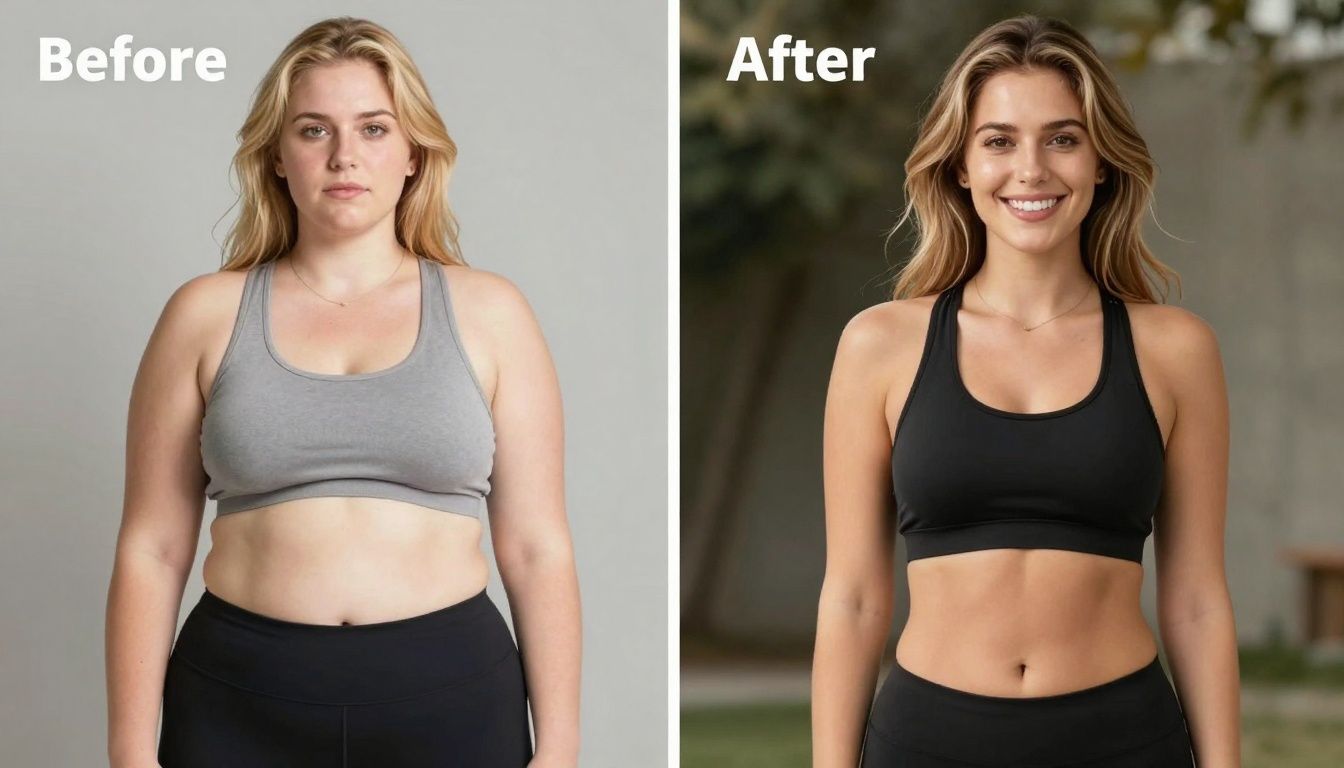
    Weight loss before and after of a young blonde female.

    Sometimes, insurance just doesn’t cover what you need, or maybe you prefer to keep your health journey private. That’s where self-pay comes in. It’s a straightforward way to access our weight management services without involving any insurance companies at all. This option offers maximum flexibility and privacy for your treatment.

    If you’re looking for a direct path to personalized care, self-pay is a great choice. You can sign up and start your journey without needing to go through insurance verification. It’s all about making the process as simple and accessible as possible for you. We believe everyone should have a way to pursue their health goals, and self-pay is a big part of that.

    Here’s a general idea of what self-pay might look like:

    • Monthly Program Fee: This covers your virtual consultations with our medical providers and ongoing support.

    • Medication Costs: If a prescription is part of your plan, the cost of the medication itself is separate. We can help you find affordable options.

    • Lab Work: Depending on your treatment, some lab tests might be recommended, and these would also be an out-of-pocket expense.

    We aim to be upfront about all costs. You won’t find any hidden fees or surprise bills with us. It’s a clear, upfront investment in your health. If you’re interested in understanding the specific costs for your situation, we can discuss that during your initial consultation. You can also explore the Origin Health Center program for a holistic approach.

    Choosing the self-pay route means you have complete control over your treatment plan and associated expenses. It simplifies the administrative side of things, allowing you to focus entirely on achieving your weight loss and wellness objectives.

    Ready to Take the Next Step?

    Finding the right help for weight loss in Oakland, California can feel like a big task, but it doesn’t have to be. Programs like Shapely offer a way to connect with doctors and dietitians right from your home, making it easier to get the support you need. Whether you’re considering medication, meal plans, or just need a listening ear, there are options available. Remember, taking that first step towards a healthier you is the most important part, and resources are out there to help you along the way.

    Frequently Asked Questions

    How do weight loss medications help people shed pounds?

    Weight loss drugs work in a couple of ways. Some mimic a natural body hormone that makes you feel fuller for longer, so you eat less. Others help control your hunger or stop your body from absorbing too much fat. When used with healthy eating and exercise, these can be a big help in losing weight.

    Will I definitely be prescribed weight loss medication?

    Not everyone gets a prescription for weight loss medicine. Our doctors carefully check your health history and goals. They decide if medication is the right and safe choice for you as part of your overall weight loss plan, which also includes diet and exercise.

    Can I ask for a different medication if I don’t like the first suggestion?

    Yes, you can definitely talk to your doctor about trying a different weight loss medicine if the first one doesn’t feel right or you’re worried about side effects. Doctors know that everyone’s body is different, so they’re usually happy to explore other options that might work better for you.

    Do I need a doctor’s note to join your program?

    No, you don’t need a referral from another doctor to sign up. Our program is open to anyone who wants to live healthier and reach their weight loss goals. We’re here to help you get started.

    Can I use my Health Savings Account (HSA) or Flexible Spending Account (FSA) to pay for the program?

    Absolutely! You can use your HSA or FSA funds to pay for program costs, including doctor visits and any prescribed medications. This makes our program more affordable by letting you use money you’ve already set aside.

    How much weight can I expect to lose?

    Many people using FDA-approved medicines like Ozempic or Wegovy, along with diet and exercise, lose about 15% of their body weight. With newer options like Mounjaro and Zepbound, some lose closer to 20%. Keep in mind that everyone’s results are different, and we’ll work with you to get the best outcome for you.

  • Best Lose Weight Clinics Fat Loss Weight Management Doctors Centers Near Me Long Beach California CA

    Best Lose Weight Clinics Fat Loss Weight Management Doctors Centers Near Me Long Beach California CA

    Looking for a place to help you shed some pounds in Long Beach, California? It can be tough to figure out where to start, especially with so many options out there. We’ve put together some info on local Weight Loss Clinics Long Beach to give you a clearer picture of what’s available. Whether you’re considering medical help, a structured program, or just some good old-fashioned advice, there are centers ready to support your journey.

    Key Takeaways

    • Beach Cities Medical Weight Control offers personalized plans with medical treatments and compassionate care, aiming for fast results and long-term success.

    • UCI Health provides multiple weight control options, including medical management, nutrition programs, and integrative therapies through the Susan Samueli Integrative Health Institute.

    • Bariatric surgery and endoscopic weight loss services are available for individuals who qualify, offering minimally invasive procedures for significant weight reduction.

    • The Susan Samueli Integrative Health Institute focuses on a holistic approach, combining integrative medicine, nutrition, exercise, and emotional well-being for weight management.

    • Weight Loss Clinics Long Beach generally offer tailored plans, nutritional counseling, and ongoing support to help individuals achieve and maintain their health goals.

    Beach Cities Medical Weight Control

    Feeling like you’ve tried every diet out there with little to show for it? You’re not alone. At Beach Cities Medical Weight Control, we get it. That’s why we focus on creating personalized weight loss plans. We know everyone’s body and journey are different, so a one-size-fits-all approach just doesn’t cut it.

    Our team uses a mix of medical know-how and the latest treatments to help you shed pounds and feel better. We’re here to guide you toward a healthier you, one that’s full of energy and confidence. It’s about more than just the number on the scale; it’s about reclaiming your life and feeling great.

    Here’s a peek at what you can expect:

    • Customized Plans: Tailored specifically for men, women, and even couples.

    • Fast Results: Many people see noticeable progress within the first couple of weeks.

    • Ongoing Support: Our friendly team is there to cheer you on every step of the way.

    • Long-Term Success: We provide strategies to help you keep the weight off for good.

    We believe in a supportive environment where you can achieve lasting results. Our goal is to help you discover a healthier, happier version of yourself.

    We’ve had many clients, like Sabrina who lost 21 lbs and Carol Ann who dropped 50 lbs, find success with us. We’re often called ‘My Weight Loss Place’ by our happy clients, and we’re proud of the transformations we’ve helped facilitate.

    UCI Health Weight Management Program

    Weight management clinic with diverse people exercising and consulting doctors.

    If you’re finding it tough to manage your weight, UCI Health has a program that’s been around since 1987, helping people make real changes. They focus on getting healthier overall, not just shedding pounds. This means looking at exercise, what you eat, and making positive shifts in your daily habits.

    They offer a few different paths to help you reach your goals. Whether you’re looking for a medically supervised plan, need help with nutrition, or are interested in integrative therapies that work with your mind and body, UCI Health has options. They understand that weight control is a journey, and they’re there to support you not just while you’re losing weight, but also afterward with their maintenance program. This helps you keep the weight off for good.

    Here’s a look at what they emphasize:

    • Medical Supervision: Plans are overseen by healthcare professionals.

    • Lifestyle Changes: Focus on exercise, diet, and behavior.

    • Long-Term Success: Support for maintaining your weight goals.

    • Holistic Approach: Integration with services like the Susan Samueli Integrative Health Institute for a mind-body connection.

    UCI Health recognizes that weight issues affect many people and come with serious health risks. Their goal is to provide a structured, supportive environment to help individuals achieve a healthier weight and improve their overall well-being. They aim to make the process manageable and sustainable.

    Susan Samueli Integrative Health Institute

    The Susan Samueli Integrative Health Institute takes a different approach to weight management. Instead of just focusing on the number on the scale, they look at your whole well-being. They combine traditional medical advice with other therapies that are proven to work. Think of it as a team effort for your health. They consider things like your diet, how much you move, and even how you’re feeling emotionally.

    Their goal is to figure out what’s really going on inside your body that might be making weight loss tough. It’s not about quick fixes; it’s about making lasting changes. They work with you to create a plan that fits your life, not the other way around.

    Here’s a general idea of what they might include in a plan:

    • Nutritional Guidance: Learning what foods help your body and what might be holding it back.

    • Movement Strategies: Finding ways to be active that you actually enjoy.

    • Mind-Body Practices: Techniques to help manage stress and emotional eating.

    • Personalized Support: Regular check-ins to adjust your plan as needed.

    They believe that by addressing the body, mind, and spirit together, you can achieve a healthier weight and a better quality of life. It’s a more thoughtful way to approach weight loss, focusing on sustainable habits and overall wellness.

    Bariatric Surgery Services

    When other weight loss methods haven’t quite worked out, bariatric surgery might be something to look into. This type of surgery is generally for folks with a BMI over 40, or over 35 if they have other health issues like diabetes or high blood pressure. It’s a pretty big step, for sure, but it can make a real difference for many people.

    There are a couple of main types of bariatric surgery that doctors often perform. The vertical sleeve gastrectomy is one, where a large part of the stomach is removed to make it smaller. Then there’s the Roux-en-Y gastric bypass, which creates a small pouch from the stomach and then connects it directly to the small intestine. Both aim to help you eat less and absorb fewer calories.

    It’s not just about the surgery itself, though. The centers near Long Beach that offer these services usually have a whole team ready to help you before and after the procedure. This often includes:

    • Pre-surgery consultations to see if you’re a good candidate.

    • Nutritional counseling to get you ready for the changes.

    • Post-surgery follow-ups to monitor your progress and health.

    • Support groups where you can connect with others going through similar journeys.

    Finding the right bariatric surgeon is key, and these clinics often have highly skilled doctors who are recognized for their work in this field. They focus on making the procedures as safe as possible and helping patients achieve long-term success. It’s a serious decision, but for the right person, it can be a life-changing path toward better health.

    Endoscopic Weight Loss Services

    When traditional diets and exercise just aren’t cutting it, and you’re hesitant about more involved surgery, endoscopic weight loss services offer a different path. These procedures use a thin, flexible tube with a camera, called an endoscope, to make changes inside your digestive system without needing any large incisions. It’s a less invasive way to help you reach your weight goals.

    These methods are designed for individuals who have a BMI over 30 and haven’t found success with other weight management strategies. They work by physically altering the stomach to help you feel fuller sooner and eat less. It’s not a magic fix, but it can be a really effective tool when combined with lifestyle changes.

    Here are some of the common endoscopic procedures you might encounter:

    • Endoscopic Sleeve Gastroplasty (ESG): This involves using an endoscope to place sutures, or stitches, inside your stomach. These stitches reduce the stomach’s size, making it more like a sleeve. This means you’ll feel satisfied with smaller amounts of food.

    • Transoral Outlet Reduction (TORe): If you’ve had a previous gastric bypass surgery and are experiencing weight regain, TORe can help. It uses an endoscope to tighten the connection between the stomach pouch and the small intestine, which can slow down how quickly food passes through.

    • Revision Procedures: For those who have had bariatric surgery in the past, there are endoscopic options to revise or adjust those procedures if they are no longer working as effectively.

    The key benefit here is that these procedures are generally done on an outpatient basis. You typically go home the same day, and recovery is much quicker compared to traditional surgery. There’s no hospital stay, and you avoid the risks associated with major surgery. It’s a way to get a significant boost in your weight loss journey with less downtime.

    It’s important to remember that endoscopic weight loss is a tool, not a complete solution on its own. Success relies heavily on your commitment to dietary changes and increased physical activity afterward. A dedicated medical team will guide you through the process, offering support and advice to help you make lasting changes for a healthier life.

    Medical Weight Loss

    Feeling like you’ve tried everything to shed those extra pounds, but nothing seems to stick? You’re not alone. Many people find that traditional diets and exercise plans just don’t cut it on their own. That’s where medical weight loss comes in. It’s a more structured approach, guided by healthcare professionals, that looks at your unique body and health history to create a plan that actually works for you.

    Instead of a one-size-fits-all method, medical weight loss programs often involve a thorough evaluation. This can include checking your hormone levels, body mass index, and overall health to pinpoint any underlying issues that might be holding you back. Based on these findings, a personalized plan is developed. This plan might include:

    • Dietary adjustments: Learning what foods work best for your body and metabolism.

    • Medications or supplements: Sometimes, specific prescriptions or natural remedies can help manage appetite or boost your metabolism.

    • Lifestyle counseling: Getting regular support and accountability from a team that understands your journey.

    • Exercise recommendations: Tailored physical activity that complements your weight loss goals without overdoing it.

    The biggest advantage is that it’s all about you. Your plan is built around your specific needs, not a generic template. This personalized care, combined with consistent support, significantly increases your chances of not just losing weight, but keeping it off for good. It’s about making lasting changes for a healthier, more confident you.

    Weight Loss Programs

    People exercising and looking healthy at a weight loss clinic.

    Finding the right weight loss program can feel like a puzzle, right? There are so many options out there, and what works for one person might not be the best fit for another. That’s where specialized programs come in. They’re designed to give you a structured path, often combining different strategies to help you reach your goals.

    Think of it like this: a good program isn’t just about telling you to eat less and move more. It’s about figuring out why you’re struggling and building a plan that fits your life. This usually involves a few key pieces:

    • Medical Supervision: Having doctors or nurses involved means your plan is safe and tailored to your health. They can monitor your progress and make adjustments as needed.

    • Nutrition Guidance: This goes beyond just saying ‘eat healthy.’ It means learning about balanced meals, portion control, and making smart food choices that you can stick with long-term.

    • Behavioral Support: Sometimes, the biggest hurdles are mental. Programs often include ways to help you manage stress, emotional eating, and build new habits.

    • Activity Recommendations: Getting moving is important, but the program will help you find exercises that are safe and effective for you, especially when you’re just starting out.

    Many programs focus on creating sustainable lifestyle changes rather than quick fixes. This means you’re not just losing weight; you’re learning how to keep it off and live a healthier life overall. It’s about building confidence and energy so you can enjoy life more.

    The goal of a well-designed weight loss program is to provide you with the tools, knowledge, and support needed to achieve lasting results. It’s a partnership between you and the healthcare team, working together towards a healthier you.

    Some programs might even offer different levels of intensity or focus, like those specifically for individuals who need more intensive medical support or those looking for a more holistic approach that includes things like mindfulness and stress reduction techniques. It really comes down to finding that personalized plan that clicks with you.

    Nutrition Counseling

    Getting your diet right is a big part of losing weight and keeping it off. It’s not just about eating less; it’s about eating smarter. Our nutrition counseling focuses on teaching you how to make food choices that support your body’s needs while helping you reach your weight goals.

    We look at what you’re currently eating and help you make practical changes. This isn’t about following a super strict, impossible diet. Instead, we aim for sustainable habits. Think of it as learning to fuel your body effectively for the long haul.

    Here’s what you can expect:

    • Personalized Meal Guidance: We’ll help you create meal plans that fit your lifestyle and preferences, focusing on whole foods and limiting processed items and added sugars.

    • Understanding Macronutrients: Learning the difference between proteins, carbs, and fats, and how they affect your energy levels and weight.

    • Hydration Strategies: We’ll discuss how much water you should be drinking and why it’s so important for metabolism and overall health.

    • Mindful Eating Techniques: Developing a better relationship with food, recognizing hunger and fullness cues, and avoiding emotional eating.

    • Recipe Ideas and Tips: Practical advice for grocery shopping, meal prepping, and finding healthy options when you’re on the go.

    It’s easy to get overwhelmed by all the conflicting diet advice out there. Our goal is to cut through the noise and give you clear, science-backed information that works for you.

    Integrative Health Therapies

    Sometimes, just focusing on diet and exercise isn’t enough to get your weight where you want it. That’s where integrative health therapies come in. Think of it as a more complete way to approach your health goals, looking at your body, mind, and spirit all together. These therapies often work alongside traditional medical advice and nutrition plans.

    It’s about finding what works best for you as an individual. This might involve things like:

    • Mindfulness and meditation practices to help manage stress, which can really impact eating habits.

    • Acupuncture, which some people find helps with cravings or boosts their metabolism.

    • Yoga or gentle movement therapies to improve flexibility and reduce discomfort, making it easier to be active.

    • Stress reduction techniques that can calm your nervous system and help your body function better overall.

    These aren’t just random add-ons; they’re meant to address the whole person. When you’re trying to lose weight, it’s not just about the number on the scale. It’s about feeling better, having more energy, and building habits that stick. Integrative therapies can help smooth out those bumps in the road.

    The idea is to create a balanced approach. By combining these therapies with medical guidance and nutritional support, you’re building a stronger foundation for lasting health and weight management. It’s a way to support your body’s natural ability to heal and find balance.

    Personalized Weight Loss Plans

    Forget those one-size-fits-all diets you see advertised everywhere. When you come to a clinic for weight management, the goal is to create a plan that actually fits you. This means looking at your body, your lifestyle, and what you’ve tried before. Your plan will be unique, just like you.

    What goes into a personalized plan? It’s usually a mix of things, and it’s not just about what you eat. You’ll likely talk about:

    • Nutrition: Not just what to eat, but how to eat it. This could mean learning about portion sizes, understanding macronutrients, or finding healthy swaps for your favorite foods.

    • Activity: What kind of movement is safe and effective for you? It might not be hitting the gym hard right away; it could be starting with daily walks.

    • Behavior: Sometimes, weight is tied to habits or emotional triggers. A good plan helps you figure those out and build new, healthier patterns.

    • Medical Support: This could involve medications to help manage hunger or boost metabolism, or even specific injections designed to aid fat burning. It’s all done under medical supervision, of course.

    Here’s a quick look at what a typical plan might include:

    Component

    Description

    Diet

    Tailored meal suggestions focusing on clean eating and proper hydration.

    Exercise

    Safe, recommended physical activities to complement your weight loss goals.

    Medical Support

    Medications or injections to aid fat loss and manage appetite.

    Behavioral Coaching

    Strategies to address habits and emotional eating for long-term success.

    The idea is to build a sustainable approach. It’s not about quick fixes that don’t last. A personalized plan aims for results you can actually keep, making you feel better overall. It’s about finding a balance that works for your life, not turning your life upside down.

    Think of it as building a roadmap specifically for your journey. The doctors and staff are there to guide you, adjust the map as needed, and cheer you on. They’re your partners in this, helping you reach your healthiest weight.

    Ready to Start Your Journey?

    Finding the right place to help you lose weight can feel like a big step, and honestly, it is. But remember, you don’t have to figure it all out alone. Whether you’re looking at Beach Cities Medical Weight Control for their personalized plans and quick results, or considering UCI Health for their wide range of options from medical management to surgery, there are options right here in the Long Beach area. It’s about finding a team that understands your struggles and can guide you toward a healthier you. Take that first step, make a call, or schedule a visit. Your journey to feeling better starts now.

    Frequently Asked Questions

    What kind of help can I get for weight loss in Long Beach, California?

    In Long Beach, California, you can find several places that help with weight loss. These include clinics like Beach Cities Medical Weight Control, and programs offered by UCI Health. They offer different services like medical weight loss, nutrition advice, and even surgery options.

    How do weight loss clinics help people lose weight?

    Weight loss clinics help by creating personalized plans for you. They often use a mix of medical knowledge, special treatments, and support to help you reach your goals. Some clinics use special technology to check your body and make the best plan just for you.

    What is medical weight loss?

    Medical weight loss means using treatments and guidance from doctors to help you lose weight. It often involves special diets, medicines if needed, and regular check-ups to make sure you’re losing weight safely and effectively. The goal is to get fast and noticeable results.

    Are there surgical options for weight loss?

    Yes, some centers offer surgical options like bariatric surgery for those who need it. There are also less invasive procedures, like endoscopic weight loss services, which can be an option if regular methods haven’t worked and surgery isn’t the best choice.

    What can I expect on my first visit to a weight loss center?

    On your first visit, they usually do a special check-up to understand your body. This might involve a body scan to see your body’s makeup. Based on this, they create a plan that’s just right for you and your unique needs.

    How long does it take to see results from a weight loss program?

    Many programs aim for quick results. Some people report seeing big changes in as little as two weeks. However, it’s important to remember that everyone’s body is different, and results can vary a lot from person to person.

  • Best Lose Weight Clinics Fat Loss Weight Management Doctors Centers Near Me Arlington Texas TX

    Best Lose Weight Clinics Fat Loss Weight Management Doctors Centers Near Me Arlington Texas TX

    Looking for ways to shed some pounds in Arlington, Texas? It can be tough to know where to start, right? There are so many options out there, from doctor-supervised programs to new medications. This guide aims to break down what’s available near you to help you find the best Weight Loss Clinics Arlington TX has to offer. We’ll cover different approaches, from medical interventions to lifestyle changes, and touch on how to pay for it all.

    Key Takeaways

    • Medical weight loss focuses on sustainable changes with professional guidance, not just quick fixes.

    • Medications like Semaglutide (Ozempic, Wegovy), Tirzepatide (Mounjaro, Zepbound), and Rybelsus can help manage appetite and weight.

    • Bariatric surgery is an option for significant weight loss, with both insurance and cash pay possibilities.

    • Lifestyle changes, including nutrition plans and exercise, are vital components of any successful weight management strategy.

    • Understanding health risks associated with obesity, such as hypertension and type 2 diabetes, can motivate the weight loss journey.

    1. Medical Weight Loss

    When you’re looking to shed some pounds, especially if you’ve tried other methods without lasting success, medical weight loss might be the way to go. It’s not about quick fixes or extreme diets; it’s a more structured approach that puts your overall health first. The main idea is to work with healthcare professionals to create a plan tailored just for you.

    Think of it like this: instead of just guessing what works, you have a team guiding you. They look at your body, your habits, and your goals to figure out the best path forward. This often involves a mix of things, not just one magic bullet. You might get advice on what to eat, how to move your body more, and sometimes, even medication to help things along.

    Here’s a breakdown of what medical weight loss can involve:

    • Personalized Assessment: A doctor or specialist will evaluate your current health, weight history, and any underlying conditions.

    • Nutrition Guidance: You’ll get advice on eating habits that support weight loss and long-term health, moving beyond generic diet advice.

    • Activity Plans: Suggestions for incorporating physical activity into your daily life that fit your fitness level and preferences.

    • Medication Options: For some, prescription medications can be a helpful tool to manage appetite or metabolism, always under medical supervision.

    • Behavioral Support: Addressing the mental and emotional aspects of weight management is also key.

    Unlike fad diets that can leave you feeling deprived and eventually lead to weight regain, medical weight loss focuses on sustainable changes. The goal is to help you lose weight safely and keep it off, improving your health in the process. It’s about building healthier habits for the long haul, not just a temporary fix. If you’re serious about managing your weight, exploring options like peptide injections could be a good starting point.

    2. Weight Management

    Weight management is more than just a number on the scale; it’s about finding a healthy balance that works for your body long-term. It’s not about quick fixes or extreme diets that leave you feeling deprived. Instead, it focuses on creating sustainable habits that improve your overall health and well-being.

    The goal is to achieve and maintain a healthy weight through a combination of sensible eating and regular physical activity. This approach helps reduce the risk of various health issues, including high blood pressure, type 2 diabetes, and heart problems. It’s about feeling good, having more energy, and improving your quality of life.

    Here’s what effective weight management often involves:

    • Personalized Assessment: Understanding your current health status, lifestyle, and specific goals.

    • Nutritional Guidance: Learning how to make healthier food choices that provide necessary nutrients without excess calories.

    • Physical Activity Integration: Finding ways to incorporate movement into your daily routine that you actually enjoy.

    • Behavioral Support: Addressing the emotional and psychological aspects of eating and weight.

    It’s a journey, and having a supportive team can make all the difference. They can help you create a plan tailored to your needs and guide you through challenges. If you’re looking for professional help, you can request a consultation online or call (817) 228-4315 to schedule an appointment.

    Sustainable weight management is about building a healthier relationship with food and your body, rather than just focusing on weight loss itself. It’s a continuous process of learning and adapting to find what truly supports your health.

    3. Weight Loss Programs

    When you’re looking into losing weight, you’ll find there are a lot of different programs out there. It can feel a bit overwhelming trying to figure out which one is the best fit for you. Unlike quick fixes or fad diets that often don’t last, medical weight loss programs focus on your overall health and creating sustainable changes. These programs are designed to be personalized, taking into account your unique body, lifestyle, and health goals.

    These programs usually involve a team approach. You’ll often work with doctors, dietitians, and sometimes even health coaches. They help you figure out a plan that includes:

    • Nutrition Guidance: Learning what foods work best for your body and how to create balanced meals.

    • Activity Plans: Finding ways to incorporate more movement into your day that you actually enjoy.

    • Behavioral Support: Understanding the habits that affect your weight and learning strategies to change them.

    • Medical Monitoring: Regular check-ins to track your progress and make adjustments as needed.

    Some programs might also include options like medication or other treatments, depending on what’s right for you. The main idea is to support you in making lasting changes for better health. If you’re in the Arlington, Texas area, there are clinics that offer these kinds of non-surgical weight loss solutions, including physician-monitored plans and lifestyle coaching. Check out local clinics for more details on what they provide.

    The goal of a good weight loss program isn’t just about shedding pounds quickly. It’s about building healthier habits that stick, improving your overall well-being, and reducing the risk of health problems associated with excess weight. It’s a journey focused on long-term success and feeling better in your own skin.

    It’s important to find a program that feels right for you and that you can stick with. Think about what kind of support you need and what fits into your daily life. This approach helps you achieve your weight management goals in a healthy and effective way.

    4. Bariatric Surgery

    Bariatric surgery is a group of procedures that help you lose weight by making changes to your digestive system. It’s usually considered for people who have serious health problems related to their weight and haven’t been able to lose weight through other methods. These surgeries can significantly impact your health and well-being.

    There are several types of bariatric surgery, each working a bit differently:

    • Gastric Bypass (Roux-en-Y): This is one of the most common types. The surgeon creates a small pouch from the stomach and connects it directly to the small intestine, bypassing a large part of the stomach and the first section of the small intestine. This means you eat less and absorb fewer calories.

    • Sleeve Gastrectomy: Here, a large part of the stomach is removed, leaving a smaller, banana-shaped pouch. This limits how much food you can eat and also affects hormones that control hunger.

    • Adjustable Gastric Band: A band is placed around the upper part of the stomach to create a small pouch. This band can be adjusted over time. It’s less common now than it used to be.

    • Biliopancreatic Diversion with Duodenal Switch: This is a more complex procedure that involves removing part of the stomach and rerouting the small intestine. It’s usually for people with a very high BMI.

    Deciding on bariatric surgery is a big step. It’s not just about the operation itself; it involves a commitment to lifelong changes in diet and lifestyle. You’ll typically need to follow a specific eating plan before and after surgery, and regular follow-up with your medical team is a must. It’s important to discuss all the potential risks and benefits with your doctor to see if it’s the right weight loss solution for you.

    Bariatric surgery can lead to significant weight loss and improvement in obesity-related health conditions like type 2 diabetes, high blood pressure, and sleep apnea. However, it requires a serious commitment to lifestyle changes and ongoing medical supervision.

    5. Semaglutide

    Semaglutide is a medication that’s been getting a lot of attention lately, and for good reason. It belongs to a group of drugs called GLP-1 receptor agonists. Basically, it works by mimicking a hormone your body naturally produces after you eat, called GLP-1. This hormone does a couple of important things.

    First off, it helps your body release more insulin, which is great for managing blood sugar levels, especially if you have type 2 diabetes. But it also plays a role in your brain, signaling that you’re full and reducing your appetite. This dual action makes it a powerful tool for weight management.

    There are a few different ways semaglutide is available. You might have heard of Ozempic and Rybelsus, which are approved for managing type 2 diabetes. Then there’s Wegovy, which is specifically approved for weight loss in adults and even some adolescents, alongside diet and exercise. It’s not just about shedding pounds; it’s about helping people achieve a healthier weight and keep it off.

    When considering semaglutide, it’s important to remember it’s usually prescribed as part of a broader plan. This means it’s often used in conjunction with changes to your diet and exercise routine. It’s not a magic bullet, but for many, it’s a significant help in their weight loss journey.

    Here’s a quick look at some common uses:

    • Type 2 Diabetes Management: Helps control blood sugar levels.

    • Weight Loss: Aids in reducing body weight when combined with lifestyle changes.

    • Cardiovascular Risk Reduction: Ozempic, specifically, is approved to lower the risk of heart attack, stroke, and death in certain individuals with type 2 diabetes and heart disease.

    It’s always best to discuss with your doctor if semaglutide is the right option for you. They can go over the potential benefits, side effects, and how it fits into your personal health goals.

    6. Tirzepatide

    Tirzepatide is a newer medication that’s making waves in both diabetes management and weight loss. It’s pretty interesting because it works on two different hormone pathways in your body that help control blood sugar and appetite. Think of it as a dual-action approach.

    It’s designed to mimic two natural hormones: GLP-1 and GIP. These hormones are released after you eat and signal your body to produce insulin, which helps lower blood sugar. By activating both GLP-1 and GIP receptors, Tirzepatide can lead to better blood sugar control. But it doesn’t stop there; it also affects areas of the brain that tell you you’re full and can reduce hunger.

    This dual action is why it’s been effective for weight management. It helps people feel satisfied with smaller portions and can curb cravings, making it easier to stick to a reduced-calorie diet. It’s important to remember that like other medications in this class, Tirzepatide is meant to be used alongside a healthy lifestyle, including diet and exercise, not as a standalone solution.

    While Tirzepatide is approved for type 2 diabetes (under the brand name Mounjaro) and for weight loss (under the brand name Zepbound), it’s always prescribed by a doctor. They’ll figure out if it’s the right choice for you based on your health history and specific needs. It’s not a one-size-fits-all kind of thing.

    Here’s a quick look at what Tirzepatide does:

    • Helps lower blood sugar levels.

    • Reduces appetite and increases feelings of fullness.

    • Supports weight loss when combined with diet and exercise.

    • Can be prescribed for type 2 diabetes or for weight management purposes.

    It’s a prescription medication, so you’ll need to talk to your doctor to see if it’s a good fit for your weight loss journey here in Arlington, Texas.

    7. Ozempic

    Ozempic is a medication that’s been getting a lot of attention lately, especially for its role in managing type 2 diabetes. It belongs to a group of drugs called GLP-1 receptor agonists. Basically, it works by mimicking a hormone your body naturally produces after you eat. This helps your body release more insulin, which is good for controlling blood sugar levels. But it does more than just that; it also affects the parts of your brain that tell you you’re full and can reduce your appetite.

    Ozempic is FDA-approved to help lower blood sugar in adults with type 2 diabetes, alongside diet and exercise. It’s also been shown to lower the risk of heart attack, stroke, and death in those with type 2 diabetes who also have existing heart disease. While it’s primarily known for diabetes management, its effect on appetite and fullness has led many to explore its use for weight loss, often under medical supervision.

    It’s important to remember that Ozempic is a prescription medication. It’s not a magic bullet, and it’s typically used as part of a broader plan that includes lifestyle changes like diet and exercise. If you’re considering Ozempic, talking to your doctor is the first step to see if it’s the right choice for your specific health needs and goals.

    Here’s a quick look at its primary approved uses:

    • Lowering blood sugar in adults with type 2 diabetes.

    • Reducing the risk of major cardiovascular events (heart attack, stroke, death) in adults with type 2 diabetes and established heart disease.

    While Ozempic is a powerful tool for managing type 2 diabetes and has shown benefits for weight management, it’s crucial to use it under the guidance of a healthcare professional. They can help determine the correct dosage and monitor for any potential side effects, ensuring it fits safely into your overall health plan.

    8. Rybelsus

    Rybelsus is a medication that’s part of the GLP-1 receptor agonist family, similar to other injectables you might have heard about. The big difference here? It comes in a pill form, making it a bit more convenient for some people. It’s primarily approved for managing type 2 diabetes, working alongside diet and exercise to help control blood sugar levels.

    But how does it help with weight loss? Well, like other GLP-1s, Rybelsus can affect areas of the brain that regulate appetite. This can lead to feeling fuller for longer and can reduce cravings, which, of course, can make sticking to a reduced-calorie diet a bit easier. It’s not a magic bullet, but for individuals managing type 2 diabetes who are also looking to shed some pounds, it can be a helpful tool.

    Here’s a quick look at how it works:

    • Mimics a natural hormone (GLP-1) that’s released after eating.

    • Helps signal your brain that you’re full, reducing hunger.

    • Can slow down digestion, contributing to that feeling of fullness.

    It’s important to remember that Rybelsus is a prescription medication. If you’re considering it, especially for weight management purposes, you’ll need to discuss it with your doctor. They can help determine if it’s the right fit for your specific health needs and goals, and explain any potential side effects or interactions.

    9. Wegovy

    Wegovy is a medication that’s been getting a lot of attention for weight loss. It’s actually a brand name for semaglutide, the same active ingredient found in Ozempic, but it’s specifically approved and dosed for weight management. Wegovy works by mimicking a hormone called GLP-1, which helps regulate appetite and food intake. This can lead to feeling fuller for longer and reducing cravings, making it easier to stick to a reduced-calorie diet.

    It’s prescribed for adults and adolescents aged 12 and older who have obesity or are overweight and also have at least one weight-related health condition, like high blood pressure or type 2 diabetes. It’s meant to be used alongside a reduced-calorie meal plan and increased physical activity. It’s not just a quick fix; it’s part of a broader strategy for long-term weight management.

    When you’re considering Wegovy, it’s important to have a thorough discussion with your doctor. They’ll assess if it’s the right choice for you, considering your overall health and any other medications you might be taking. Some people experience side effects, most commonly nausea, vomiting, diarrhea, or constipation, though these often lessen over time. It’s also good to know that some doctors, like Dr. Brandon Vu, MD, offer consultations specifically for medications like Wegovy as part of their medical weight management services [fe04].

    Here’s a general idea of how it’s typically administered:

    • Dosage: Starts low and is gradually increased over several weeks.

    • Administration: Given as a weekly injection under the skin.

    • Duration: Often used long-term to maintain weight loss.

    It’s a powerful tool for many, but it’s not a magic bullet. Success with Wegovy, like with any weight loss effort, really depends on combining it with healthy lifestyle changes.

    10. Mounjaro

    Mounjaro is a medication that’s been making waves in the world of weight management, especially for those dealing with type 2 diabetes. It works by targeting specific hormones in your body that help control blood sugar. Think of it as a dual-action approach, activating receptors for GLP-1 and GIP, which are naturally released after you eat and signal your body to produce insulin. This dual action helps improve blood sugar control.

    Mounjaro is approved to help lower blood sugar levels in adults with type 2 diabetes, when used alongside diet and exercise. It’s also been shown to reduce the risk of heart attack, stroke, or death in individuals with type 2 diabetes who already have known heart disease. While it’s primarily known for its diabetes management benefits, its impact on weight loss has made it a significant topic in broader weight management discussions.

    It’s important to remember that Mounjaro is a prescription medication. If you’re considering it for weight loss or managing type 2 diabetes, a doctor will need to assess if it’s the right fit for your specific health situation. They’ll look at your medical history, current conditions, and other medications you might be taking.

    Here’s a quick look at what Mounjaro addresses:

    • Type 2 diabetes management

    • Reducing the risk of cardiovascular events in certain patients

    • Aiding in weight loss as a secondary benefit

    When discussing Mounjaro, it’s key to have a thorough conversation with your healthcare provider. They can explain how it works, potential side effects, and whether it aligns with your overall health goals, especially if you’re looking for more than just diabetes treatment.

    11. Zepbound

    Zepbound is a newer medication that’s been approved to help adults who are dealing with obesity or are overweight and have weight-related health issues. It’s meant to be used alongside a reduced-calorie diet and increased physical activity. Basically, it’s designed to help you lose weight and then keep that weight off.

    This medication works by targeting specific hormones in your body that play a role in appetite and blood sugar control. It’s part of a class of drugs that mimic natural hormones, helping you feel fuller and potentially reducing cravings. This can make sticking to a healthier eating plan a bit more manageable.

    When considering Zepbound, it’s important to have a thorough discussion with your doctor. They’ll assess if it’s the right choice for you, taking into account your overall health and any other medical conditions you might have. It’s not a magic bullet, but for many, it can be a helpful tool in their weight management journey.

    Here’s a quick look at what Zepbound is approved for:

    • Helping adults with obesity (a BMI of 30 or higher) lose weight.

    • Assisting overweight adults (a BMI of 27 or higher) who also have at least one weight-related condition, like high blood pressure, type 2 diabetes, or high cholesterol, to lose weight.

    • Supporting long-term weight management when used with diet and exercise.

    It’s important to remember that Zepbound is a prescription medication, and its use should always be supervised by a healthcare professional. They can provide guidance on dosage, potential side effects, and how to integrate it effectively into your weight loss plan. You can find more details about Zepbound and its usage on pages discussing weight loss medications.

    Zepbound is a significant development in weight management, offering a new option for individuals struggling with excess weight and related health concerns. Its effectiveness is tied to a comprehensive approach that includes lifestyle changes.

    12. Health Risks Of Obesity

    Carrying around extra weight isn’t just about how you look; it really impacts your health in a big way. When your body has to manage more pounds than it’s designed for, it puts a strain on pretty much everything. This increased strain can lead to a whole host of serious health problems.

    Think about it: your heart has to work harder to pump blood, your joints have to support more weight, and your body’s ability to manage sugar can get thrown off balance. It’s like trying to run a marathon with a backpack full of bricks – eventually, something’s going to give.

    Here are some of the common health issues linked to being overweight or obese:

    • Hypertension (high blood pressure)

    • Heart attack and stroke

    • Type 2 diabetes

    • Osteoarthritis (joint pain)

    • Sleep apnea

    • Kidney disease

    • Gallbladder problems

    • Certain types of cancer

    It’s not just about these big, scary diseases, either. Being overweight can affect your mood, your energy levels, and even your sexual health. It’s a complex issue with wide-ranging effects.

    Taking steps to manage your weight isn’t just about fitting into smaller clothes. It’s a proactive move to protect your long-term health and improve your daily quality of life. When you feel better physically, it often translates to feeling better mentally, too.

    If you’re struggling with your weight, it’s worth talking to a doctor. They can help you understand your personal risks and figure out the best way forward for your body. It’s a journey, and getting the right support makes all the difference.

    13. Nutrition Plans

    When you’re looking to manage your weight, what you eat really matters. It’s not just about cutting calories; it’s about fueling your body right. A good nutrition plan helps you feel better, have more energy, and makes losing weight feel less like a struggle. It’s about making sustainable changes that fit your life.

    Think of it this way: your body is like a car. You wouldn’t put just any fuel in it, right? The same goes for your health. A well-designed plan focuses on whole foods, balanced meals, and understanding how different foods affect you. It’s not about deprivation; it’s about smart choices.

    Here are some key aspects of a solid nutrition plan:

    • Balanced Macronutrients: Getting the right mix of proteins, carbohydrates, and healthy fats is super important. Protein helps you feel full, carbs give you energy, and fats are needed for various body functions.

    • Micronutrient Rich Foods: Don’t forget vitamins and minerals! Eating a variety of fruits, vegetables, and whole grains ensures you’re getting everything your body needs to run smoothly.

    • Hydration: Drinking enough water is often overlooked, but it plays a big role in metabolism and feeling satisfied.

    • Mindful Eating: Paying attention to your hunger and fullness cues can prevent overeating and help you enjoy your food more.

    Sometimes, figuring out the perfect plan can be tricky. That’s where getting some personalized guidance comes in handy. You can receive personalized nutrition plans, including tailored meal plans and supplement recommendations, designed to meet your individual preferences and health goals. tailored meal plans can make a huge difference.

    A nutrition plan isn’t a one-size-fits-all deal. What works for one person might not work for another. It’s about finding what makes you feel good and helps you reach your goals without feeling miserable. Consistency is key, and small, steady changes tend to stick better than drastic overhauls.

    14. Exercise Plans

    Person stretching outdoors during exercise.

    When you’re looking to manage your weight, exercise is a big piece of the puzzle. It’s not just about burning calories, though that’s part of it. Regular physical activity helps build muscle, which in turn can boost your metabolism. Think of it as making your body more efficient at using energy, even when you’re just sitting around.

    Finding an exercise plan that works for you is key to making it a lasting habit. It shouldn’t feel like a punishment. Instead, it should be something you can realistically stick with, week after week. This might mean trying different things until you find what clicks.

    Here are a few ideas to get you started:

    • Cardiovascular Exercise: This is anything that gets your heart rate up. Walking, jogging, cycling, swimming, or dancing all count. Aim for at least 150 minutes of moderate-intensity cardio per week, or 75 minutes of vigorous activity.

    • Strength Training: This involves using weights, resistance bands, or your own body weight to build muscle. Things like squats, push-ups, and lifting weights are great examples. Try to do strength training at least two days a week.

    • Flexibility and Balance: Don’t forget about stretching, yoga, or Pilates. These help with mobility and can prevent injuries. They’re a nice way to wind down after a more intense workout too.

    It’s also important to remember that consistency matters more than intensity when you’re starting out. Even short bursts of activity throughout the day add up. If you’re new to exercise or have any health concerns, it’s always a good idea to chat with your doctor before jumping into a new routine. They can help you figure out what’s safe and effective for your specific situation.

    Starting an exercise plan doesn’t mean you have to become a marathon runner overnight. Small, consistent steps are far more effective for long-term weight management than trying to do too much too soon. Focus on finding activities you genuinely enjoy, as this makes sticking with them much easier.

    15. Insurance Coverage For Weight Loss

    Figuring out insurance coverage for weight loss can feel like a maze, honestly. Many plans don’t automatically cover weight loss programs or medications, but that’s starting to change. It really depends on your specific insurance provider and the type of plan you have. Some insurance companies might cover certain weight loss medications or procedures if they’re deemed medically necessary, especially if you have related health issues like type 2 diabetes or high blood pressure.

    Here’s a general idea of what to look into:

    • Medical Necessity: This is a big one. Your doctor will likely need to document that the weight loss treatment is essential for your health, not just for cosmetic reasons. This often involves having a certain Body Mass Index (BMI) or existing weight-related conditions.

    • Specific Treatments: Coverage can vary wildly. Some plans might cover consultations with dietitians or specific behavioral therapy programs. For medications like Ozempic, Wegovy, Mounjaro, or Zepbound, coverage is often tied to specific diagnoses (like type 2 diabetes for some, or obesity for others) and may require prior authorization.

    • Bariatric Surgery: If you’re considering surgery, this is often covered if it meets strict criteria, which can include BMI thresholds, previous unsuccessful weight loss attempts, and clearance from specialists.

    Steps to Take:

    1. Contact Your Insurance Company: This is the most important step. Call the number on the back of your insurance card and ask specifically about coverage for weight loss programs, medications, and procedures. Get details on pre-authorization requirements.

    2. Talk to Your Doctor: Discuss your weight loss goals with your doctor. They can help determine if a treatment is medically necessary and assist with the paperwork required by your insurance company.

    3. Understand Your Policy: Read the fine print of your insurance policy. Look for sections on chronic condition management, preventative care, or specific treatments related to obesity.

    Sometimes, even with insurance, you might have deductibles, copays, or coinsurance. It’s always a good idea to get a clear estimate of your out-of-pocket costs before starting any treatment. Don’t be afraid to ask questions; understanding your benefits is key to making informed decisions about your health journey.

    16. Cash Pay Options For Weight Loss

    Sometimes, insurance just doesn’t cover the weight loss treatments or programs you’re looking for, or maybe you don’t have insurance at all. That’s where cash pay options come in handy. Many clinics and doctors offer direct payment plans, which can sometimes even be more straightforward than dealing with insurance paperwork.

    Paying out-of-pocket gives you the freedom to choose the exact services you want without needing pre-approval or worrying about specific plan limitations. This can be particularly helpful if you’re interested in newer treatments or specialized programs that might not be standardly covered. It also means you can often get started sooner, without the waiting periods that insurance approvals can sometimes involve.

    Here’s what you might consider when looking at cash pay options:

    • Understand the Full Cost: Always ask for a clear breakdown of all fees involved. This includes consultation fees, medication costs, program fees, and any potential follow-up appointments.

    • Inquire About Packages: Some centers offer bundled packages for a set price, which can sometimes be more cost-effective than paying for each service individually.

    • Payment Plans: While it’s ‘cash pay,’ some providers might still offer internal payment plans or work with third-party financing companies to spread the cost over time.

    • Compare Prices: Don’t be afraid to shop around. Prices for similar services can vary between clinics, so getting a few quotes can help you find the best value.

    When considering cash pay, it’s wise to think of it as an investment in your health. While the upfront cost might seem high, the long-term benefits of achieving a healthier weight and improving your overall well-being can be significant. Always discuss your financial situation openly with the clinic to find a solution that works for you.

    17. Allergy Treatment

    Dealing with allergies can really throw a wrench in your day-to-day life. Whether it’s sneezing fits, itchy eyes, or skin reactions, finding relief is key. Effective allergy treatment often involves a multi-pronged approach, starting with identifying what’s triggering your symptoms. This might mean allergy testing to pinpoint specific allergens like pollen, dust mites, or certain foods.

    Once the culprits are known, treatment plans can be tailored. For some, medication is the primary solution. This can include antihistamines to block histamine release, decongestants to reduce swelling, or nasal corticosteroids to calm inflammation. For more severe or persistent allergies, your doctor might discuss immunotherapy, often called allergy shots. This involves gradually exposing your body to small amounts of an allergen over time to build up tolerance.

    Here are some common allergy symptoms and potential treatments:

    • Respiratory Allergies: Symptoms like sneezing, runny nose, itchy throat, and coughing. Treatments can include nasal sprays, oral antihistamines, and sometimes decongestants.

    • Skin Allergies: Conditions like hives, eczema, or contact dermatitis. Management often involves topical creams, oral medications, and avoiding the trigger substance.

    • Food Allergies: Reactions ranging from mild to severe after eating certain foods. Strict avoidance of the allergen is paramount, and an epinephrine auto-injector is often prescribed for emergencies.

    • Insect Sting Allergies: Reactions to bee stings, wasp stings, etc. Treatment focuses on immediate care and, for severe reactions, immunotherapy might be considered.

    It’s important to work with a healthcare provider to get a proper diagnosis and a treatment plan that fits your specific needs. They can help you understand the best options for managing your allergies and improving your quality of life.

    18. Dermatologist Services

    Sometimes, weight management can go hand-in-hand with skin health. You might be dealing with issues like acne, rashes, or even skin changes related to hormonal shifts that can occur during weight loss journeys. A dermatologist can be a real help here.

    They can address various skin concerns that might pop up or be exacerbated by weight fluctuations. For instance, some people experience stretch marks, changes in skin texture, or even conditions like hidradenitis suppurativa, which can be linked to weight. A dermatologist can offer treatments for these, helping you feel more comfortable in your skin.

    Here are a few common skin issues a dermatologist can help with:

    • Acne and breakouts

    • Rashes and itching

    • Skin discoloration

    • Stretch marks

    • Fungal or bacterial infections

    It’s not just about appearance, either. Some skin conditions can affect your overall health and comfort. Getting a proper diagnosis and treatment plan from a skin specialist is important. They can also advise on skincare routines that complement your weight loss efforts, helping to keep your skin healthy and clear throughout the process. If you’re experiencing persistent skin problems, don’t hesitate to seek out a dermatologist. They’re the experts when it comes to all things skin-related.

    19. Hypertension Treatment

    Clinic interior with doctor and patient discussing health.

    High blood pressure, or hypertension, is a really common health issue, and it’s often linked to being overweight or obese. It’s one of those things that doesn’t always show symptoms, but it’s quietly putting a strain on your heart and blood vessels. Managing your weight is a big part of keeping your blood pressure in check.

    When you’re working on losing weight, especially through a medical weight loss program, you’re often tackling hypertension at the same time. Doctors will look at your overall health, and if high blood pressure is a concern, they’ll create a plan that addresses it. This usually involves a few key areas:

    • Dietary Changes: This isn’t just about cutting calories. It’s about choosing foods that are good for your heart, like those low in sodium and rich in potassium. Think more fruits, vegetables, and whole grains.

    • Increased Physical Activity: Regular exercise helps lower blood pressure. Even moderate activity, like brisk walking, can make a difference. Your doctor can help you find an exercise plan that’s safe and effective for you.

    • Medication: Sometimes, lifestyle changes alone aren’t enough. Your doctor might prescribe medication to help lower your blood pressure. This is often used alongside weight loss efforts.

    • Stress Management: Believe it or not, stress can affect blood pressure. Finding ways to relax, whether through mindfulness, hobbies, or other techniques, can be beneficial.

    It’s important to remember that hypertension is a serious condition, but it’s also very manageable. By working with your healthcare team and focusing on weight management, you can significantly improve your blood pressure numbers and reduce your risk of other health problems like heart disease and stroke. It’s all about taking a holistic approach to your health.

    20. Type 2 Diabetes Management

    Managing type 2 diabetes often goes hand-in-hand with weight management. It’s a condition where your body doesn’t use insulin properly, leading to high blood sugar levels. This can cause a lot of health problems down the road if not handled well.

    Weight loss can significantly improve insulin sensitivity and blood sugar control. For many, making lifestyle changes like eating healthier and moving more is the first step. Sometimes, though, these changes aren’t enough on their own. That’s where medical support comes in.

    Several medications, originally developed for diabetes, have shown great success in helping people lose weight. Drugs like semaglutide (found in Ozempic and Wegovy) and tirzepatide (found in Mounjaro and Zepbound) work by mimicking hormones that help regulate blood sugar and also reduce appetite. These can be really helpful tools for people struggling to lose weight, especially when obesity is a factor in their diabetes. It’s not just about the number on the scale; it’s about improving overall health and reducing the risks associated with diabetes.

    Here’s a look at how these medications can help:

    • Mimic natural hormones: They act like GLP-1 and GIP hormones, which signal your brain to feel full and help your body produce more insulin.

    • Reduce appetite: This makes it easier to stick to a healthier eating plan.

    • Improve blood sugar control: By helping your body use insulin better, these medications can lower your A1C levels.

    • Potential cardiovascular benefits: Some of these medications have also been shown to reduce the risk of heart attack and stroke in people with type 2 diabetes.

    It’s important to remember that these medications are usually prescribed alongside diet and exercise. They are not a magic bullet, but they can be a powerful part of a treatment plan. Working with a doctor who understands both diabetes and weight management is key.

    Finding the right approach can feel overwhelming, but there are options available. If you’re dealing with type 2 diabetes and looking for ways to manage your weight, talking to an endocrinologist or a weight management specialist is a good idea. They can help you figure out the best plan for your specific needs. See a doctor who can guide you through the process.

    Ready to Take the Next Step?

    Losing weight and keeping it off can be a real challenge, but you don’t have to go through it alone. Finding the right clinic and doctors in Arlington, Texas, who understand your needs makes all the difference. These centers offer personalized plans, support, and sometimes even medication to help you reach your goals safely and effectively. Remember, it’s not just about the number on the scale; it’s about improving your overall health and feeling better day to day. If you’re tired of struggling and ready for a change, reaching out to one of these local weight management professionals is a great place to start your journey.

    Frequently Asked Questions

    What are the health problems linked to being overweight?

    Carrying extra weight can lead to many health issues. These include high blood pressure, heart attacks, strokes, type 2 diabetes, joint pain, sleep problems, and even some types of cancer. Losing weight can help lower your chances of getting these problems and make you feel better overall.

    How is medical weight loss different from regular diets?

    Unlike quick-fix diets that often don’t last, medical weight loss focuses on your overall health. It starts with understanding your body and your goals. Doctors work with you to create a plan that includes better eating habits and more activity, aiming for lasting results rather than just fast weight loss.

    Can medicine help with weight loss?

    Yes, certain medications can be a helpful part of a weight loss plan. Some medicines can help control your hunger, making it easier to eat less. Others can make you feel full longer or affect how your body handles fats. These are usually used along with diet and exercise.

    What is Semaglutide and how does it work?

    Semaglutide is a type of medicine that helps control blood sugar for people with type 2 diabetes. It also works by reducing appetite and making you feel full, which can help with weight loss. Brands like Ozempic and Wegovy contain Semaglutide.

    What about Tirzepatide for weight loss?

    Tirzepatide is another medicine that helps manage type 2 diabetes and can also be used for weight loss. It works on hormones that control blood sugar and appetite. Mounjaro and Zepbound are brand names for Tirzepatide.

    Does insurance cover weight loss treatments?

    Coverage varies depending on your insurance plan and the specific treatment. Some weight loss programs, medications, or surgeries might be covered, especially if they are medically necessary. It’s best to check with your insurance provider and the clinic to see what your plan covers.


  • Best Lose Weight Clinics Fat Loss Weight Management Doctors Centers Near Me Mesa Arizona AZ

    Best Lose Weight Clinics Fat Loss Weight Management Doctors Centers Near Me Mesa Arizona AZ

    Looking for ways to shed some pounds in Mesa, Arizona? You’re in luck. There are several places around Mesa, AZ that can help you with your weight loss journey. From medical clinics to specialized treatments, finding the right spot can make a big difference. Let’s check out some of the options available for Weight Loss Clinics Mesa AZ.

    Key Takeaways

    • AZ Weight Loss Clinic offers various bariatric surgeries like sleeve gastrectomy and gastric bypass, along with dietary counseling and a medical weight loss program.

    • New Results Medical Weight Loss provides tailored programs using prescription and non-prescription medications, combined with dietary changes, for effective fat burning.

    • Stripes Primary Care focuses on physician-supervised weight loss with options like HCG injections and Phentermine, encouraging healthy lifestyle changes.

    • Semaglutide injections are available for transformative weight loss, helping to reduce appetite and increase fullness, leading to significant body weight reduction.

    • Med spa services, including body contouring, injectables, facials, and laser treatments, are also offered to complement weight management and aesthetic goals.

    1. AZ Weight Loss Clinic

    When you’re looking for a place to help you shed some serious weight, AZ Weight Loss Clinic is a name that pops up a lot around here. They’ve got a few spots across Arizona, including Phoenix and Tucson, which is pretty convenient if you’re in the area. Their main focus is on weight loss surgery, and they handle all the common types like sleeve gastrectomy and gastric bypass. They use a less invasive surgery method, which means smaller cuts and hopefully a quicker bounce back.

    But it’s not just about surgery. They also have a registered dietitian on staff to help with your eating habits and a general medical weight loss program. It seems like they try to cover a few different angles to help people out. They’re also connected with some pretty big hospital systems, which might give some folks peace of mind.

    If you’re considering surgery, it’s always a good idea to talk to a few different places. AZ Weight Loss Clinic seems to offer a range of options, and they’ve got a team of doctors and a dietitian ready to guide you.

    Here’s a quick look at what they focus on:

    • Sleeve Gastrectomy

    • Lap Band

    • Gastric Bypass

    • Duodenal Switch

    They also do other general surgery stuff, not just weight loss. So, if you’re thinking about surgery or just need some help with medical weight loss, they’re definitely one of the clinics to check out in Arizona.

    2. New Results Medical Weight Loss

    If you’re in Mesa or Scottsdale, Arizona, and looking for a structured approach to shedding pounds, New Results Medical Weight Loss might be worth checking out. They focus on medically supervised programs, which means they use a combination of prescription and non-prescription medications alongside dietary guidance. It’s not just about a quick fix; they aim to help you change your metabolism and encourage your body to burn fat more effectively.

    They have a few different program options. One involves appetite suppressants, metabolic enhancers, vitamins, and coaching, with weekly visits. Another program leans more towards natural amino acids, also supported by coaching and metabolic enhancers. There’s also a “Quick Start” program that acts as a launchpad or maintenance plan with supplementation and guidance. The key is finding a plan that fits your individual needs and lifestyle.

    They also offer Semaglutide injections, which have gained a lot of attention lately for weight management. These are weekly injections designed to help you feel fuller and control your appetite, working best when paired with a healthy diet and exercise. It’s a treatment that’s FDA-approved for chronic weight management and has shown significant results in studies for many people. If you’re curious about this option, they have resources to answer your questions about Semaglutide injections.

    It’s important to remember that results can vary from person to person. The clinic emphasizes accountability and provides the tools needed to achieve results, but it’s a partnership. They want you to be ready for a change in your body and your life.

    Here’s a quick look at what their programs might include:

    • Prescription appetite suppressants

    • Metabolic enhancers

    • Vitamin and amino acid support

    • Personalized coaching and guidance

    • Weekly check-ins for accountability

    If you’re serious about making a change, reaching out for a consultation is the first step to see if their approach is the right fit for you.

    3. Stripes Primary Care

    Stripes Primary Care in Mesa, Arizona, is a place where you can find help with weight management. They focus on making healthy changes that stick, not just quick fixes. The doctors there, like Nancy Concio, FNP, are really into helping people lose weight and stay healthy long-term. They see weight problems as something that can lead to bigger health issues down the road, like diabetes or heart problems, so they take it seriously.

    When you go to Stripes Primary Care, they work with you. It’s not just about a diet plan; it’s about changing your lifestyle. They offer a few different things to help you out:

    • Physician-supervised weight loss programs

    • Support for making lasting lifestyle changes

    • Guidance on exercise and behavioral adjustments

    • Options like HCG injections and B-12 shots

    They aim to be your partner throughout your weight loss journey. It’s a team effort to reach your goals for both weight loss and overall wellness. They want to make sure you have the support and tools you need to succeed, and they’ll be there to oversee things so you can stay on track. If you’re looking for a doctor who cares about your long-term health, Stripes Primary Care might be a good fit for you. You can find out more about their services and approach to weight loss on their website.

    4. HCG Diet

    The HCG diet is a bit of a unique approach to losing weight, and it’s structured in phases. It’s not just about dropping pounds quickly; the idea is to help you build healthier habits for the long run. Think of it as a guided journey with distinct stages: Weight Loss, Transition, and Maintenance.

    During the Weight Loss phase, you’ll follow a very low-calorie, low-carbohydrate meal plan. This is often paired with B-12 injections, which are believed to help with energy levels and metabolism. The goal here is rapid, safe weight loss, with some people reporting losing about a pound a day. It’s a pretty intense start, focusing on lean proteins and green vegetables.

    Once you hit your target weight, you move into the Transition phase. This is where you slowly start reintroducing more foods, like fruits and whole grains, while gradually increasing your calorie intake. This phase typically lasts about six weeks and is all about learning how to eat a wider variety of healthy foods without regaining the weight.

    Finally, the Maintenance phase is all about keeping the weight off. The clinic helps you figure out exactly how many calories you need daily based on your personal stats – height, weight, age, gender, and how active you are. This plan is designed to help you stay at your goal weight for good.

    The HCG diet protocol aims to support significant weight loss while also educating individuals on sustainable eating patterns. It emphasizes a structured approach to help patients not only achieve their weight loss goals but also maintain them through lifestyle changes.

    Here’s a general breakdown of what you might expect:

    • Phase 1: Weight Loss: Strict low-calorie diet, HCG administration (often injections), focus on protein and non-starchy vegetables.

    • Phase 2: Transition: Gradual increase in calories and food variety over several weeks.

    • Phase 3: Maintenance: Personalized calorie and activity plan to sustain weight loss long-term.

    It’s important to note that the HCG diet is a medically supervised program. Doctors guide you through each step, offering support and adjustments as needed to ensure you’re losing weight safely and effectively.

    5. Semaglutide Injections

    Semaglutide injections have become a popular option for those looking to manage their weight effectively. This medication works by mimicking a hormone that helps regulate appetite and food intake. It’s not just about losing weight; it’s about changing your relationship with food.

    How does it actually work? Semaglutide helps you feel fuller for longer, which naturally reduces your desire to eat and can curb those nagging cravings. This increased satiety is a key factor in helping people stick to a reduced-calorie diet. Many find that this medication helps them develop healthier eating patterns over time, making the weight loss journey more sustainable. Some users even report a boost in energy levels, which can be a nice bonus for staying active.

    Here’s a quick look at some potential benefits:

    • Reduced appetite and cravings

    • Increased feeling of fullness (satiety)

    • Support for developing healthier eating habits

    • Potential for steady, consistent weight loss

    • May contribute to improved cardiovascular health markers

    It’s important to remember that Semaglutide is typically prescribed as part of a broader weight management plan. This usually includes dietary changes and increased physical activity. While the medication can be a powerful tool, it works best when combined with these lifestyle adjustments. If you’re considering this treatment, it’s a good idea to discuss your options with a healthcare provider to see if it’s the right fit for you. You can find more information about Semaglutide at Auri Aesthetics for a path to healthy fat loss.

    Semaglutide is an FDA-approved medication for chronic weight management. It’s administered as a once-weekly injection and has shown significant results in clinical studies, with many participants achieving substantial weight loss when combined with diet and exercise.

    6. Med Spa Services

    Med spa treatment room with bed and relaxation products.

    Beyond the scale, our Med Spa services are here to help you feel fantastic in your own skin. Think of it as a tune-up for your appearance, focusing on rejuvenation and a bit of pampering. We’ve got a whole menu of treatments designed to refresh your look and boost your confidence.

    These services go beyond basic skincare, targeting specific aesthetic concerns. Whether you’re looking to smooth out some lines, add a little volume back, or just get that healthy glow, there’s likely something here for you. It’s all about feeling your best, inside and out.

    Here’s a peek at what you might find:

    • Injectables: These are your go-to for addressing signs of aging. Think Botox to relax wrinkles or fillers like Juvéderm to restore lost volume. Some treatments can even help define your jawline.

    • Facials: More than just a cleanse, these facials are tailored to your skin’s needs. Options range from deep exfoliation with dermaplaning or microdermabrasion to specialized peels that can help with things like dark spots or uneven texture.

    • Body Contouring: If you have stubborn areas of fat that diet and exercise just won’t budge, these treatments can help sculpt your shape. Some use cold therapy, while others focus on skin tightening.

    Med spa treatments offer a way to address aesthetic concerns with non-surgical options. They can complement weight management efforts by improving overall appearance and self-esteem, making you feel more put-together.

    It’s not just about looking younger, though. It’s about looking refreshed and feeling more comfortable. We can help you pick the right treatments to match your goals.

    7. Body Contouring

    Body contouring is all about refining your shape and getting rid of those stubborn areas that just won’t budge with diet and exercise alone. It’s not about drastic weight loss, but more about sculpting and toning to achieve a smoother silhouette. Think of it as the finishing touches after you’ve put in the work to lose weight.

    There are a few different ways clinics approach this, and they often use technology to get the job done. Some methods focus on freezing fat cells, while others use heat or other energy sources to target fat and tighten skin. The goal is to give you a more defined shape and boost your confidence.

    Here are some common body contouring treatments you might find:

    • CoolSculpting®: This is a popular one that uses controlled cooling to freeze and eliminate fat cells in specific areas. Your body then naturally gets rid of these dead cells over time.

    • Venus Legacy: This treatment uses radiofrequency and magnetic pulses to heat the deeper layers of skin. It helps to tighten loose skin and reduce the appearance of cellulite, giving you a smoother look.

    • Radiofrequency (RF) Treatments: Similar to Venus Legacy, other RF treatments can target fat and tighten skin by heating the tissue. They’re often used for areas like the abdomen, flanks, and thighs.

    It’s important to remember that body contouring is best suited for individuals who are already close to their ideal weight but have specific areas of concern. It’s not a substitute for a healthy lifestyle but can be a great tool to complement your weight management journey.

    8. Injectables

    Injectables are a popular choice for those looking to address signs of aging or enhance their natural features without surgery. These treatments involve injecting substances into specific areas of the face or body to achieve desired results. Think of them as targeted treatments for things like fine lines, wrinkles, or even to add a bit of volume where it’s needed.

    Many people find injectables to be a quick and effective way to refresh their appearance. They can offer a noticeable difference with minimal downtime, making them a convenient option for busy individuals. It’s not just about looking younger, though; some injectables can help sculpt and define features, contributing to an overall more balanced look.

    Here are some common types of injectables you might find:

    • Botox®: This is probably the most well-known. It works by temporarily relaxing the muscles that cause wrinkles, especially in the forehead and around the eyes. It’s great for smoothing out those expression lines.

    • Dermal Fillers (like Juvéderm®): These are used to restore lost volume, plump up lips, and fill in deeper wrinkles or folds. They can really help to bring back a youthful fullness to the face.

    • Kybella®: This one is specifically for reducing the appearance of a double chin. It works by breaking down fat cells under the chin.

    • PRP Injections: These use your own Platelet-Rich Plasma to encourage skin rejuvenation and can help with texture and tone.

    The key to successful injectable treatments is finding a skilled provider who understands facial anatomy and your personal aesthetic goals. They can help you choose the right product and technique for the best possible outcome.

    It’s important to have a consultation to discuss what you’re hoping to achieve. Your provider will assess your skin, talk about your medical history, and explain what results you can realistically expect. While generally safe when administered by a professional, like any medical procedure, there can be minor side effects such as temporary bruising or swelling.

    9. Facials

    Best Lose Weight Clinics Fat Loss Weight Management Doctors Centers Near Me Mesa  Arizona AZ

    Facials are a great way to give your skin some focused attention. Think of it as a dedicated treatment session for your face, going beyond your everyday cleansing routine. These treatments are designed to clean, exfoliate, and nourish your skin, leaving it feeling refreshed and looking brighter.

    There are quite a few types of facials available, and the best one for you really depends on what you want to achieve. Some focus on deep cleaning and unclogging pores, which can be super helpful if you deal with breakouts. Others are all about hydration, giving your skin a much-needed drink, especially if it feels dry or dull. Then you have facials that target specific issues like fine lines, uneven skin tone, or even sun damage.

    Here are some common facial treatments you might find:

    • Signature Facials: These are often a good starting point, offering a general refresh and relaxation with a focus on achieving a healthy glow.

    • Dermaplaning: This method uses a special tool to gently scrape away the top layer of dead skin cells and fine facial hair, leaving your skin feeling incredibly smooth.

    • DiamondGlow®: This is a more advanced treatment that exfoliates, extracts impurities, and infuses your skin with serums all at once, aiming to reveal a more radiant complexion.

    • Chemical Peels (like Illuminize Peel®, Rejuvenize Peel™, VI Peel Precision Plus, Vitalize Peel®): These use acids to remove damaged outer skin layers, helping to improve texture, tone, and address concerns like hyperpigmentation or acne scars.

    • Microdermabrasion: This treatment uses a device to gently sand your skin, removing the thicker outer layer to rejuvenate it.

    • Microneedling: Tiny needles create small punctures in the skin to encourage collagen production, which can help with scars and overall skin appearance.

    • PRP Facials: These incorporate Platelet-Rich Plasma (often from your own blood) to boost collagen and promote skin healing for a more youthful look.

    Getting a facial can really make a difference in how your skin looks and feels. It’s not just about pampering; it’s about addressing specific skin needs with professional care. If you’re looking to improve your complexion, tackle a particular skin concern, or just give your face a healthy boost, a facial could be a really good option to consider.

    10. Laser Treatments

    Laser treatments are a pretty neat way to tackle a bunch of different skin issues. Think of them as targeted light beams that can do some serious work on your skin without being too rough. They’re not just for vanity, either; many people use them to fix things like sun damage or even just unwanted hair.

    Here’s a quick rundown of what lasers can do:

    • IPL Fotofacial: This one’s great for evening out your skin tone, especially if you’ve got sun spots or redness you want to get rid of.

    • Laser Hair Reduction: If you’re tired of shaving or waxing, this can significantly cut down on hair growth over time. It’s a long-term solution for smoother skin.

    • Laser Vein Treatments: Those little spider veins on your face or legs? Lasers can make them disappear.

    • ResurFX™: This is a more advanced laser that can help with wrinkles, acne scars, and even stretch marks by encouraging your skin to heal itself.

    It’s pretty amazing how focused light can make such a difference. The technology has come a long way, and these treatments are becoming more accessible for people looking to improve their skin’s appearance and texture. It’s definitely worth looking into if you have specific skin concerns you’d like to address.

    Ready to Start Your Journey?

    So, if you’re in Mesa, Arizona, and looking for a way to shed some pounds and feel better, there are definitely options out there. Whether you’re thinking about medical programs, injections, or even surgery, it seems like there are clinics and doctors ready to help. It’s a big step, for sure, but finding the right support can make all the difference. Don’t hesitate to reach out to these places and see what fits best for you. Taking that first call or booking that appointment is often the hardest part, but it’s the start of something new.

    Frequently Asked Questions

    What are the different types of weight loss programs available in Mesa, Arizona?

    In Mesa, Arizona, you can find various weight loss programs. Some focus on medical supervision with prescription medications and counseling, like those at New Results Medical Weight Loss. Others offer surgical options, such as bariatric surgery at AZ Weight Loss Clinic. There are also programs like the HCG diet that involve specific meal plans and injections, and others that focus on lifestyle changes with doctor support, like at Stripes Primary Care.

    What is Semaglutide and how does it help with weight loss?

    Semaglutide is a medication given as a weekly injection. It helps you lose weight by making you feel fuller for longer, which reduces your appetite and how much you eat. When combined with healthy eating and exercise, it can lead to significant weight loss. It’s a newer option that has shown great results for many people.

    Are there non-surgical options for weight loss near me?

    Yes, absolutely! Many clinics offer non-surgical weight loss solutions. These can include medically supervised programs with appetite suppressants, metabolic enhancers, and vitamins. Some also offer natural amino acid programs or the HCG diet. You can also find options that focus on coaching and lifestyle changes to help you lose weight without surgery.

    What are Med Spa services and how do they relate to weight loss?

    Med Spas offer a range of beauty and wellness treatments. While not directly for weight loss, services like body contouring can help shape your body after losing weight by reducing stubborn fat or tightening skin. They also offer injectables, facials, and laser treatments that can boost your confidence and help you feel great overall.

    How can I find a weight loss doctor or center in Mesa, AZ?

    To find a weight loss doctor or center in Mesa, AZ, you can search online for terms like ‘weight loss clinic Mesa AZ’ or ‘doctors for weight loss near me.’ Look at the services they offer, read reviews from other patients, and check their locations. Many clinics provide consultations so you can discuss your goals and see if they are a good fit for you.

    What is the HCG diet, and what are its phases?

    The HCG diet is a plan that includes a very low-calorie, no-carb meal plan along with B-12 injections. It has three main parts: the Weight Loss phase where you eat very little and lose weight quickly, the Transition phase where you slowly add more healthy foods back, and the Maintenance phase where you learn how to keep the weight off for good by knowing how many calories you need each day.