
Trying to shed some pounds in Chicago can feel like a maze, right? You see all these places claiming to be the best, but where do you actually start? It’s not just about picking a gym; sometimes you need a more structured approach. Whether you’re looking into medical supervision, personalized plans, or just need some solid advice on what to eat, finding the right help makes a big difference. Let’s look at some of the top spots and services in Chicago that focus on helping you reach your weight loss goals.
Key Takeaways
-
The University of Chicago Medicine offers a dedicated program called Chicago Weight, focusing on comprehensive wellness and medical weight management.
-
Greenspon Medical & Aesthetics provides a range of services including weight loss programs, aesthetic treatments, and accepts walk-ins for routine care.
-
Online Doctor Visit – Chicago offers initial evaluations, metabolic testing, and personalized plans, including the use of GLP-1 medications under medical guidance.
-
Medical weight management programs often involve a detailed evaluation of your health history, labs, and lifestyle to create a tailored plan.
-
Weight loss medications like semaglutide and tirzepatide can be effective tools when used as part of a comprehensive program with lifestyle changes and medical oversight.
1. University Of Chicago Medicine
When you’re looking for serious medical guidance on weight loss in Chicago, the University of Chicago Medicine is a place that comes up a lot. They’ve got a program called Chicago Weight, and it’s not just about telling you to eat less and move more. It’s a whole approach to wellness.
They understand that weight is complicated. It’s not just about willpower. Things like your medical history, any medications you’re on, and even your daily life can play a big role. The team there includes doctors, like endocrinologists who specialize in obesity medicine, and psychologists who focus on health. They work together to figure out what’s going on with you personally.
Here’s a general idea of how their program might work:
-
Initial Assessment: They’ll look at your medical background, current health, and what you want to achieve. This can often be done through appointments or even online.
-
Body Analysis: They might use tests to understand your metabolism and body composition. This helps them set realistic goals for losing fat while keeping muscle.
-
Custom Plan: Based on everything they learn, they’ll create a plan for you. This could involve diet, exercise, stress management, and sometimes, if it’s right for you, weight loss medications.
-
Ongoing Support: It’s not a one-and-done thing. You’ll have regular check-ins to see how you’re doing and make any needed adjustments to your plan.
They really focus on making sure you feel supported and not judged. It’s about understanding the root causes of weight issues and building a sustainable path forward. This kind of medical supervision can make a big difference when you’re trying to make lasting changes.
2. Chicago Weight Program
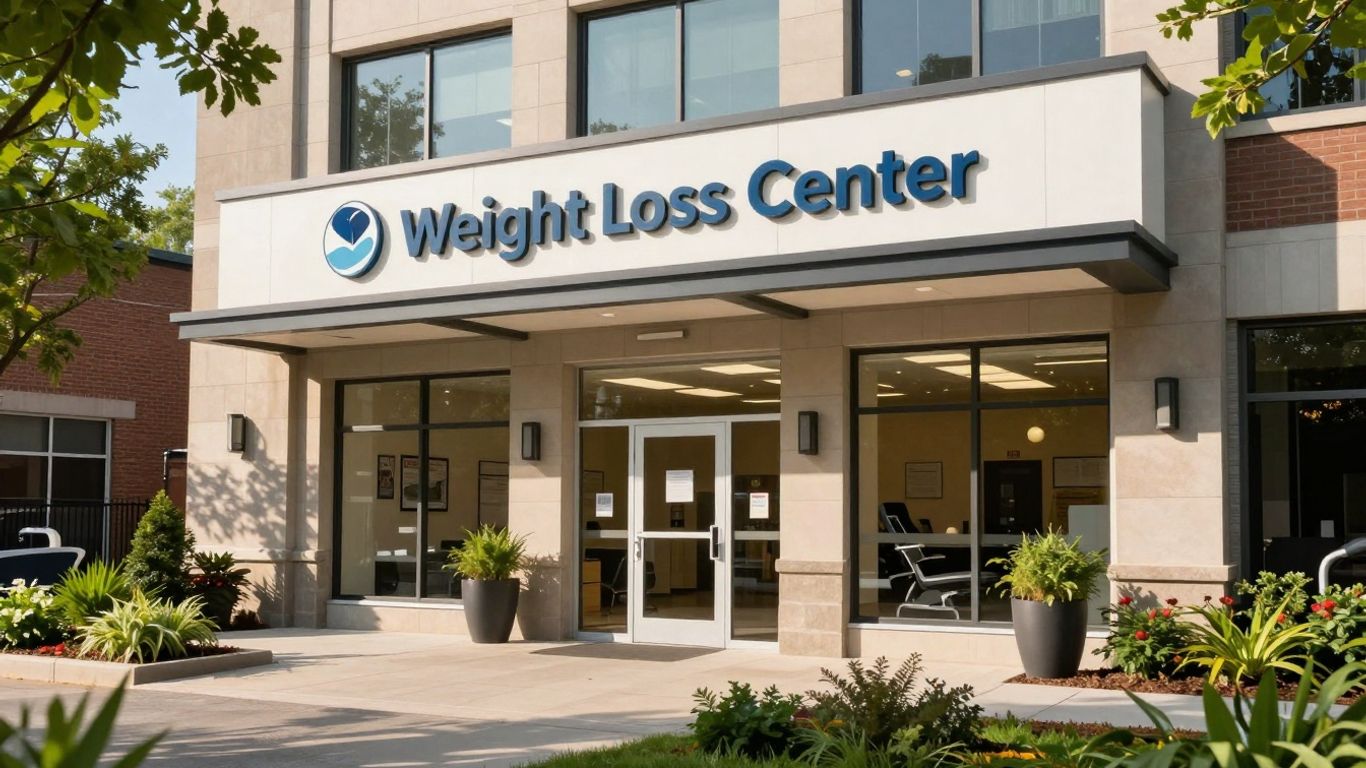
The Chicago Weight Program is a pretty thorough place if you’re looking to get a handle on your weight. They really seem to get that losing weight isn’t just about eating less and moving more; it’s way more complicated than that. They look at your whole picture – your medical history, any meds you’re on, and what your personal goals are. You can even do some of this through telehealth, which is handy.
One of the cool things they do is body-composition testing. This isn’t just about the number on the scale. They use things like resting metabolic rate (RMR) tests to figure out exactly how many calories your body needs, and bioimpedance analysis (BIA) to see how much fat and muscle you have. The goal here is to help you lose fat while keeping your muscle, which is super important for staying healthy long-term.
They focus on making a plan that actually fits you. It’s not a one-size-fits-all deal. They consider all the factors that might be making weight loss tough in the first place.
Here’s a general idea of how they approach things:
-
Initial Assessment: They dig into your medical background, lifestyle, and what you want to achieve.
-
Testing: Metabolic and body-composition tests to get precise data.
-
Personalized Plan: This includes diet, exercise, sleep, and stress management advice.
-
Medication Options: If it makes sense for you, they might discuss weight loss medications under close supervision.
-
Ongoing Support: Regular check-ins to adjust the plan and keep you on track.
It sounds like they really try to support you through the whole process, which can make a big difference when you’re trying to make lasting changes.
3. Greenspon Medical & Aesthetics
Greenspon Medical & Aesthetics has been around for a while, serving Chicago and the surrounding areas with healthcare and cosmetic treatments. They aim to be a bit different from the usual big hospital systems, focusing on making patients feel like the priority. Dr. James Greenspon has a lot of experience and a friendly approach, making visits more comfortable. They offer a range of services, including family practice and weight loss programs.
They also provide aesthetic treatments like Botox, fillers, and skin treatments, alongside services like Emsculpt for body contouring. If you’re looking for skincare products, they have those too. It sounds like they try to be a one-stop shop for both general health and looking good.
The team at Greenspon Medical & Aesthetics believes that healthcare shouldn’t be complicated or overly expensive. They strive to offer a more personal touch, which can be a welcome change for many.
They accept walk-ins for routine care and weight loss, though appointments are recommended for cosmetic procedures. You can find them in Lansing or Northfield.
4. Online Doctor Visit – Chicago
Sometimes, getting to a doctor’s office feels like a whole workout in itself, right? That’s where online doctor visits in Chicago come in handy. They’re a super convenient way to start your weight loss journey without leaving your couch. You can chat with a healthcare professional right from your computer or phone.
These virtual appointments usually kick off with a thorough review of your health history. Think about everything: what you eat, any medications you’re on, and what your personal health goals are. It’s all about getting a clear picture of where you’re starting from. The goal is to figure out what’s best for you specifically.
Here’s a general idea of what you might expect:
-
Initial Consultation: Discuss your weight concerns, medical background, and lifestyle with the doctor via video call.
-
Assessment: The doctor might review any recent lab work or suggest specific tests to understand your body better.
-
Plan Development: Based on the consultation, they’ll help outline a potential path forward, which could include dietary advice, exercise suggestions, or discussing medical options.
It’s important to remember that while online visits are great for starting out and for follow-ups, they might not replace every in-person visit. Some aspects of weight management, like certain physical exams or tests, may still require a trip to the clinic.
This approach makes getting professional advice much more accessible, especially if you have a busy schedule or live a bit further out from a clinic. It’s a modern way to get the ball rolling on your health goals.
5. Metabolic & Body-Composition Testing
So, you’re looking to shed some pounds, right? It’s not just about cutting calories. To really get a handle on what’s going on with your body, we need to look a bit deeper. That’s where metabolic and body-composition testing comes in. Think of it as getting a detailed report card for your body’s inner workings.
We’re talking about figuring out your Resting Metabolic Rate (RMR). This tells us how many calories your body burns just to keep things running while you’re at rest. Knowing this number is super helpful for setting up a realistic and effective nutrition plan. No more guessing games with your calorie intake!
Then there’s body-composition analysis. This goes beyond just stepping on a scale. We use methods like bioimpedance analysis (BIA) to break down what your body is made of. We’re looking at your fat mass, your lean muscle mass, and even your hydration levels. The goal here is to make sure you’re losing fat, not precious muscle. Losing muscle can actually slow down your metabolism, which is the opposite of what we want.
Here’s a quick look at what these tests can reveal:
-
Resting Metabolic Rate (RMR): Your baseline calorie burn.
-
Fat Mass: The amount of fat your body carries.
-
Lean Body Mass: Includes muscle, bone, and organs – the stuff that keeps you strong and active.
-
Body Water Percentage: Crucial for overall health and metabolic function.
Understanding these metrics gives us a clear starting point. It helps us tailor your weight loss journey specifically to you, rather than following a one-size-fits-all approach that rarely works in the long run. It’s about working smarter, not just harder.
These tests aren’t just a one-time thing, either. They’re often used throughout your program to track progress and make adjustments. Seeing those numbers change in the right direction can be a huge motivator. It shows you that what you’re doing is actually working.
6. Personalized Treatment Plan
Okay, so you’ve had your initial check-ups, maybe some tests done. Now comes the really important part: figuring out a plan that’s just for you. This isn’t a one-size-fits-all deal, not at all. What works for your neighbor might not do much for you, and that’s totally normal.
Your plan will be built around what makes you tick, your body’s specific needs, and your lifestyle. Think of it like getting a custom suit made versus buying one off the rack. It’s going to fit better and feel a whole lot more comfortable.
Here’s generally what goes into it:
-
Nutrition Strategy: This isn’t just about telling you to eat less. It’s about finding the right kinds of foods and the right amounts that fuel your body and help you reach your goals without feeling deprived.
-
Activity Plan: We’ll look at what kind of movement you enjoy (or can tolerate!) and build it into your week. It might be walking, hitting the gym, or even just finding ways to be more active throughout your day.
-
Lifestyle Adjustments: Sleep and stress play a bigger role than most people realize. Your plan might include tips on how to get better sleep or manage stress, which can really impact your weight.
-
Medication (If Needed): For some folks, certain medications can be a helpful tool, especially when combined with other changes. This is always a decision made with your doctor, looking at what’s best for your health.
The key here is that this plan isn’t set in stone. It’s a starting point. We know that bodies change, life happens, and sometimes things need tweaking. That’s why the follow-up is so important – to make sure the plan is still working for you and adjust it as needed. It’s a collaborative effort, really.
7. Ongoing Follow-Ups & Coaching
Sticking with a weight loss plan isn’t a one-and-done deal, right? It’s more like a marathon than a sprint. That’s where regular check-ins and a good coach come into play. Think of it as having a support system that’s actually invested in your progress. These follow-ups aren’t just about weighing yourself; they’re about talking through what’s working, what’s not, and why.
Your team will help you adjust your plan as you go. Maybe your metabolism has shifted, or perhaps your lifestyle has changed. Whatever it is, they’ll tweak things to keep you moving forward. It’s all about making sure the plan stays tailored to you.
Here’s what you can generally expect:
-
Regular Appointments: These could be weekly, bi-weekly, or monthly, depending on your needs. You can usually choose between in-person visits or virtual sessions.
-
Progress Tracking: Beyond just the scale, they’ll look at body composition, energy levels, and how you’re feeling overall.
-
Problem-Solving: Hit a plateau? Struggling with cravings? Your coach is there to help you figure out strategies to overcome these hurdles.
-
Accountability: Knowing you have someone to report to can be a huge motivator.
-
Education: You’ll learn more about nutrition, exercise, and healthy habits along the way.
Weight management is often a journey with ups and downs. It’s not about perfection, but about persistence and having the right guidance to get back on track when you stumble. The support you get during these follow-ups can make all the difference in achieving lasting results.
8. Nutritionist – Chicago, IL
Finding the right nutritionist in Chicago can make a huge difference when you’re trying to lose weight. It’s not just about telling you what to eat; it’s about understanding your body, your habits, and your life.
A good nutritionist looks at the whole picture. They’ll consider your medical history, any medications you’re taking, and your personal goals. They help you create a realistic eating plan that fits into your daily routine. This isn’t a one-size-fits-all approach. Instead, it’s tailored specifically to you.
Here’s what you might expect when working with a nutritionist:
-
Initial Assessment: Discussing your eating habits, lifestyle, and health objectives.
-
Personalized Meal Guidance: Developing a food plan that suits your preferences and dietary needs.
-
Education: Learning about balanced nutrition and how different foods affect your body.
-
Behavioral Support: Strategies to overcome common eating challenges and emotional eating.
Sometimes, weight issues are tied to more than just food. A nutritionist can help you explore these connections. For instance, they might discuss how stress or sleep patterns impact your eating habits. They can also work alongside other healthcare providers, like doctors or dietitians, to give you the best support possible. If you’re looking for professional help, consider checking out someone like Megan O’Grady, a Registered Dietitian Nutritionist located in the city Megan O’Grady.
Working with a nutritionist is about building sustainable habits. It’s a partnership focused on long-term health and well-being, not just a quick fix. They provide the knowledge and encouragement you need to make lasting changes.
9. Medical Weight Management

When you’re looking to shed some pounds, sometimes just hitting the gym and watching what you eat isn’t enough. That’s where medical weight management comes in. It’s not just about a quick fix; it’s a structured approach that looks at your overall health and the reasons behind your weight. This type of program uses science and medical expertise to help you reach your goals.
Think of it like this: your body is complex, and weight can be affected by all sorts of things – your genes, hormones, even the medications you’re taking. A medical weight management program digs into all of that. They’ll likely start with a thorough check-up, including blood tests and a review of your medical history. This helps them figure out what’s going on beneath the surface.
Based on what they find, they’ll create a plan just for you. This might include:
-
Personalized Nutrition Plans: Tailored advice on what to eat, focusing on balanced meals that fuel your body.
-
Activity Recommendations: Guidance on how to incorporate exercise safely and effectively.
-
Behavioral Support: Strategies to help you manage stress, sleep better, and build healthy habits.
-
Medication Options: Sometimes, specific weight loss medications can be a helpful tool when used under strict medical supervision. These aren’t a magic bullet, but they can support your efforts when combined with lifestyle changes. For example, programs might offer treatments like Semaglutide or Tirzepatide, but always with careful monitoring.
It’s important to remember that medical weight management is a partnership. The goal is sustainable, long-term success, not just rapid weight loss. You’ll have regular check-ins to track your progress and make adjustments as needed. This ongoing support is key to staying on track and making lasting changes.
These programs often work with a team, which can include doctors, dietitians, and even psychologists, all focused on your well-being. If you’re in Chicago and looking for a more guided path to weight loss, exploring options like physician-guided medical weight loss could be a great next step.
10. Weight Loss Medications
When lifestyle changes alone aren’t enough, weight loss medications can be a helpful tool. These aren’t a magic bullet, but when used correctly and as part of a larger plan, they can make a real difference for some people. Think of them as an assist, not the whole game.
Newer medications, like those in the semaglutide and tirzepatide classes, have shown significant results. They work by affecting appetite and how your body processes food. However, it’s super important to know they aren’t for everyone. Using them without proper guidance can lead to issues like losing muscle mass or bone density. That’s why a doctor’s supervision is key. They’ll figure out if these drugs are a good fit for your specific health situation and goals.
Here’s a quick look at how they fit into a program:
-
Medical Assessment: First, a thorough check-up to understand your health history and current condition.
-
Medication Prescription: If appropriate, a prescription is given, often not on the very first visit.
-
Lifestyle Integration: Medications are most effective when combined with diet changes and exercise.
-
Monitoring: Regular check-ins to track progress and manage any side effects.
It’s really about finding the right combination of tools for each individual. Medications can help counteract some of the body’s natural resistance to losing weight, making it easier to achieve and maintain a healthier weight when paired with behavioral therapy and lifestyle adjustments. The goal is always sustainable health, not just a quick fix.
It’s also worth noting that sometimes medications can interact with other prescriptions you might be taking, like antidepressants. Doctors experienced in weight management will talk through all these possibilities with you. They’re also aware of the importance of ensuring patients have access to support beyond just the prescription, like behavioral therapy. Remember, there have been instances of counterfeit medications circulating, so always get your prescriptions from legitimate sources, like a trusted Chicago medical provider.
Insurance coverage can vary, depending on your health conditions and your specific plan. Many programs can help you sort out what’s covered and what isn’t.
Finding Your Path to a Healthier You
So, if you’re in Chicago and looking to shed some extra pounds, remember you’re not alone in this journey. There are many places right here in the city that can help. From detailed check-ups and body scans to personalized meal and exercise plans, these centers offer the support you need. Sometimes, it’s about more than just diet and exercise; it can involve understanding your body’s unique needs, maybe even using medication under doctor’s care, and getting that crucial psychological support. Don’t get discouraged if past attempts didn’t work out. Reaching out to a weight loss center in Chicago could be the next step toward achieving your health goals and feeling better overall. It’s about finding what works for you and getting that professional guidance along the way.
Frequently Asked Questions
How does a medical weight loss program work?
A medical weight loss program starts with understanding you. We look at your health history, any medicines you take, and run tests to see what might be affecting your weight. Then, we create a personal plan just for you. This plan might include diet changes, exercise tips, and sometimes weight loss medicines. We’re here to support you long-term.
How much weight can I expect to lose?
The amount of weight lost varies for everyone. Our main goal is to help you lose weight in a healthy way and keep it off for good. Even losing a small amount of weight, like 10% of your body weight, can make a big difference in your health. We focus on lasting success and improving your overall well-being.
How fast will I lose weight?
We focus more on helping you lose weight steadily and healthily rather than rushing it. The speed of weight loss depends on your individual health and the plan you follow. Our team works with you to make sure you’re reaching your goals in a way that’s good for your health and that you can stick with.
Do you offer weight loss medications?
Yes, we can offer weight loss drugs if they are right for you and when used with proper guidance. Newer medications like semaglutide and tirzepatide can be effective. However, they aren’t for everyone and need to be part of a complete plan. We usually don’t prescribe them on the first visit.
Does insurance cover medical weight loss?
Sometimes, insurance can cover parts of medical weight loss programs, especially if you have certain health conditions. Our team can help you figure out what your insurance covers and what your benefits are.
Why is psychology important in weight loss?
Changing your eating habits and lifestyle can be tough. Sometimes, we eat for emotional reasons, not just because we’re hungry. Our program includes support to help you manage stress, emotional eating, and build healthy habits that last. It’s about changing your behavior, not just your diet.