
Looking to shed some pounds in San Antonio, Texas? Finding the right place can feel like a big task. There are several spots that focus on helping people lose weight, offering different kinds of support. From clinics that use medical supervision to those that focus on specific medications, the Best Weight Loss Management Clinics San Antonio has options for many needs. We’ve gathered some of the top places to check out.
Key Takeaways
-
Medi-Weightloss San Antonio offers a medically supervised program with personalized plans, including medications and nutritional guidance for sustainable results.
-
Alamo Slim Clinic provides comprehensive wellness and weight loss solutions, using advanced technology and offering both in-clinic and telehealth options.
-
RescueMD focuses on a personalized approach with clinician-guided roadmaps, including medical nutrition therapy and medication management when suitable, avoiding quick-fix claims.
-
Methodist Hospital Landmark Bariatric and Weight Loss Center offers various weight loss surgeries and lifestyle coaching for those seeking surgical options.
-
Several clinics offer weight loss medications like Tirzepatide (Zepbound®), Semaglutide (Wegovy®), and Liraglutide (Saxenda®) as part of supervised programs to manage appetite and chronic weight.
1. Medi-Weightloss San Antonio
If you’re in San Antonio and looking for a structured way to shed some pounds, Medi-Weightloss might be worth checking out. They focus on a medically supervised approach, which means doctors are involved in creating your plan. It’s not just about a quick fix; they aim for a lifestyle change that sticks.
Their program is broken down into phases, and they really emphasize personalized plans. This includes things like nutritional guidance and, when appropriate, weight loss medications. The idea is to help you lose fat and then keep it off for good. They’ve been around for a while, and their local team is there to support you through the whole process.
Here’s a general idea of what you might experience:
-
Initial Assessment: They’ll look at your medical history, lifestyle, and goals to create a starting point.
-
Personalized Plan: This usually involves a specific eating plan and may include medication.
-
Ongoing Support: Regular check-ins with the clinical team to monitor progress and make adjustments.
-
Lifestyle Education: Learning how to maintain your weight loss long-term.
They also mention having helped people lose over 10 million pounds total, which is quite a number. It seems like they try to make the journey less stressful by having professionals guide you. If you’re curious, you can start by getting a free weight loss assessment. You can find them at 7410 John Smith Dr, Suite 212, San Antonio, TX 78229. They are open Tuesday through Friday, with varying hours, and closed on Sundays and Mondays. It’s a good idea to look into Medi-Weightloss San Antonio to see if their method aligns with what you’re looking for.
2. Alamo Slim Clinic

Alamo Slim Clinic is a place in San Antonio that focuses on helping people lose weight. They offer a few different things to help you on your journey. You can go there in person, or if that’s not possible, they also do telehealth, which means you can connect with them from home.
They use medical weight loss injections, which can be a big part of their plan. It’s not just about the injections, though. They also have some cool technology to help you see your progress. One of these is the STYKU 3D Body Scanner. This scanner gives you really precise measurements, way better than just a tape measure. Seeing those numbers change can be a real motivator, you know?
Beyond that, they offer something called Cryo Slimming. Basically, it uses cold temperatures on your body. The idea is that your body works harder to stay warm, which might help burn more calories. They also have Cryo Facials, which are supposed to make your skin look better by boosting collagen. It’s a bit of a mix of weight loss and some aesthetic treatments.
Here’s a quick look at what they offer:
-
Medical weight loss injections
-
STYKU 3D Body Scanner for precise measurements
-
Cryo Slimming treatments
-
Cryo Facials
-
In-clinic and telehealth options
They seem to really want to support you throughout the whole process. They mention regular check-ins and making sure you have a plan that works for you, whether you’re there in person or connecting remotely. It’s about more than just a quick fix; they aim for ongoing care to help you reach your goals.
3. RescueMD
RescueMD is a place in San Antonio that really focuses on helping you lose weight, but not just by handing out pills. They combine medical know-how with coaching to create a plan that’s just for you. It starts with a good look at your health history, what you eat, how you live, and what you want to achieve. From there, they map out a path that might include special diets, and yes, sometimes medication if it makes sense for your situation. They’re big on tracking your progress, too, but they look at more than just the number on the scale. Things like your measurements and how your clothes fit are important too. They even use something called bioimpedance analysis to get a better idea of fat versus muscle changes, though they’re careful to explain that this is just one piece of the puzzle.
They also put a lot of effort into the nutrition and fitness parts of losing weight. Forget those crazy diets that you can’t stick to. Their dietitians work with you to figure out meals that fit your tastes – even your favorite Tex-Mex dishes – and make them healthier. You get practical meal ideas and tips for when you hit a plateau. And for exercise, they build routines that fit into real life, whether you’re just starting out or getting back into it. They even offer virtual programs if that’s more your speed.
RescueMD emphasizes that medication is just one tool in the toolbox, not a magic fix. They’re all about a balanced approach. They also mention that they screen patients carefully for things like GLP-1 treatments, discussing the pros and cons, and adjusting doses as needed. It’s all part of their commitment to a safe and effective weight loss journey. If you’re looking for a more personalized approach to weight loss in San Antonio, RescueMD is definitely worth checking out. You can explore their online weight loss options or learn more about their specific GLP-1 weight loss program to see if it’s the right fit for you.
4. Methodist Hospital Landmark Bariatric and Weight Loss Center
Methodist Hospital Landmark Bariatric and Weight Loss Center in San Antonio offers a variety of ways to help you on your weight loss journey. They understand that losing weight isn’t always easy, and they’re committed to helping people live healthier lives. Whether you’re considering surgery or looking for non-surgical options, their team is there to support you.
They provide several surgical procedures, including sleeve gastrectomy, Roux-en-Y gastric bypass, and duodenal switch. They also handle lap band removal and anti-reflux procedures like hiatal hernia repair and fundoplication. For those who prefer not to have surgery, there’s a medically managed weight-loss program. This program involves regular doctor visits, a personalized nutrition plan, and, when appropriate, prescribed weight-loss medications.
Lifelong support is a big part of their approach.
Here’s a look at what they offer:
-
Surgical Options: Procedures like gastric bypass, sleeve gastrectomy, and duodenal switch.
-
Non-Surgical Management: Medically supervised weight loss with custom nutrition and medication plans.
-
Support Groups: Facilitated meetings (virtual and in-person) for emotional support and encouragement.
-
Post-Surgery Care: Specialized eating plans and ongoing follow-up to help maintain results.
They emphasize that weight loss surgery isn’t a magic fix but a tool that works best with proper diet and lifestyle changes. Following their post-surgery eating plans is mandatory for patient safety and success.
5. Weight Loss Medication
When diet and exercise alone aren’t cutting it, weight loss medications can be a helpful tool. These aren’t magic pills, though; they work best when combined with a solid plan for eating and moving more. Think of them as a support system to help you reach your goals.
Several types of medications are available, and they work in different ways. Some help you feel fuller, so you eat less. Others might affect how your body processes food or manages blood sugar. It’s really important to talk to a doctor to figure out which, if any, medication is right for you. They’ll look at your health history, any other conditions you have, and what you’re hoping to achieve.
Here’s a quick look at some common approaches:
-
Appetite Suppressants: These can help reduce hunger and cravings.
-
Fat Absorption Blockers: These medications interfere with how your body absorbs fat from food.
-
Hormone Mimics: Some newer medications mimic hormones that regulate appetite and blood sugar.
Your doctor will consider factors like:
-
Your current weight and any weight-related health issues (like diabetes or high blood pressure).
-
How you’ve responded to previous weight loss attempts.
-
Potential side effects and how they might affect you.
-
How the medication fits into your overall lifestyle and treatment plan.
Remember, these medications are prescribed as part of a broader weight management strategy. They are not a standalone solution and require ongoing medical supervision to ensure they are safe and effective for your individual needs.
6. GLP-1 Medications
You might have heard about GLP-1 medications, and for good reason. These are a class of drugs that have shown some real promise in helping people manage their weight. They work by mimicking a hormone your body naturally produces, which helps regulate appetite and blood sugar.
GLP-1 medications can be a helpful tool for weight loss when used as part of a broader plan. They’re not a magic bullet, but for many, they can make a significant difference. Think of them as helping to dial down those constant hunger signals and making you feel fuller sooner after eating. This can make sticking to a healthier eating plan feel a lot more manageable.
Here’s a quick look at how they generally work:
-
Slows Stomach Emptying: This means you feel full for longer after a meal.
-
Reduces Appetite: They signal to your brain that you’re not as hungry.
-
Improves Blood Sugar Control: This is a key benefit, especially for individuals with type 2 diabetes, but it also plays a role in overall metabolic health.
It’s important to know that these medications are typically prescribed by a doctor after a thorough evaluation. They’ll consider your medical history, current health status, and whether a GLP-1 is the right fit for you. Side effects can happen, like nausea or digestive upset, but doctors work to manage these by starting with a low dose and adjusting it slowly.
Eligibility for GLP-1 medications is determined on an individual basis, taking into account factors like BMI, medical history, and other health conditions. They are most effective when combined with lifestyle changes such as diet and exercise.
7. Tirzepatide
Tirzepatide is a newer medication that’s been making waves in the weight loss world. It actually works in two ways, targeting hormones that help control appetite and blood sugar. This dual action can lead to significant weight loss for many people. It’s administered as an injection, and like other medications in this class, it’s typically prescribed for individuals with a certain BMI or weight-related health conditions.
It’s important to discuss Tirzepatide with a healthcare provider to see if it’s the right fit for your specific health needs. They can go over the potential benefits and any possible side effects. Some common things people experience include nausea or changes in appetite, but these often lessen over time as your body adjusts. Your doctor will likely start you on a low dose and gradually increase it.
Here’s a quick look at how it generally works:
-
Targets appetite-regulating hormones.
-
Helps improve blood sugar control.
-
Administered via injection.
-
Requires medical supervision.
Many clinics in San Antonio are now offering Tirzepatide as part of their weight management programs. For instance, some places provide specialized Tirzepatide treatments designed to support your health journey. It’s all about finding a plan that works for you and your body.
When considering Tirzepatide, remember it’s a tool to aid in weight loss, not a magic bullet. It works best when combined with healthy eating habits and regular physical activity. A healthcare professional will help you create a comprehensive plan.
8. Semaglutide
Semaglutide is a medication that’s been getting a lot of attention lately for weight loss. It belongs to a class of drugs called GLP-1 receptor agonists. Basically, it works by mimicking a hormone your body naturally produces, which helps regulate appetite and blood sugar.
When used for weight management, semaglutide helps you feel fuller for longer and can reduce cravings. This often leads to eating less without feeling constantly deprived. It’s typically administered as a weekly injection, and healthcare providers will work with you to figure out the right dosage. It’s not a magic bullet, though; it’s meant to be part of a larger plan that includes diet and exercise.
Here’s a quick look at how it generally works:
-
Appetite Regulation: It signals to your brain that you’re full, reducing hunger.
-
Slower Digestion: It can slow down how quickly your stomach empties, contributing to that feeling of fullness.
-
Blood Sugar Control: While not its primary weight loss function, it also helps manage blood sugar levels.
It’s important to get semaglutide prescribed by a doctor. They’ll do a full evaluation to see if it’s a good fit for you, considering your health history and any other medications you might be taking. They’ll also discuss potential side effects, which can include things like nausea or digestive upset, and how to manage them. Many clinics in San Antonio offer GLP-1 medications as part of their weight loss programs.
Remember, while semaglutide can be a powerful tool, it’s most effective when combined with lifestyle changes. Think of it as a support system for adopting healthier eating habits and increasing physical activity.
9. Liraglutide
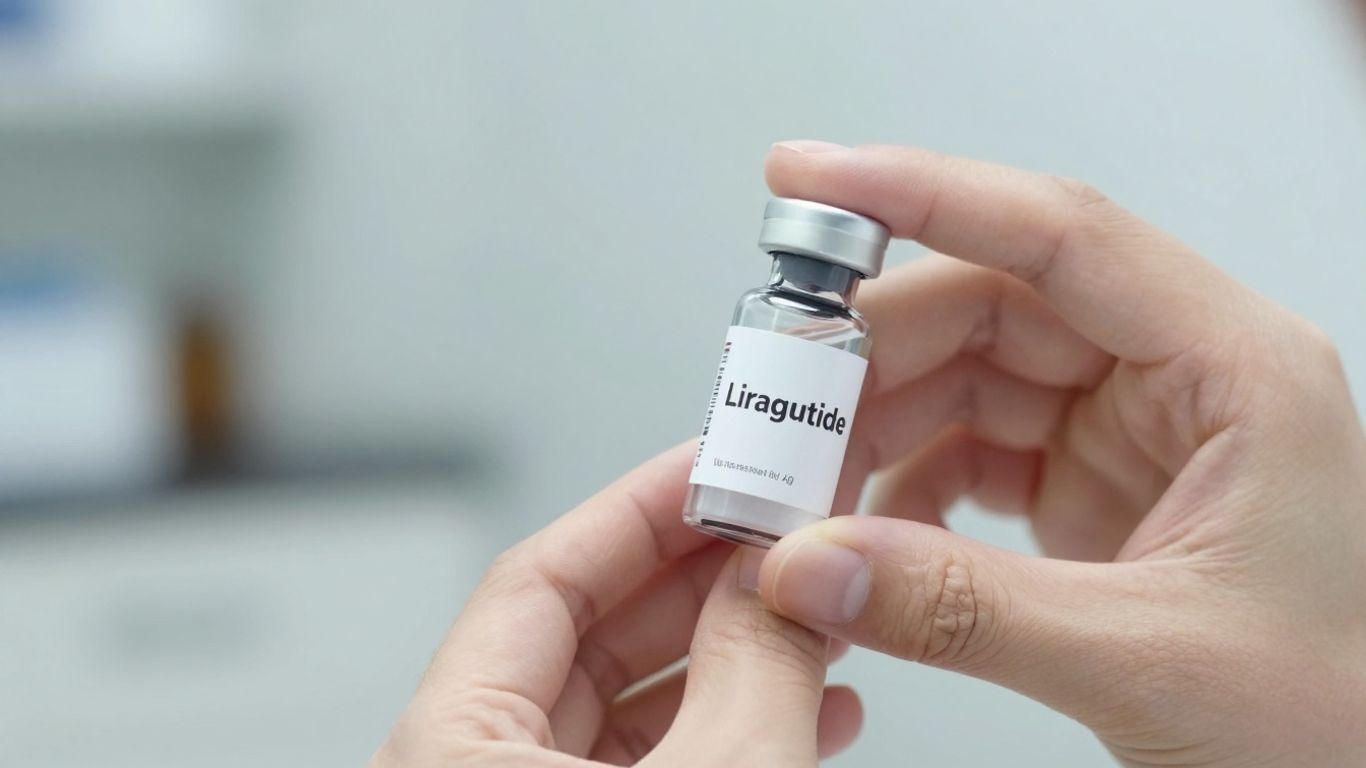
Liraglutide is a medication that’s been used for weight management. It works by mimicking a hormone your body naturally produces, called GLP-1. This hormone helps regulate your appetite by signaling to your brain that you’re full. So, when you take liraglutide, you might feel less hungry and more satisfied with smaller amounts of food.
It’s typically given as a daily injection, and it’s meant to be used along with a reduced-calorie diet and increased physical activity. It’s not a magic pill, but for some people, it can be a helpful tool.
Here’s a quick look at how it generally works:
-
Appetite Control: It slows down how quickly your stomach empties, making you feel full for longer.
-
Brain Signals: It affects the parts of your brain that control hunger and cravings.
-
Blood Sugar: It can also help improve blood sugar control, which is a nice bonus for many.
It’s important to remember that liraglutide, like any medication, has potential side effects. Some common ones include nausea, vomiting, diarrhea, or constipation. These often lessen over time as your body adjusts. It’s also not suitable for everyone, so a doctor needs to assess if it’s the right choice for you based on your health history and other medications.
When considering liraglutide, it’s best to work with healthcare professionals who can guide you through the process. They can help determine if it’s appropriate for your weight loss journey and monitor you for any side effects. This approach ensures you’re using the medication safely and effectively as part of a broader health plan.
10. Saxenda®
Saxenda is a prescription medication used for weight management. It’s an injectable drug that works by mimicking a hormone called glucagon-like peptide-1 (GLP-1). This hormone plays a role in regulating appetite and food intake. By acting like GLP-1, Saxenda helps you feel fuller for longer and can reduce cravings, which often leads to eating less.
It’s important to know that Saxenda is intended for individuals who have a body mass index (BMI) of 30 or greater, or a BMI of 27 or greater with at least one weight-related condition, like high blood pressure or type 2 diabetes. It’s typically used along with a reduced-calorie diet and increased physical activity.
Here’s a quick look at how it generally works:
-
Appetite Control: Saxenda helps to slow down how quickly your stomach empties, making you feel satisfied after eating smaller portions.
-
Reduced Food Intake: By managing hunger and fullness signals, it can help you consume fewer calories throughout the day.
-
Long-Term Management: It’s designed for chronic weight management, meaning it’s part of an ongoing plan to maintain weight loss.
When considering Saxenda, your healthcare provider will conduct a thorough evaluation. This usually includes a review of your medical history, current medications, and possibly some lab tests. They’ll discuss the potential benefits and risks, and determine if it’s the right choice for your specific health situation. Like any medication, there can be side effects, and it’s crucial to have these conversations with your doctor to manage them effectively.
Using Saxenda involves a commitment to lifestyle changes. While the medication can be a powerful tool, it works best when combined with healthy eating habits and regular exercise. Your doctor will guide you on how to integrate these changes for the best possible outcome.
Ready to Start Your Journey?
Finding the right place to help you lose weight in San Antonio can feel like a big step, and honestly, it is. But with options like Medi-Weightloss San Antonio, Alamo Slim Clinic, and RescueMD, you’ve got some solid choices. They all seem to focus on personalized plans, whether that’s through medical supervision, nutrition help, or even new medication options. It’s not just about shedding pounds; it’s about finding a sustainable way to feel better. So, take a look at what each place offers, and don’t be afraid to reach out and ask questions. Your health journey is yours, and finding the right support makes all the difference.
Frequently Asked Questions
What kind of help can I expect at a weight loss center?
Weight loss centers offer different kinds of help. Some have doctors and nurses who create special plans for you. These plans might include healthy eating advice, exercise tips, and sometimes medicines to help you lose weight. They often check your progress regularly to make sure you’re doing well.
Are weight loss medications safe?
When prescribed and watched over by a doctor, weight loss medicines can be safe for many people. These medicines can help control your hunger or make you feel fuller. It’s important to talk to your doctor about any health conditions you have and any other medicines you are taking.
What are GLP-1 medications?
GLP-1 medications are a type of drug that can help with weight loss. They work by making you feel less hungry and more full. Examples of these include semaglutide and liraglutide. Doctors often suggest these as part of a bigger plan that includes diet and exercise.
How do I know if I’m a good candidate for weight loss treatment?
To figure out if you’re a good fit for a weight loss program or medication, centers usually look at your body mass index (BMI), your overall health history, and any other health issues you might have. They want to make sure the plan is safe and right for you.
Can I use my insurance or HSA/FSA for weight loss services?
Some weight loss centers accept insurance or allow you to use your Health Savings Account (HSA) or Flexible Spending Account (FSA) funds. It’s a good idea to check with the specific center and your insurance provider to see what’s covered, as plans can differ a lot.
What happens after I reach my weight loss goal?
Reaching your goal is a big step! Most centers offer support to help you keep the weight off. This might involve learning how to maintain healthy habits, adjusting your eating plan, and continuing to check in with your healthcare team to make sure you stay on track for the long run.