Blog

  • Best Lose Weight Clinics Fat Loss Weight Management Doctors Centers Near Me Arlington Texas TX

    Best Lose Weight Clinics Fat Loss Weight Management Doctors Centers Near Me Arlington Texas TX

    Looking for ways to shed some pounds in Arlington, Texas? It can be tough to know where to start, right? There are so many options out there, from doctor-supervised programs to new medications. This guide aims to break down what’s available near you to help you find the best Weight Loss Clinics Arlington TX has to offer. We’ll cover different approaches, from medical interventions to lifestyle changes, and touch on how to pay for it all.

    Key Takeaways

    • Medical weight loss focuses on sustainable changes with professional guidance, not just quick fixes.

    • Medications like Semaglutide (Ozempic, Wegovy), Tirzepatide (Mounjaro, Zepbound), and Rybelsus can help manage appetite and weight.

    • Bariatric surgery is an option for significant weight loss, with both insurance and cash pay possibilities.

    • Lifestyle changes, including nutrition plans and exercise, are vital components of any successful weight management strategy.

    • Understanding health risks associated with obesity, such as hypertension and type 2 diabetes, can motivate the weight loss journey.

    1. Medical Weight Loss

    When you’re looking to shed some pounds, especially if you’ve tried other methods without lasting success, medical weight loss might be the way to go. It’s not about quick fixes or extreme diets; it’s a more structured approach that puts your overall health first. The main idea is to work with healthcare professionals to create a plan tailored just for you.

    Think of it like this: instead of just guessing what works, you have a team guiding you. They look at your body, your habits, and your goals to figure out the best path forward. This often involves a mix of things, not just one magic bullet. You might get advice on what to eat, how to move your body more, and sometimes, even medication to help things along.

    Here’s a breakdown of what medical weight loss can involve:

    • Personalized Assessment: A doctor or specialist will evaluate your current health, weight history, and any underlying conditions.

    • Nutrition Guidance: You’ll get advice on eating habits that support weight loss and long-term health, moving beyond generic diet advice.

    • Activity Plans: Suggestions for incorporating physical activity into your daily life that fit your fitness level and preferences.

    • Medication Options: For some, prescription medications can be a helpful tool to manage appetite or metabolism, always under medical supervision.

    • Behavioral Support: Addressing the mental and emotional aspects of weight management is also key.

    Unlike fad diets that can leave you feeling deprived and eventually lead to weight regain, medical weight loss focuses on sustainable changes. The goal is to help you lose weight safely and keep it off, improving your health in the process. It’s about building healthier habits for the long haul, not just a temporary fix. If you’re serious about managing your weight, exploring options like peptide injections could be a good starting point.

    2. Weight Management

    Weight management is more than just a number on the scale; it’s about finding a healthy balance that works for your body long-term. It’s not about quick fixes or extreme diets that leave you feeling deprived. Instead, it focuses on creating sustainable habits that improve your overall health and well-being.

    The goal is to achieve and maintain a healthy weight through a combination of sensible eating and regular physical activity. This approach helps reduce the risk of various health issues, including high blood pressure, type 2 diabetes, and heart problems. It’s about feeling good, having more energy, and improving your quality of life.

    Here’s what effective weight management often involves:

    • Personalized Assessment: Understanding your current health status, lifestyle, and specific goals.

    • Nutritional Guidance: Learning how to make healthier food choices that provide necessary nutrients without excess calories.

    • Physical Activity Integration: Finding ways to incorporate movement into your daily routine that you actually enjoy.

    • Behavioral Support: Addressing the emotional and psychological aspects of eating and weight.

    It’s a journey, and having a supportive team can make all the difference. They can help you create a plan tailored to your needs and guide you through challenges. If you’re looking for professional help, you can request a consultation online or call (817) 228-4315 to schedule an appointment.

    Sustainable weight management is about building a healthier relationship with food and your body, rather than just focusing on weight loss itself. It’s a continuous process of learning and adapting to find what truly supports your health.

    3. Weight Loss Programs

    When you’re looking into losing weight, you’ll find there are a lot of different programs out there. It can feel a bit overwhelming trying to figure out which one is the best fit for you. Unlike quick fixes or fad diets that often don’t last, medical weight loss programs focus on your overall health and creating sustainable changes. These programs are designed to be personalized, taking into account your unique body, lifestyle, and health goals.

    These programs usually involve a team approach. You’ll often work with doctors, dietitians, and sometimes even health coaches. They help you figure out a plan that includes:

    • Nutrition Guidance: Learning what foods work best for your body and how to create balanced meals.

    • Activity Plans: Finding ways to incorporate more movement into your day that you actually enjoy.

    • Behavioral Support: Understanding the habits that affect your weight and learning strategies to change them.

    • Medical Monitoring: Regular check-ins to track your progress and make adjustments as needed.

    Some programs might also include options like medication or other treatments, depending on what’s right for you. The main idea is to support you in making lasting changes for better health. If you’re in the Arlington, Texas area, there are clinics that offer these kinds of non-surgical weight loss solutions, including physician-monitored plans and lifestyle coaching. Check out local clinics for more details on what they provide.

    The goal of a good weight loss program isn’t just about shedding pounds quickly. It’s about building healthier habits that stick, improving your overall well-being, and reducing the risk of health problems associated with excess weight. It’s a journey focused on long-term success and feeling better in your own skin.

    It’s important to find a program that feels right for you and that you can stick with. Think about what kind of support you need and what fits into your daily life. This approach helps you achieve your weight management goals in a healthy and effective way.

    4. Bariatric Surgery

    Bariatric surgery is a group of procedures that help you lose weight by making changes to your digestive system. It’s usually considered for people who have serious health problems related to their weight and haven’t been able to lose weight through other methods. These surgeries can significantly impact your health and well-being.

    There are several types of bariatric surgery, each working a bit differently:

    • Gastric Bypass (Roux-en-Y): This is one of the most common types. The surgeon creates a small pouch from the stomach and connects it directly to the small intestine, bypassing a large part of the stomach and the first section of the small intestine. This means you eat less and absorb fewer calories.

    • Sleeve Gastrectomy: Here, a large part of the stomach is removed, leaving a smaller, banana-shaped pouch. This limits how much food you can eat and also affects hormones that control hunger.

    • Adjustable Gastric Band: A band is placed around the upper part of the stomach to create a small pouch. This band can be adjusted over time. It’s less common now than it used to be.

    • Biliopancreatic Diversion with Duodenal Switch: This is a more complex procedure that involves removing part of the stomach and rerouting the small intestine. It’s usually for people with a very high BMI.

    Deciding on bariatric surgery is a big step. It’s not just about the operation itself; it involves a commitment to lifelong changes in diet and lifestyle. You’ll typically need to follow a specific eating plan before and after surgery, and regular follow-up with your medical team is a must. It’s important to discuss all the potential risks and benefits with your doctor to see if it’s the right weight loss solution for you.

    Bariatric surgery can lead to significant weight loss and improvement in obesity-related health conditions like type 2 diabetes, high blood pressure, and sleep apnea. However, it requires a serious commitment to lifestyle changes and ongoing medical supervision.

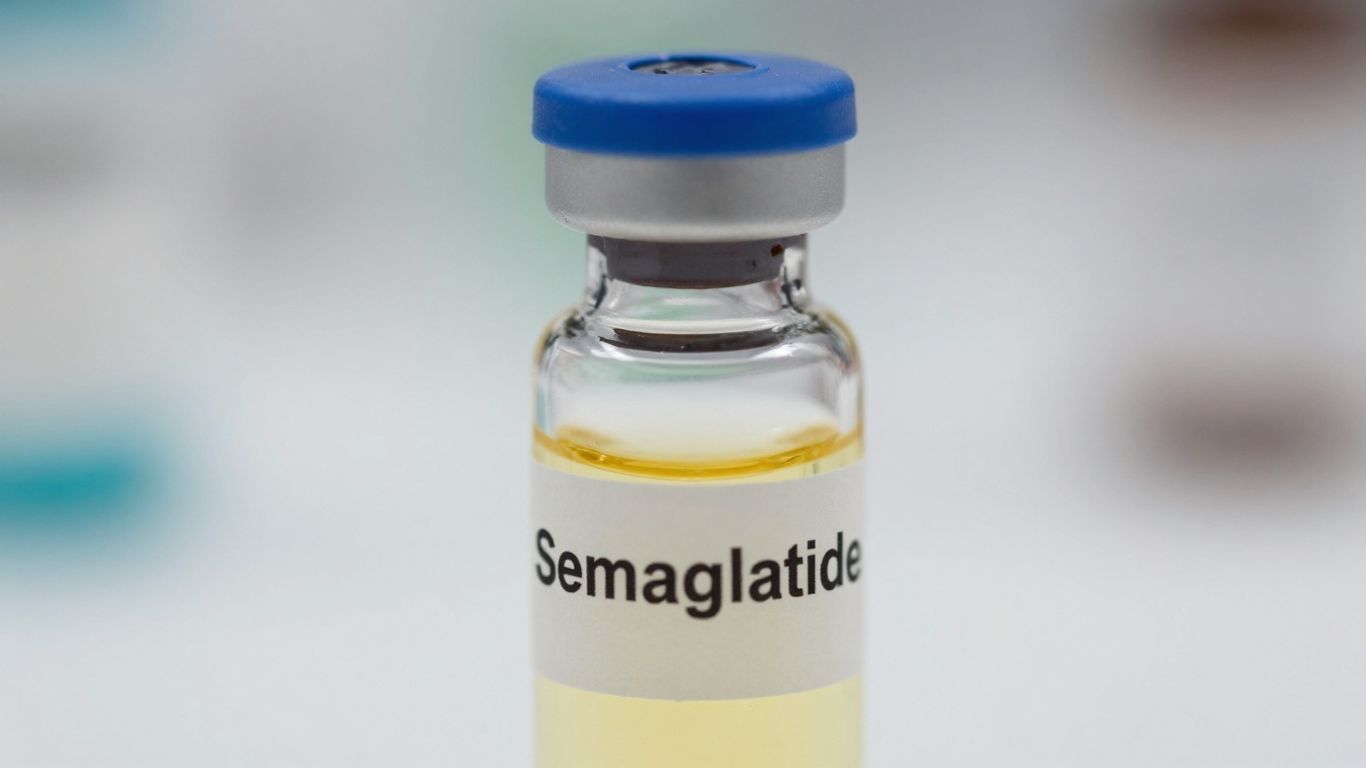
    5. Semaglutide

    Semaglutide is a medication that’s been getting a lot of attention lately, and for good reason. It belongs to a group of drugs called GLP-1 receptor agonists. Basically, it works by mimicking a hormone your body naturally produces after you eat, called GLP-1. This hormone does a couple of important things.

    First off, it helps your body release more insulin, which is great for managing blood sugar levels, especially if you have type 2 diabetes. But it also plays a role in your brain, signaling that you’re full and reducing your appetite. This dual action makes it a powerful tool for weight management.

    There are a few different ways semaglutide is available. You might have heard of Ozempic and Rybelsus, which are approved for managing type 2 diabetes. Then there’s Wegovy, which is specifically approved for weight loss in adults and even some adolescents, alongside diet and exercise. It’s not just about shedding pounds; it’s about helping people achieve a healthier weight and keep it off.

    When considering semaglutide, it’s important to remember it’s usually prescribed as part of a broader plan. This means it’s often used in conjunction with changes to your diet and exercise routine. It’s not a magic bullet, but for many, it’s a significant help in their weight loss journey.

    Here’s a quick look at some common uses:

    • Type 2 Diabetes Management: Helps control blood sugar levels.

    • Weight Loss: Aids in reducing body weight when combined with lifestyle changes.

    • Cardiovascular Risk Reduction: Ozempic, specifically, is approved to lower the risk of heart attack, stroke, and death in certain individuals with type 2 diabetes and heart disease.

    It’s always best to discuss with your doctor if semaglutide is the right option for you. They can go over the potential benefits, side effects, and how it fits into your personal health goals.

    6. Tirzepatide

    Tirzepatide is a newer medication that’s making waves in both diabetes management and weight loss. It’s pretty interesting because it works on two different hormone pathways in your body that help control blood sugar and appetite. Think of it as a dual-action approach.

    It’s designed to mimic two natural hormones: GLP-1 and GIP. These hormones are released after you eat and signal your body to produce insulin, which helps lower blood sugar. By activating both GLP-1 and GIP receptors, Tirzepatide can lead to better blood sugar control. But it doesn’t stop there; it also affects areas of the brain that tell you you’re full and can reduce hunger.

    This dual action is why it’s been effective for weight management. It helps people feel satisfied with smaller portions and can curb cravings, making it easier to stick to a reduced-calorie diet. It’s important to remember that like other medications in this class, Tirzepatide is meant to be used alongside a healthy lifestyle, including diet and exercise, not as a standalone solution.

    While Tirzepatide is approved for type 2 diabetes (under the brand name Mounjaro) and for weight loss (under the brand name Zepbound), it’s always prescribed by a doctor. They’ll figure out if it’s the right choice for you based on your health history and specific needs. It’s not a one-size-fits-all kind of thing.

    Here’s a quick look at what Tirzepatide does:

    • Helps lower blood sugar levels.

    • Reduces appetite and increases feelings of fullness.

    • Supports weight loss when combined with diet and exercise.

    • Can be prescribed for type 2 diabetes or for weight management purposes.

    It’s a prescription medication, so you’ll need to talk to your doctor to see if it’s a good fit for your weight loss journey here in Arlington, Texas.

    7. Ozempic

    Ozempic is a medication that’s been getting a lot of attention lately, especially for its role in managing type 2 diabetes. It belongs to a group of drugs called GLP-1 receptor agonists. Basically, it works by mimicking a hormone your body naturally produces after you eat. This helps your body release more insulin, which is good for controlling blood sugar levels. But it does more than just that; it also affects the parts of your brain that tell you you’re full and can reduce your appetite.

    Ozempic is FDA-approved to help lower blood sugar in adults with type 2 diabetes, alongside diet and exercise. It’s also been shown to lower the risk of heart attack, stroke, and death in those with type 2 diabetes who also have existing heart disease. While it’s primarily known for diabetes management, its effect on appetite and fullness has led many to explore its use for weight loss, often under medical supervision.

    It’s important to remember that Ozempic is a prescription medication. It’s not a magic bullet, and it’s typically used as part of a broader plan that includes lifestyle changes like diet and exercise. If you’re considering Ozempic, talking to your doctor is the first step to see if it’s the right choice for your specific health needs and goals.

    Here’s a quick look at its primary approved uses:

    • Lowering blood sugar in adults with type 2 diabetes.

    • Reducing the risk of major cardiovascular events (heart attack, stroke, death) in adults with type 2 diabetes and established heart disease.

    While Ozempic is a powerful tool for managing type 2 diabetes and has shown benefits for weight management, it’s crucial to use it under the guidance of a healthcare professional. They can help determine the correct dosage and monitor for any potential side effects, ensuring it fits safely into your overall health plan.

    8. Rybelsus

    Rybelsus is a medication that’s part of the GLP-1 receptor agonist family, similar to other injectables you might have heard about. The big difference here? It comes in a pill form, making it a bit more convenient for some people. It’s primarily approved for managing type 2 diabetes, working alongside diet and exercise to help control blood sugar levels.

    But how does it help with weight loss? Well, like other GLP-1s, Rybelsus can affect areas of the brain that regulate appetite. This can lead to feeling fuller for longer and can reduce cravings, which, of course, can make sticking to a reduced-calorie diet a bit easier. It’s not a magic bullet, but for individuals managing type 2 diabetes who are also looking to shed some pounds, it can be a helpful tool.

    Here’s a quick look at how it works:

    • Mimics a natural hormone (GLP-1) that’s released after eating.

    • Helps signal your brain that you’re full, reducing hunger.

    • Can slow down digestion, contributing to that feeling of fullness.

    It’s important to remember that Rybelsus is a prescription medication. If you’re considering it, especially for weight management purposes, you’ll need to discuss it with your doctor. They can help determine if it’s the right fit for your specific health needs and goals, and explain any potential side effects or interactions.

    9. Wegovy

    Wegovy is a medication that’s been getting a lot of attention for weight loss. It’s actually a brand name for semaglutide, the same active ingredient found in Ozempic, but it’s specifically approved and dosed for weight management. Wegovy works by mimicking a hormone called GLP-1, which helps regulate appetite and food intake. This can lead to feeling fuller for longer and reducing cravings, making it easier to stick to a reduced-calorie diet.

    It’s prescribed for adults and adolescents aged 12 and older who have obesity or are overweight and also have at least one weight-related health condition, like high blood pressure or type 2 diabetes. It’s meant to be used alongside a reduced-calorie meal plan and increased physical activity. It’s not just a quick fix; it’s part of a broader strategy for long-term weight management.

    When you’re considering Wegovy, it’s important to have a thorough discussion with your doctor. They’ll assess if it’s the right choice for you, considering your overall health and any other medications you might be taking. Some people experience side effects, most commonly nausea, vomiting, diarrhea, or constipation, though these often lessen over time. It’s also good to know that some doctors, like Dr. Brandon Vu, MD, offer consultations specifically for medications like Wegovy as part of their medical weight management services [fe04].

    Here’s a general idea of how it’s typically administered:

    • Dosage: Starts low and is gradually increased over several weeks.

    • Administration: Given as a weekly injection under the skin.

    • Duration: Often used long-term to maintain weight loss.

    It’s a powerful tool for many, but it’s not a magic bullet. Success with Wegovy, like with any weight loss effort, really depends on combining it with healthy lifestyle changes.

    10. Mounjaro

    Mounjaro is a medication that’s been making waves in the world of weight management, especially for those dealing with type 2 diabetes. It works by targeting specific hormones in your body that help control blood sugar. Think of it as a dual-action approach, activating receptors for GLP-1 and GIP, which are naturally released after you eat and signal your body to produce insulin. This dual action helps improve blood sugar control.

    Mounjaro is approved to help lower blood sugar levels in adults with type 2 diabetes, when used alongside diet and exercise. It’s also been shown to reduce the risk of heart attack, stroke, or death in individuals with type 2 diabetes who already have known heart disease. While it’s primarily known for its diabetes management benefits, its impact on weight loss has made it a significant topic in broader weight management discussions.

    It’s important to remember that Mounjaro is a prescription medication. If you’re considering it for weight loss or managing type 2 diabetes, a doctor will need to assess if it’s the right fit for your specific health situation. They’ll look at your medical history, current conditions, and other medications you might be taking.

    Here’s a quick look at what Mounjaro addresses:

    • Type 2 diabetes management

    • Reducing the risk of cardiovascular events in certain patients

    • Aiding in weight loss as a secondary benefit

    When discussing Mounjaro, it’s key to have a thorough conversation with your healthcare provider. They can explain how it works, potential side effects, and whether it aligns with your overall health goals, especially if you’re looking for more than just diabetes treatment.

    11. Zepbound

    Zepbound is a newer medication that’s been approved to help adults who are dealing with obesity or are overweight and have weight-related health issues. It’s meant to be used alongside a reduced-calorie diet and increased physical activity. Basically, it’s designed to help you lose weight and then keep that weight off.

    This medication works by targeting specific hormones in your body that play a role in appetite and blood sugar control. It’s part of a class of drugs that mimic natural hormones, helping you feel fuller and potentially reducing cravings. This can make sticking to a healthier eating plan a bit more manageable.

    When considering Zepbound, it’s important to have a thorough discussion with your doctor. They’ll assess if it’s the right choice for you, taking into account your overall health and any other medical conditions you might have. It’s not a magic bullet, but for many, it can be a helpful tool in their weight management journey.

    Here’s a quick look at what Zepbound is approved for:

    • Helping adults with obesity (a BMI of 30 or higher) lose weight.

    • Assisting overweight adults (a BMI of 27 or higher) who also have at least one weight-related condition, like high blood pressure, type 2 diabetes, or high cholesterol, to lose weight.

    • Supporting long-term weight management when used with diet and exercise.

    It’s important to remember that Zepbound is a prescription medication, and its use should always be supervised by a healthcare professional. They can provide guidance on dosage, potential side effects, and how to integrate it effectively into your weight loss plan. You can find more details about Zepbound and its usage on pages discussing weight loss medications.

    Zepbound is a significant development in weight management, offering a new option for individuals struggling with excess weight and related health concerns. Its effectiveness is tied to a comprehensive approach that includes lifestyle changes.

    12. Health Risks Of Obesity

    Carrying around extra weight isn’t just about how you look; it really impacts your health in a big way. When your body has to manage more pounds than it’s designed for, it puts a strain on pretty much everything. This increased strain can lead to a whole host of serious health problems.

    Think about it: your heart has to work harder to pump blood, your joints have to support more weight, and your body’s ability to manage sugar can get thrown off balance. It’s like trying to run a marathon with a backpack full of bricks – eventually, something’s going to give.

    Here are some of the common health issues linked to being overweight or obese:

    • Hypertension (high blood pressure)

    • Heart attack and stroke

    • Type 2 diabetes

    • Osteoarthritis (joint pain)

    • Sleep apnea

    • Kidney disease

    • Gallbladder problems

    • Certain types of cancer

    It’s not just about these big, scary diseases, either. Being overweight can affect your mood, your energy levels, and even your sexual health. It’s a complex issue with wide-ranging effects.

    Taking steps to manage your weight isn’t just about fitting into smaller clothes. It’s a proactive move to protect your long-term health and improve your daily quality of life. When you feel better physically, it often translates to feeling better mentally, too.

    If you’re struggling with your weight, it’s worth talking to a doctor. They can help you understand your personal risks and figure out the best way forward for your body. It’s a journey, and getting the right support makes all the difference.

    13. Nutrition Plans

    When you’re looking to manage your weight, what you eat really matters. It’s not just about cutting calories; it’s about fueling your body right. A good nutrition plan helps you feel better, have more energy, and makes losing weight feel less like a struggle. It’s about making sustainable changes that fit your life.

    Think of it this way: your body is like a car. You wouldn’t put just any fuel in it, right? The same goes for your health. A well-designed plan focuses on whole foods, balanced meals, and understanding how different foods affect you. It’s not about deprivation; it’s about smart choices.

    Here are some key aspects of a solid nutrition plan:

    • Balanced Macronutrients: Getting the right mix of proteins, carbohydrates, and healthy fats is super important. Protein helps you feel full, carbs give you energy, and fats are needed for various body functions.

    • Micronutrient Rich Foods: Don’t forget vitamins and minerals! Eating a variety of fruits, vegetables, and whole grains ensures you’re getting everything your body needs to run smoothly.

    • Hydration: Drinking enough water is often overlooked, but it plays a big role in metabolism and feeling satisfied.

    • Mindful Eating: Paying attention to your hunger and fullness cues can prevent overeating and help you enjoy your food more.

    Sometimes, figuring out the perfect plan can be tricky. That’s where getting some personalized guidance comes in handy. You can receive personalized nutrition plans, including tailored meal plans and supplement recommendations, designed to meet your individual preferences and health goals. tailored meal plans can make a huge difference.

    A nutrition plan isn’t a one-size-fits-all deal. What works for one person might not work for another. It’s about finding what makes you feel good and helps you reach your goals without feeling miserable. Consistency is key, and small, steady changes tend to stick better than drastic overhauls.

    14. Exercise Plans

    Person stretching outdoors during exercise.

    When you’re looking to manage your weight, exercise is a big piece of the puzzle. It’s not just about burning calories, though that’s part of it. Regular physical activity helps build muscle, which in turn can boost your metabolism. Think of it as making your body more efficient at using energy, even when you’re just sitting around.

    Finding an exercise plan that works for you is key to making it a lasting habit. It shouldn’t feel like a punishment. Instead, it should be something you can realistically stick with, week after week. This might mean trying different things until you find what clicks.

    Here are a few ideas to get you started:

    • Cardiovascular Exercise: This is anything that gets your heart rate up. Walking, jogging, cycling, swimming, or dancing all count. Aim for at least 150 minutes of moderate-intensity cardio per week, or 75 minutes of vigorous activity.

    • Strength Training: This involves using weights, resistance bands, or your own body weight to build muscle. Things like squats, push-ups, and lifting weights are great examples. Try to do strength training at least two days a week.

    • Flexibility and Balance: Don’t forget about stretching, yoga, or Pilates. These help with mobility and can prevent injuries. They’re a nice way to wind down after a more intense workout too.

    It’s also important to remember that consistency matters more than intensity when you’re starting out. Even short bursts of activity throughout the day add up. If you’re new to exercise or have any health concerns, it’s always a good idea to chat with your doctor before jumping into a new routine. They can help you figure out what’s safe and effective for your specific situation.

    Starting an exercise plan doesn’t mean you have to become a marathon runner overnight. Small, consistent steps are far more effective for long-term weight management than trying to do too much too soon. Focus on finding activities you genuinely enjoy, as this makes sticking with them much easier.

    15. Insurance Coverage For Weight Loss

    Figuring out insurance coverage for weight loss can feel like a maze, honestly. Many plans don’t automatically cover weight loss programs or medications, but that’s starting to change. It really depends on your specific insurance provider and the type of plan you have. Some insurance companies might cover certain weight loss medications or procedures if they’re deemed medically necessary, especially if you have related health issues like type 2 diabetes or high blood pressure.

    Here’s a general idea of what to look into:

    • Medical Necessity: This is a big one. Your doctor will likely need to document that the weight loss treatment is essential for your health, not just for cosmetic reasons. This often involves having a certain Body Mass Index (BMI) or existing weight-related conditions.

    • Specific Treatments: Coverage can vary wildly. Some plans might cover consultations with dietitians or specific behavioral therapy programs. For medications like Ozempic, Wegovy, Mounjaro, or Zepbound, coverage is often tied to specific diagnoses (like type 2 diabetes for some, or obesity for others) and may require prior authorization.

    • Bariatric Surgery: If you’re considering surgery, this is often covered if it meets strict criteria, which can include BMI thresholds, previous unsuccessful weight loss attempts, and clearance from specialists.

    Steps to Take:

    1. Contact Your Insurance Company: This is the most important step. Call the number on the back of your insurance card and ask specifically about coverage for weight loss programs, medications, and procedures. Get details on pre-authorization requirements.

    2. Talk to Your Doctor: Discuss your weight loss goals with your doctor. They can help determine if a treatment is medically necessary and assist with the paperwork required by your insurance company.

    3. Understand Your Policy: Read the fine print of your insurance policy. Look for sections on chronic condition management, preventative care, or specific treatments related to obesity.

    Sometimes, even with insurance, you might have deductibles, copays, or coinsurance. It’s always a good idea to get a clear estimate of your out-of-pocket costs before starting any treatment. Don’t be afraid to ask questions; understanding your benefits is key to making informed decisions about your health journey.

    16. Cash Pay Options For Weight Loss

    Sometimes, insurance just doesn’t cover the weight loss treatments or programs you’re looking for, or maybe you don’t have insurance at all. That’s where cash pay options come in handy. Many clinics and doctors offer direct payment plans, which can sometimes even be more straightforward than dealing with insurance paperwork.

    Paying out-of-pocket gives you the freedom to choose the exact services you want without needing pre-approval or worrying about specific plan limitations. This can be particularly helpful if you’re interested in newer treatments or specialized programs that might not be standardly covered. It also means you can often get started sooner, without the waiting periods that insurance approvals can sometimes involve.

    Here’s what you might consider when looking at cash pay options:

    • Understand the Full Cost: Always ask for a clear breakdown of all fees involved. This includes consultation fees, medication costs, program fees, and any potential follow-up appointments.

    • Inquire About Packages: Some centers offer bundled packages for a set price, which can sometimes be more cost-effective than paying for each service individually.

    • Payment Plans: While it’s ‘cash pay,’ some providers might still offer internal payment plans or work with third-party financing companies to spread the cost over time.

    • Compare Prices: Don’t be afraid to shop around. Prices for similar services can vary between clinics, so getting a few quotes can help you find the best value.

    When considering cash pay, it’s wise to think of it as an investment in your health. While the upfront cost might seem high, the long-term benefits of achieving a healthier weight and improving your overall well-being can be significant. Always discuss your financial situation openly with the clinic to find a solution that works for you.

    17. Allergy Treatment

    Dealing with allergies can really throw a wrench in your day-to-day life. Whether it’s sneezing fits, itchy eyes, or skin reactions, finding relief is key. Effective allergy treatment often involves a multi-pronged approach, starting with identifying what’s triggering your symptoms. This might mean allergy testing to pinpoint specific allergens like pollen, dust mites, or certain foods.

    Once the culprits are known, treatment plans can be tailored. For some, medication is the primary solution. This can include antihistamines to block histamine release, decongestants to reduce swelling, or nasal corticosteroids to calm inflammation. For more severe or persistent allergies, your doctor might discuss immunotherapy, often called allergy shots. This involves gradually exposing your body to small amounts of an allergen over time to build up tolerance.

    Here are some common allergy symptoms and potential treatments:

    • Respiratory Allergies: Symptoms like sneezing, runny nose, itchy throat, and coughing. Treatments can include nasal sprays, oral antihistamines, and sometimes decongestants.

    • Skin Allergies: Conditions like hives, eczema, or contact dermatitis. Management often involves topical creams, oral medications, and avoiding the trigger substance.

    • Food Allergies: Reactions ranging from mild to severe after eating certain foods. Strict avoidance of the allergen is paramount, and an epinephrine auto-injector is often prescribed for emergencies.

    • Insect Sting Allergies: Reactions to bee stings, wasp stings, etc. Treatment focuses on immediate care and, for severe reactions, immunotherapy might be considered.

    It’s important to work with a healthcare provider to get a proper diagnosis and a treatment plan that fits your specific needs. They can help you understand the best options for managing your allergies and improving your quality of life.

    18. Dermatologist Services

    Sometimes, weight management can go hand-in-hand with skin health. You might be dealing with issues like acne, rashes, or even skin changes related to hormonal shifts that can occur during weight loss journeys. A dermatologist can be a real help here.

    They can address various skin concerns that might pop up or be exacerbated by weight fluctuations. For instance, some people experience stretch marks, changes in skin texture, or even conditions like hidradenitis suppurativa, which can be linked to weight. A dermatologist can offer treatments for these, helping you feel more comfortable in your skin.

    Here are a few common skin issues a dermatologist can help with:

    • Acne and breakouts

    • Rashes and itching

    • Skin discoloration

    • Stretch marks

    • Fungal or bacterial infections

    It’s not just about appearance, either. Some skin conditions can affect your overall health and comfort. Getting a proper diagnosis and treatment plan from a skin specialist is important. They can also advise on skincare routines that complement your weight loss efforts, helping to keep your skin healthy and clear throughout the process. If you’re experiencing persistent skin problems, don’t hesitate to seek out a dermatologist. They’re the experts when it comes to all things skin-related.

    19. Hypertension Treatment

    Clinic interior with doctor and patient discussing health.

    High blood pressure, or hypertension, is a really common health issue, and it’s often linked to being overweight or obese. It’s one of those things that doesn’t always show symptoms, but it’s quietly putting a strain on your heart and blood vessels. Managing your weight is a big part of keeping your blood pressure in check.

    When you’re working on losing weight, especially through a medical weight loss program, you’re often tackling hypertension at the same time. Doctors will look at your overall health, and if high blood pressure is a concern, they’ll create a plan that addresses it. This usually involves a few key areas:

    • Dietary Changes: This isn’t just about cutting calories. It’s about choosing foods that are good for your heart, like those low in sodium and rich in potassium. Think more fruits, vegetables, and whole grains.

    • Increased Physical Activity: Regular exercise helps lower blood pressure. Even moderate activity, like brisk walking, can make a difference. Your doctor can help you find an exercise plan that’s safe and effective for you.

    • Medication: Sometimes, lifestyle changes alone aren’t enough. Your doctor might prescribe medication to help lower your blood pressure. This is often used alongside weight loss efforts.

    • Stress Management: Believe it or not, stress can affect blood pressure. Finding ways to relax, whether through mindfulness, hobbies, or other techniques, can be beneficial.

    It’s important to remember that hypertension is a serious condition, but it’s also very manageable. By working with your healthcare team and focusing on weight management, you can significantly improve your blood pressure numbers and reduce your risk of other health problems like heart disease and stroke. It’s all about taking a holistic approach to your health.

    20. Type 2 Diabetes Management

    Managing type 2 diabetes often goes hand-in-hand with weight management. It’s a condition where your body doesn’t use insulin properly, leading to high blood sugar levels. This can cause a lot of health problems down the road if not handled well.

    Weight loss can significantly improve insulin sensitivity and blood sugar control. For many, making lifestyle changes like eating healthier and moving more is the first step. Sometimes, though, these changes aren’t enough on their own. That’s where medical support comes in.

    Several medications, originally developed for diabetes, have shown great success in helping people lose weight. Drugs like semaglutide (found in Ozempic and Wegovy) and tirzepatide (found in Mounjaro and Zepbound) work by mimicking hormones that help regulate blood sugar and also reduce appetite. These can be really helpful tools for people struggling to lose weight, especially when obesity is a factor in their diabetes. It’s not just about the number on the scale; it’s about improving overall health and reducing the risks associated with diabetes.

    Here’s a look at how these medications can help:

    • Mimic natural hormones: They act like GLP-1 and GIP hormones, which signal your brain to feel full and help your body produce more insulin.

    • Reduce appetite: This makes it easier to stick to a healthier eating plan.

    • Improve blood sugar control: By helping your body use insulin better, these medications can lower your A1C levels.

    • Potential cardiovascular benefits: Some of these medications have also been shown to reduce the risk of heart attack and stroke in people with type 2 diabetes.

    It’s important to remember that these medications are usually prescribed alongside diet and exercise. They are not a magic bullet, but they can be a powerful part of a treatment plan. Working with a doctor who understands both diabetes and weight management is key.

    Finding the right approach can feel overwhelming, but there are options available. If you’re dealing with type 2 diabetes and looking for ways to manage your weight, talking to an endocrinologist or a weight management specialist is a good idea. They can help you figure out the best plan for your specific needs. See a doctor who can guide you through the process.

    Ready to Take the Next Step?

    Losing weight and keeping it off can be a real challenge, but you don’t have to go through it alone. Finding the right clinic and doctors in Arlington, Texas, who understand your needs makes all the difference. These centers offer personalized plans, support, and sometimes even medication to help you reach your goals safely and effectively. Remember, it’s not just about the number on the scale; it’s about improving your overall health and feeling better day to day. If you’re tired of struggling and ready for a change, reaching out to one of these local weight management professionals is a great place to start your journey.

    Frequently Asked Questions

    What are the health problems linked to being overweight?

    Carrying extra weight can lead to many health issues. These include high blood pressure, heart attacks, strokes, type 2 diabetes, joint pain, sleep problems, and even some types of cancer. Losing weight can help lower your chances of getting these problems and make you feel better overall.

    How is medical weight loss different from regular diets?

    Unlike quick-fix diets that often don’t last, medical weight loss focuses on your overall health. It starts with understanding your body and your goals. Doctors work with you to create a plan that includes better eating habits and more activity, aiming for lasting results rather than just fast weight loss.

    Can medicine help with weight loss?

    Yes, certain medications can be a helpful part of a weight loss plan. Some medicines can help control your hunger, making it easier to eat less. Others can make you feel full longer or affect how your body handles fats. These are usually used along with diet and exercise.

    What is Semaglutide and how does it work?

    Semaglutide is a type of medicine that helps control blood sugar for people with type 2 diabetes. It also works by reducing appetite and making you feel full, which can help with weight loss. Brands like Ozempic and Wegovy contain Semaglutide.

    What about Tirzepatide for weight loss?

    Tirzepatide is another medicine that helps manage type 2 diabetes and can also be used for weight loss. It works on hormones that control blood sugar and appetite. Mounjaro and Zepbound are brand names for Tirzepatide.

    Does insurance cover weight loss treatments?

    Coverage varies depending on your insurance plan and the specific treatment. Some weight loss programs, medications, or surgeries might be covered, especially if they are medically necessary. It’s best to check with your insurance provider and the clinic to see what your plan covers.


  • Best Lose Weight Clinics Fat Loss Weight Management Doctors Centers Near Me Mesa Arizona AZ

    Best Lose Weight Clinics Fat Loss Weight Management Doctors Centers Near Me Mesa Arizona AZ

    Looking for ways to shed some pounds in Mesa, Arizona? You’re in luck. There are several places around Mesa, AZ that can help you with your weight loss journey. From medical clinics to specialized treatments, finding the right spot can make a big difference. Let’s check out some of the options available for Weight Loss Clinics Mesa AZ.

    Key Takeaways

    • AZ Weight Loss Clinic offers various bariatric surgeries like sleeve gastrectomy and gastric bypass, along with dietary counseling and a medical weight loss program.

    • New Results Medical Weight Loss provides tailored programs using prescription and non-prescription medications, combined with dietary changes, for effective fat burning.

    • Stripes Primary Care focuses on physician-supervised weight loss with options like HCG injections and Phentermine, encouraging healthy lifestyle changes.

    • Semaglutide injections are available for transformative weight loss, helping to reduce appetite and increase fullness, leading to significant body weight reduction.

    • Med spa services, including body contouring, injectables, facials, and laser treatments, are also offered to complement weight management and aesthetic goals.

    1. AZ Weight Loss Clinic

    When you’re looking for a place to help you shed some serious weight, AZ Weight Loss Clinic is a name that pops up a lot around here. They’ve got a few spots across Arizona, including Phoenix and Tucson, which is pretty convenient if you’re in the area. Their main focus is on weight loss surgery, and they handle all the common types like sleeve gastrectomy and gastric bypass. They use a less invasive surgery method, which means smaller cuts and hopefully a quicker bounce back.

    But it’s not just about surgery. They also have a registered dietitian on staff to help with your eating habits and a general medical weight loss program. It seems like they try to cover a few different angles to help people out. They’re also connected with some pretty big hospital systems, which might give some folks peace of mind.

    If you’re considering surgery, it’s always a good idea to talk to a few different places. AZ Weight Loss Clinic seems to offer a range of options, and they’ve got a team of doctors and a dietitian ready to guide you.

    Here’s a quick look at what they focus on:

    • Sleeve Gastrectomy

    • Lap Band

    • Gastric Bypass

    • Duodenal Switch

    They also do other general surgery stuff, not just weight loss. So, if you’re thinking about surgery or just need some help with medical weight loss, they’re definitely one of the clinics to check out in Arizona.

    2. New Results Medical Weight Loss

    If you’re in Mesa or Scottsdale, Arizona, and looking for a structured approach to shedding pounds, New Results Medical Weight Loss might be worth checking out. They focus on medically supervised programs, which means they use a combination of prescription and non-prescription medications alongside dietary guidance. It’s not just about a quick fix; they aim to help you change your metabolism and encourage your body to burn fat more effectively.

    They have a few different program options. One involves appetite suppressants, metabolic enhancers, vitamins, and coaching, with weekly visits. Another program leans more towards natural amino acids, also supported by coaching and metabolic enhancers. There’s also a “Quick Start” program that acts as a launchpad or maintenance plan with supplementation and guidance. The key is finding a plan that fits your individual needs and lifestyle.

    They also offer Semaglutide injections, which have gained a lot of attention lately for weight management. These are weekly injections designed to help you feel fuller and control your appetite, working best when paired with a healthy diet and exercise. It’s a treatment that’s FDA-approved for chronic weight management and has shown significant results in studies for many people. If you’re curious about this option, they have resources to answer your questions about Semaglutide injections.

    It’s important to remember that results can vary from person to person. The clinic emphasizes accountability and provides the tools needed to achieve results, but it’s a partnership. They want you to be ready for a change in your body and your life.

    Here’s a quick look at what their programs might include:

    • Prescription appetite suppressants

    • Metabolic enhancers

    • Vitamin and amino acid support

    • Personalized coaching and guidance

    • Weekly check-ins for accountability

    If you’re serious about making a change, reaching out for a consultation is the first step to see if their approach is the right fit for you.

    3. Stripes Primary Care

    Stripes Primary Care in Mesa, Arizona, is a place where you can find help with weight management. They focus on making healthy changes that stick, not just quick fixes. The doctors there, like Nancy Concio, FNP, are really into helping people lose weight and stay healthy long-term. They see weight problems as something that can lead to bigger health issues down the road, like diabetes or heart problems, so they take it seriously.

    When you go to Stripes Primary Care, they work with you. It’s not just about a diet plan; it’s about changing your lifestyle. They offer a few different things to help you out:

    • Physician-supervised weight loss programs

    • Support for making lasting lifestyle changes

    • Guidance on exercise and behavioral adjustments

    • Options like HCG injections and B-12 shots

    They aim to be your partner throughout your weight loss journey. It’s a team effort to reach your goals for both weight loss and overall wellness. They want to make sure you have the support and tools you need to succeed, and they’ll be there to oversee things so you can stay on track. If you’re looking for a doctor who cares about your long-term health, Stripes Primary Care might be a good fit for you. You can find out more about their services and approach to weight loss on their website.

    4. HCG Diet

    The HCG diet is a bit of a unique approach to losing weight, and it’s structured in phases. It’s not just about dropping pounds quickly; the idea is to help you build healthier habits for the long run. Think of it as a guided journey with distinct stages: Weight Loss, Transition, and Maintenance.

    During the Weight Loss phase, you’ll follow a very low-calorie, low-carbohydrate meal plan. This is often paired with B-12 injections, which are believed to help with energy levels and metabolism. The goal here is rapid, safe weight loss, with some people reporting losing about a pound a day. It’s a pretty intense start, focusing on lean proteins and green vegetables.

    Once you hit your target weight, you move into the Transition phase. This is where you slowly start reintroducing more foods, like fruits and whole grains, while gradually increasing your calorie intake. This phase typically lasts about six weeks and is all about learning how to eat a wider variety of healthy foods without regaining the weight.

    Finally, the Maintenance phase is all about keeping the weight off. The clinic helps you figure out exactly how many calories you need daily based on your personal stats – height, weight, age, gender, and how active you are. This plan is designed to help you stay at your goal weight for good.

    The HCG diet protocol aims to support significant weight loss while also educating individuals on sustainable eating patterns. It emphasizes a structured approach to help patients not only achieve their weight loss goals but also maintain them through lifestyle changes.

    Here’s a general breakdown of what you might expect:

    • Phase 1: Weight Loss: Strict low-calorie diet, HCG administration (often injections), focus on protein and non-starchy vegetables.

    • Phase 2: Transition: Gradual increase in calories and food variety over several weeks.

    • Phase 3: Maintenance: Personalized calorie and activity plan to sustain weight loss long-term.

    It’s important to note that the HCG diet is a medically supervised program. Doctors guide you through each step, offering support and adjustments as needed to ensure you’re losing weight safely and effectively.

    5. Semaglutide Injections

    Semaglutide injections have become a popular option for those looking to manage their weight effectively. This medication works by mimicking a hormone that helps regulate appetite and food intake. It’s not just about losing weight; it’s about changing your relationship with food.

    How does it actually work? Semaglutide helps you feel fuller for longer, which naturally reduces your desire to eat and can curb those nagging cravings. This increased satiety is a key factor in helping people stick to a reduced-calorie diet. Many find that this medication helps them develop healthier eating patterns over time, making the weight loss journey more sustainable. Some users even report a boost in energy levels, which can be a nice bonus for staying active.

    Here’s a quick look at some potential benefits:

    • Reduced appetite and cravings

    • Increased feeling of fullness (satiety)

    • Support for developing healthier eating habits

    • Potential for steady, consistent weight loss

    • May contribute to improved cardiovascular health markers

    It’s important to remember that Semaglutide is typically prescribed as part of a broader weight management plan. This usually includes dietary changes and increased physical activity. While the medication can be a powerful tool, it works best when combined with these lifestyle adjustments. If you’re considering this treatment, it’s a good idea to discuss your options with a healthcare provider to see if it’s the right fit for you. You can find more information about Semaglutide at Auri Aesthetics for a path to healthy fat loss.

    Semaglutide is an FDA-approved medication for chronic weight management. It’s administered as a once-weekly injection and has shown significant results in clinical studies, with many participants achieving substantial weight loss when combined with diet and exercise.

    6. Med Spa Services

    Med spa treatment room with bed and relaxation products.

    Beyond the scale, our Med Spa services are here to help you feel fantastic in your own skin. Think of it as a tune-up for your appearance, focusing on rejuvenation and a bit of pampering. We’ve got a whole menu of treatments designed to refresh your look and boost your confidence.

    These services go beyond basic skincare, targeting specific aesthetic concerns. Whether you’re looking to smooth out some lines, add a little volume back, or just get that healthy glow, there’s likely something here for you. It’s all about feeling your best, inside and out.

    Here’s a peek at what you might find:

    • Injectables: These are your go-to for addressing signs of aging. Think Botox to relax wrinkles or fillers like Juvéderm to restore lost volume. Some treatments can even help define your jawline.

    • Facials: More than just a cleanse, these facials are tailored to your skin’s needs. Options range from deep exfoliation with dermaplaning or microdermabrasion to specialized peels that can help with things like dark spots or uneven texture.

    • Body Contouring: If you have stubborn areas of fat that diet and exercise just won’t budge, these treatments can help sculpt your shape. Some use cold therapy, while others focus on skin tightening.

    Med spa treatments offer a way to address aesthetic concerns with non-surgical options. They can complement weight management efforts by improving overall appearance and self-esteem, making you feel more put-together.

    It’s not just about looking younger, though. It’s about looking refreshed and feeling more comfortable. We can help you pick the right treatments to match your goals.

    7. Body Contouring

    Body contouring is all about refining your shape and getting rid of those stubborn areas that just won’t budge with diet and exercise alone. It’s not about drastic weight loss, but more about sculpting and toning to achieve a smoother silhouette. Think of it as the finishing touches after you’ve put in the work to lose weight.

    There are a few different ways clinics approach this, and they often use technology to get the job done. Some methods focus on freezing fat cells, while others use heat or other energy sources to target fat and tighten skin. The goal is to give you a more defined shape and boost your confidence.

    Here are some common body contouring treatments you might find:

    • CoolSculpting®: This is a popular one that uses controlled cooling to freeze and eliminate fat cells in specific areas. Your body then naturally gets rid of these dead cells over time.

    • Venus Legacy: This treatment uses radiofrequency and magnetic pulses to heat the deeper layers of skin. It helps to tighten loose skin and reduce the appearance of cellulite, giving you a smoother look.

    • Radiofrequency (RF) Treatments: Similar to Venus Legacy, other RF treatments can target fat and tighten skin by heating the tissue. They’re often used for areas like the abdomen, flanks, and thighs.

    It’s important to remember that body contouring is best suited for individuals who are already close to their ideal weight but have specific areas of concern. It’s not a substitute for a healthy lifestyle but can be a great tool to complement your weight management journey.

    8. Injectables

    Injectables are a popular choice for those looking to address signs of aging or enhance their natural features without surgery. These treatments involve injecting substances into specific areas of the face or body to achieve desired results. Think of them as targeted treatments for things like fine lines, wrinkles, or even to add a bit of volume where it’s needed.

    Many people find injectables to be a quick and effective way to refresh their appearance. They can offer a noticeable difference with minimal downtime, making them a convenient option for busy individuals. It’s not just about looking younger, though; some injectables can help sculpt and define features, contributing to an overall more balanced look.

    Here are some common types of injectables you might find:

    • Botox®: This is probably the most well-known. It works by temporarily relaxing the muscles that cause wrinkles, especially in the forehead and around the eyes. It’s great for smoothing out those expression lines.

    • Dermal Fillers (like Juvéderm®): These are used to restore lost volume, plump up lips, and fill in deeper wrinkles or folds. They can really help to bring back a youthful fullness to the face.

    • Kybella®: This one is specifically for reducing the appearance of a double chin. It works by breaking down fat cells under the chin.

    • PRP Injections: These use your own Platelet-Rich Plasma to encourage skin rejuvenation and can help with texture and tone.

    The key to successful injectable treatments is finding a skilled provider who understands facial anatomy and your personal aesthetic goals. They can help you choose the right product and technique for the best possible outcome.

    It’s important to have a consultation to discuss what you’re hoping to achieve. Your provider will assess your skin, talk about your medical history, and explain what results you can realistically expect. While generally safe when administered by a professional, like any medical procedure, there can be minor side effects such as temporary bruising or swelling.

    9. Facials

    Best Lose Weight Clinics Fat Loss Weight Management Doctors Centers Near Me Mesa  Arizona AZ

    Facials are a great way to give your skin some focused attention. Think of it as a dedicated treatment session for your face, going beyond your everyday cleansing routine. These treatments are designed to clean, exfoliate, and nourish your skin, leaving it feeling refreshed and looking brighter.

    There are quite a few types of facials available, and the best one for you really depends on what you want to achieve. Some focus on deep cleaning and unclogging pores, which can be super helpful if you deal with breakouts. Others are all about hydration, giving your skin a much-needed drink, especially if it feels dry or dull. Then you have facials that target specific issues like fine lines, uneven skin tone, or even sun damage.

    Here are some common facial treatments you might find:

    • Signature Facials: These are often a good starting point, offering a general refresh and relaxation with a focus on achieving a healthy glow.

    • Dermaplaning: This method uses a special tool to gently scrape away the top layer of dead skin cells and fine facial hair, leaving your skin feeling incredibly smooth.

    • DiamondGlow®: This is a more advanced treatment that exfoliates, extracts impurities, and infuses your skin with serums all at once, aiming to reveal a more radiant complexion.

    • Chemical Peels (like Illuminize Peel®, Rejuvenize Peel™, VI Peel Precision Plus, Vitalize Peel®): These use acids to remove damaged outer skin layers, helping to improve texture, tone, and address concerns like hyperpigmentation or acne scars.

    • Microdermabrasion: This treatment uses a device to gently sand your skin, removing the thicker outer layer to rejuvenate it.

    • Microneedling: Tiny needles create small punctures in the skin to encourage collagen production, which can help with scars and overall skin appearance.

    • PRP Facials: These incorporate Platelet-Rich Plasma (often from your own blood) to boost collagen and promote skin healing for a more youthful look.

    Getting a facial can really make a difference in how your skin looks and feels. It’s not just about pampering; it’s about addressing specific skin needs with professional care. If you’re looking to improve your complexion, tackle a particular skin concern, or just give your face a healthy boost, a facial could be a really good option to consider.

    10. Laser Treatments

    Laser treatments are a pretty neat way to tackle a bunch of different skin issues. Think of them as targeted light beams that can do some serious work on your skin without being too rough. They’re not just for vanity, either; many people use them to fix things like sun damage or even just unwanted hair.

    Here’s a quick rundown of what lasers can do:

    • IPL Fotofacial: This one’s great for evening out your skin tone, especially if you’ve got sun spots or redness you want to get rid of.

    • Laser Hair Reduction: If you’re tired of shaving or waxing, this can significantly cut down on hair growth over time. It’s a long-term solution for smoother skin.

    • Laser Vein Treatments: Those little spider veins on your face or legs? Lasers can make them disappear.

    • ResurFX™: This is a more advanced laser that can help with wrinkles, acne scars, and even stretch marks by encouraging your skin to heal itself.

    It’s pretty amazing how focused light can make such a difference. The technology has come a long way, and these treatments are becoming more accessible for people looking to improve their skin’s appearance and texture. It’s definitely worth looking into if you have specific skin concerns you’d like to address.

    Ready to Start Your Journey?

    So, if you’re in Mesa, Arizona, and looking for a way to shed some pounds and feel better, there are definitely options out there. Whether you’re thinking about medical programs, injections, or even surgery, it seems like there are clinics and doctors ready to help. It’s a big step, for sure, but finding the right support can make all the difference. Don’t hesitate to reach out to these places and see what fits best for you. Taking that first call or booking that appointment is often the hardest part, but it’s the start of something new.

    Frequently Asked Questions

    What are the different types of weight loss programs available in Mesa, Arizona?

    In Mesa, Arizona, you can find various weight loss programs. Some focus on medical supervision with prescription medications and counseling, like those at New Results Medical Weight Loss. Others offer surgical options, such as bariatric surgery at AZ Weight Loss Clinic. There are also programs like the HCG diet that involve specific meal plans and injections, and others that focus on lifestyle changes with doctor support, like at Stripes Primary Care.

    What is Semaglutide and how does it help with weight loss?

    Semaglutide is a medication given as a weekly injection. It helps you lose weight by making you feel fuller for longer, which reduces your appetite and how much you eat. When combined with healthy eating and exercise, it can lead to significant weight loss. It’s a newer option that has shown great results for many people.

    Are there non-surgical options for weight loss near me?

    Yes, absolutely! Many clinics offer non-surgical weight loss solutions. These can include medically supervised programs with appetite suppressants, metabolic enhancers, and vitamins. Some also offer natural amino acid programs or the HCG diet. You can also find options that focus on coaching and lifestyle changes to help you lose weight without surgery.

    What are Med Spa services and how do they relate to weight loss?

    Med Spas offer a range of beauty and wellness treatments. While not directly for weight loss, services like body contouring can help shape your body after losing weight by reducing stubborn fat or tightening skin. They also offer injectables, facials, and laser treatments that can boost your confidence and help you feel great overall.

    How can I find a weight loss doctor or center in Mesa, AZ?

    To find a weight loss doctor or center in Mesa, AZ, you can search online for terms like ‘weight loss clinic Mesa AZ’ or ‘doctors for weight loss near me.’ Look at the services they offer, read reviews from other patients, and check their locations. Many clinics provide consultations so you can discuss your goals and see if they are a good fit for you.

    What is the HCG diet, and what are its phases?

    The HCG diet is a plan that includes a very low-calorie, no-carb meal plan along with B-12 injections. It has three main parts: the Weight Loss phase where you eat very little and lose weight quickly, the Transition phase where you slowly add more healthy foods back, and the Maintenance phase where you learn how to keep the weight off for good by knowing how many calories you need each day.

  • Best Lose Weight Clinics Fat Loss Weight Management Doctors Centers Near Me Omaha Nebraska NE

    Best Lose Weight Clinics Fat Loss Weight Management Doctors Centers Near Me Omaha Nebraska NE

    Looking for ways to shed some extra pounds in Omaha, Nebraska? It can feel overwhelming trying to figure out where to start. There are several places in the Omaha area that offer help with weight loss, from medical centers to specialized clinics. These places often have doctors and teams ready to guide you through a plan that works for your body and your life. Let’s take a look at some of the options available for weight loss clinics Omaha.

    Key Takeaways

    • The Bariatrics Center at Nebraska Medicine offers a wide range of weight loss options, including surgery and medical treatments, and is recognized for its quality care.

    • Think Whole Person Healthcare provides a doctor-led program with a team of specialists, focusing on sustainable weight loss through personalized plans and support.

    • Omaha Secret for Weight Loss aims to reset metabolism and works with clients on a plan that doesn’t require regular exercise.

    • Preventative Medical Clinic offers various services like Semaglutide and Tirzepatide treatments, focusing on nutrition and weight management.

    • Many centers emphasize a multidisciplinary approach, combining medical expertise with nutritional, behavioral, and physical therapy support for lasting results.

    1. The Bariatrics Center At Nebraska Medicine

    When you’re looking for serious help with weight loss in Omaha, The Bariatrics Center at Nebraska Medicine is a place that comes up a lot. They’re known for being pretty thorough, offering both surgical and medical routes to tackle obesity. It’s not just a small clinic; they’ve got accreditation from the Metabolic and Bariatric Surgery Accreditation and Quality Improvement Program, which means they meet some pretty high standards. Plus, Blue Cross and Blue Shield of Nebraska recognizes them as a Blue Distinction Center+ for specialty care. That’s a good sign they’re doing things right.

    If you’ve tried losing weight on your own and it just hasn’t stuck, you’re definitely not alone. The team here includes doctors, nurse practitioners, and dietitians who put together a plan just for you. They look at your whole picture – your habits, your health history, and what might be getting in the way. Their goal is to help you lose weight, keep it off, and improve health issues that often come with extra weight, like type 2 diabetes, joint pain, or sleep apnea.

    Here’s a look at what they might consider for your plan:

    • Lifestyle changes: Adjusting daily routines and habits.

    • Medication: Using specific drugs to aid weight loss.

    • Nutritional counseling: Getting guidance on what and how to eat.

    They aim to create a medical weight loss plan that fits your specific needs and overall health, recognizing that everyone’s body responds differently. It’s about finding the right mix of treatments for your unique journey.

    2. Think Whole Person Healthcare

    Think Whole Person Healthcare takes a different route when it comes to shedding pounds. They really focus on the idea that losing weight isn’t just about the number on the scale; it’s about your overall health. Their approach is built around a team of medical professionals working together. This means you’re not just seeing one person; you’re getting input from doctors, dietitians, physical therapists, and even behavioral therapists. It’s a pretty integrated way to tackle something as complex as weight management.

    They offer programs that are either 6 or 12 months long, giving you time to really make changes stick. It’s not about a quick fix here. Instead, they aim for sustainable weight loss, which makes a lot of sense if you want results that last. They use medical supervision and strategies that are backed by science, which is reassuring.

    Here’s a look at what their basic program includes:

    • Initial Physician Assessment: A doctor checks you out, talks about your goals, and gets your journey started.

    • Dietary Support: You’ll meet with a registered dietitian for an initial session to set calorie and nutrient targets.

    • Pharmacist Support: Their pharmacy team provides tools to help you track your progress and manage any necessary medications.

    • Weekly Coaching: Regular check-ins via phone or video to review how things are going, discuss challenges, and get advice.

    The idea is to give you the tools and support you need not just to lose weight, but to keep it off for good. They believe in making lifestyle changes that lead to a healthier you, long-term.

    3. Omaha Secret For Weight Loss

    You might be wondering what makes the Omaha Secret for Weight Loss program stand out from the crowd. It’s not about speeding up your metabolism, which many programs try to do. Instead, this approach focuses on resetting it. The idea is to create a body environment where your cells can function better, allowing your natural hormones to do their job effectively. This means addressing the root causes rather than just the symptoms.

    Many people have found success with this method, reporting significant weight loss and improvements in their overall health. For instance, some individuals have experienced a reduction in joint pain and a boost in energy levels, which are common struggles when carrying extra weight. Others have noted a return of confidence and the energy needed to keep up with their families.

    Here’s a look at what some people have experienced:

    • Adriana W.: Lost 31 lbs in 60 days.

    • Valerie C.: Lost 22 lbs and 4 dress sizes.

    • Mike S.: Lost 75 lbs and is no longer prediabetic.

    The program emphasizes eating real food and isn’t a starvation diet. It aims to help you lose weight and keep it off, which is often the hardest part.

    Getting started is simple. You can begin with a free 15-minute phone consultation. This is a great way to learn more about the program details, ask any questions you have, and see if it’s the right fit for your personal health goals without any pressure.

    4. Preventative Medical Clinic

    Preventative Medical Clinic in Omaha focuses on a holistic approach to health, viewing food as potent medicine. They aim to keep your body functioning at its best, not just for aesthetics, but for overall wellness. Their services go beyond the surface, offering medically supervised diet programs, vitamin B12 shots, and even treatments like semaglutide and tirzepatide. If you’re looking for a way to discover and nourish your best self, this clinic might have something for you. They also have a popular option for those seeking significant weight loss in a short period, like the HCG diet [3b43].

    They offer a range of services designed to support your weight loss journey:

    • Semaglutide treatments

    • Tirzepatide treatments

    • VitaLipo injections

    • Vitamin B12 shots

    • The PMC Diet program

    The clinic emphasizes keeping your body functioning at its peak, combining medical expertise with personalized support. They want you to feel good inside and out.

    Beyond these core services, Preventative Medical Clinic also provides monthly specials on popular products and services, so it’s worth checking in regularly for savings. They also have flexible financing options, making treatments more accessible. You can sign up for their email or SMS updates to stay informed about exclusive savings and new offers. If you’re interested in learning more about their innovative solutions for weight loss and nutrition, you can request a consultation online or give them a call.

    5. Weight Loss Specialist

    Finding the right weight loss specialist can make all the difference when you’re trying to shed pounds and keep them off. It’s not just about a number on the scale; it’s about improving your overall health and feeling better in your own skin. A good specialist looks at the whole picture, not just your diet.

    They’ll often start with a thorough assessment. This might include:

    • Body Composition Scan: This gives a detailed look at your muscle mass, body fat percentage, and other key health markers. It’s a great way to see where you’re starting from and track changes beyond just weight.

    • Initial Health Assessment: Your doctor will review your medical history, discuss your weight loss goals, and talk about any challenges you’ve faced before.

    • Lifestyle Evaluation: This covers your eating habits, activity levels, sleep patterns, and stress management.

    A weight loss specialist helps you create a personalized plan. This isn’t a one-size-fits-all approach. They use the information from your assessments to tailor recommendations specifically for you. This often involves a mix of strategies.

    Working with a specialist means you get expert guidance. They can help you understand the science behind weight loss and how your body works. This knowledge is power when it comes to making lasting changes.

    Some specialists might also incorporate things like:

    • Dietary Support: This could be through one-on-one sessions with a registered dietitian or group classes focused on healthy eating.

    • Pharmacist Support: They can help you with tools to track your progress and manage any medications that might be part of your plan.

    • Fitness Training: You might get an assessment from a physical therapist and personalized exercise plans.

    • Behavioral Therapy: Addressing the mental and emotional aspects of eating and weight is often a big part of long-term success.

    6. Physician-Led Program

    When you’re looking to lose weight, having a doctor guiding the process makes a big difference. A physician-led program means that medical professionals are overseeing your journey, making sure everything is safe and tailored to your specific health needs. It’s not just about a diet plan; it’s about a structured approach that considers your overall well-being.

    This medical supervision is key to achieving sustainable results.

    These programs often involve a team of experts, but the doctor is the central figure, coordinating care and making important decisions. They’ll look at your health history, current conditions, and weight loss goals to create a plan that actually works for you. This might include:

    • Initial health assessments by a doctor.

    • Regular check-ins to monitor progress and adjust the plan.

    • Coordination with other specialists if needed, like dietitians or therapists.

    • Guidance on any necessary medications or lab work.

    Think Whole Person Healthcare, for example, emphasizes this doctor-led model. They understand that weight loss is complex and requires a medical perspective to ensure safety and effectiveness. It’s about getting personalized advice from someone who understands the medical side of things, which can be incredibly reassuring when you’re trying to make significant lifestyle changes. This approach helps you get the best possible outcomes, like those offered by customized body contouring.

    A physician-led program provides a structured, medically sound framework for weight loss. It ensures that your health is the top priority while working towards your weight management goals. This medical oversight helps prevent common pitfalls and supports long-term success.

    Having a doctor involved means you’re not just guessing what might work. They use their knowledge to guide you through the process, making sure you’re on the right track for healthy weight loss.

    7. Medical Weight Loss Plan

    A medical weight loss plan is more than just a diet; it’s a structured approach guided by healthcare professionals. These plans are designed for individuals who have struggled with weight loss through traditional methods and need a more tailored strategy. The core idea is to address the underlying factors contributing to weight gain, which can include genetics, hormones, lifestyle, and medical conditions.

    These plans often involve a team of experts, such as doctors, registered dietitians, and sometimes even therapists or pharmacists. They work together to create a program that fits your specific health needs and goals. It’s not a one-size-fits-all situation; your plan will be unique to you.

    Here’s what you might expect:

    • Initial Assessment: A thorough review of your medical history, current lifestyle, eating habits, and any medications you’re taking.

    • Personalized Strategy: Development of a plan that might include dietary changes, exercise recommendations, behavioral strategies, and possibly medications to aid in weight loss.

    • Ongoing Support: Regular check-ins with your healthcare team to monitor progress, make adjustments, and provide encouragement.

    • Health Condition Management: Addressing weight-related health issues like diabetes, high blood pressure, or sleep apnea.

    A well-designed medical weight loss plan focuses on creating sustainable habits rather than quick fixes. The goal is not just to lose weight but to keep it off and improve your overall health for the long term.

    For example, a plan might look something like this:

    Component

    Description

    Physician Consultation

    Regular meetings to assess health and set goals.

    Nutritional Guidance

    Personalized meal plans and education from a dietitian.

    Behavioral Therapy

    Strategies to manage emotional eating and build healthy habits.

    Medication Management

    Prescription options if deemed appropriate by your doctor.

    Progress Tracking

    Monitoring weight, body composition, and key health markers.

    8. Comprehensive Weight Management Program

    When you’re looking to make real, lasting changes to your health, a “comprehensive” approach is what you really need. It’s not just about the number on the scale; it’s about building a healthier lifestyle from the ground up. Think of it like building a house – you need a solid foundation, the right materials, and skilled workers all coordinating together. That’s what a good weight management program does.

    This kind of program pulls together different experts to help you out. You’ll likely find:

    • Medical Doctors: To oversee your health, check for any underlying issues, and guide the medical side of things.

    • Registered Dietitians: To help you figure out what to eat, create meal plans, and understand nutrition better.

    • Physical Therapists: To get you moving safely and effectively, building strength and endurance.

    • Behavioral Therapists or Counselors: To help you work through the mental and emotional aspects of eating and weight.

    • Pharmacists: To manage any medications and support your journey.

    The goal is to address all the different factors that affect your weight and well-being. This means looking at your diet, your activity levels, your sleep, your stress, and even your social environment. It’s a big picture view, not just a quick fix.

    A truly comprehensive program recognizes that weight management is a complex journey with many moving parts. It’s about equipping you with the knowledge, skills, and support to make sustainable changes that fit into your life, not just for a few weeks, but for good.

    For example, a program might include:

    1. Initial Assessments: Thorough check-ups covering your medical history, current health, and personal goals.

    2. Personalized Plans: Tailored diet and exercise recommendations based on your individual needs and preferences.

    3. Regular Check-ins: Ongoing support and adjustments from your team to keep you on track and motivated.

    4. Educational Resources: Workshops or sessions on topics like meal prepping, mindful eating, and stress management.

    It’s about creating a support system that helps you understand your body and build habits that last. This integrated approach is key to achieving sustainable results and improving your overall health.

    9. Sustainable Weight Loss

    People exercising outdoors for sustainable weight loss.

    It’s one thing to shed pounds, but keeping them off? That’s the real challenge, isn’t it? Sustainable weight loss isn’t about quick fixes or crash diets; it’s about making lasting changes to how you live. This means building habits that stick, not just for a few weeks, but for your entire life.

    Think about it: what worked for you last month might not work next year. Our approach focuses on creating a personalized plan that fits your lifestyle. We help you understand the ‘why’ behind your eating habits and develop strategies that are realistic and manageable.

    Here’s what goes into making weight loss stick:

    • Behavioral Strategies: Learning new ways to cope with stress, manage cravings, and make healthier choices when faced with temptations.

    • Nutritional Education: Understanding how different foods affect your body and how to create balanced meals that keep you full and energized.

    • Physical Activity Integration: Finding movement you enjoy, so it doesn’t feel like a chore, but a natural part of your day.

    • Ongoing Support: Regular check-ins to adjust your plan as needed and celebrate your successes, big or small.

    The goal is to empower you with the knowledge and tools to maintain your progress independently. It’s about building a healthier relationship with food and your body, leading to long-term well-being.

    We’ve seen many people in Omaha achieve significant results, not just in weight lost, but in overall health improvements. For instance, many report better energy levels and increased confidence after completing their programs. If you’re looking for guidance on adopting realistic and sustainable dietary changes, consider exploring options like Life Cycle Nutrition in Omaha.

    10. Multidisciplinary Approach

    Person walking on a path, symbolizing a weight loss journey.

    Weight loss isn’t a one-size-fits-all deal, and that’s where a multidisciplinary approach really shines. It means bringing together a whole team of experts, each with their own specialty, to help you tackle weight management from every angle. Think of it like building a house – you need an architect, a plumber, an electrician, and a carpenter, all working together to get the job done right.

    At places like Think Whole Person Healthcare, this often involves a primary care physician leading the charge, but they’re not alone. They team up with registered dietitians for meal planning, physical therapists for exercise guidance, pharmacists for medication support, and behavioral therapists to help with the mental and emotional side of things. It’s about addressing not just what you eat, but how you move, how you think about food, and any underlying health issues that might be getting in the way.

    Here’s a look at the different professionals you might encounter:

    • Physicians: Oversee your overall health, manage medical conditions, and prescribe medications if needed.

    • Registered Dietitians: Help you create a personalized eating plan that fits your lifestyle and nutritional needs.

    • Physical Therapists: Develop safe and effective exercise routines tailored to your fitness level.

    • Behavioral Therapists/Counselors: Provide strategies to cope with emotional eating, stress, and build healthy habits.

    • Pharmacists: Offer insights on medications and help manage any prescriptions related to weight loss or other health conditions.

    This integrated team effort is designed to create a more effective and sustainable path to weight loss.

    When you have multiple experts looking at your situation, they can spot connections and solutions that a single practitioner might miss. It’s about building a robust support system that covers all your bases, making the journey smoother and the results more likely to stick long-term.

    Ready to Start Your Weight Loss Journey?

    Finding the right help for weight loss in Omaha, Nebraska, can feel like a big step, but there are options available. Whether you’re looking for a comprehensive program with a whole team of experts, a doctor-led approach, or something that focuses on resetting your metabolism, Omaha has places that can guide you. Remember, it’s about finding a plan that fits your life and helps you reach your goals for a healthier you. Don’t hesitate to reach out and see what these local centers have to offer.

    Frequently Asked Questions

    What makes the Omaha Secret for Weight Loss program different from others?

    This program focuses on resetting your body’s metabolism instead of just speeding it up. The main goal is to create a healthy internal environment so your body’s natural hormones work better for weight loss.

    Do I need to have an in-person meeting for the free consultation?

    No, you don’t have to come to the office. A quick 15-minute phone chat is usually preferred. This allows the team to learn about you, explain the program, and answer any initial questions you might have.

    How much does the program cost, and are there payment options?

    The exact cost isn’t given without knowing more about your health and goals. They offer a free, no-pressure consultation to figure out the best plan for you and discuss pricing.

    Is exercising a requirement for this weight loss program?

    Good news! You don’t need to exercise regularly to lose weight with this particular program.

    What is the approach used by Think Whole Person Healthcare?

    They use a team of experts, including doctors, dietitians, physical therapists, pharmacists, and therapists who focus on a personalized and lasting way to lose weight. It’s about more than just a quick fix; it’s about building healthier habits.

    What kind of support can I expect from Think Whole Person Healthcare?

    You can expect support in several areas. This includes help with your diet from a registered dietitian, guidance from a pharmacist for tracking and medications, and even help from physical therapists for exercise and other specialists if needed.

  • Best Lose Weight Clinics Fat Loss Weight Management Doctors Centers Near Me Wichita Kansas KS

    Best Lose Weight Clinics Fat Loss Weight Management Doctors Centers Near Me Wichita Kansas KS

    Thinking about shedding some pounds and looking for help right here in Wichita, Kansas? It can feel overwhelming trying to figure out where to start. There are a few places around town that focus on helping people lose weight, using different approaches. Whether you’re looking into medical supervision, specific programs, or just need some guidance, these Wichita weight loss clinics aim to support your journey.

    Key Takeaways

    • Several weight loss clinics in Wichita offer medical supervision and various programs to help individuals achieve their weight loss goals.

    • Initial consultations are important for discussing personal goals, health history, and determining the best weight loss plan, including medication options and dosages.

    • Regular monthly visits are typically part of the process for monitoring progress and adjusting medication like Semaglutide or Tirzepatide.

    • Different diet protocols and lifestyle changes are often recommended, tailored to individual needs, alongside potential supplements or nutrient injections.

    • Success stories from local residents highlight the effectiveness of these programs in helping people lose weight, gain confidence, and improve their overall health.

    Medical Weight Loss In Wichita

    Looking to shed some pounds in Wichita, Kansas? You’re not alone. Many folks here are seeking effective ways to manage their weight and improve their health. Medical weight loss programs offer a structured, supervised approach that can make a real difference when other methods haven’t quite worked out. These programs go beyond just telling you to eat less and move more; they often involve personalized plans developed with healthcare professionals.

    What does that actually look like? Well, it usually starts with a thorough assessment. Think of it like getting a detailed map before a big trip. You’ll likely have a full health history taken, including any family tendencies towards weight issues and a look at your current medications, because sometimes those can play a role. A key part of this is lab work to check hormone levels and other markers related to weight. They also often use body composition analysis to get a clear picture of your body fat, muscle mass, and hydration levels. This isn’t just about the number on the scale, but about what your body is made of.

    Based on all this information, a specific dietary protocol is chosen just for you. This isn’t a one-size-fits-all situation. Some programs might focus on specific calorie ranges, while others might lean towards ketogenic or even intermittent fasting approaches. You’ll get detailed meal plans, shopping lists, and recipes, so you know exactly what to prepare and eat. Plus, physical activity is always a big part of the plan, tailored to what you can manage.

    It’s about creating sustainable habits, not just a quick fix. The goal is to help you understand your body better and make healthier choices that you can stick with long-term.

    Many clinics also offer support through various means, like weekly check-ins and sometimes even group sessions. They understand that weight loss can be a journey with ups and downs, and having that support system is pretty important. Some places might also offer specialized treatments or medications, like Lipo-Trim injections or the newer GLP-1 medications such as Semaglutide and Tirzepatide, to help boost your efforts. If you’re curious about these kinds of options, checking out clinics that specialize in hormone replacement therapy might be a good starting point, as they often have a holistic approach to health and wellness.

    Riordan Clinic Weight Loss Programs

    Weight loss clinic interior with people.

    The Riordan Clinic in Wichita offers a structured approach to weight management, focusing on personalized medical supervision. They believe in a whole-body approach, looking at your unique health history, genetics, and lifestyle to create a plan that actually works for you. It’s not just about dropping pounds; it’s about improving your overall health and feeling better.

    Their programs typically involve several key steps:

    • Initial Health Assessment: This is where they really get to know you. It includes a deep dive into your medical history, family history of weight issues, current medications, and lifestyle habits. They want to understand any potential roadblocks to weight loss.

    • Lab Work: Blood tests are done to check hormone levels and other markers that can affect your weight. This helps them pinpoint any underlying issues.

    • Body Composition Analysis: This goes beyond just your weight on the scale. It tells you how much of your weight is fat, muscle, and water, giving a clearer picture of your body’s makeup.

    • Personalized Plan Development: Based on all the information gathered, they create a custom plan. This includes specific dietary protocols, exercise recommendations, and sometimes supplement suggestions.

    They offer a variety of dietary approaches tailored to individual needs. This might include low-calorie diets, ketogenic plans, or even specialized fasting protocols. The goal is to find a sustainable eating pattern that fits your life. They also provide detailed daily meal plans, recipes, and shopping lists to make following the diet as easy as possible. It’s about making healthy eating practical, not a chore. They also consider how much physical activity is right for you and can suggest supplements if your lab work shows any deficiencies. It’s a pretty thorough process, designed to support you every step of the way.

    Via Christi Weight Management

    Via Christi’s approach to weight management in Wichita focuses on providing a structured and supportive environment for individuals looking to make lasting changes. They understand that weight loss isn’t just about shedding pounds; it’s about improving overall health and well-being. Their programs often involve a combination of medical guidance, nutritional support, and behavioral strategies.

    One aspect of their program, as seen in Phase 1, utilizes specific meal replacement products alongside fruits and vegetables. This method helps participants establish a consistent eating pattern and learn to track their food intake and activity levels. It’s designed to simplify healthy eating, especially when starting out.

    Accountability and consistent support are key components. Weekly weigh-ins and group classes led by health educators provide a sense of community and shared progress. This helps individuals stay motivated and on track, even when facing challenges.

    The journey to a healthier weight is personal, and Via Christi aims to provide the tools and encouragement needed for each individual’s success. They emphasize that it’s okay to stumble, but the important thing is to get back on track with the next meal.

    Their programs are tailored to individual needs, recognizing that everyone’s body and lifestyle are different. This personalized approach is designed to help participants not only lose weight but also develop sustainable habits for long-term health. They offer guidance on physical activity and education to help you understand your body better.

    Initial Consult

    People in Wichita actively pursuing fast weight loss through healthy living.

    So, you’re thinking about starting a weight loss program? The first step is usually an initial consult. This is where you’ll sit down with a doctor or a member of the clinic’s medical team. They’ll want to hear all about your personal weight loss goals and any past experiences you’ve had trying to shed pounds. It’s also a good time for them to go over your medical history, including any medications you’re currently taking, as some can affect weight. They might also ask about your lifestyle and eating habits.

    During this meeting, they’ll explain the different approaches the clinic offers. This could include discussing various diet plans, exercise recommendations, and potential medical treatments like medications or injections. The main goal is to create a personalized plan that fits you specifically.

    Here’s a general idea of what to expect:

    • Medical History Review: Discussing your health background, family history, and current medications.

    • Goal Setting: Clearly defining what you want to achieve with your weight loss.

    • Program Overview: Understanding the clinic’s methods, including diet, exercise, and any prescribed treatments.

    • Initial Assessments: This might involve basic measurements and possibly a discussion about lab work or body composition analysis.

    This first meeting is all about getting to know you and figuring out the best path forward. It’s a chance to ask questions and make sure you feel comfortable with the plan before you commit.

    Sometimes, they might suggest specific lab tests to get a clearer picture of your health, like checking hormone levels or general blood chemistry. This helps them tailor the program even further. You can find more information about weight management services by contacting PharmaWeightHelp.com. They’ll help you understand what to expect and how soon you might start seeing results. It’s all about setting you up for success on your journey.

    Monthly Clinic Visits

    After your initial consultation and once your personalized weight loss plan is set, including any prescribed medications like Semaglutide or Tirzepatide, you’ll be scheduled for regular monthly visits. These appointments are really the backbone of staying on track. They’re designed to keep your progress moving forward safely and effectively.

    During these check-ins, we’ll review how you’re doing with the medication and your overall plan. It’s a good time to talk about any challenges you might be facing or any successes you’ve had. We can adjust dosages or strategies if needed, making sure your treatment stays tailored to you. Think of it as a regular tune-up for your weight loss journey.

    Here’s what typically happens during a monthly visit:

    • Medication Review: We’ll discuss how the prescribed medication is working for you.

    • Progress Assessment: We’ll look at your weight, body composition, and how you’re feeling overall.

    • Plan Adjustment: Based on your progress, we might tweak your diet, activity recommendations, or medication.

    • Q&A: You’ll have a chance to ask any questions you have.

    These visits aren’t just about the numbers; they’re about providing ongoing support and accountability. It helps make sure you’re not just losing weight, but doing so in a healthy, sustainable way. We want to celebrate your wins and help you overcome any hurdles that pop up along the way. It’s all part of making sure you reach your goals and feel great doing it.

    Lipo-Trim

    So, you’re looking for a little extra boost to help kickstart your weight loss journey? That’s where Lipo-Trim comes in. It’s a special addition that can really help your body shed those extra pounds, especially when you’re already using something like GLP-1 medications. Think of it as giving your body exactly what it needs to speed things up.

    Lipo-Trim is designed to work hand-in-hand with your weight loss plan. It’s not usually a standalone treatment, but rather a way to enhance what you’re already doing. Many people find that combining it with their prescribed medication gives them that extra edge they’ve been looking for. It’s all about giving your body the right tools to achieve faster results.

    Here’s a quick look at how it might fit into your plan:

    • Synergy with GLP-1s: Works well alongside medications like Semaglutide and Tirzepatide.

    • Metabolic Support: Aims to give your body a metabolic advantage.

    • Personalized Approach: Discuss with your doctor if it’s the right fit for your specific goals.

    It’s definitely something to ask about during your next visit. The team can explain how it complements your current treatment and if it’s a good option for you. They might even have special packages or ways to combine treatments for the best outcome. It’s all part of creating a plan that’s truly tailored to you. If you’re interested in advanced body contouring options, you might also look into procedures like the Liftex procedure which combines fat and skin removal.

    Semaglutide And Tirzepatide GLP-1 Medications

    You might have heard about Semaglutide and Tirzepatide lately. These are a class of drugs called GLP-1 agonists, and they’ve really changed the game for a lot of people trying to manage their weight. They work by mimicking a hormone your body naturally produces, which helps regulate appetite and blood sugar. This can lead to feeling fuller for longer, which naturally reduces how much you eat.

    These medications aren’t just about suppressing hunger, though. They also affect how your body processes food and stores fat. For many, this means a significant reduction in cravings, especially for sugary or high-fat foods. It’s not a magic bullet, of course. They work best when combined with a healthy diet and regular activity, but they can make sticking to those changes so much easier.

    Here’s a quick look at how they generally help:

    • Appetite Control: They signal to your brain that you’re full, making it easier to manage portion sizes.

    • Reduced Cravings: Many users report a significant decrease in the desire for unhealthy foods.

    • Improved Blood Sugar: They can help stabilize blood sugar levels, which is beneficial for overall health.

    • Slower Stomach Emptying: This contributes to that feeling of fullness and can help prevent overeating.

    It’s important to remember that these are prescription medications. They require a doctor’s supervision to determine if they’re right for you, the correct dosage, and to monitor for any potential side effects. Our clinic works closely with patients to integrate these powerful tools into a personalized weight loss plan.

    Using these medications involves more than just taking a shot or a pill. It’s about working with a medical team to adjust your lifestyle and ensure the weight loss is sustainable and healthy. We focus on making sure you understand the process and feel supported every step of the way.

    We offer these medications, compounded at a licensed US pharmacy, as part of our comprehensive approach to weight management. They are a significant advancement in helping individuals achieve their weight loss goals safely and effectively.

    Weight Loss Diet Protocols

    When you’re looking to lose weight, the food you eat is a huge part of the puzzle. It’s not just about eating less; it’s about eating the right things. Here, we focus on creating a personalized eating plan that works for your body and your lifestyle. We don’t believe in one-size-fits-all diets because everyone is different.

    We explore various approaches, and the best one for you will depend on your health, your goals, and what you enjoy eating. Some common strategies include:

    • Low-Calorie Plans: These often involve carefully controlled calorie intake, usually between 800-1000 calories per day. The focus is on nutrient-dense foods, especially lean protein, complex carbs, and healthy fats, to keep you feeling full and satisfied.

    • Ketogenic Diets: This approach significantly reduces carbohydrate intake and increases healthy fats. It encourages your body to burn fat for energy. Protein intake is kept moderate.

    • Plant-Based Eating: Whether it’s vegetarian or vegan, focusing on fruits, vegetables, whole grains, and legumes can be very effective. These diets are often rich in fiber and nutrients.

    • Intermittent Fasting: This isn’t about what you eat, but when you eat. It involves cycling between periods of eating and voluntary fasting. Some plans might involve a few days of very low-calorie intake each month, mimicking fasting.

    The specific diet protocol we choose for you will be tailored to your individual needs. We’ll provide you with daily meal plans, complete with recipes, preparation times, and clear nutritional breakdowns. We also include shopping lists to make things easier. It’s all about making healthy eating simple and sustainable.

    We understand that changing your eating habits can feel overwhelming. That’s why our approach is designed to be supportive and practical. We aim to help you build a healthier relationship with food, rather than just following a restrictive set of rules. It’s about finding a way of eating that you can maintain long-term for lasting results.

    Body Composition Analysis

    Understanding what your body is made of goes beyond just stepping on the scale. Body composition analysis gives us a much clearer picture of your health. It breaks down your weight into different components: fat mass, muscle mass, bone mass, and water. This is super helpful because two people can weigh the same but have very different body compositions, which affects their health and metabolism.

    This detailed breakdown helps us tailor your weight loss plan more effectively. Instead of just aiming for a number on the scale, we can focus on increasing muscle and decreasing fat. This is a much healthier approach to long-term weight management.

    Here’s what we typically measure:

    • Fat Mass: The total amount of fat in your body.

    • Lean Body Mass: Everything that isn’t fat, including muscle, bone, organs, and water.

    • Muscle Mass: Specifically, the amount of skeletal muscle you have.

    • Body Fat Percentage: The ratio of fat mass to your total body weight.

    • Visceral Fat: Fat around your organs, which is linked to higher health risks.

    • Hydration Levels: How much water is in your body, both inside and outside your cells.

    We use advanced equipment to get these numbers. It’s a quick and painless process. Seeing these specific metrics can be really motivating. You can track your progress not just by weight loss, but by improvements in your body’s makeup. This data syncs automatically, allowing you to view your data from anywhere. Understand your progress and gain insights into your body’s changes.

    Sometimes, focusing solely on weight can be misleading. Body composition analysis provides a more nuanced view, highlighting improvements in muscle gain or fat reduction even when the scale doesn’t move much. It’s about building a healthier body, not just a lighter one.

    Testimonials

    It’s always good to hear from people who’ve been through the program. We’ve had folks come in who tried everything – diet pills, those fancy meal plans, you name it. Many felt like they were just spinning their wheels, always hungry and not seeing the scale budge. Then they found us, and things started to change.

    Take Debbie S., for example. She mentioned spending a lot of money on things that just didn’t work. After starting Semaglutide here, she’s losing weight quickly and says it feels great. Jennifer R. shared a similar story, noting that after getting older, the weight just piled on and wouldn’t come off, despite exercise and dieting. She’s thrilled with the results from the GLP-1 medications, saying it’s “something that actually works!”

    The journey to a healthier weight isn’t always easy, and hearing from others who’ve faced similar challenges can be really motivating. It shows that with the right support and a plan that fits you, real progress is possible.

    We also heard from Jim T., who said he tried every diet program out there without success. He’s now down 24 pounds in just a few months thanks to the Semaglutide medication. Amilia’s story is another one that stands out. She talked about how shopping for clothes used to be a struggle, but now she’s dropped pant sizes, feels more confident, and is even participating in 5k races. She advises sticking to the diet plan 100% and never giving up.

    Here’s a quick look at some of the reported benefits:

    • Significant weight loss achieved.

    • Increased energy levels.

    • Improved confidence and self-esteem.

    • Clearing of skin issues.

    • Reduced snoring.

    • Better comfort in daily activities like sitting.

    It’s clear that many people find success here, and we’re happy to be a part of their weight loss journey.

    Ready to Start Your Journey?

    So, if you’re in Wichita, Kansas, and feeling like it’s time for a change, remember there are options out there. We’ve talked about different approaches, from medical programs with doctors to more structured plans. It’s not about finding a quick fix, but a sustainable way to feel better in your own skin. Taking that first step can be the hardest part, but seeing real results, like those shared by people in our community, shows it’s totally possible. Don’t hesitate to reach out and see what kind of support is available near you to help you reach your goals.

    Frequently Asked Questions

    What is medical weight loss?

    Medical weight loss uses a doctor’s guidance to help you lose weight. It involves looking at your health history, doing lab tests, and creating a plan just for you. This plan might include special diets, exercise advice, and sometimes medication to help you reach your goals safely.

    How do I start a weight loss program in Wichita?

    To begin, you’ll usually have an initial meeting with the clinic’s staff. They’ll talk about your weight loss goals and figure out the best plan. This includes choosing the right medication and dosage, if needed, and explaining the whole process so you know what to expect.

    What are GLP-1 medications like Semaglutide and Tirzepatide?

    These are powerful medicines that can help you lose weight. They work by helping you feel fuller, reducing cravings, and boosting your energy. Many people find they help burn fat more effectively and make the weight loss journey much smoother.

    What kind of diet plans do you offer?

    We offer various eating plans tailored to your needs. These can range from low-calorie diets focused on protein and healthy fats to ketogenic or plant-based options. We provide daily meal ideas, shopping lists, and recipes to make following the plan easy.

    What is Lipo-Trim?

    Lipo-Trim is an extra boost to help your body lose weight even faster. It works well with GLP-1 medications and can give you an added edge in your weight loss journey. Ask your doctor about adding it to your plan.

    How often do I need to visit the clinic?

    After your first visit, you’ll typically come in monthly. These visits are for your doctor to check on your progress with medications like Semaglutide or Tirzepatide, make any needed adjustments to your plan, and offer ongoing support to help you keep the weight off.

  • Best Lose Weight Clinics Fat Loss Weight Management Doctors Centers Near Me Colorado Springs CO

    Best Lose Weight Clinics Fat Loss Weight Management Doctors Centers Near Me Colorado Springs CO

    Looking for ways to shed some pounds in Colorado Springs? It can feel like a maze trying to find the right place. There are a bunch of options out there, from clinics focused on medical supervision to places that help with surgery. We’ve put together a quick rundown of some places and services that might help you on your journey to a healthier you. Think of this as a starting point to figure out what kind of support you’re looking for.

    Key Takeaways

    • Vitalis Medical Weight Loss & Wellness offers customized and affordable treatments, including peptide therapy, to help patients achieve significant weight loss with ongoing support.

    • Penrose Weight Loss Surgery Institute provides bariatric surgery options like gastric bypass and sleeve gastrectomy, supported by a team of experienced surgeons and comprehensive patient care.

    • Medically supervised weight plans combine lifestyle coaching with prescription treatments, ensuring a safe and effective approach tailored to individual health needs.

    • GLP-1 treatments, such as semaglutide and tirzepatide, are available to help reduce appetite and improve metabolic health, with close clinical monitoring.

    • Nutrition counseling and bariatric surgery support are offered, providing guidance on healthy eating habits and assisting patients in making informed decisions about surgical options.

    1. Vitalis Medical Weight Loss & Wellness

    Vitalis Medical Weight Loss & Wellness is a women-owned clinic right here in Colorado Springs, focusing on helping people shed pounds effectively. They really seem to get that everyone’s body is different, so they don’t just offer one-size-fits-all solutions. Instead, they work on creating plans that are tailored just for you, which makes a lot of sense when you think about how tricky weight loss can be.

    What’s cool is that they go beyond just giving you shots or prescriptions. Their team is there to support you through the whole process, aiming for results that actually stick around. They talk about their Diamond Weight Loss Program, and it sounds like they really want you to succeed long-term, not just for a quick fix. They believe in a personalized approach to help you achieve lasting results.

    Here’s a look at some of the things they focus on:

    • Customized Treatment Plans: Your plan is built around your specific needs and body.

    • Ongoing Support: The team is there to guide you every step of the way.

    • Focus on Lasting Results: It’s not just about losing weight, but keeping it off.

    They also mention using things like peptide therapy, which is a more advanced way to help with weight loss. It’s good to know they’re using modern methods. If you’re looking for a place that feels supportive and understands that weight management is a journey, Vitalis might be worth checking out. They aim to make your weight loss experience feel less like a struggle and more like a guided path to a healthier you. You can even book a quick, free consult to see if their programs fit what you’re looking for. It’s a good idea to explore options like regenerative therapy for joint pain if you have other health concerns that might be holding you back.

    2. Penrose Weight Loss Surgery Institute

    When you’re looking for serious, long-term solutions for significant weight challenges, the Penrose Weight Loss Surgery Institute in Colorado Springs is a place to consider. They’ve been doing this for a while, with surgeons who have been performing procedures since 2001. That’s a lot of experience helping people change their lives.

    They are the only facility in Southern Colorado accredited as a Bariatric Comprehensive Center of Excellence. This isn’t just a fancy title; it means they meet high standards for patient care. They offer different types of surgeries, like Lap-Band, Gastric Bypass, and Sleeve Gastrectomy. These are all serious medical procedures aimed at helping you achieve substantial weight loss when other methods haven’t worked.

    It’s not just about the surgery itself, though. Penrose emphasizes the support system around the procedure. This includes dietitians, nurses, and even psychologists to help you through the whole process. They understand that lasting success comes from changes that stick, both before and long after the operation. You can even join support groups, which can be a big help.

    Here’s a quick look at who might be a candidate:

    • BMI 40 or higher: This applies whether you have other health issues or not.

    • BMI 35 or higher: If you’re dealing with conditions like diabetes, heart disease, or sleep apnea.

    • Meeting weight goals with diet & exercise: This is a bit of a unique point, suggesting they look at overall success in weight management efforts.

    Preparing for weight loss surgery involves more than just the medical procedure. Experts at Penrose guide patients on nutrition, physical activity, and lifestyle adjustments like quitting smoking or limiting alcohol. These steps are important for both recovery and long-term well-being.

    If you’re curious about whether bariatric surgery is the right path for you, you don’t always need a referral to start the conversation. You can contact their coordinator directly to discuss eligibility. They also work with most insurance companies and offer a self-pay option. It’s a big decision, and they aim to provide the guidance needed for that journey. You can find more details about their services and providers on their website.

    3. Medically Supervised Weight Plans

    When you’re trying to lose weight, going it alone can be tough. That’s where medically supervised weight plans come in. These aren’t just generic diet sheets; they’re carefully put together by healthcare professionals who look at your whole picture. This means your plan is tailored specifically to you, taking into account your health history, lifestyle, and any underlying issues that might be making weight loss harder.

    These plans often combine a few different things to give you the best shot at success. You might get:

    • Personalized coaching from doctors or nurses.

    • Guidance on nutrition and meal planning.

    • Access to prescription treatments or therapies if needed.

    • Support for managing any health conditions related to weight.

    It’s about having a team that understands the science behind weight management and can guide you safely. They help you set realistic goals and provide the accountability you need to stick with it. Think of it as having a roadmap and a guide for your weight loss journey.

    A structured approach under medical guidance helps ensure that weight loss efforts are not only effective but also sustainable and safe for your long-term health. It addresses the complexities of weight management beyond just calorie counting.

    These programs are designed to be more than just a quick fix. They aim to help you build healthier habits that can last a lifetime. If you’re looking for a more structured and supportive way to manage your weight, exploring medical weight loss programs in Colorado Springs is a great place to start.

    4. Peptide Therapy for Weight Loss

    Medical professional with syringe for weight loss treatment.

    Peptide therapy is a pretty interesting approach when you’re trying to shed some pounds. It’s not just about taking a pill; it’s more like giving your body a nudge in the right direction. These specialized peptides can help by making you feel fuller for longer, which means you’re less likely to overeat. They can also play a role in managing your appetite, so those constant cravings don’t feel so overwhelming.

    Think of it as a tool to help you stick to your healthier eating goals. It’s not a magic bullet, of course, but it can make the journey a lot more manageable. When you combine it with good nutrition and some activity, you can really start to see some changes.

    Here’s a quick look at what peptide therapy can do:

    • Appetite Suppression: Helps reduce feelings of hunger.

    • Increased Satiety: Makes you feel full and satisfied after eating.

    • Metabolic Support: May assist in boosting your body’s metabolism.

    • Hormonal Balance: Can sometimes help regulate hormones related to weight.

    It’s important to remember that peptide therapy is most effective when it’s part of a larger plan. This usually includes working with healthcare professionals who can guide you on the right peptides, dosage, and how to integrate them with diet and exercise. They’ll also monitor your progress to make sure it’s working safely for you.

    While results can vary from person to person, many find that this type of therapy makes a noticeable difference in their weight loss efforts. It’s a medically supervised option that’s gaining traction for its potential to help people achieve their weight management goals more effectively.

    5. GLP-1 Treatments

    Syringe for GLP-1 weight loss treatment.

    GLP-1 treatments have become a significant tool in weight management, and for good reason. These medications, like semaglutide and tirzepatide, work by mimicking a hormone your body naturally produces. They help regulate appetite and increase feelings of fullness, making it easier to eat less without feeling deprived.

    Think of it this way: when you eat, your body releases GLP-1. This hormone signals to your brain that you’re full, slows down digestion, and can even help improve how your body uses insulin. By using GLP-1 receptor agonists, we’re essentially amplifying these natural signals.

    This can lead to a noticeable reduction in hunger and cravings, which is often a major hurdle for people trying to lose weight. It’s not a magic pill, of course. These treatments are most effective when combined with lifestyle changes, like a healthier diet and more physical activity. But for many, they provide the support needed to make those changes stick.

    Here’s a quick look at what these treatments can offer:

    • Appetite Reduction: Significantly lessens feelings of hunger.

    • Increased Satiety: Helps you feel full longer after eating.

    • Metabolic Support: Can positively influence blood sugar levels.

    • Physician Supervision: Crucial for monitoring progress and managing potential side effects.

    While generally well-tolerated, some people might experience side effects like nausea or digestive changes. That’s why working with a doctor is so important. They can help you find the right dosage and monitor your health throughout the treatment.

    GLP-1 treatments are a medically supervised approach to weight loss that works with your body’s natural processes to help manage appetite and promote satiety. They are designed to be part of a broader weight management plan, not a standalone solution.

    6. Nutrition Counseling

    When you’re trying to lose weight, what you eat really matters. It’s not just about cutting calories; it’s about understanding how food affects your body and making choices that support your goals long-term. That’s where nutrition counseling comes in.

    Think of it as getting a personalized roadmap for your meals. A dietitian or nutritionist can help you figure out the best foods for your body, considering any health conditions you might have. They’ll work with you to create a meal plan that’s not only healthy but also something you can actually stick with. This isn’t about a quick fix; it’s about building habits that last.

    Here’s what you can typically expect:

    • Personalized Meal Plans: Tailored to your tastes, lifestyle, and dietary needs.

    • Education on Food Choices: Learning which foods fuel your body and which might be holding you back.

    • Behavior Change Support: Strategies to overcome common eating challenges like emotional eating or portion control.

    • Progress Tracking: Monitoring your intake and how it impacts your weight and overall health.

    Working with a nutrition professional can make a big difference. They help you understand the ‘why’ behind dietary recommendations, making it easier to make informed decisions about your food every day. It’s about finding a sustainable way to eat that makes you feel good and helps you reach your weight management goals.

    7. Bariatric Surgery Support

    Thinking about bariatric surgery is a big step, and it’s not just about the procedure itself. It’s really about a whole journey toward a healthier life. This kind of surgery, like gastric bypass or sleeve gastrectomy, can lead to significant weight loss and improvements in health conditions like diabetes and sleep apnea. But the success doesn’t stop when you leave the hospital.

    After surgery, you’ll need a solid support system. This often includes working with dietitians who specialize in post-surgery nutrition, and therapists or psychologists to help with the mental and emotional adjustments. You’ll also find that connecting with others who have gone through similar experiences can be incredibly helpful. Many centers offer support groups, both in-person and online, where you can share challenges and celebrate victories.

    Here’s what you can typically expect as part of a bariatric surgery support program:

    • Nutritional counseling with specialists.

    • Psychosocial support to manage emotional changes.

    • Pre- and post-operative support groups.

    • Ongoing check-ins with your surgical team.

    Preparing for bariatric surgery involves more than just the medical aspects. It requires commitment to lifestyle changes, including diet and exercise, and understanding the long-term implications. A good support network makes this transition much smoother.

    It’s important to find a program that offers continuous care. This means they’re there for you not just before and during surgery, but also in the months and years that follow, helping you maintain your weight loss and overall well-being.

    8. Injection & Metabolism Boosting Therapies

    Looking for a way to kickstart your weight loss journey? Injection and metabolism boosting therapies might be just what you need. These treatments are designed to help your body burn fat more efficiently and give you a much-needed energy boost. They work by targeting key metabolic processes to help you shed pounds and keep your lean muscle mass.

    These therapies often involve specialized injections that can help regulate appetite, increase energy levels, and speed up your metabolism. It’s not just about the shot itself; it’s about how it supports your overall weight management plan. Think of it as a powerful tool to help you overcome plateaus and see more consistent results.

    Here’s a quick look at what these therapies can offer:

    • Increased Energy Levels: Combat fatigue and feel more motivated to exercise and stick to your plan.

    • Accelerated Fat Loss: Help your body target and burn stored fat more effectively.

    • Appetite Suppression: Reduce cravings and feel fuller for longer, making calorie control easier.

    • Metabolic Support: Give your body’s natural fat-burning processes a helpful nudge.

    It’s important to remember that these treatments are most effective when combined with a healthy diet and regular exercise. They are meant to complement your lifestyle changes, not replace them. If you’re curious about how these therapies can fit into your personal weight loss strategy, it’s a good idea to talk to a healthcare provider. They can assess your individual needs and help you understand if this approach is right for you. Many clinics offer initial consultations to discuss your options and answer any questions you might have about treatments like these medical weight loss programs.

    These therapies are often part of a broader medical weight loss plan, supervised by professionals. They aim to provide a safe and effective way to support your body’s natural ability to lose weight, especially when combined with lifestyle adjustments. The goal is to help you achieve sustainable results and improve your overall health.

    9. Hormonal Health Integration

    Sometimes, weight gain isn’t just about diet and exercise. Your hormones play a pretty big role in how your body works, including your metabolism. If you’ve been trying to lose weight but feel like you’re hitting a wall, it might be worth looking into your hormonal balance.

    Things like thyroid issues, imbalances in reproductive hormones, or even stress hormones like cortisol can really mess with your weight. Addressing these underlying hormonal issues is key to making weight loss efforts more effective and sustainable. Our team can help assess your hormone levels and develop a plan that works with your body, not against it. This often involves a combination of lifestyle adjustments and sometimes targeted therapies to bring your hormones back into a healthy range.

    Here’s how we approach hormonal health integration:

    • Assessment: We start with thorough testing to understand your current hormonal status.

    • Diagnosis: Identifying any imbalances that could be impacting your weight.

    • Personalized Plan: Creating a treatment strategy tailored to your specific needs, which might include hormone replacement, supplements, or dietary changes.

    • Monitoring: Regularly checking in to adjust the plan as needed and track your progress.

    It’s about looking at the whole picture to help you achieve lasting results. If you’re interested in exploring advanced medical weight loss programs that consider these factors, you can find more information on medical weight loss programs. Understanding your body’s internal signals is a big step toward successful weight management.

    10. Physician Directed Treatment

    When you’re trying to lose weight, having a doctor guiding you makes a big difference. It’s not just about getting a prescription; it’s about having someone who understands your whole health picture.

    A physician-directed approach means your treatment plan is built around you, considering your medical history, current health status, and specific weight loss goals. This isn’t a one-size-fits-all situation. Your doctor will look at things like your metabolism, any underlying health conditions, and even your lifestyle to figure out the best path forward.

    Here’s what that typically involves:

    • Personalized Assessment: A thorough review of your health, including blood work and discussions about your habits.

    • Tailored Treatment Plan: This could include medication, dietary changes, exercise recommendations, or a combination of these.

    • Ongoing Monitoring: Regular check-ins to track your progress, adjust the plan as needed, and manage any side effects.

    • Holistic Support: Addressing not just the number on the scale, but also improving your overall well-being.

    Think of it like this: you wouldn’t try to fix a complex engine without a mechanic who knows what they’re doing. Weight loss is similar. Having a doctor oversee your journey ensures that the methods used are safe, effective, and sustainable for your body.

    Working with a physician means you’re not just guessing what might work. You’re following a scientifically-backed plan designed by a medical professional who is invested in your long-term health and success. They can help you understand the why behind your weight challenges and guide you toward lasting solutions.

    Ready to Start Your Journey?

    Finding the right place to help with weight loss in Colorado Springs can feel like a big step. There are options out there, from clinics offering specialized treatments like peptide therapy to surgical centers that can help with more significant changes. Remember, it’s about finding a team that understands your needs and offers a plan that feels right for you. Don’t hesitate to reach out and ask questions. Taking that first call or scheduling that initial appointment is often the hardest part, but it’s the start of making real changes for a healthier you.

    Frequently Asked Questions

    What is peptide therapy for weight loss?

    Peptide therapy uses special substances called peptides to help you feel less hungry and more full after eating. It’s like a helpful tool to make sticking to healthier food choices easier.

    Are GLP-1 treatments safe for losing weight?

    Yes, treatments like semaglutide and tirzepatide, which are GLP-1s, are generally safe when a doctor is watching over you. They help control your appetite and improve how your body uses energy. Doctors keep a close eye on you to make sure everything is going well.

    What kind of support does bariatric surgery offer?

    If surgery might be a good option for you, weight loss centers can give you information, help you find the right doctors, and support you even after the surgery. They help you make a good choice and stick with it.

    How does nutrition counseling help with weight loss?

    Nutrition counselors work with you one-on-one to create meal plans. They teach you about healthy eating based on what science says works, helping you build good eating habits that can last a long time.

    Can doctors help with weight loss if my hormones are out of balance?

    If you’re gaining weight for reasons you can’t figure out, doctors can check for hormone problems. Fixing these imbalances can make it easier for your body to lose weight and keep it off.

    What are injection and metabolism boosting therapies?

    These therapies use injections and special programs to help your body burn more energy. They are designed to give you more energy and help you lose fat while keeping your muscles strong.

  • Best Lose Weight Clinics Fat Loss Weight Management Doctors Centers Near Me Atlanta Georgia GA

    Best Lose Weight Clinics Fat Loss Weight Management Doctors Centers Near Me Atlanta Georgia GA

    Looking for a way to shed some pounds in Atlanta? It can be tough figuring out where to start. There are a bunch of places offering help, from clinics focused on medical treatments to centers that look at your whole lifestyle. Whether you’re thinking about medication, hormone therapy, or just need a solid plan for eating better, Atlanta has options. Let’s check out some of the places that might be able to help you reach your weight loss goals.

    Key Takeaways

    • Atlanta Medical Institute has helped many patients lose weight, focusing on personalized, research-backed programs that include medication and counseling.

    • Dr. Weight Loss of Atlanta offers both medical treatments like Phentermine and Semaglutide, along with holistic options such as personalized nutrition and mental coaching.

    • Prime Health MD provides hormone replacement therapy and medical weight loss programs in a modern, comfortable clinic setting with experienced professionals.

    • Oasis Women’s Wellness Center offers medical weight loss plans, including medication for qualifying patients, and emphasizes sustainable healthy eating habits over fad diets.

    • Several centers in Atlanta offer specialized programs like Semaglutide treatments and personalized nutrition plans, catering to individual needs for effective weight management.

    Atlanta Medical Institute

    Atlanta Medical Institute is a place that really focuses on helping people get healthier, especially when it comes to weight. They’ve been around and have helped a lot of folks – we’re talking over 40,000 patients who’ve collectively shed more than a million pounds. That’s pretty wild when you think about it. They seem to have a pretty solid approach, using methods backed by research to help you lose fat and feel better, not just for a little while, but for good.

    They offer a bunch of different services, which is cool because everyone’s needs are different. You can find medical weight loss programs, personalized nutrition plans, and even things like hormone replacement therapy if that’s something you’re dealing with. It sounds like they try to look at the whole picture of your health, not just the number on the scale. They even have a specific Semaglutide weight-loss program, which is a popular option these days for managing appetite and losing weight under medical supervision.

    What stands out is their team. They mention board-certified physicians and a staff that’s really passionate about patient results. It’s not just about a quick fix; they aim for long-lasting changes. If you’re looking for a place that combines modern medicine with a genuine care for patients, Atlanta Medical Institute might be worth checking out. They have a clinic in Atlanta with a calm, modern vibe, designed to make you feel comfortable and confident.

    The clinic emphasizes a holistic approach, aiming to improve overall well-being alongside weight management. They believe in creating tailor-made plans that fit individual lifestyles for sustainable results.

    Here’s a quick look at some of the services they highlight:

    • Medical Weight Loss Programs: Supervised plans designed for your specific body and goals.

    • Personalized Nutrition & Diet Plans: Tailored advice to help you eat right and build healthy habits.

    • Hormone Replacement Therapy (HRT): Treatments to help balance hormones for both men and women, addressing issues like fatigue and mood swings.

    • Semaglutide Programs: A medically supervised option for appetite control and weight loss.

    They seem pretty dedicated to helping you achieve your health and aesthetic goals. It’s good to know there are places like this that offer a range of options to help people feel their best.

    Dr. Weight Loss Of Atlanta

    Dr. Weight Loss of Atlanta has been helping folks in the area shed pounds for about 25 years now. They focus on medical ways to lose weight, and it’s all non-surgical, which is a big plus for many. They’ve got a few spots around town, and you can even do consultations online now, which is pretty convenient.

    They seem to have a pretty wide range of treatments available. You’ve got your standard medical options like Phentermine and B-12 shots, but they also list things like Semaglutide, Tirzepatide, and even Retatrutide, which are some of the newer medications people are talking about. On top of that, they offer what they call ‘holistic options,’ which includes custom meal plans, exercise advice, and even some mental coaching. It sounds like they try to put together a plan that’s just for you.

    The main idea here is to help you lose weight and keep it off for good, not just a quick fix. They talk a lot about changing your eating habits in a way that you can actually stick with, rather than just going on a super strict diet that’s hard to follow. It’s about making your metabolism work better for you.

    Here’s a look at some of the treatments they mention:

    • Medical Treatments: Phentermine, B-12 injections, HCG, Myers Cocktail Infusion, Sermorelin Injections, Peptides, Semaglutide, Tirzepatide, Retatrutide, Mounjaro, Ozempic, Wegovy.

    • Holistic Support: Personalized nutrition and diet plans, fitness plans, personal training, mental coaching, emotional encouragement.

    They really emphasize creating a personalized plan that fits your body and your life. It’s not a one-size-fits-all approach, which is probably why they’ve helped so many people over the years.

    Prime Health MD

    Weight loss clinic interior with professional staff

    Prime Health MD in Atlanta offers a personalized approach to health and wellness, focusing on medical weight loss and hormone optimization. They aim to create a comfortable and modern clinic environment where patients feel at ease. Their services are designed to support your health, confidence, and overall well-being.

    They provide medically supervised weight loss programs that are tailored to each individual’s body and goals, emphasizing long-term health rather than quick fixes. If you’re looking for a sustainable way to manage your weight, Prime Health MD can help you develop a plan that fits your life. They understand that sometimes weight loss can stall, and they are equipped to help you overcome a weight loss plateau.

    Here’s a look at what they offer:

    • Medical Weight Loss: Clinically supervised programs designed specifically for you.

    • Hormone Replacement Therapy: Treatments to restore balance, boost energy, and improve overall wellness for both men and women.

    • Personalized Nutrition: Guidance on diet plans to support your health goals.

    The team at Prime Health MD is made up of experienced medical professionals who are dedicated to providing safe and effective care. They work closely with each patient to ensure they receive the best possible support throughout their wellness journey.

    Oasis Women’s Wellness Center

    Oasis Women’s Wellness Center is a place that really focuses on women’s health, and that includes helping you get to a weight that feels good for you. They look at things like your height and weight to figure out your BMI, which gives them a good idea of where you stand health-wise. They don’t believe in quick fixes or fad diets. Instead, the approach here is all about making changes that stick, focusing on healthier food choices and sustainable habits. It’s not just about the number on the scale; it’s about improving your overall well-being and potentially helping with issues like fibroids or problems during pregnancy.

    If you’re looking for a more structured approach, they offer medical weight loss programs. These are supervised, meaning you’ll have guidance throughout the process. They can also prescribe weight loss medication for patients who qualify, which might help manage appetite or how your body absorbs fats. But remember, medication is just one piece of the puzzle.

    Here’s a bit more about what they consider when creating a plan:

    • Personalized Diet Plans: Tailored to your specific needs and any health conditions you might have.

    • Lifestyle Habit Changes: Guidance on adopting healthier routines for the long term.

    • Health Improvement: Aiming to reduce risks associated with being overweight.

    The center aims to create an environment where wellness and aesthetics come together. They want you to feel comfortable and confident throughout your journey.

    They have a modern, calm clinic space designed for your comfort. You can schedule an appointment online or by calling them directly. If you’re in Atlanta and seeking support for weight management, Oasis Women’s Wellness Center is definitely worth looking into for their personalized approach to women’s health services.

    Semaglutide Weight-Loss Program

    Heard about Semaglutide? It’s a medication that’s been getting a lot of attention lately for weight loss. Basically, it’s a once-weekly injection that helps manage chronic weight. It works by affecting your appetite, making you feel fuller for longer and reducing those nagging cravings that can derail your progress. This medication is FDA-approved for weight control and is designed to be used alongside a doctor-supervised plan that includes diet and exercise.

    It’s not just a magic pill, though. A doctor will look at your health history to see if Semaglutide is a good fit for you. If it is, it can be a really helpful tool. It’s a different approach than just trying to stick to a super strict diet that feels impossible to maintain. Instead, it helps make those healthier eating habits feel more achievable.

    Here’s a quick look at how it generally works:

    • Reduces Appetite: Helps you feel satisfied with smaller portions.

    • Controls Cravings: Lessens the urge to snack or overeat.

    • Supports Medical Supervision: Used as part of a broader weight management plan.

    • Weekly Injection: Convenient administration.

    Many people find that Semaglutide helps them break free from the cycle of yo-yo dieting. It can make sticking to a healthier lifestyle feel less like a constant battle and more like a natural progression towards your goals. It’s a significant development in medical weight management.

    It’s important to remember that this is a medical treatment. You’ll work with healthcare professionals to monitor your progress and adjust your plan as needed. It’s all about finding a sustainable way to reach your weight goals and improve your overall health.

    Hormone Replacement Therapy

    Sometimes, weight gain and other bothersome symptoms aren’t just about diet or exercise. Your body’s hormones play a huge role in how you feel and function day-to-day. As we get older, or sometimes due to certain health issues, these hormone levels can drop, leading to a whole host of problems. Think fatigue, mood swings, and yes, even stubborn weight gain that just won’t budge.

    That’s where Hormone Replacement Therapy, or HRT, comes in. It’s a treatment designed to supplement your body with the hormones it’s not producing enough of anymore. For women, this might mean balancing estrogen and progesterone, while for men, it could involve testosterone. The goal is to restore that natural balance, which can make a big difference in how you feel overall.

    Here are some common signs that your hormones might be out of whack:

    • Unexplained weight gain, especially around the midsection

    • Persistent fatigue and low energy levels

    • Changes in mood, like increased irritability or feeling down

    • Sleep disturbances or difficulty staying asleep

    • Decreased libido or sexual function

    • Hot flashes or night sweats (more common in women)

    Restoring hormonal balance can significantly impact your energy, mood, and metabolism. It’s not a magic bullet, but when combined with other healthy lifestyle choices, it can be a really effective part of a weight management plan. Many people find that once their hormones are optimized, they have more energy to exercise and feel more motivated to make healthier food choices. If you’re struggling with symptoms that might be hormone-related, it’s worth looking into personalized hormone treatments to see if this could be a good fit for you.

    Personalized Nutrition And Diet Plans

    Healthy meal with salad, grilled chicken, and quinoa.

    Forget those one-size-fits-all diet books. When you’re looking to make real, lasting changes to your weight and health, a plan built just for you makes all the difference. We’re talking about nutrition that fits your body, your tastes, and your life. It’s not about starving yourself or eating boring food; it’s about figuring out what works best for your unique metabolism and lifestyle.

    Think about it: everyone’s body is different. What helps one person shed pounds might not do much for another. That’s where personalized plans come in. They take into account things like your activity level, any health conditions you might have, and even your food preferences. The goal is to create a sustainable way of eating that you can stick with long-term, not just a quick fix.

    Here’s what goes into a truly personalized plan:

    • Metabolic Assessment: Understanding how your body processes food and energy.

    • Lifestyle Integration: Making sure the plan fits your daily routine, work schedule, and social life.

    • Nutrient Balancing: Ensuring you get all the vitamins and minerals you need, even while managing calorie intake.

    • Behavioral Support: Addressing the habits and emotional aspects tied to eating.

    This approach focuses on building healthy habits that last, rather than relying on restrictive or temporary diets. It’s about learning to fuel your body properly so you feel better, have more energy, and achieve your weight goals without feeling deprived. We help you understand portion sizes, make smarter food choices when eating out, and even find healthy alternatives to your favorite treats. It’s a journey towards a healthier you, guided by science and tailored to your individual needs.

    Medical Weight Loss Programs

    When you’re looking to shed some pounds, especially if you’ve tried other methods without much luck, medical weight loss programs can be a really effective route. These aren’t your typical fad diets; they’re designed by doctors and healthcare professionals who understand how your body works. The main idea is to create a plan that’s specifically for you, taking into account your health history, metabolism, and lifestyle.

    These programs often combine a few different things to help you reach your goals. You might get:

    • Personalized Meal Plans: Forget generic advice. You’ll get a diet tailored to your needs, making it easier to stick to and actually enjoy. This often includes guidance on portion control and making healthier food choices.

    • Medication Options: Sometimes, doctors will prescribe FDA-approved medications to help manage appetite, boost metabolism, or block fat absorption. These are used under strict medical supervision.

    • Behavioral Support: It’s not just about food and medicine. These programs often include counseling to help you understand emotional eating triggers and develop better coping strategies.

    • Regular Monitoring: Your progress is tracked closely by medical staff, allowing for adjustments to your plan as needed. This ensures you’re losing weight safely and effectively.

    It’s about making sustainable changes, not just a quick fix. They focus on helping you build healthier habits that last long after the program ends. If you’re serious about losing weight and want a structured, medically supervised approach, looking into these programs is a smart move. You can find tailored lab tests for weight management to help guide your plan here.

    Medical weight loss programs offer a structured and supervised path to achieving your health goals. They integrate medical expertise with personalized strategies to address the complexities of weight management, aiming for lasting results rather than temporary fixes.

    Holistic Wellness Solutions

    Sometimes, just focusing on diet and exercise isn’t enough to get your body on the right track for weight loss. That’s where holistic wellness comes in. It’s about looking at your whole self – mind, body, and spirit – to figure out what’s really going on.

    Think of it like this: your body is a complex system. If one part is out of whack, it can affect everything else. Holistic approaches try to find those underlying issues, whether they’re related to stress, sleep, or even how you’re feeling emotionally. It’s about creating balance so your body can function at its best.

    Here are some common areas holistic wellness might address:

    • Stress Management: High stress levels can mess with your hormones and make weight loss harder. Techniques like mindfulness or gentle yoga can help.

    • Sleep Optimization: Not getting enough quality sleep impacts your appetite and metabolism. Improving sleep habits is key.

    • Emotional Well-being: Sometimes, emotional eating or feeling down can be a barrier. Talking with a counselor or coach can make a big difference.

    • Gut Health: The health of your digestive system plays a huge role in how you absorb nutrients and manage weight. Probiotics and specific dietary changes might be recommended.

    This kind of approach looks beyond just the number on the scale. It aims to improve your overall health and how you feel day-to-day, which naturally supports sustainable weight management. It’s a gentler, more integrated way to approach your health goals.

    When you’re looking for a holistic wellness solution, you want a team that listens and takes the time to understand your unique situation. They’ll help you build a plan that fits your life, not the other way around. It’s a journey towards feeling better, inside and out.

    Weight Loss Medication

    When diet and exercise alone aren’t cutting it, medical professionals might suggest weight loss medication to help you reach your goals. These aren’t magic pills, but they can be a really useful tool when used correctly. They work in a few different ways, often by helping you feel fuller for longer, reducing your appetite, or even affecting how your body absorbs certain nutrients. It’s important to remember that these medications are typically prescribed as part of a larger plan that includes lifestyle changes.

    Here are some common ways these medications can help:

    • Appetite Suppression: Making you feel less hungry, so you naturally eat less.

    • Increased Satiety: Helping you feel full sooner and stay full longer after eating.

    • Metabolic Support: Some medications can influence your metabolism to help burn calories more efficiently.

    It’s not a one-size-fits-all situation, though. Doctors will consider your overall health, medical history, and other factors before prescribing anything. For instance, certain conditions might make some medications unsuitable. If you’re looking into options like semaglutide, it’s a good idea to discuss it with a doctor who can explain the specifics and see if it’s a good fit for you. They can also guide you on how to integrate it with personalized nutrition plans for the best results.

    Using weight loss medication requires careful medical supervision. It’s about finding a balance that supports your body’s needs while working towards sustainable weight management. This approach often yields better long-term outcomes than trying to go it alone with unproven methods.

    Ready to Start Your Journey?

    Finding the right place to help you lose weight in Atlanta can feel like a big step, but it’s totally doable. Whether you’re looking into medical treatments like Semaglutide, need a personalized nutrition plan, or just want some extra support, there are clinics right here in Georgia ready to help. They’ve helped tons of people shed pounds and feel better overall. Don’t let those fad diets get you down; these centers focus on real, lasting changes that fit your life. So, if you’re ready to take control of your health and finally reach your weight goals, it’s time to reach out and see what these local experts can do for you.

    Frequently Asked Questions

    What are the different types of weight loss programs available in Atlanta?

    Atlanta offers many weight loss options, including medical programs that use special medicines, personalized meal plans created by experts, and even hormone therapy to help your body work better. Some places also focus on overall wellness, looking at your diet, exercise, and even your mood.

    How do weight loss medications like Semaglutide work?

    Semaglutide is a medicine that helps you lose weight by making you feel less hungry and controlling your urges to eat. It’s given as a shot once a week and is approved by doctors to help people manage their weight for a long time when used with a doctor’s guidance.

    What is Hormone Replacement Therapy (HRT) and how can it help with weight loss?

    HRT involves giving your body hormones it might be missing, which can happen as you get older. When hormone levels are balanced, it can help with things like weight gain, low energy, and mood swings, making it easier to lose weight and feel better overall.

    Why are personalized nutrition and diet plans better than fad diets?

    Fad diets often ask you to make big, hard changes that are tough to keep up with and don’t work for everyone. Personalized plans are made just for you, considering your body, what you like to eat, and your lifestyle, making it much easier to lose weight and keep it off for good.

    What does a ‘holistic wellness solution’ mean for weight loss?

    A holistic approach looks at your whole self, not just your weight. It means focusing on healthy eating, being active, managing stress, and improving your mental well-being. It’s about making lasting changes for a healthier life.

    How do I know if I qualify for weight loss medication?

    Doctors usually prescribe weight loss medication if you are significantly overweight or obese and have other health issues like high blood pressure or diabetes. They will check your heart health and overall condition to make sure the medication is safe and right for you.

  • Best Lose Weight Clinics Fat Loss Weight Management Doctors Centers Near Me Tulsa Oklahoma OK

    Best Lose Weight Clinics Fat Loss Weight Management Doctors Centers Near Me Tulsa Oklahoma OK

    Looking to shed some pounds in Tulsa, Oklahoma? It can be tough to figure out where to start. There are a few places around town that help people with weight loss. We’ve put together a quick rundown of some options you might want to check out if you’re thinking about getting some help with your weight management goals. It’s all about finding the right fit for you and what you need to feel better and healthier.

    Key Takeaways

    • Medi-Weightloss Tulsa offers medically supervised weight loss with personalized plans, medications, and support.

    • BodyWise Clinics provides different treatment approaches for weight loss, focusing on helping patients reach their goals.

    • OU Health Weight Loss & Metabolic Services has a team of professionals, including doctors and dietitians, to create custom plans.

    • Tulsa Weight Loss Clinic focuses on resetting metabolism naturally, without drugs, calorie counting, or intense exercise.

    • Clinician’s Choice is a program trusted by doctors, offering a physician-supervised approach to weight loss.

    1. Medi-Weightloss Tulsa

    When you’re looking for a structured way to lose weight, Medi-Weightloss in Tulsa offers a medically supervised approach. They focus on helping you shed pounds and keep them off for good. It’s not just about a quick fix; they aim for sustainable results.

    Their program includes several key components designed to support you:

    • Personalized Nutrition and Fitness Plan: They create a plan that’s just for you, taking into account your body, lifestyle, and what you want to achieve.

    • Evaluation for Prescription Weight Loss Medication: If appropriate, they’ll assess if medication could be a helpful part of your plan.

    • 30-Day Supply of Signature Supplements: These are included to support your journey.

    • Weekly Check-ins: You’ll meet regularly with coaches and the clinical team to stay on track and get the support you need.

    • Progress Tracking and Plan Adjustments: They monitor how you’re doing and make changes to your plan as needed.

    They’ve helped people lose over 10 million pounds nationwide, and their local Tulsa team is ready to help you too. They work with you to manage any side effects and adjust your plan for comfort and success.

    Medi-Weightloss Tulsa provides a comprehensive program that goes beyond just diet. They combine medical supervision, personalized plans, and ongoing support to help you reach your weight loss goals and maintain them long-term. Their focus is on creating a healthy lifestyle that lasts.

    2. BodyWise Clinics

    BodyWise Clinics in Tulsa aims to help people shed pounds with a personalized approach. They understand that weight loss isn’t a one-size-fits-all deal, and they offer different ways to tackle it. Whether you’re looking for medical guidance or just a bit of extra support, they’ve got options.

    They focus on creating a plan that fits your life, not the other way around. This means they look at your schedule, your goals, and what makes you tick to build a strategy that actually works for you. It’s all about making the journey manageable and, dare I say, even a little bit enjoyable.

    BodyWise Clinics also offers specialized services:

    • Medical Weight Loss: Tailored programs supervised by medical professionals.

    • Low T Treatment: Addressing hormonal imbalances that can affect weight and overall health in men.

    • Lipotropic Injections: Boosts to help with fat metabolism.

    The team here seems pretty dedicated to making sure you don’t feel alone in this. They talk about having coaches and a clinical team ready to help you through the tough spots. It sounds like they really want you to succeed, offering support and making adjustments as you go.

    It’s good to know there are places like BodyWise Clinics that try to make weight loss less of a struggle and more of a guided process. They seem to really care about helping you find a path that leads to a healthier you.

    3. OU Health Weight Loss & Metabolic Services

    OU Health offers a dedicated Weight Loss & Metabolic Services program right here in Tulsa. They focus on a team approach, bringing together various healthcare pros to help you figure out the best plan for your specific situation. Think dietitians, behavioral health specialists, and doctors, all working together.

    They aim to help you manage weight-related health issues and improve your overall well-being. It’s not just about the number on the scale; it’s about feeling better and healthier. If you’ve been struggling with your weight and it’s impacting your health, this could be a good place to start looking into your options.

    Here’s a look at what they can help with:

    • Managing obesity and its related health conditions.

    • Developing personalized nutrition and lifestyle plans.

    • Exploring options like medication or, if needed, surgical procedures.

    • Adjusting to your body’s changing needs during your weight loss journey.

    They also provide resources like free seminars to learn more about their services, including bariatric surgery options. It’s a way to get more information before committing to a specific path.

    Reaching a healthy weight can make a big difference in how you feel day-to-day. OU Health’s team is there to support you through the process, helping you build habits for a healthier life long-term.

    4. Tulsa Weight Loss Clinic

    When you’re looking for a place to get serious about shedding pounds in Tulsa, the Tulsa Weight Loss Clinic is definitely worth a look. They seem to have a different approach than some of the other places around. Instead of just trying to speed up your metabolism, which can sometimes cause more problems down the line, they focus on resetting it. The idea is to create a healthier internal environment so your body can better respond to its own natural hormones. It’s a pretty interesting concept, and many people find it works well for them.

    They offer a free initial consultation, which is great because you can chat with them over the phone for about 15 minutes to see if they’re a good fit before committing to anything. This way, they can learn about your specific health and weight loss goals and explain their program details. This personalized approach is key to their strategy.

    One thing that stands out is that they say you don’t actually need to exercise regularly to see results on their program. While exercise is generally good for you, it’s nice to know that it’s not a mandatory part of their plan if that’s a barrier for you. They also have success stories, like people losing significant weight and inches, which is always encouraging to see.

    The clinic emphasizes creating a healthy internal environment for your cells to thrive, allowing your body to better utilize its natural hormones for weight management. This focus on metabolic reset rather than just speeding up metabolism sets them apart.

    If you’re curious about how they can help you, reaching out for that free consultation is a good first step. They also mention that they can help with various needs, and it’s always a good idea to discuss pricing and payment plans during that initial chat, as they tailor plans to individual needs. It sounds like they really try to make the process as straightforward as possible for each person.

    5. Clinician’s Choice

    When you’re looking for a weight loss clinic, you want to know that doctors trust it. That’s where Clinician’s Choice comes in. It’s a program that doctors actually refer their patients to, which tells you something, right? They’ve got over 17,000 doctor referrals, so it’s not just a random claim.

    This approach means the program is built on solid medical advice and evidence. They focus on a physician-supervised plan, which is pretty important when you’re dealing with something as personal as your health and weight. It’s not just about dropping pounds; it’s about doing it safely and effectively, with professionals guiding the way.

    The idea behind Clinician’s Choice is that medical professionals are the best ones to guide you through a weight loss journey. They understand the complexities of the human body and can tailor a plan that’s right for you, considering your specific health needs.

    They offer a few different things to help you out:

    • Comprehensive Medical Evaluation: This isn’t just a quick weigh-in. They do a full check-up, including bloodwork and body composition analysis. It helps them get a clear picture of where you’re starting from.

    • Physician-Prescribed Medications and Supplements: If needed, they can provide medications and supplements that are recommended by doctors. This is all about giving you the right tools to support your weight loss.

    • Trusted Guidance: The whole point is to get advice and support from healthcare professionals who know what they’re doing. It’s about having a team that’s invested in your success.

    6. Personalized Nutrition and Fitness Plan

    Healthy meal with dumbbells and water bottle, representing nutrition and fitness.

    Forget those one-size-fits-all diet books. When you’re serious about losing weight, you need a plan that’s made just for you. That’s where a personalized nutrition and fitness plan comes in. It’s not just about cutting calories; it’s about figuring out what works for your body, your lifestyle, and your specific goals.

    Think about it: everyone’s different. What fuels one person might not work for another. A good plan looks at your current eating habits, your activity level, and even your personal preferences. It’s about making sustainable changes, not just a quick fix. This tailored approach is key to long-term success.

    Here’s what you can generally expect:

    • Nutrition Guidance: This isn’t just a list of foods to eat or avoid. It’s about understanding macronutrients, portion control, and how to build balanced meals that keep you feeling full and satisfied. You’ll learn how to make healthier choices even when you’re eating out or short on time.

    • Fitness Recommendations: The plan will suggest physical activities that match your current fitness level and that you actually enjoy. Whether it’s walking, swimming, or something more intense, the goal is to find movement that fits into your life and helps you burn calories and build strength.

    • Behavioral Strategies: Weight loss is often as much mental as it is physical. Your plan might include tips for managing stress, improving sleep, and staying motivated, all of which play a big role in your journey.

    A truly personalized plan considers your unique metabolism, any dietary restrictions or allergies you might have, and your daily schedule. It’s designed to be realistic and achievable, making the process less overwhelming and more effective.

    This kind of individualized attention means you’re not just following a generic program; you’re getting a roadmap designed specifically to help you reach your weight loss goals. It’s about building healthier habits that stick, long after you’ve reached your target weight.

    7. 30-Day Supply of 3 Signature Supplements

    Sometimes, just changing your diet and exercise isn’t quite enough to get the results you’re looking for. That’s where supplements can come in handy. As part of your personalized plan, you might get a 30-day supply of three specific supplements. These aren’t just random vitamins; they’re chosen to work with your body and the rest of your weight loss program.

    Think of them as extra support. They’re designed to help with things like:

    • Boosting your metabolism to help burn more calories.

    • Supporting your gut health, which plays a bigger role in weight than many people realize.

    • Helping to manage cravings and keep your energy levels steady throughout the day.

    • Ensuring you’re getting the right nutrients even when you’re cutting back on calories.

    These supplements are meant to complement your meal plan and any medications you might be taking. They’re not a magic fix on their own, but when used as directed by your clinical team, they can make a noticeable difference in how you feel and how your body responds to the weight loss efforts. It’s all about giving your body the best possible chance to succeed.

    The idea is to provide targeted nutritional support that works hand-in-hand with your overall weight management strategy. These aren’t generic multivitamins; they’re selected for their specific roles in supporting metabolic function, energy levels, and nutrient absorption during your weight loss journey.

    8. Evaluation for Prescription Weight Loss Medication

    Doctor discussing prescription weight loss medication with a patient.

    Sometimes, lifestyle changes alone aren’t enough to reach your weight loss goals. That’s where prescription weight loss medication comes in. It’s not a magic bullet, but when used correctly under medical supervision, it can be a powerful tool. Your doctor will look at your health history, current weight, and any other conditions you might have to see if medication is a good fit for you. This usually involves a thorough medical evaluation, which might include blood work and other tests.

    Several types of medications are available, and the choice depends on your individual needs and how your body responds. Some common options include:

    • GLP-1 receptor agonists (like Semaglutide or Tirzepatide)

    • Appetite suppressants

    • Medications that affect fat absorption

    The goal is to find a medication that helps you manage your appetite, feel fuller, or reduce cravings, making it easier to stick to your new eating habits and exercise routine. It’s all about finding the right support for your journey.

    Your healthcare provider will discuss the potential benefits and side effects, and they’ll monitor you closely to make sure the medication is working well and safely for you. This is a key part of getting a personalized weight loss plan that truly works. You can begin with a consultation to explore GLP-1 medication options, determine eligibility based on BMI, and receive a personalized plan. Access Telemed services for ongoing support and learn about usage frequency.

    9. Weekly Check-ins with Coaches and Clinical Team

    Sticking to a weight loss plan can be tough, and that’s where regular meetings with your support team really shine. These weekly check-ins are your chance to connect with coaches and the clinical team, making sure you’re on the right track and getting the help you need.

    Think of it like this:

    • Accountability Boost: Knowing you have to report in each week keeps you focused. It’s easy to slip up when no one’s watching, but these meetings help prevent that.

    • Problem Solving: Hit a plateau? Struggling with cravings? Your team is there to help you figure out what’s going wrong and how to fix it. They’ve seen it all before.

    • Motivation Check: Sometimes you just need a pep talk. Your coach can remind you why you started and celebrate your wins, big or small.

    • Plan Tweaks: Your body changes as you lose weight, and your plan might need adjustments. These meetings allow the clinical team to fine-tune your strategy based on your progress.

    Here’s a general idea of what you might discuss:

    Area of Focus

    What’s Covered

    Weight & Measurements

    Tracking your pounds and inches lost.

    Food Intake

    Reviewing your meals and identifying challenges.

    Activity Levels

    Discussing your physical activity and energy levels.

    Mood & Energy

    How you’re feeling overall, mentally and physically.

    Challenges & Wins

    Addressing obstacles and celebrating successes.

    These regular touchpoints are more than just weigh-ins; they’re a core part of the program designed to keep you moving forward and feeling supported every step of the way. It’s about building a sustainable healthy lifestyle, not just a quick fix.

    10. Progress Tracking and Plan Adjustments

    Sticking to a weight loss plan is a journey, not a race, and it’s totally normal for things to shift along the way. That’s where tracking your progress and making adjustments comes in. It’s not just about stepping on the scale every week, though that’s part of it. We’re talking about looking at the bigger picture.

    Think about it: your body changes, your energy levels fluctuate, and sometimes, what worked last month might need a tweak this month. This is why regular check-ins with your coaches and the clinical team are so important. They’re there to help you see what’s working and what’s not.

    Here’s what you can expect:

    • Body Composition Analysis: Beyond just weight, we look at things like body fat percentage and muscle mass. This gives a clearer picture of your actual progress.

    • Symptom Monitoring: Are you feeling more energetic? Sleeping better? Or maybe experiencing some side effects? Keeping track of these helps us fine-tune your plan.

    • Lifestyle Factors: We’ll discuss your eating habits, activity levels, stress, and sleep. Small changes in these areas can have a big impact.

    • Goal Review: Are your initial goals still the same? Have they evolved? We make sure the plan stays aligned with what you want to achieve.

    The key here is flexibility. A rigid plan often leads to frustration. By consistently monitoring your progress and being open to adjustments, you’re building a sustainable path to better health. It’s about adapting the plan to you, not the other way around.

    For example, if you’re hitting a plateau, we might look at adjusting your meal timing or incorporating different types of physical activity. If you’re experiencing fatigue, we might review your supplement intake or sleep patterns. These ongoing adjustments are what help keep you motivated and moving forward. It’s a dynamic process designed to support your long-term success.

    Ready to Start Your Journey?

    Finding the right place to help you lose weight in Tulsa, Oklahoma, can feel like a big step. We’ve looked at a few options that offer different kinds of support, from medical supervision to personalized plans. Remember, the most important thing is finding a center or doctor that feels like a good fit for you and your goals. Don’t hesitate to reach out, ask questions, and maybe even schedule a free consultation. Taking that first step is often the hardest part, but with the right help, you can definitely reach your weight loss goals and feel better.

    Frequently Asked Questions

    What makes these weight loss clinics in Tulsa different from others?

    Many clinics focus on speeding up your metabolism. However, some Tulsa weight loss centers aim to reset your metabolism. This creates a healthier body environment where your natural hormones can work better for lasting results.

    Do I need to come in person for the first meeting?

    Not necessarily! Many places offer a free phone chat first. This lets them learn about your health goals, explain their programs, and answer your questions before you decide to visit.

    How much does a weight loss program cost, and can I pay over time?

    The cost often depends on your specific health and weight loss goals. Most clinics offer a free, no-pressure consultation to figure out the best plan for you. They can then discuss payment options.

    Is exercise a required part of the weight loss plan?

    Good news! You typically don’t need to exercise a lot to see results with these programs. The focus is often on other methods like diet and metabolic adjustments.

    What kind of support can I expect?

    You can expect regular check-ins with coaches and medical staff. They help track your progress, make changes to your plan as needed, and offer ongoing support and motivation to help you succeed.

    Can these programs help with medical conditions related to weight?

    Yes, many of these clinics offer programs that can help manage conditions like Type 2 diabetes. They provide a supervised approach to weight loss that can improve overall health.

  • Best Lose Weight Clinics Fat Loss Weight Management Doctors Centers Near Me Kansas City Missouri MO

    Best Lose Weight Clinics Fat Loss Weight Management Doctors Centers Near Me Kansas City Missouri MO

    Finding the right place to help you lose weight can feel like a big task. You want somewhere that understands what you’re going through and has real solutions. If you’re in the Kansas City, Missouri area and looking for support, there are several clinics and doctors that focus on helping people manage their weight. They offer different approaches, from medical supervision to specific treatments, all aimed at helping you reach your goals.

    Key Takeaways

    • The Center for Nutrition in Leawood, KS, offers physician-supervised medical weight loss programs with over 25 years of experience, utilizing advanced diagnostics and personalized plans.

    • KC Wellness Center provides multifaceted medical weight loss programs in Kansas City, MO, including prescription injections, Semaglutide, and coaching, boasting a high success rate for weight loss and health improvement.

    • Revive RX Med Spa in Kansas City offers various weight loss solutions like Phentermine, Lipo-B12 injections, Semaglutide, and nutritional supplements, focusing on personalized treatment plans.

    • Monarch Plastic Surgery provides medically supervised weight loss plans, including weight loss medications and B12/Lipo-Lean injections, aiming to help patients find the root cause of their weight issues.

    • Several clinics offer specialized treatments such as Phentermine prescriptions for appetite control, Lipo-B12 and Lipotropic injections for fat metabolism, and Semaglutide for appetite regulation and blood sugar management.

    Center For Nutrition

    When you’re looking for a weight loss clinic that really gets how your body works, the Center for Nutrition in Leawood, Kansas, is a solid choice. They’ve been around for over 25 years, helping folks in the Kansas City area shed pounds and feel better overall. What sets them apart is their focus on medical weight loss. This isn’t about quick fixes or generic plans; it’s about understanding your unique metabolism and health.

    They use a science-backed approach, which means they’ll do things like lab testing and body composition analysis to figure out the best plan for you. It’s physician-supervised, so you know you’re in good hands. They offer a few different avenues to help you reach your goals:

    • Physician-supervised medical weight loss programs

    • Very low-calorie diets for faster results

    • Body composition testing to track fat vs. muscle

    • Personalized nutrition counseling

    • Medications and supplements to support your journey

    The team here is led by board-certified physicians who specialize in obesity medicine, which is pretty impressive. They don’t just hand out a diet sheet and send you on your way. You get ongoing monitoring and coaching to make sure you’re staying on track and seeing real, lasting results. If you’re tired of the yo-yo dieting cycle, this place might be worth checking out. You can find them at 4963 W 135th St. in Leawood, KS, or give them a call at (913) 814-8222 to schedule a free consultation.

    They really emphasize a personalized plan, taking into account your body chemistry and lifestyle. It’s about making sustainable changes rather than just a temporary fix. This kind of tailored approach can make all the difference when you’re trying to lose weight and keep it off for good.

    KC Wellness Center

    KC Wellness Center exterior building with landscaping

    When you’re trying to shed pounds, it can feel like a constant uphill battle. You know you need a solid plan to get to your goal weight and actually stay there, but sometimes, life just gets in the way, right? It’s easy to lose focus, and before you know it, those extra pounds creep back on. That’s where KC Wellness Center steps in.

    They offer medical weight loss programs that really make a difference. It’s not just about a quick fix; it’s about creating a sustainable path to a healthier you. Their approach combines medical know-how with personalized nutrition and exercise advice. This means you get a plan that’s built just for you, taking into account your unique body and lifestyle.

    What’s really impressive is their track record. We’re talking about a place where about 90% of patients have successfully lost weight and kept it off. Plus, many have seen improvements in things like blood pressure and cholesterol levels, and some have even seen their Type 2 diabetes go into remission. That’s pretty significant.

    Here’s a look at what their medical weight loss programs typically involve:

    • Detailed Health History Review: They sit down with you to understand your past health and any current conditions.

    • Thorough Physical Examination: A comprehensive check-up to get a clear picture of your current health status.

    • In-depth Lab Testing: Blood work and other tests to understand your body’s specific needs and metabolism.

    • Customized Plan Development: Based on all the information gathered, they create a tailored plan designed for your weight loss and overall health improvement.

    They focus on a multifaceted approach, aiming not just for weight loss but for significant improvements in overall health and well-being. It’s about making lasting changes.

    Revive RX Med Spa

    Revive RX Med Spa is a place in Kansas City that helps people lose weight. They have a few different ways they can help you reach your goals. They focus on personalized plans to make sure you get the best results for your body.

    They offer things like prescription medications, which can help control your appetite. This is good if you find yourself feeling hungry a lot or eating too much. They also have injections, like Lipo-B12, which are supposed to help your body burn fat better and give you more energy. It’s like a little boost to help your diet and exercise efforts.

    Here are some of the services they might have:

    • Phentermine Prescriptions: Helps manage your hunger so you eat less.

    • Lipo-B12 Injections: A mix of B12 and other things to help your body use fat for energy.

    • Lipotropic Injections: These focus on helping your liver process fat more effectively.

    • Semaglutide: A newer medication that helps control appetite and can lead to significant weight loss.

    They also seem to have treatments that combine body sculpting with detoxifying methods to target stubborn fat areas. It’s not just about what you eat, but also about helping your body work better overall.

    If you’re looking for a place that offers a mix of medical treatments and injections to support your weight loss journey, Revive RX Med Spa could be worth checking out. They aim to create a plan that fits you specifically.

    Monarch Plastic Surgery

    Monarch Plastic Surgery offers a different approach to weight management, focusing on medically supervised plans. They understand that losing weight isn’t always as simple as ‘eat less, move more,’ especially when underlying health issues or genetics play a role. Their team, including nurse practitioners, works with you to figure out what’s really going on with your body.

    They provide various treatments designed to help you reach your weight goals. These aren’t just generic plans; they’re tailored to your specific needs after a thorough evaluation. The goal is to find the root cause of weight issues and create a personalized path to a healthier you.

    Here’s a look at what they might include:

    • Personalized Treatment Plans: Based on your health, labs, and goals.

    • Medically Supervised Options: Including medications and injections.

    • Ongoing Support: Regular check-ins to monitor your progress.

    • Focus on Overall Health: Addressing weight-related conditions.

    If you’ve tried other methods without success or are dealing with health problems linked to your weight, Monarch Plastic Surgery might be a place to look into. They aim for sustainable weight loss, not just quick fixes. They also work with financing options like CareCredit to make treatments more manageable.

    It’s important to remember that while they offer weight loss services, Monarch Plastic Surgery is primarily known for plastic surgery. Their weight management program is an additional service provided by their medical team, often focusing on non-surgical methods to complement aesthetic goals or address health concerns related to weight.

    Phentermine Prescriptions

    Two women in purple athletic wear, one before and one after weight loss.

    When you’re trying to lose weight, sometimes diet and exercise alone just don’t cut it. That’s where medications like Phentermine can come into play. It’s a prescription drug that doctors sometimes use to help people kickstart their weight loss journey. Basically, it works by helping to control your appetite, making it a bit easier to eat less and reduce your calorie intake.

    Phentermine is typically prescribed for short-term use as part of a broader weight loss plan that includes lifestyle changes. It’s not a magic pill, but for many, it can be a really helpful tool, especially when you’re struggling with persistent hunger or cravings that make sticking to a healthy eating plan tough.

    Here’s a quick look at how it generally works:

    • Appetite Suppression: It acts on the central nervous system to reduce feelings of hunger.

    • Increased Energy: Some users report a slight boost in energy, which can be beneficial for physical activity.

    • Calorie Reduction: By managing hunger, it supports a lower overall calorie consumption.

    It’s important to remember that Phentermine isn’t for everyone. A doctor will need to evaluate your health history to see if it’s a safe and appropriate option for you. They’ll also guide you on how to use it effectively alongside diet and exercise for the best results.

    Getting a prescription for Phentermine means you’re working with a healthcare professional who can monitor your progress and adjust your treatment as needed. This medical supervision is key to using the medication safely and effectively.

    Lipo-B12 Weight Loss Injections

    Looking for a little extra help to get your metabolism going? Lipo-B12 injections might be something to consider. These shots combine vitamin B12 with special fat-burning compounds, often called lipotropics. The idea is to give your body a boost to help it break down fat more effectively.

    It’s not just about burning fat, though; these injections are also known for giving you more energy. Many people feel less tired and more motivated to get through their day, which can be a big help when you’re trying to stick to a healthier lifestyle. Think of it as a way to support your weight loss efforts by tackling both energy levels and fat metabolism at the same time.

    Here’s a quick look at what’s usually in these injections:

    • Vitamin B12: This is a key player for energy production and keeping your nerves and blood cells healthy. Sometimes, when you’re trying to lose weight, your energy can dip, and B12 can help combat that.

    • Lipotropic Agents: These are compounds like choline, inositol, and methionine. They help your liver process fats and remove waste products from your body. The goal is to make sure fat doesn’t just sit around.

    These injections are generally quick and pretty straightforward. They’re given by a healthcare professional, usually in a muscle. It’s a non-invasive way to potentially speed up the results you’re seeing from your diet and exercise routine.

    While Lipo-B12 injections can be a useful addition to a weight loss plan, they work best when combined with healthy eating habits and regular physical activity. They aren’t a magic bullet on their own, but they can certainly help support your journey.

    Semaglutide Prescription Medication

    Semaglutide is a medication that’s been getting a lot of attention lately for weight management. It works by mimicking a hormone your body naturally produces, called GLP-1. This hormone plays a role in regulating appetite and blood sugar. By imitating GLP-1, semaglutide can help you feel fuller for longer, which often leads to eating less and, consequently, losing weight.

    It’s not a magic bullet, but it can be a really effective tool when combined with lifestyle changes. Many people find that it helps them manage cravings and make better food choices. The medication is typically administered as a weekly injection, and a doctor will determine the right dosage for you. It’s important to have regular check-ins with your healthcare provider to monitor your progress and adjust the treatment as needed.

    Here’s a general idea of how it can help:

    • Appetite Control: Helps reduce feelings of hunger and increase feelings of fullness.

    • Blood Sugar Regulation: Can assist in managing blood sugar levels, which is beneficial for overall health.

    • Metabolic Support: Contributes to a more efficient metabolism.

    While semaglutide is a powerful medication, it’s most successful when used as part of a broader weight management plan. This usually includes dietary adjustments and increased physical activity. Your doctor will work with you to create a plan that fits your individual needs.

    If you’re considering semaglutide, it’s important to discuss it with a qualified medical professional. They can assess if it’s the right treatment option for you and guide you through the process. You can find more information about GLP-1 plans, including those featuring semaglutide, to see if it aligns with your weight loss goals here.

    Remember, consistency is key. Working with your doctor and sticking to your personalized plan will give you the best chance at achieving sustainable results.

    Lipotropic Injections

    Lipotropic injections are a popular choice for those looking to give their weight loss efforts a boost. These injections typically contain a blend of B vitamins, particularly B12, along with other compounds like choline and methionine. The main idea behind them is to help your body process fat more efficiently.

    Think of it like this: your liver plays a big role in breaking down fats. Lipotropic agents are substances that help your liver do its job better, essentially preventing fat from building up and aiding in its removal from the body. They can also help with energy levels, which is a nice bonus when you’re trying to be more active.

    Here’s a quick look at what’s often in these injections:

    • Choline: Helps prevent fat buildup in the liver and aids in transporting fat out of the body.

    • Methionine: An amino acid that helps break down fats and can also act as a natural antihistamine.

    • Vitamin B12 (Cobalamin): Known for boosting energy, improving metabolism, and supporting overall cellular function.

    These injections are usually given weekly or bi-weekly. While they aren’t a magic bullet on their own, many people find them to be a helpful addition to a healthy diet and exercise plan. They can support your metabolism and give you that extra bit of energy to stick with your routine.

    It’s important to remember that lipotropic injections are meant to complement, not replace, a healthy lifestyle. They work best when combined with good nutrition and regular physical activity. Always discuss any new treatments with your doctor to make sure they’re right for you.

    Weight Loss Medications

    When diet and exercise alone aren’t cutting it, medical weight loss programs often turn to prescription medications to help folks shed pounds. These aren’t magic pills, mind you, but tools that can really make a difference when used correctly and under a doctor’s care. They work in different ways, like helping you feel fuller for longer or boosting your metabolism.

    The goal is to support your journey, not replace healthy habits.

    Here are some common types of medications you might encounter:

    • Appetite Suppressants: These medications, like phentermine, help reduce hunger and cravings. They can be a game-changer for people who struggle with overeating or constant thoughts about food. By taking the edge off your appetite, they make it easier to stick to a reduced-calorie diet.

    • Metabolism Boosters: Some medications work by increasing your body’s metabolic rate, meaning you burn more calories even at rest. This can give your weight loss efforts a significant push.

    • Hormone Mimics: Newer medications, such as those in the GLP-1 receptor agonist class (like semaglutide), mimic hormones that regulate appetite and blood sugar. They help you feel satisfied with smaller portions and can slow down digestion, contributing to weight loss.

    It’s important to remember that these medications are typically prescribed for individuals who have a weight-related health condition, like high blood pressure or diabetes, and have tried other methods without success. A doctor will carefully assess your health history and needs before prescribing anything.

    Choosing the right medication involves a thorough evaluation by a healthcare professional. They’ll consider your individual health status, any existing conditions, and your weight loss goals to determine the most suitable and safe option for you. It’s all about a personalized approach to getting healthier.

    Nutritional Supplements

    When you’re trying to lose weight, sometimes your body needs a little extra help. That’s where nutritional supplements come in. They aren’t magic pills, but they can definitely support your efforts when used alongside a good diet and exercise plan. Think of them as helpers for your body’s natural processes.

    Many clinics use pharmaceutical-grade supplements. This means they’re made to high standards for purity and strength, which is pretty important if you want them to actually work. They can help in a few ways:

    • Boosting Energy Levels: Some supplements contain B vitamins, like B12, which are known to help convert food into energy. Feeling more energetic can make it easier to get through your workouts or just be more active during the day.

    • Supporting Metabolism: Certain nutrients and compounds can help your body process food more efficiently, potentially aiding in fat breakdown. This isn’t about speeding things up unnaturally, but rather helping your body do what it’s supposed to do a bit better.

    • Improving Nutrient Absorption: Sometimes, even with a healthy diet, your body might not be absorbing all the good stuff. Supplements like digestive enzymes can help ensure you’re getting the most out of the food you eat.

    • Filling Nutritional Gaps: If your calorie intake is reduced during weight loss, it can be tough to get all the vitamins and minerals you need. Supplements can help fill these gaps to keep your body functioning well.

    It’s really important to talk to your doctor or a healthcare professional before starting any new supplements. They can help you figure out what might be beneficial for you specifically, based on your health, your diet, and your weight loss goals. They can also make sure you’re not taking anything that could interfere with other medications or health conditions. They’re not a replacement for healthy eating, but they can be a useful part of a bigger plan.

    Ready to Take the Next Step?

    So, if you’re in the Kansas City area and feeling stuck with your weight, remember there are options. We’ve looked at a few places that offer medical guidance, from doctor-led programs to specific treatments like appetite suppressants or injections. It’s not about quick fixes, but finding a plan that actually works for your body and your life. Reaching out for a consultation, even if it’s just to ask questions, could be the start of making real changes. Don’t go it alone; there are professionals nearby ready to help you figure out the best path forward.

    Frequently Asked Questions

    What exactly is medical weight loss?

    Medical weight loss is a way to lose weight with help from doctors. It’s not about quick fixes or weird diets. Instead, doctors use things like lab tests, special eating plans, and sometimes medicine to help you lose weight safely and keep it off for good. They look at your body and health to make a plan just for you.

    Are there doctors in Kansas City who help with weight loss?

    Yes, absolutely! There are several clinics in the Kansas City area, including places like Leawood and Overland Park, that have doctors and medical teams focused on helping people lose weight. They use science and personalized plans to help you reach your goals.

    Can doctors give me medicine to help me lose weight?

    Yes, doctors can prescribe certain medications that can help with weight loss. These might include medicines that help control your appetite, so you don’t feel as hungry, or others that help your body work better to burn fat. They’ll only give you what’s right for your health needs.

    What are Lipo-B12 injections and how do they help?

    Lipo-B12 injections are a mix of Vitamin B12 and other ingredients that help your body use fat for energy. They can give you more energy and help your body burn fat more easily. It’s a shot that can support your weight loss efforts alongside healthy eating and exercise.

    What is Semaglutide and how is it used for weight loss?

    Semaglutide is a prescription medicine that helps control how hungry you feel. It tells your brain you’re full, which makes it easier to eat less food. This can be a really helpful tool for people who have trouble with big appetites or constant cravings.

    How do I know which weight loss clinic is best for me?

    The best clinic for you depends on what you need. Look for places with doctors who supervise the programs. Think about whether you want help with diet, exercise, medication, or injections. Many clinics offer a free first meeting, which is a great way to ask questions and see if they feel like a good fit for you.

  • Best Lose Weight Clinics Fat Loss Weight Management Doctors Centers Near Me Minneapolis Minnesota MN

    Best Lose Weight Clinics Fat Loss Weight Management Doctors Centers Near Me Minneapolis Minnesota MN

    Looking for ways to manage your weight in Minneapolis? It can be tough to figure out where to start. There are a bunch of places that can help, from clinics that use medicine to help you lose weight to centers that focus on diet and exercise. We’ve put together a list of some options in the Minneapolis area that might be just what you need to get started on your weight loss journey. Let’s check them out.

    Key Takeaways

    • RescueMD Minneapolis offers physician-supervised weight loss, including GLP-1 therapies, with personalized plans based on metabolic testing and nutrition coaching.

    • Skin Rejuvenation Clinic provides medically supervised weight management solutions, starting at $162 a month, to help individuals reach their weight loss goals safely.

    • Park Nicollet’s Bariatric Surgery and Weight Center offers both surgical and non-surgical weight loss options, including medical weight management with personalized plans and potential medication use.

    • Several clinics focus on physician-supervised or medical weight management, using a combination of lifestyle changes, counseling, and sometimes medications like GLP-1s.

    • Options range from in-person visits to telehealth, with many centers emphasizing personalized plans, ongoing support, and sustainable results for long-term health.

    1. RescueMD Minneapolis

    If you’re in Minneapolis and looking for a doctor-guided approach to losing weight, RescueMD is a place to check out. They focus on plans that are based on actual science and tailored just for you, considering your health history and what you’re trying to achieve. The goal here isn’t just to drop pounds, but to keep them off for good.

    What sets RescueMD apart is their team approach. You’ve got doctors overseeing things, plus they use advanced methods and coaching to help you stick with it. They really dig into your body’s specifics, using things like Resting Metabolic Rate (RMR) tests and Bioimpedance Analysis (BIA). This helps them figure out exactly how many calories you need and how to lose fat without losing muscle, which is pretty important.

    Here’s a general idea of how their program works:

    • Initial Assessment: They’ll go over your medical background, current medications, lab results, and your lifestyle to get a full picture. This can be done online or in person.

    • Body Composition Testing: Using RMR and BIA, they measure your metabolism and body makeup to create a precise plan.

    • Personalized Plan: This includes diet advice, exercise suggestions, and guidance on sleep and stress. If it makes sense for you, they might also prescribe medications like GLP-1s under medical supervision.

    • Ongoing Support: You’ll have regular check-ins with their team, including nutrition coaches, to make sure you’re on track.

    They also offer telehealth options, so you can do evaluations and follow-ups from home. It seems like they’re pretty upfront about costs too, with membership plans starting around $249 for the first visit, which includes labs and a nutrition consult. Just remember, the cost of any prescribed medication isn’t part of that initial fee.

    2. Skin Rejuvenation Clinic

    Modern clinic exterior with green landscaping.

    Skin Rejuvenation Clinic in Minneapolis focuses on helping people look and feel their best, often through treatments that go beyond just weight loss. While they do offer weight management solutions, their primary expertise lies in cosmetic procedures and skin health. Think of it as a place where you can address concerns like acne scarring, sunspots, wrinkles, or body contouring. They use a variety of technologies, including lasers and radiofrequency treatments, to achieve these results.

    They aim to provide a personalized experience for each patient. The clinic lists a wide range of services, from injectables like Botox and fillers to advanced laser treatments and facials. It’s not just about shedding pounds; it’s about overall aesthetic improvement and confidence. If you’re looking for ways to refresh your appearance alongside any weight management goals, this could be a spot to check out.

    Here’s a look at some of the areas they address:

    • Acne Scarring

    • Age & Sunspots

    • Body Contouring

    • Wrinkles and Fine Lines

    • Rosacea and Redness

    While not solely a weight loss clinic, Skin Rejuvenation Clinic acknowledges the connection between looking good and feeling good. Their approach often involves treatments that can help with body sculpting and skin appearance, which can be motivating factors for individuals on a weight loss journey.

    3. Park Nicollet’s Bariatric Surgery and Weight Center

    Park Nicollet’s Bariatric Surgery and Weight Center takes a serious look at weight as a medical issue, not just a matter of willpower. They understand that being overweight can really affect your daily life and lead to bigger health problems down the road. That’s why they focus on creating a personal plan for you, because everyone’s weight loss journey is different.

    They offer a couple of main paths to help you manage your weight long-term:

    • Medical Weight Management: This is their non-surgical approach. They look at your health, how you relate to food, what you’ve tried before, and what you want to achieve. This program is big on building habits that stick, but they also use medications. These can help control hunger, reduce cravings, and make you feel fuller, making it easier to follow your new healthy routines. Sometimes, medications can help your body respond better to changes when it’s resistant to losing weight.

    • Bariatric Surgery: For some individuals, especially those with a high BMI who haven’t had success with other methods, surgery might be recommended. Park Nicollet is accredited by the Metabolic and Bariatric Surgery Accreditation and Quality Improvement Program (MBSAQIP). They perform surgeries using minimally invasive techniques, which usually means less pain and a quicker recovery. They combine surgical and medical programs to give you complete care before, during, and after the procedure.

    They offer different types of surgeries, including:

    • Gastric Bypass Surgery (Roux-en-Y)

    • Gastric Sleeve Surgery

    They believe in providing support every step of the way, even offering video visits with their weight loss experts.

    4. Physician-Supervised Weight Loss

    When you’re looking to shed some pounds, especially if you’ve tried other methods without lasting success, a physician-supervised approach can make a big difference. This isn’t just about getting a prescription; it’s about having a medical professional guide you through the entire process. They look at your overall health, not just your weight.

    This type of program combines medical expertise with personalized strategies to help you lose weight safely and effectively. It means a doctor is involved every step of the way, monitoring your progress and making sure the plan is right for your body and your health history. They can help identify any underlying issues that might be affecting your weight, too.

    Here’s what you can generally expect:

    • Initial Assessment: A thorough review of your medical history, current medications, and lifestyle. This often includes lab work to get a clear picture of your health.

    • Personalized Plan: Based on your assessment, a plan is created. This might include dietary changes, exercise recommendations, and sometimes, medication.

    • Ongoing Monitoring: Regular check-ins with your doctor or a member of their team to track your weight loss, discuss any challenges, and adjust the plan as needed.

    • Support and Education: Learning about nutrition, healthy habits, and how to manage your weight long-term.

    Sometimes, these programs might use specific medications, like GLP-1 therapies, which can help manage appetite and blood sugar. The key is that these are prescribed and monitored by a doctor, making sure they’re safe and appropriate for you. It’s a more structured way to approach weight loss, focusing on sustainable results rather than quick fixes.

    Working with a doctor means you’re not alone in this. They provide the medical oversight and support needed to navigate the complexities of weight management, ensuring your journey is as safe and successful as possible. It’s about building healthier habits under professional guidance.

    5. Medical Weight Management

    When you’re looking for a way to manage your weight that goes beyond just diet and exercise, medical weight management is a solid option to consider. It’s not about a quick fix, but rather a structured approach that uses medical knowledge and sometimes medication to help you reach and maintain a healthier weight. This type of program often looks at your overall health, including things like hormones and metabolism, to figure out the best plan for you.

    The goal is to create sustainable habits that last. It’s about understanding why weight loss has been a struggle and then building a plan that addresses those specific challenges. This can involve working with doctors who specialize in weight management, sometimes called bariatricians, who can guide you through the process.

    Here’s a general idea of what medical weight management might involve:

    • Personalized Assessment: A thorough review of your health history, eating habits, and previous attempts at weight loss.

    • Treatment Plan Development: Creating a plan tailored to your individual needs, which may include dietary changes, exercise recommendations, and behavioral strategies.

    • Medication Options: In some cases, prescription medications might be used to help manage appetite, reduce cravings, or address underlying metabolic issues. These are typically used alongside lifestyle changes, not as a standalone solution.

    • Ongoing Support: Regular check-ins with your healthcare provider to monitor progress, make adjustments to the plan, and provide encouragement.

    Medical weight management programs often use treatments that are administered weekly. These aren’t magic pills, but tools designed to help you feel fuller for longer, which naturally leads to eating less. The idea is to support gradual, safe weight loss, typically around one to two pounds per week. This steady progress makes it easier to stick with the plan long-term and build healthier habits that you can maintain even after the active treatment phase.

    It’s important to remember that medical weight management is a partnership. You work with healthcare professionals who provide the tools and guidance, but your commitment to making lifestyle changes is key to long-term success. They focus on helping you develop better eating patterns and an active lifestyle, which are crucial for keeping the weight off for good.

    6. GLP-1 Weight Loss

    GLP-1 medications have become a significant tool in medical weight management, and for good reason. These drugs work by mimicking a hormone your body naturally produces, which helps regulate appetite and blood sugar. This can lead to feeling fuller for longer, reducing cravings, and ultimately eating less. It’s not a magic pill, though; it’s a medical treatment that works best when combined with lifestyle changes like a healthier diet and more physical activity.

    For folks in Minneapolis looking into this option, it’s important to know that these are prescription medications. A doctor will assess if a GLP-1 agonist is the right fit for you, considering your health history and goals. They’ll also discuss potential side effects and how to manage them. It’s a process that involves medical supervision to ensure it’s done safely and effectively.

    Here’s a general idea of how the process often works:

    • Initial Consultation: You’ll meet with a healthcare provider to discuss your weight loss journey, medical background, and what you hope to achieve. They’ll go over the pros and cons of GLP-1 therapy.

    • Treatment Plan: If approved, a personalized plan is created. This includes the medication, often administered via a weekly injection, and guidance on diet and exercise.

    • Ongoing Support: Regular follow-ups are key. Your provider will monitor your progress, adjust your dosage if needed, and offer support to help you stick with your plan.

    Some clinics might also suggest combining GLP-1 therapy with other treatments, like hormone replacement therapy (HRT) for women or testosterone replacement therapy (TRT) for men. The idea here is to address multiple factors that can affect weight, like metabolism and hormone balance, potentially leading to more significant results. It’s all about a tailored approach to help you reach your weight management goals.

    It’s worth remembering that while GLP-1 medications can be very effective for weight loss, they are part of a larger strategy. Sustainable results usually come from a combination of medical support, dietary changes, and increased physical activity. Working with a clinic that offers comprehensive support, including nutrition coaching, can make a big difference in the long run.

    7. Nutritionist – Minneapolis, MN

    Finding the right nutritionist in Minneapolis can make a big difference when you’re trying to manage your weight. It’s not just about telling you what to eat; it’s about understanding your habits, your schedule, and what actually works for you. A good nutritionist looks at the whole picture, not just the numbers on the scale.

    They can help you figure out how to eat healthier even when life gets hectic. Think about it: grabbing fast food on the go or relying on processed snacks because you’re too tired to cook after a long day. A nutritionist can help you plan meals that are quick, easy, and still good for you. They’ll work with you to create a plan that fits your life, not the other way around.

    Here’s what you can generally expect when working with a nutritionist:

    • Initial Assessment: They’ll ask about your eating habits, your activity level, any health conditions you have, and what you’ve tried before.

    • Personalized Plan: Based on that, they’ll create a food plan tailored to your needs and preferences. This isn’t a one-size-fits-all diet.

    • Ongoing Support: Regular check-ins help you stay on track, troubleshoot problems, and make adjustments as needed.

    • Education: You’ll learn about balanced nutrition, portion control, and how to make healthier choices long-term.

    Working with a professional can help you build sustainable habits. It’s about more than just losing weight; it’s about improving your overall health and well-being. They can also help you understand how things like stress or sleep might be affecting your weight, which is something many people overlook.

    8. Online Doctor Visit – Minneapolis

    Sometimes, getting to a doctor’s office just isn’t in the cards. Life gets busy, right? That’s where online doctor visits for weight management in Minneapolis come in handy. You can connect with a healthcare provider right from your home, which is super convenient.

    These virtual appointments are great for a few things:

    • Getting an initial evaluation without leaving your house.

    • Having follow-up appointments to check on your progress.

    • Discussing any questions or concerns you have about your weight loss plan.

    • Getting prescriptions sent directly to your pharmacy.

    The convenience of telehealth means you can get medical guidance tailored to your needs without the usual hassle. It’s a way to stay on track with your health goals, even when time is tight. Many clinics now offer these services, making it easier than ever to access support. You can even get help with things like GLP-1 medications through these online visits, provided it’s medically appropriate for you. It’s all about making weight management fit into your life, not the other way around. If you’re looking for a flexible way to manage your weight, exploring an online doctor visit in Minneapolis is definitely worth considering.

    9. Weight Management Solutions

    Weight management clinic with doctors and patients

    When you’re looking for ways to manage your weight, sometimes you need a little extra help. That’s where “weight management solutions” come in. These aren’t just quick fixes; they’re designed to work with your body and help you build healthier habits for the long haul. Think of them as a tool to support your journey.

    These solutions often involve a weekly treatment that you can do yourself. The idea is to help you feel fuller for longer, which naturally leads to eating less. Many people find they lose about one to two pounds each week with consistent use. It’s a gradual process, which is actually good because it makes it easier to stick with it and keep the weight off later.

    Here’s a general idea of how it works:

    • Weekly Treatments: You’ll administer the treatment yourself once a week, usually on the same day to keep things regular.

    • Feeling Fuller: The treatment helps slow down how quickly food leaves your stomach, so you stay satisfied longer.

    • Building Habits: The goal is to help you eat less and make better food choices, which can lead to lasting changes.

    • Support System: Regular check-ins with your provider are important to track progress and adjust your plan if needed.

    It’s important to remember that these solutions work best when combined with a healthy lifestyle. Eating nutritious foods and getting regular exercise are key components. They don’t just help you lose weight; they help you keep it off and improve your overall health.

    While these solutions can be very effective, they aren’t for everyone. Pregnant or breastfeeding women, for example, should avoid them. Always talk to your doctor to see if a weight management solution is the right choice for you and your specific health situation.

    10. Bariatric Surgery and Weight Center

    When other methods haven’t quite hit the mark for significant weight loss, a bariatric surgery and weight center might be the next step. These centers focus on procedures designed to help people lose weight and improve their health when obesity is a major concern. It’s not just about the surgery itself; it’s a whole program designed to support you before, during, and long after the procedure.

    These centers offer a range of options, often combining medical expertise with surgical solutions. They understand that obesity is a complex medical issue, not just a matter of willpower. That’s why they create personalized plans. For some, this might involve non-surgical medical weight management, using medications to help control hunger and cravings, alongside lifestyle changes. For others, especially those with a higher BMI or who haven’t found success with other treatments, bariatric surgery could be recommended. Procedures like gastric bypass, gastric sleeve, or even more complex ones like the duodenal switch are available. These surgeries work by changing how your stomach and digestive system handle food, leading to reduced intake and altered hormone signals that promote weight loss.

    What can you expect when you visit? Usually, it starts with an intake visit with a specialist, like a bariatrician, to go over your health history. You’ll likely meet with a dietitian to talk about your eating habits. Then, a personalized plan is developed, whether it’s for medical management or surgery. Follow-up care is a big part of it, with support from a team that might include nurses, psychologists, and physical therapists. They also handle revision surgeries if a previous procedure didn’t work out as planned. It’s a serious commitment, but for many, it’s a life-changing path to better health. If you’re considering this route, looking into accredited centers is a good idea, as they meet high standards for care. For example, Jen found that bariatric surgery at Allina Health was a turning point for her lasting weight loss.

    Ready to Start Your Weight Loss Journey?

    Finding the right place to help you lose weight in Minneapolis can feel like a big step, and honestly, it is. But you don’t have to figure it all out alone. Whether you’re looking at programs that use new medications, personalized nutrition plans, or just need a doctor’s guidance, there are options right here in the Twin Cities. Remember, it’s about finding a plan that fits your life and health needs. Taking that first call or booking that initial appointment is the hardest part, but it’s the start of making real changes. You’ve got this.

    Frequently Asked Questions

    How is medical weight loss different from just dieting?

    Medical weight loss is guided by doctors and uses a personalized plan based on your health tests, lifestyle, and goals. It often includes special medicines and coaching, making it safer and more effective for long-term results compared to just following a diet on your own.

    Can I do my weight loss program online from Minneapolis?

    Yes, many programs offer online visits. You can have your first check-up, follow-up appointments, and get help with your medicine all through secure online calls from your home in Minneapolis.

    What are GLP-1 medications, and are they good for me?

    GLP-1 medicines are like hormones that help control your hunger and blood sugar. A doctor will look at your health history and test results to see if these medicines are a safe and good choice for you.

    Do you offer help with nutrition in Minneapolis?

    Absolutely! Many clinics have nutrition experts who can create easy-to-follow meal plans and teach you healthy habits that you can stick with for a long time.

    How much does it cost to start a weight loss program?

    The first visit often includes tests, a nutrition consultation, and prescriptions, with prices starting around $249. Follow-up visits are usually around $200. Keep in mind that the cost of the medication itself is separate.

    How soon can I expect to see results?

    Everyone’s body is different, but many people start noticing changes within a few weeks. The program tracks your progress closely and adjusts your plan to help you lose weight steadily and safely.

  • Best Lose Weight Clinics Fat Loss Weight Management Doctors Centers Near Me Virginia Beach VA

    Best Lose Weight Clinics Fat Loss Weight Management Doctors Centers Near Me Virginia Beach VA

    Looking for a way to shed some pounds in Virginia Beach? It can be tough to figure out where to start, right? There are a bunch of places that can help you out. From clinics that focus just on weight loss to places that offer a wider range of aesthetic services, you’ve got options. We’ll look at a few spots that might be just what you need to get started on your journey.

    Key Takeaways

    • Medi-Weightloss Virginia Beach offers medically supervised weight loss with personalized plans, nutrition advice, and ongoing support.

    • Nu Body Weight Loss & Aesthetics provides weight loss services alongside various aesthetic treatments, focusing on nutrition and confidence.

    • Fountain Of You MD offers personalized, medically guided weight loss programs, including GLP-1 options and hormone therapy.

    • Weight loss medications like Tirzepatide (Zepbound®), Semaglutide (Wegovy®), and Liraglutide (Saxenda®) are available at some clinics to help manage appetite and chronic weight.

    • Many clinics provide comprehensive medical evaluations, including exams and bloodwork, to create tailored weight loss strategies.

    1. Medi-Weightloss Virginia Beach

    Medi-Weightloss clinic interior in Virginia Beach

    Looking for a weight loss clinic in Virginia Beach? Medi-Weightloss offers a medically supervised program designed to help you shed pounds and keep them off. They focus on a personalized approach, meaning your plan is built around your specific needs and goals. It’s not just about the number on the scale; they aim for sustainable fat loss and overall better health.

    The team at Medi-Weightloss Virginia Beach includes doctors, nurses, and other healthcare pros who guide you through the process. They start with a thorough medical evaluation, which can include a physical exam, bloodwork, and even an EKG, to get a clear picture of your health. This helps them create a plan that’s safe and effective for you.

    Here’s a look at what you can expect:

    • Personalized Plans: Your program is tailored to your body, lifestyle, and weight loss objectives.

    • Medical Supervision: Healthcare professionals monitor your progress and manage any potential side effects.

    • Nutritional Guidance: You’ll receive advice on eating habits to support your weight loss journey.

    • Medication Options: They offer physician-prescribed weight loss medications and supplements when appropriate.

    • Ongoing Support: Regular check-ins help keep you motivated and on track.

    They also offer services like vitamin and nutrient injections, and even have programs for adolescents. If you’re dealing with Type 2 Diabetes, they have a specific program to help manage weight alongside your condition. The goal is to help you achieve real, lasting results.

    Medi-Weightloss Virginia Beach emphasizes a comprehensive approach, combining medical expertise with nutritional support and accountability. They work with you to not only lose weight but also to understand how to maintain that loss long-term.

    2. Nu Body Weight Loss & Aesthetics

    Nu Body Weight Loss & Aesthetics is a place in Virginia Beach that combines a medical spa with weight loss services. They focus on helping people feel better about themselves, not just with weight loss but also with various skin and beauty treatments. It seems like they aim for results that you can actually see and feel.

    When it comes to weight management, Nu Body emphasizes nutrition and helping your body detoxify. They want to teach you how to keep the weight off long-term, which is pretty important, right? It’s not just about a quick fix. They also mention using things like Tirzepatide, which is a newer type of medication that’s been getting a lot of attention for weight loss. They seem to offer these GLP-1 medications, and they say they’re supervised by healthcare providers. That’s a good sign, I think.

    Beyond the weight loss aspect, they also do things like body contouring and treatments for cellulite. If you’re looking to smooth out your skin or get rid of spider veins, they have laser treatments and radiofrequency skin tightening. They even do Botox and treatments for acne scars. So, it’s a pretty wide range of services.

    Here’s a quick look at what they seem to focus on:

    • Personalized weight loss plans

    • Nutrition management and detoxification

    • GLP-1 medications (like Tirzepatide)

    • Skin and aesthetic treatments

    • Body contouring and cellulite reduction

    They offer a free consultation, which is a good way to start if you’re curious. You can call them or schedule online. It sounds like they want to help you look and feel good, whether that’s through losing weight or improving your skin.

    3. Fountain Of You MD

    Fountain Of You MD takes a pretty personalized approach to weight loss. They really focus on making a plan that fits you, your life, and what your body needs. It’s not a one-size-fits-all deal here.

    They have a couple of main programs. One uses GLP-1 therapy, which is designed to help manage your appetite and get your metabolism working better. The other program is non-GLP-1 and aims to boost your energy, improve how you sleep, and help you change your body composition. Plus, if hormones are playing a role in your weight, they can help with that too through hormone replacement therapy.

    What you get with any of their programs includes:

    • A one-on-one chat with a medical professional.

    • A treatment plan made just for you.

    • Ongoing support and check-ins to track how you’re doing.

    Basically, they want to help you lose weight safely, get your metabolism humming, and keep the weight off for good, all with a doctor watching over things.

    They emphasize that their programs are built around your individual goals and health needs, aiming for results that stick around long-term, not just a quick fix.

    4. Medi-Weightloss Program

    The Medi-Weightloss program is designed to be a medically supervised approach to losing weight. It’s not just about a quick fix; they focus on helping you shed fat and keep it off for good. They use a combination of things to make this happen, including personalized plans, medication if it’s right for you, and guidance on what to eat and how to live healthier.

    What makes their program stand out is the hands-on support. You’re not just given a plan and left to figure it out. They offer face-to-face check-ins, which can be really helpful for staying accountable. Plus, they use medical-grade technology to track your body composition, giving you a clearer picture of your progress beyond just the number on the scale.

    Here’s a general idea of what the program involves:

    • Initial Assessment: They start with a thorough medical evaluation. This usually includes a physical exam, blood tests, and an EKG to get a baseline of your health.

    • Personalized Plan: Based on your assessment, they create a plan tailored to your body, lifestyle, and weight loss goals. This includes dietary recommendations.

    • Medication Management: If appropriate, they can prescribe weight loss medications. These are carefully managed by healthcare providers to ensure safety and effectiveness.

    • Ongoing Support: Regular follow-ups with providers are key. They monitor your progress, help manage any side effects from medication, and make adjustments to your plan as needed.

    • Body Composition Tracking: Using special equipment, they measure things like body fat percentage and muscle mass, which gives a more complete view of your health changes.

    They also pay attention to potential side effects from medications, like nausea or fatigue. Their providers work to adjust dosages or timing to make you more comfortable and help you stick with the plan long-term. Sometimes, they might suggest supplements to support gut health or muscle mass, depending on what you need.

    It’s a pretty structured way to approach weight loss, aiming for sustainable results rather than just temporary changes. They’ve been around for a while and have helped a lot of people lose a significant amount of weight.

    5. Weight Loss Medication

    When diet and exercise alone aren’t cutting it, weight loss medications can be a helpful tool. These aren’t magic pills, though. They work best when combined with a solid plan for eating and moving more. Doctors prescribe these medications to help manage weight, especially for folks who have a higher body mass index or weight-related health issues.

    There are a few different types of medications commonly used. Some work by making you feel fuller, so you eat less. Others might affect how your body processes food or how your brain signals hunger. It’s really important to talk to a healthcare provider to figure out which, if any, medication is right for you. They’ll consider your health history and what you’re trying to achieve.

    Here are some common categories and examples:

    • Appetite Suppressants: These can help reduce hunger.

    • Metabolic Enhancers: Some medications may influence your metabolism.

    • Hormone Mimics: Certain drugs mimic hormones that regulate appetite and blood sugar.

    It’s crucial to remember that these medications are typically part of a larger weight management program. This usually includes regular check-ins with your doctor, nutritional counseling, and an exercise plan. Your provider will monitor you closely for any side effects and adjust your treatment as needed. They’ll also help you understand how to transition off the medication once you’ve reached your goals, if that’s the plan.

    The effectiveness and suitability of weight loss medications can vary greatly from person to person. What works wonders for one individual might not have the same impact on another. A thorough medical evaluation is the first step to determining if medication is a viable option for your specific situation and health profile.

    6. Tirzepatide

    Tirzepatide is a newer medication that’s been making waves in the weight loss world. It actually works in two ways, targeting hormones that help regulate appetite and blood sugar. Think of it as a dual-action approach to managing your weight.

    It’s designed for individuals with chronic weight management needs. This means it’s not just a quick fix, but a tool to help with long-term health goals when combined with diet and exercise. Many people find it helps them feel fuller for longer, which can make sticking to a reduced-calorie diet a lot easier. It’s also shown to be effective in improving blood sugar control, which is a big plus for many.

    Here’s a quick look at how it’s generally administered:

    • Dosage: Typically starts low and is gradually increased by your doctor.

    • Frequency: Usually given as a once-weekly injection.

    • Administration: Self-administered subcutaneously (under the skin).

    It’s important to remember that Tirzepatide, like any medication, can have side effects. Common ones might include nausea, diarrhea, or decreased appetite. That’s why working with a healthcare provider is so important. They can monitor your progress, adjust your dosage if needed, and help you manage any side effects that pop up. They can also discuss if this type of medication fits into your overall weight loss plan.

    Working with a clinic that specializes in medical weight loss means you’re not just getting a prescription. You’re getting a whole support system. This includes regular check-ins, nutritional guidance, and a team that’s invested in your success. They can help you understand the medication, how it works with your body, and what to expect on your journey.

    7. Semaglutide

    Semaglutide vial for weight loss treatment.

    Semaglutide is a medication that’s been getting a lot of attention lately for weight management. It belongs to a class of drugs called GLP-1 receptor agonists. Basically, it works by mimicking a hormone your body naturally produces, which helps regulate appetite and blood sugar. When you take semaglutide, it can make you feel fuller for longer and reduce cravings, which naturally leads to eating less.

    It’s not just a magic pill, though. It’s typically prescribed as part of a larger weight loss plan that includes diet and exercise. Doctors often use it for people who have a BMI of 25 or greater and have had trouble losing weight through other methods. It’s important to have medical supervision when using this medication.

    Here’s a quick look at how it generally works:

    • Appetite Control: It signals to your brain that you’re full, reducing hunger.

    • Slower Digestion: It can slow down how quickly your stomach empties, contributing to that feeling of fullness.

    • Blood Sugar Regulation: While not its primary weight loss function, it does help manage blood sugar levels.

    Using semaglutide requires a commitment to a healthier lifestyle. It’s a tool to help you get there, not a replacement for healthy habits. Working with a healthcare provider is key to figuring out if it’s the right choice for you and to manage any potential side effects.

    Many clinics in the Virginia Beach area offer semaglutide treatments as part of their supervised weight loss programs. They can help you understand the dosage, potential side effects, and how to best integrate it into your personal weight loss journey.

    8. Liraglutide

    Liraglutide, often recognized by brand names like Saxenda®, is another injectable medication that’s been making waves in the weight management world. It works by mimicking a natural hormone in your body, GLP-1, which plays a role in regulating appetite. By acting on the brain, it can help you feel fuller for longer and reduce cravings, making it easier to eat less.

    It’s not just about suppressing appetite; it’s about helping you make sustainable changes to your eating habits. Many people find that using liraglutide helps them manage their hunger in a way that feels more natural than other methods they might have tried before.

    Here’s a quick look at how it generally works:

    • Mimics a natural hormone: It acts like GLP-1, a hormone that tells your brain you’re full.

    • Reduces appetite: This leads to eating fewer calories.

    • Slows digestion: Food stays in your stomach longer, contributing to that feeling of fullness.

    • Requires a prescription: Like other weight loss medications, it needs to be prescribed and monitored by a healthcare professional.

    When considering liraglutide, it’s important to discuss your medical history and weight loss goals with your doctor. They can help determine if it’s the right treatment option for you and guide you on the proper dosage and administration. It’s typically used alongside a reduced-calorie diet and increased physical activity for the best results.

    While medications like liraglutide can be very effective tools for weight loss, they are most successful when combined with lifestyle changes. Think of it as a support system for adopting healthier eating patterns and becoming more active, rather than a standalone solution.

    9. Zepbound®

    Zepbound, which contains the active ingredient tirzepatide, is a newer option for those looking for medical assistance with weight loss. It’s an injectable medication that works by mimicking certain hormones in your body that help regulate appetite and blood sugar. This dual action can lead to significant weight loss for many individuals.

    Think of it like this: it helps you feel fuller for longer, so you naturally eat less. It also plays a role in how your body processes sugar, which is important for overall metabolic health. It’s prescribed for chronic weight management in adults who have a body mass index (BMI) of 30 or greater, or a BMI of 27 or greater with at least one weight-related condition like high blood pressure or type 2 diabetes.

    Here’s a quick look at how it’s generally used:

    • Administration: It’s an injection you give yourself, usually once a week.

    • Dosage: The dose typically starts low and is gradually increased over several weeks to help your body adjust and minimize potential side effects.

    • Lifestyle Changes: Like other weight loss medications, Zepbound works best when combined with a reduced-calorie diet and increased physical activity.

    It’s important to remember that Zepbound is a tool to aid in weight loss, not a magic bullet. It requires commitment to lifestyle changes and regular check-ins with your healthcare provider to ensure it’s the right fit for you and to manage any side effects.

    When considering Zepbound, your doctor will do a full evaluation to see if it’s appropriate for your health situation. They’ll discuss the potential benefits and risks, and how to use it safely. It’s a prescription medication, so you can’t just pick it up anywhere; it needs to be part of a supervised medical plan.

    10. Wegovy®

    Wegovy® is a medication that’s been getting a lot of attention for weight management. It’s an injectable drug that works by mimicking a hormone called GLP-1. This hormone plays a role in regulating appetite and blood sugar. By increasing the levels of this hormone, Wegovy® can help you feel fuller for longer and reduce cravings, which often leads to eating less.

    It’s designed for adults with obesity or those who are overweight and have at least one weight-related health condition, like high blood pressure or type 2 diabetes. It’s not just about shedding pounds; it’s about improving overall health when weight is a contributing factor to other issues.

    Here’s a bit more about how it works:

    • Appetite Control: It acts on the brain to reduce hunger signals.

    • Satiety: It helps you feel satisfied with smaller amounts of food.

    • Blood Sugar Management: While primarily for weight loss, it can also have a positive effect on blood sugar levels.

    When you’re considering a medication like Wegovy®, it’s usually part of a larger plan. Doctors often pair it with dietary changes and increased physical activity. It’s not a magic bullet, but a tool to help you make those lifestyle changes stick.

    Working with a healthcare provider is key. They’ll figure out if Wegovy® is the right choice for you, manage the dosage, and monitor for any side effects. Things like nausea or digestive changes can happen, and your doctor can help you manage those so you can stick with the program.

    Remember, this medication is for chronic weight management. That means it’s intended for long-term use to help maintain weight loss. It’s important to have a discussion with your doctor in Virginia Beach to see if Wegovy® fits into your personal health goals and medical history.

    Ready to Start Your Weight Loss Journey?

    So, you’ve looked into some of the weight loss options available right here in Virginia Beach. Whether you’re leaning towards a medically supervised program like Medi-Weightloss, exploring aesthetic and weight management services at Nu Body, or considering the newer GLP-1 medications, the key is finding what fits you best. It’s not just about shedding pounds; it’s about getting support, understanding your body, and making changes that stick. Don’t hesitate to reach out to these local centers for a chat or a consultation. Taking that first step is often the hardest part, but with the right help, you can definitely reach your goals.

    Frequently Asked Questions

    What is Medi-Weightloss Virginia Beach?

    Medi-Weightloss Virginia Beach is a place that helps people lose weight. They offer special plans made just for you, medicines to help, advice on what to eat, and support along the way to help you reach your weight goals and keep the weight off for good.

    What kind of services does Nu Body Weight Loss & Aesthetics offer?

    Nu Body Weight Loss & Aesthetics is a center that helps with weight loss and also offers beauty treatments. They focus on helping you manage your eating habits and detoxify your body. They also have services like body contouring and skin treatments to help you feel great.

    What is Fountain Of You MD’s approach to weight loss?

    Fountain Of You MD creates weight loss plans that are unique to each person. They consider your goals and how you live. They offer programs that help control your hunger and boost your body’s ability to burn fat, along with other options for better sleep and energy.

    What is the Medi-Weightloss Program?

    The Medi-Weightloss Program is a way to lose weight that is supervised by doctors and has been proven to work. It involves personalized plans, sometimes using weight loss medicines, and guidance on eating right and making healthy changes to your life.

    What are some common weight loss medications available?

    Some common weight loss medicines that doctors might suggest include Tirzepatide (like Zepbound®), Semaglutide (like Wegovy®), and Liraglutide (like Saxenda®). These are often given as shots and help by controlling your appetite or making you feel fuller.

    How do doctors at these centers help manage weight loss medications?

    Doctors at these centers carefully watch how you’re doing with weight loss medicines. They check for any side effects like feeling sick or tired, and they can change the medicine or its dose to make you more comfortable and help you stick with the plan long-term.