
Looking for ways to manage your weight in Seattle, Washington? It can feel like a lot to figure out on your own. There are several places and professionals in the area that can help you on your journey to a healthier you. From clinics focused on surgery to those offering medical guidance, finding the right fit is key. This guide points you toward some of the Weight Loss Clinics Seattle has to offer.
Key Takeaways
-
The Center for Weight Management offers a range of services, including nutrition advice and bariatric surgery, to create a personalized health plan.
-
Weight loss surgery can be a long-term solution for severe obesity, often improving related health issues like diabetes and high blood pressure.
-
Virginia Mason Franciscan Health’s bariatric clinics are recognized for high patient volumes, robotic surgery expertise, and minimally invasive techniques for faster recovery.
-
Medical weight loss provides a non-surgical path using lifestyle coaching, nutrition, and sometimes medication for those not ready for surgery.
-
Patient stories from places like Swedish Weight Loss highlight that while surgery is a tool, successful long-term results depend on lifestyle changes.
1. Center For Weight Management
Starting a weight loss journey can feel like a big step, and finding the right place to guide you is key. A Center for Weight Management is designed to be that supportive environment. They bring together a team of professionals who understand that losing weight isn’t just about diet and exercise; it’s about a whole lifestyle change.
These centers often provide a range of services tailored to your individual needs. This can include:
-
Personalized nutrition counseling: Working with dietitians to create meal plans that fit your life and preferences.
-
Behavioral support: Helping you understand and change habits that might be holding you back.
-
Medical supervision: Regular check-ins with doctors or nurse practitioners to monitor your progress and health.
-
Activity guidance: Suggestions for incorporating physical activity in a way that’s safe and effective for you.
The goal is to create a sustainable plan that works for your body and your life. It’s about more than just the number on the scale; it’s about improving your overall health and well-being for the long run. If you’re looking for a structured approach with professional guidance, a dedicated center is a great place to start. You can find many options, including those reviewed on platforms like Yelp, to help you make an informed choice about your path to a healthier you. For example, the Franciscan Center for Weight Management at St. Michael in Silverdale has received attention for its patient-focused approach.
2. Center For Weight Loss Surgery
When diet and exercise just aren’t cutting it anymore, a center for weight loss surgery might be your next step. These places focus on helping people who are dealing with more significant weight challenges, often those with health issues linked to obesity. It’s not just about the surgery itself; it’s about a whole program designed to help you succeed long-term.
Think of it as a partnership. The medical team works with you to figure out the best approach, which could include different types of bariatric procedures. They’re equipped to handle various surgeries like sleeve gastrectomy, gastric bypass, and even revision surgeries if needed. The goal is to find the right fit for your specific situation.
Here’s what you might expect:
-
Initial Assessment: A thorough review of your health history and weight concerns.
-
Personalized Plan: Tailoring the treatment, whether it’s surgical or involves other methods.
-
Surgical Options: Discussing the pros and cons of different bariatric procedures.
-
Post-Surgery Support: Ongoing care, including nutritional guidance and follow-ups.
Weight loss surgery can be a powerful tool for improving health conditions associated with obesity, such as diabetes, sleep apnea, and heart disease. It’s a big decision, and these centers are there to guide you through it. They often have teams of surgeons and support staff who specialize in this field, aiming to help you achieve a healthier life. If you’re considering options like liposuction procedures in Seattle, a weight loss surgery center can also discuss related cosmetic procedures that might follow significant weight loss.
3. Virginia Mason Franciscan Health Bariatric Clinics
When you’re looking into options for significant weight loss, Virginia Mason Franciscan Health’s Bariatric Clinics are a name that comes up a lot in the Seattle area. They’re part of a larger health system, which means they have a lot of resources behind them. They treat over a thousand patients annually, making them a high-volume center with a lot of experience.
One thing that stands out is their focus on minimally invasive surgery. This usually means smaller incisions, which can lead to a quicker recovery and less discomfort compared to older methods. They’ve got surgeons who have been doing this for a long time, with some even having extra training specifically in weight loss surgery or dealing with digestive issues.
It’s also good to know that their hospitals are accredited by a national program (MBSAQIP). This accreditation means they meet certain standards for patient safety, how skilled the staff is, how many surgeries they do, and how they follow up with patients after treatment. That’s a pretty important seal of approval.
They also seem to understand that getting started can be a hurdle. They offer ways to connect virtually, like online assessments and consultations. This can make it easier to get advice without having to travel, especially if you’re just exploring your options. Plus, they have support systems in place, like nutrition counseling and support groups, both online and in person, to help you stick with your goals long-term.
The care team here aims to support you throughout your entire weight loss journey, not just during the surgery itself. They provide ongoing education and resources to help you maintain your results.
Here’s a quick look at what they emphasize:
-
High Patient Volume: Treating over 1,000 patients yearly.
-
Minimally Invasive Techniques: Focusing on smaller incisions for faster recovery.
-
Experienced Team: Surgeons with extensive training and decades of experience.
-
National Accreditation: Hospitals recognized for safety, expertise, and quality care.
-
Accessible Care: Offering virtual options for consultations and support.
-
Ongoing Support: Providing resources for long-term success after treatment.
4. Medical Weight Loss
Sometimes, diet and exercise just don’t cut it, and you’re not quite ready for surgery. That’s where medical weight loss comes in. It’s a way to get professional help to shed pounds without going under the knife. Think of it as a guided journey with a team of experts – doctors, nurses, and dietitians – all working with you to create a plan that’s just for you.
These programs often include a mix of things to help you succeed. You might get personalized nutrition advice, lifestyle coaching to build healthier habits, and sometimes even medication to help manage your appetite or metabolism. Some centers also offer endoscopic treatments, which are less invasive procedures that can aid in weight loss.
The goal is to find a sustainable path to a healthier weight. It’s not just about losing pounds quickly; it’s about making changes that stick.
Here’s a look at what a medical weight loss program might involve:
-
Individualized Assessment: A thorough review of your health history, lifestyle, and weight loss goals.
-
Personalized Plan: Tailored recommendations for diet, exercise, and behavioral changes.
-
Medical Supervision: Regular check-ins with healthcare professionals to monitor progress and adjust the plan.
-
Support Systems: Access to resources like counseling, support groups, and educational materials.
Medical weight loss focuses on creating a supportive environment where individuals can learn to manage their weight effectively through a combination of professional guidance and personalized strategies, aiming for long-term health improvements.
It’s a solid option for many people looking for a structured and medically supervised approach to weight management.
5. Weight Loss Surgery
Weight loss surgery, also known as bariatric surgery, is a significant step for many people struggling with obesity. It’s not a magic bullet, mind you. Think of it more as a powerful tool that, when combined with serious lifestyle changes, can really turn things around. Many patients find that after surgery, they can finally tackle health issues like diabetes, high blood pressure, and sleep apnea that felt impossible to manage before.
There are several types of procedures available, and the best one for you really depends on your individual situation. Some common ones include:
-
Gastric Sleeve: This procedure removes a large portion of the stomach, leaving a smaller, banana-shaped pouch. It helps you feel full with less food.
-
Gastric Bypass (Roux-en-Y): This involves creating a small stomach pouch and then connecting it directly to the small intestine, bypassing a section of the stomach and the first part of the small intestine. This reduces the amount of food you can eat and also affects how your body absorbs nutrients.
-
Adjustable Gastric Band: A band is placed around the upper part of the stomach to create a smaller pouch. This band can be adjusted over time.
It’s really important to understand that surgery is just the beginning. You have to commit to a new way of eating and living. If you don’t make those changes, the weight can come back. But for those who are ready for that commitment, the results can be life-changing, opening up possibilities for activity and travel that might have seemed out of reach before.
The decision to pursue weight loss surgery is deeply personal and often comes after trying other methods without lasting success. It’s a commitment to a healthier future, but one that requires ongoing dedication to new habits and a supportive medical team.
6. Jennifer Swedish Weight Loss Patient
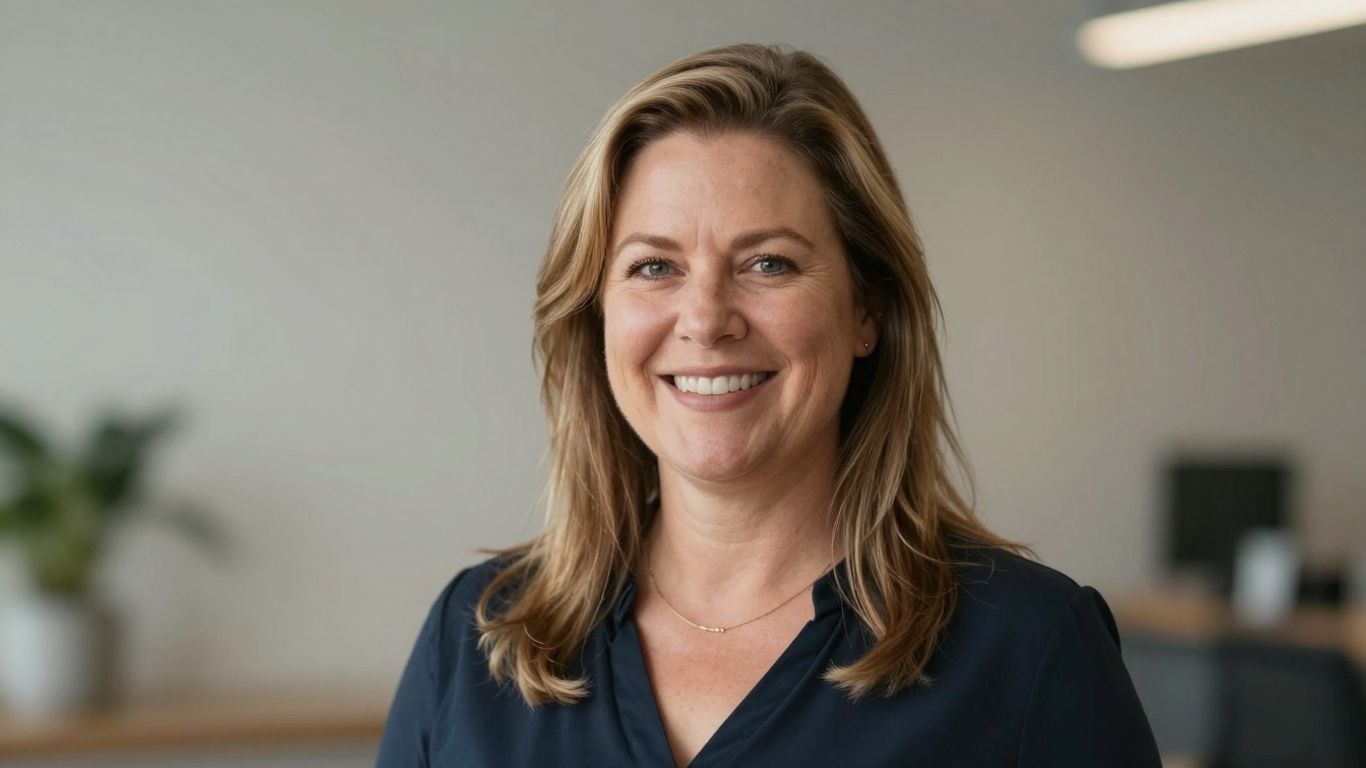
Jennifer’s journey with weight loss is a good example of how sometimes life throws you curveballs, and you have to put things on hold. She first thought about weight loss surgery back in her twenties, but her insurance didn’t cover it then. So, she put that idea aside and just kept going. Over the years, though, her health started to show the strain. She dealt with acid reflux, high blood pressure, and prediabetes, even getting close to developing Type 2 diabetes.
Things changed when she started working at Providence Health. Her new insurance plan actually covered weight loss surgery, and she decided to go for a Roux-en-Y gastric bypass. This decision opened up a whole new world for her. She mentioned being able to do things she never imagined, like going for walks, hitting the gym, and traveling. She’s already taken some road trips and is looking forward to flying now that she can fit comfortably in airplane seats. It sounds like she feels a real sense of freedom to just enjoy life more fully.
Here’s a look at some of the health issues Jennifer faced before her surgery:
-
Acid reflux
-
Hypertension
-
Prediabetes
It really highlights how weight loss surgery can be more than just a number on the scale; it can be about reclaiming your health and your ability to experience life.
Making the choice for weight loss surgery is a big step, and it’s not just a quick fix. It’s a commitment to a new way of living. While it can be incredibly life-changing, it does require sticking with new habits. If you don’t make those changes, the weight can come back. But for those who commit, the results can be truly amazing.
7. Amy Swedish Weight Loss Patient
Amy’s journey is a powerful reminder that sometimes, the path to better health isn’t a straight line. Before she considered weight loss surgery, Amy had already faced the challenge of losing a significant amount of weight – around 100 pounds – not once, but three times. Each time, the weight eventually came back. She admits there were moments she felt like giving up, thinking she’d just have to accept being overweight.
But it wasn’t just about the number on the scale for Amy. A hip injury brought on chronic pain, making it hard to move and leading to a period of depression. This was a wake-up call. She realized that if she didn’t make a change, her life would become more limited, her health would decline, and she’d be stuck. It felt like hitting rock bottom, and she knew she needed professional help to move forward.
Making the decision for surgery wasn’t about giving up on herself, but about finding a way to regain mobility and improve her overall well-being when other methods hadn’t worked long-term.
Amy’s story highlights that weight loss surgery can be a turning point, especially when combined with a commitment to lifestyle changes. It’s not a magic bullet, but for many, it’s a tool that helps them reclaim their lives and achieve goals they thought were out of reach.
8. Bariatric Doctors
Finding the right bariatric doctor is a big step on your weight loss journey. These medical professionals specialize in treating obesity and helping patients achieve significant, lasting weight loss. They often work with a team to create personalized plans that might include diet, exercise, medication, or surgery.
A good bariatric doctor will look at your overall health, not just your weight. They consider any existing conditions like diabetes, high blood pressure, or sleep apnea and how they might be affected by weight loss. It’s not just about the number on the scale; it’s about improving your health and quality of life.
Here’s what you can generally expect when working with a bariatric doctor:
-
Initial Assessment: A thorough review of your medical history, lifestyle, and previous weight loss attempts.
-
Personalized Plan Development: Creating a tailored strategy that fits your specific needs and goals.
-
Ongoing Support and Monitoring: Regular check-ins to track progress, make adjustments, and provide encouragement.
-
Coordination of Care: Working with other specialists like dietitians, surgeons, and therapists as needed.
Many bariatric doctors in the Seattle area are part of larger health systems, which means they have access to a wide range of resources and specialists. This can be really helpful if you need different types of care. For example, some doctors focus more on medical weight management, while others are surgeons who perform procedures like gastric bypass or sleeve gastrectomy. It’s important to find a doctor whose approach aligns with what you’re looking for. You can find specialists like Michelle Rappaport, MD, right here in Seattle for bariatric medicine.
Choosing a bariatric doctor is a partnership. You’ll want someone you feel comfortable talking to openly about your struggles and successes. They should be knowledgeable, compassionate, and dedicated to helping you reach your health goals.
When you’re looking for a bariatric doctor, consider their experience, the types of treatments they offer, and the support systems they have in place. Many clinics now offer virtual consultations, making it easier to get started from the comfort of your own home.
9. Bariatric Surgeons

When you’re looking into weight loss surgery, finding the right bariatric surgeon is a big deal. These are the folks who perform the procedures, and their skill really matters for your recovery and long-term success. Think of them as your guides through a major health change.
Many surgeons in the Seattle area have years of experience. Some even have extra training specifically in weight loss surgery, which is pretty reassuring. They often use methods that involve smaller cuts, which usually means less pain and a quicker return to your daily life. It’s not just about the surgery itself, though. A good surgical team will also be there to support you before and after the operation.
Here’s what you might expect when working with a bariatric surgical team:
-
Initial Consultation: Discussing your health history and whether surgery is the right path for you.
-
Pre-operative Preparation: Getting ready for the surgery, which might include dietary changes or medical tests.
-
The Procedure: The actual surgery, performed with advanced techniques.
-
Post-operative Care: Follow-up appointments and guidance to help you adjust to your new lifestyle.
Choosing a surgeon often involves looking at their experience, the types of surgeries they perform, and the overall support system they provide. It’s about finding someone you trust to help you reach your health goals.
10. Puget Sound Weight Management Centers
Thinking about losing weight and not sure where to start? The Puget Sound region has several centers focused on helping people manage their weight. These places often bring together different kinds of help, from talking with dietitians to exploring medical options or even surgery.
They aim to create a personalized plan just for you. It’s not a one-size-fits-all deal. They look at your specific situation, health history, and what you want to achieve.
Here’s a general idea of what you might find:
-
Nutrition Counseling: Getting advice on what to eat and how to plan meals.
-
Lifestyle Coaching: Tips on exercise, sleep, and stress management.
-
Medical Support: This could include weight loss medications or other non-surgical treatments.
-
Surgical Options: For some, bariatric surgery might be the most effective long-term solution.
-
Ongoing Support: Regular check-ins and support groups to help you stay on track.
Many of these centers are part of larger health systems, which means they have access to a wide range of medical professionals and resources. This can be really helpful if you have other health issues that need attention alongside your weight management goals.
It’s important to find a place that feels right for you. Look for centers with experienced teams who can guide you through the process, whether you’re looking for simple lifestyle changes or more involved medical interventions. The journey to a healthier weight is personal, and having the right support makes a big difference.
Ready to Take the Next Step?
So, if you’re in Seattle or the surrounding areas and looking for help with weight management, remember there are options. Whether you’re considering medical weight loss with a team of doctors and dietitians, or thinking about surgery, these centers are there to support you. It’s a big decision, for sure, and it’s about more than just the number on the scale. It’s about feeling better, moving more, and living a healthier life. Take some time to look into what each clinic near you offers, and find the path that feels right for you. Your journey to a healthier you can start today.
Frequently Asked Questions
What is a weight management center?
A weight management center is a place with experts who help people lose weight and live healthier lives. They offer different services like advice on what to eat and even surgeries if needed, creating a plan just for you.
Is weight loss surgery the only way to treat severe obesity?
For very serious obesity, weight loss surgery is often seen as the best long-term solution. While diet and exercise are important, they might not be enough on their own for some people. Surgery can also help with health problems caused by obesity, like diabetes or heart issues.
What are the benefits of minimally invasive weight loss surgery?
Minimally invasive surgery uses smaller cuts compared to older methods. This usually means less pain and a quicker recovery time for patients, helping them get back to their daily lives sooner.
What kind of support can I expect at a weight loss center?
You can expect a lot of support! Teams often include doctors, nurses, and dietitians who provide guidance before, during, and after your treatment. They might offer classes, healthy eating tips, and support groups to help you succeed long-term.
What is medical weight loss?
Medical weight loss is a way to lose weight without surgery. It’s for people who have tried diet and exercise but still need help. Doctors and other health pros create personal plans that might include lifestyle changes, medicine, or other treatments.
Can weight loss surgery change my life?
Yes, weight loss surgery can be a life-changing tool. It’s not a magic fix, though. It requires a commitment to changing your habits and lifestyle. But for many, it opens the door to a healthier, more active, and fulfilling life.
Leave a Reply