
Looking for ways to shed some pounds in Colorado Springs? It can feel like a maze trying to find the right place. There are a bunch of options out there, from clinics focused on medical supervision to places that help with surgery. We’ve put together a quick rundown of some places and services that might help you on your journey to a healthier you. Think of this as a starting point to figure out what kind of support you’re looking for.
Key Takeaways
-
Vitalis Medical Weight Loss & Wellness offers customized and affordable treatments, including peptide therapy, to help patients achieve significant weight loss with ongoing support.
-
Penrose Weight Loss Surgery Institute provides bariatric surgery options like gastric bypass and sleeve gastrectomy, supported by a team of experienced surgeons and comprehensive patient care.
-
Medically supervised weight plans combine lifestyle coaching with prescription treatments, ensuring a safe and effective approach tailored to individual health needs.
-
GLP-1 treatments, such as semaglutide and tirzepatide, are available to help reduce appetite and improve metabolic health, with close clinical monitoring.
-
Nutrition counseling and bariatric surgery support are offered, providing guidance on healthy eating habits and assisting patients in making informed decisions about surgical options.
1. Vitalis Medical Weight Loss & Wellness
Vitalis Medical Weight Loss & Wellness is a women-owned clinic right here in Colorado Springs, focusing on helping people shed pounds effectively. They really seem to get that everyone’s body is different, so they don’t just offer one-size-fits-all solutions. Instead, they work on creating plans that are tailored just for you, which makes a lot of sense when you think about how tricky weight loss can be.
What’s cool is that they go beyond just giving you shots or prescriptions. Their team is there to support you through the whole process, aiming for results that actually stick around. They talk about their Diamond Weight Loss Program, and it sounds like they really want you to succeed long-term, not just for a quick fix. They believe in a personalized approach to help you achieve lasting results.
Here’s a look at some of the things they focus on:
-
Customized Treatment Plans: Your plan is built around your specific needs and body.
-
Ongoing Support: The team is there to guide you every step of the way.
-
Focus on Lasting Results: It’s not just about losing weight, but keeping it off.
They also mention using things like peptide therapy, which is a more advanced way to help with weight loss. It’s good to know they’re using modern methods. If you’re looking for a place that feels supportive and understands that weight management is a journey, Vitalis might be worth checking out. They aim to make your weight loss experience feel less like a struggle and more like a guided path to a healthier you. You can even book a quick, free consult to see if their programs fit what you’re looking for. It’s a good idea to explore options like regenerative therapy for joint pain if you have other health concerns that might be holding you back.
2. Penrose Weight Loss Surgery Institute
When you’re looking for serious, long-term solutions for significant weight challenges, the Penrose Weight Loss Surgery Institute in Colorado Springs is a place to consider. They’ve been doing this for a while, with surgeons who have been performing procedures since 2001. That’s a lot of experience helping people change their lives.
They are the only facility in Southern Colorado accredited as a Bariatric Comprehensive Center of Excellence. This isn’t just a fancy title; it means they meet high standards for patient care. They offer different types of surgeries, like Lap-Band, Gastric Bypass, and Sleeve Gastrectomy. These are all serious medical procedures aimed at helping you achieve substantial weight loss when other methods haven’t worked.
It’s not just about the surgery itself, though. Penrose emphasizes the support system around the procedure. This includes dietitians, nurses, and even psychologists to help you through the whole process. They understand that lasting success comes from changes that stick, both before and long after the operation. You can even join support groups, which can be a big help.
Here’s a quick look at who might be a candidate:
-
BMI 40 or higher: This applies whether you have other health issues or not.
-
BMI 35 or higher: If you’re dealing with conditions like diabetes, heart disease, or sleep apnea.
-
Meeting weight goals with diet & exercise: This is a bit of a unique point, suggesting they look at overall success in weight management efforts.
Preparing for weight loss surgery involves more than just the medical procedure. Experts at Penrose guide patients on nutrition, physical activity, and lifestyle adjustments like quitting smoking or limiting alcohol. These steps are important for both recovery and long-term well-being.
If you’re curious about whether bariatric surgery is the right path for you, you don’t always need a referral to start the conversation. You can contact their coordinator directly to discuss eligibility. They also work with most insurance companies and offer a self-pay option. It’s a big decision, and they aim to provide the guidance needed for that journey. You can find more details about their services and providers on their website.
3. Medically Supervised Weight Plans
When you’re trying to lose weight, going it alone can be tough. That’s where medically supervised weight plans come in. These aren’t just generic diet sheets; they’re carefully put together by healthcare professionals who look at your whole picture. This means your plan is tailored specifically to you, taking into account your health history, lifestyle, and any underlying issues that might be making weight loss harder.
These plans often combine a few different things to give you the best shot at success. You might get:
-
Personalized coaching from doctors or nurses.
-
Guidance on nutrition and meal planning.
-
Access to prescription treatments or therapies if needed.
-
Support for managing any health conditions related to weight.
It’s about having a team that understands the science behind weight management and can guide you safely. They help you set realistic goals and provide the accountability you need to stick with it. Think of it as having a roadmap and a guide for your weight loss journey.
A structured approach under medical guidance helps ensure that weight loss efforts are not only effective but also sustainable and safe for your long-term health. It addresses the complexities of weight management beyond just calorie counting.
These programs are designed to be more than just a quick fix. They aim to help you build healthier habits that can last a lifetime. If you’re looking for a more structured and supportive way to manage your weight, exploring medical weight loss programs in Colorado Springs is a great place to start.
4. Peptide Therapy for Weight Loss
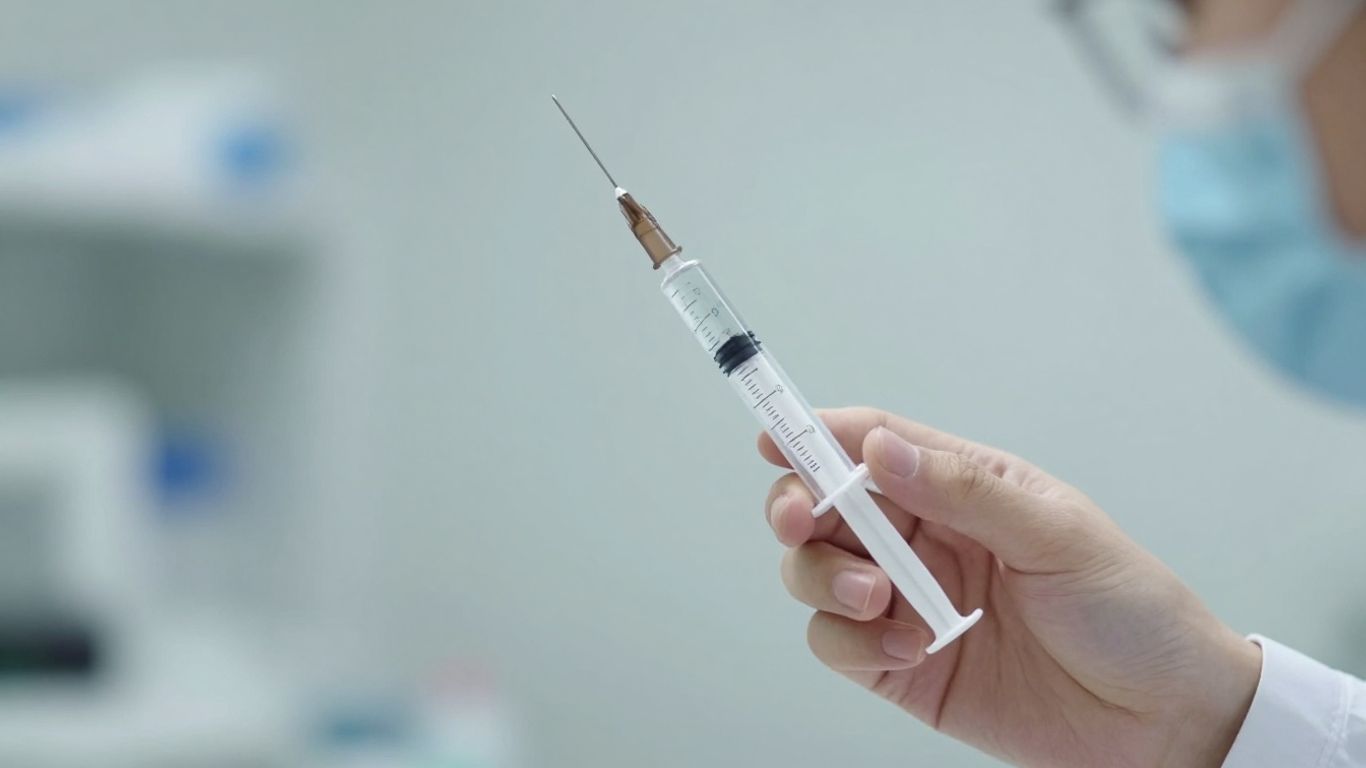
Peptide therapy is a pretty interesting approach when you’re trying to shed some pounds. It’s not just about taking a pill; it’s more like giving your body a nudge in the right direction. These specialized peptides can help by making you feel fuller for longer, which means you’re less likely to overeat. They can also play a role in managing your appetite, so those constant cravings don’t feel so overwhelming.
Think of it as a tool to help you stick to your healthier eating goals. It’s not a magic bullet, of course, but it can make the journey a lot more manageable. When you combine it with good nutrition and some activity, you can really start to see some changes.
Here’s a quick look at what peptide therapy can do:
-
Appetite Suppression: Helps reduce feelings of hunger.
-
Increased Satiety: Makes you feel full and satisfied after eating.
-
Metabolic Support: May assist in boosting your body’s metabolism.
-
Hormonal Balance: Can sometimes help regulate hormones related to weight.
It’s important to remember that peptide therapy is most effective when it’s part of a larger plan. This usually includes working with healthcare professionals who can guide you on the right peptides, dosage, and how to integrate them with diet and exercise. They’ll also monitor your progress to make sure it’s working safely for you.
While results can vary from person to person, many find that this type of therapy makes a noticeable difference in their weight loss efforts. It’s a medically supervised option that’s gaining traction for its potential to help people achieve their weight management goals more effectively.
5. GLP-1 Treatments

GLP-1 treatments have become a significant tool in weight management, and for good reason. These medications, like semaglutide and tirzepatide, work by mimicking a hormone your body naturally produces. They help regulate appetite and increase feelings of fullness, making it easier to eat less without feeling deprived.
Think of it this way: when you eat, your body releases GLP-1. This hormone signals to your brain that you’re full, slows down digestion, and can even help improve how your body uses insulin. By using GLP-1 receptor agonists, we’re essentially amplifying these natural signals.
This can lead to a noticeable reduction in hunger and cravings, which is often a major hurdle for people trying to lose weight. It’s not a magic pill, of course. These treatments are most effective when combined with lifestyle changes, like a healthier diet and more physical activity. But for many, they provide the support needed to make those changes stick.
Here’s a quick look at what these treatments can offer:
-
Appetite Reduction: Significantly lessens feelings of hunger.
-
Increased Satiety: Helps you feel full longer after eating.
-
Metabolic Support: Can positively influence blood sugar levels.
-
Physician Supervision: Crucial for monitoring progress and managing potential side effects.
While generally well-tolerated, some people might experience side effects like nausea or digestive changes. That’s why working with a doctor is so important. They can help you find the right dosage and monitor your health throughout the treatment.
GLP-1 treatments are a medically supervised approach to weight loss that works with your body’s natural processes to help manage appetite and promote satiety. They are designed to be part of a broader weight management plan, not a standalone solution.
6. Nutrition Counseling
When you’re trying to lose weight, what you eat really matters. It’s not just about cutting calories; it’s about understanding how food affects your body and making choices that support your goals long-term. That’s where nutrition counseling comes in.
Think of it as getting a personalized roadmap for your meals. A dietitian or nutritionist can help you figure out the best foods for your body, considering any health conditions you might have. They’ll work with you to create a meal plan that’s not only healthy but also something you can actually stick with. This isn’t about a quick fix; it’s about building habits that last.
Here’s what you can typically expect:
-
Personalized Meal Plans: Tailored to your tastes, lifestyle, and dietary needs.
-
Education on Food Choices: Learning which foods fuel your body and which might be holding you back.
-
Behavior Change Support: Strategies to overcome common eating challenges like emotional eating or portion control.
-
Progress Tracking: Monitoring your intake and how it impacts your weight and overall health.
Working with a nutrition professional can make a big difference. They help you understand the ‘why’ behind dietary recommendations, making it easier to make informed decisions about your food every day. It’s about finding a sustainable way to eat that makes you feel good and helps you reach your weight management goals.
7. Bariatric Surgery Support
Thinking about bariatric surgery is a big step, and it’s not just about the procedure itself. It’s really about a whole journey toward a healthier life. This kind of surgery, like gastric bypass or sleeve gastrectomy, can lead to significant weight loss and improvements in health conditions like diabetes and sleep apnea. But the success doesn’t stop when you leave the hospital.
After surgery, you’ll need a solid support system. This often includes working with dietitians who specialize in post-surgery nutrition, and therapists or psychologists to help with the mental and emotional adjustments. You’ll also find that connecting with others who have gone through similar experiences can be incredibly helpful. Many centers offer support groups, both in-person and online, where you can share challenges and celebrate victories.
Here’s what you can typically expect as part of a bariatric surgery support program:
-
Nutritional counseling with specialists.
-
Psychosocial support to manage emotional changes.
-
Pre- and post-operative support groups.
-
Ongoing check-ins with your surgical team.
Preparing for bariatric surgery involves more than just the medical aspects. It requires commitment to lifestyle changes, including diet and exercise, and understanding the long-term implications. A good support network makes this transition much smoother.
It’s important to find a program that offers continuous care. This means they’re there for you not just before and during surgery, but also in the months and years that follow, helping you maintain your weight loss and overall well-being.
8. Injection & Metabolism Boosting Therapies
Looking for a way to kickstart your weight loss journey? Injection and metabolism boosting therapies might be just what you need. These treatments are designed to help your body burn fat more efficiently and give you a much-needed energy boost. They work by targeting key metabolic processes to help you shed pounds and keep your lean muscle mass.
These therapies often involve specialized injections that can help regulate appetite, increase energy levels, and speed up your metabolism. It’s not just about the shot itself; it’s about how it supports your overall weight management plan. Think of it as a powerful tool to help you overcome plateaus and see more consistent results.
Here’s a quick look at what these therapies can offer:
-
Increased Energy Levels: Combat fatigue and feel more motivated to exercise and stick to your plan.
-
Accelerated Fat Loss: Help your body target and burn stored fat more effectively.
-
Appetite Suppression: Reduce cravings and feel fuller for longer, making calorie control easier.
-
Metabolic Support: Give your body’s natural fat-burning processes a helpful nudge.
It’s important to remember that these treatments are most effective when combined with a healthy diet and regular exercise. They are meant to complement your lifestyle changes, not replace them. If you’re curious about how these therapies can fit into your personal weight loss strategy, it’s a good idea to talk to a healthcare provider. They can assess your individual needs and help you understand if this approach is right for you. Many clinics offer initial consultations to discuss your options and answer any questions you might have about treatments like these medical weight loss programs.
These therapies are often part of a broader medical weight loss plan, supervised by professionals. They aim to provide a safe and effective way to support your body’s natural ability to lose weight, especially when combined with lifestyle adjustments. The goal is to help you achieve sustainable results and improve your overall health.
9. Hormonal Health Integration
Sometimes, weight gain isn’t just about diet and exercise. Your hormones play a pretty big role in how your body works, including your metabolism. If you’ve been trying to lose weight but feel like you’re hitting a wall, it might be worth looking into your hormonal balance.
Things like thyroid issues, imbalances in reproductive hormones, or even stress hormones like cortisol can really mess with your weight. Addressing these underlying hormonal issues is key to making weight loss efforts more effective and sustainable. Our team can help assess your hormone levels and develop a plan that works with your body, not against it. This often involves a combination of lifestyle adjustments and sometimes targeted therapies to bring your hormones back into a healthy range.
Here’s how we approach hormonal health integration:
-
Assessment: We start with thorough testing to understand your current hormonal status.
-
Diagnosis: Identifying any imbalances that could be impacting your weight.
-
Personalized Plan: Creating a treatment strategy tailored to your specific needs, which might include hormone replacement, supplements, or dietary changes.
-
Monitoring: Regularly checking in to adjust the plan as needed and track your progress.
It’s about looking at the whole picture to help you achieve lasting results. If you’re interested in exploring advanced medical weight loss programs that consider these factors, you can find more information on medical weight loss programs. Understanding your body’s internal signals is a big step toward successful weight management.
10. Physician Directed Treatment
When you’re trying to lose weight, having a doctor guiding you makes a big difference. It’s not just about getting a prescription; it’s about having someone who understands your whole health picture.
A physician-directed approach means your treatment plan is built around you, considering your medical history, current health status, and specific weight loss goals. This isn’t a one-size-fits-all situation. Your doctor will look at things like your metabolism, any underlying health conditions, and even your lifestyle to figure out the best path forward.
Here’s what that typically involves:
-
Personalized Assessment: A thorough review of your health, including blood work and discussions about your habits.
-
Tailored Treatment Plan: This could include medication, dietary changes, exercise recommendations, or a combination of these.
-
Ongoing Monitoring: Regular check-ins to track your progress, adjust the plan as needed, and manage any side effects.
-
Holistic Support: Addressing not just the number on the scale, but also improving your overall well-being.
Think of it like this: you wouldn’t try to fix a complex engine without a mechanic who knows what they’re doing. Weight loss is similar. Having a doctor oversee your journey ensures that the methods used are safe, effective, and sustainable for your body.
Working with a physician means you’re not just guessing what might work. You’re following a scientifically-backed plan designed by a medical professional who is invested in your long-term health and success. They can help you understand the why behind your weight challenges and guide you toward lasting solutions.
Ready to Start Your Journey?
Finding the right place to help with weight loss in Colorado Springs can feel like a big step. There are options out there, from clinics offering specialized treatments like peptide therapy to surgical centers that can help with more significant changes. Remember, it’s about finding a team that understands your needs and offers a plan that feels right for you. Don’t hesitate to reach out and ask questions. Taking that first call or scheduling that initial appointment is often the hardest part, but it’s the start of making real changes for a healthier you.
Frequently Asked Questions
What is peptide therapy for weight loss?
Peptide therapy uses special substances called peptides to help you feel less hungry and more full after eating. It’s like a helpful tool to make sticking to healthier food choices easier.
Are GLP-1 treatments safe for losing weight?
Yes, treatments like semaglutide and tirzepatide, which are GLP-1s, are generally safe when a doctor is watching over you. They help control your appetite and improve how your body uses energy. Doctors keep a close eye on you to make sure everything is going well.
What kind of support does bariatric surgery offer?
If surgery might be a good option for you, weight loss centers can give you information, help you find the right doctors, and support you even after the surgery. They help you make a good choice and stick with it.
How does nutrition counseling help with weight loss?
Nutrition counselors work with you one-on-one to create meal plans. They teach you about healthy eating based on what science says works, helping you build good eating habits that can last a long time.
Can doctors help with weight loss if my hormones are out of balance?
If you’re gaining weight for reasons you can’t figure out, doctors can check for hormone problems. Fixing these imbalances can make it easier for your body to lose weight and keep it off.
What are injection and metabolism boosting therapies?
These therapies use injections and special programs to help your body burn more energy. They are designed to give you more energy and help you lose fat while keeping your muscles strong.
Leave a Reply